26/09/20260 lượt xem
English below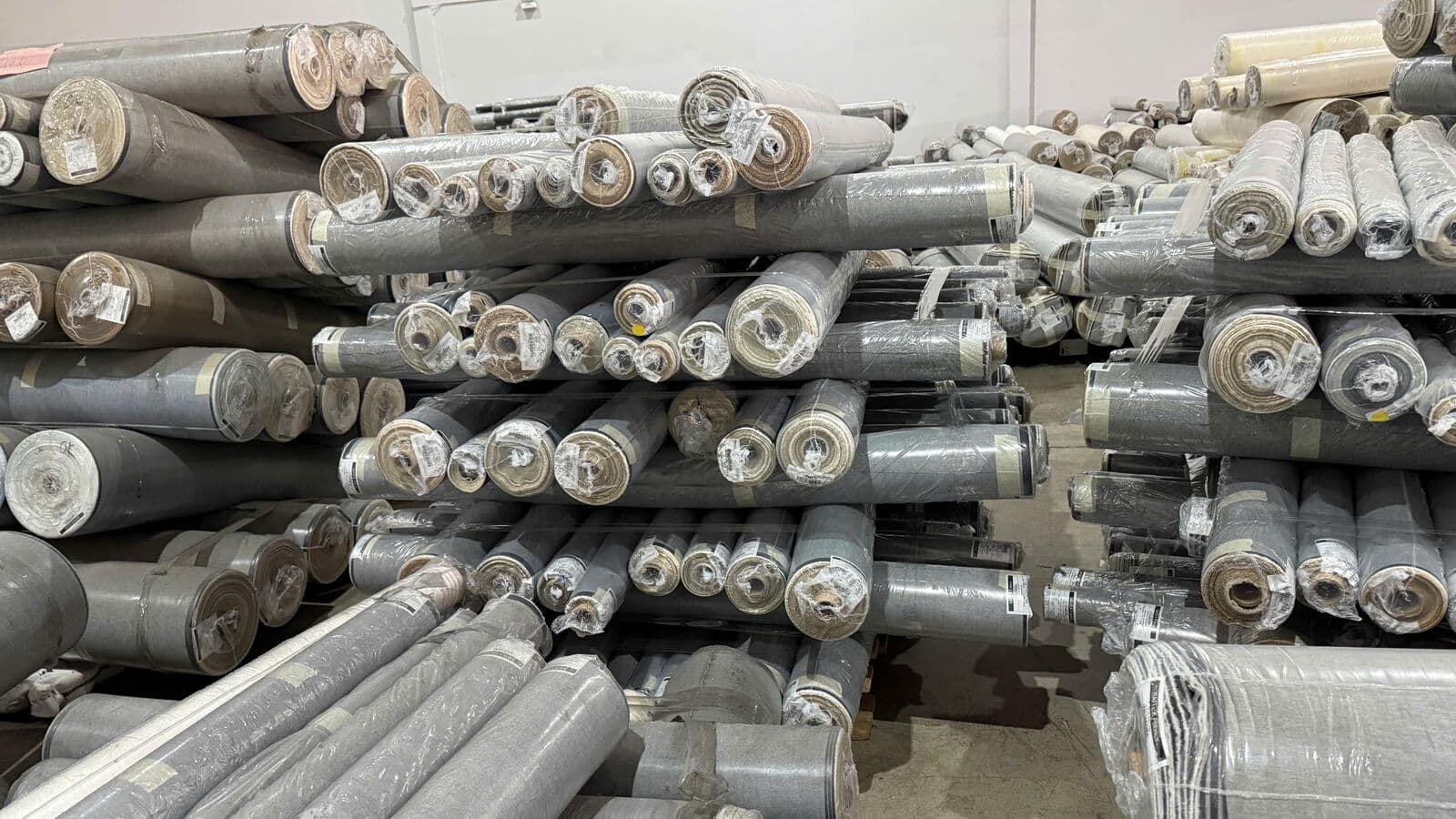
Trong nghề thu mua, vải cây tồn kho, vải khúc và vải vụn là ba nhóm hàng khác nhau hoàn toàn, dù đều là "vải dư" trong mắt nhiều chủ xưởng. Mỗi nhóm có người mua lại riêng, cách tính riêng và mức giá riêng. Khi thanh lý mà không phân biệt, anh chị rất dễ để cả kho bị tính theo nhóm thấp nhất. Bài viết này giải thích từng loại theo cách người làm nghề vẫn gọi ở chợ vải Tân Bình hay Soái Kình Lâm, kèm cách phân loại nhanh ngay tại xưởng.
Vì sao phải phân biệt trước khi thanh lý?
Người thu mua trả giá dựa trên việc lô vải sẽ được dùng vào đâu. Vải còn dài có thể quay lại xưởng may để cắt thành sản phẩm hoàn chỉnh. Vải ngắn hơn thì dành cho may đồ nhỏ, đồ trẻ em, túi, khẩu trang. Vải quá nhỏ chỉ còn dùng làm giẻ lau, nhồi gối hoặc tái chế sợi. Giá trị sử dụng giảm dần theo chiều dài miếng vải, nên giá thu mua cũng giảm theo.
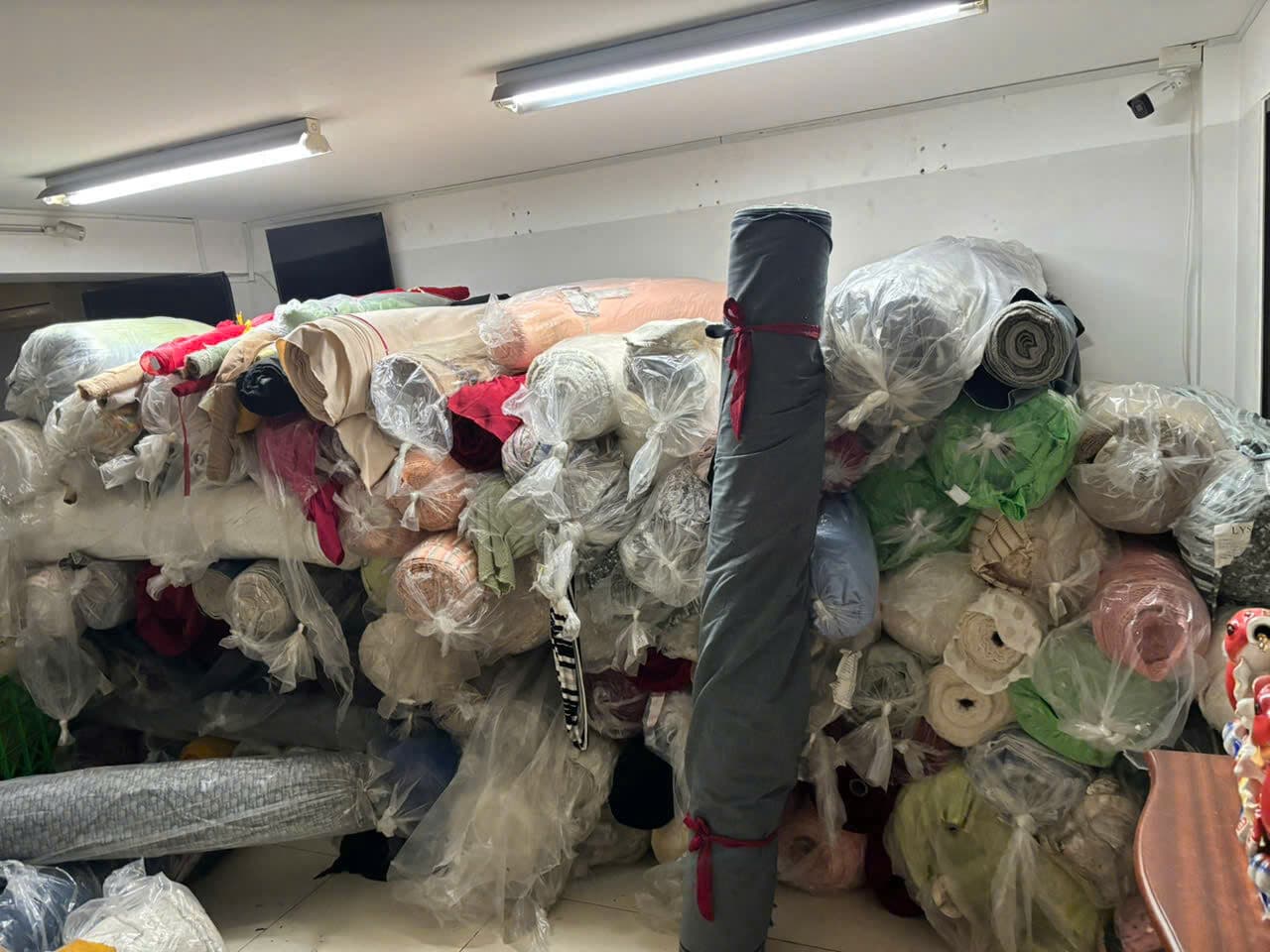
Khi các nhóm bị trộn lẫn, người mua không thể ngồi lựa từng miếng trong một bao lớn. Họ buộc phải nhìn phần kém nhất để báo giá cho an toàn. Đó là lý do cùng một khối lượng vải, kho đã phân loại gọn thường nhận được tổng tiền cao hơn kho để lẫn lộn.
Vải cây tồn kho: nhóm có giá trị cao nhất
Vải nguyên cây
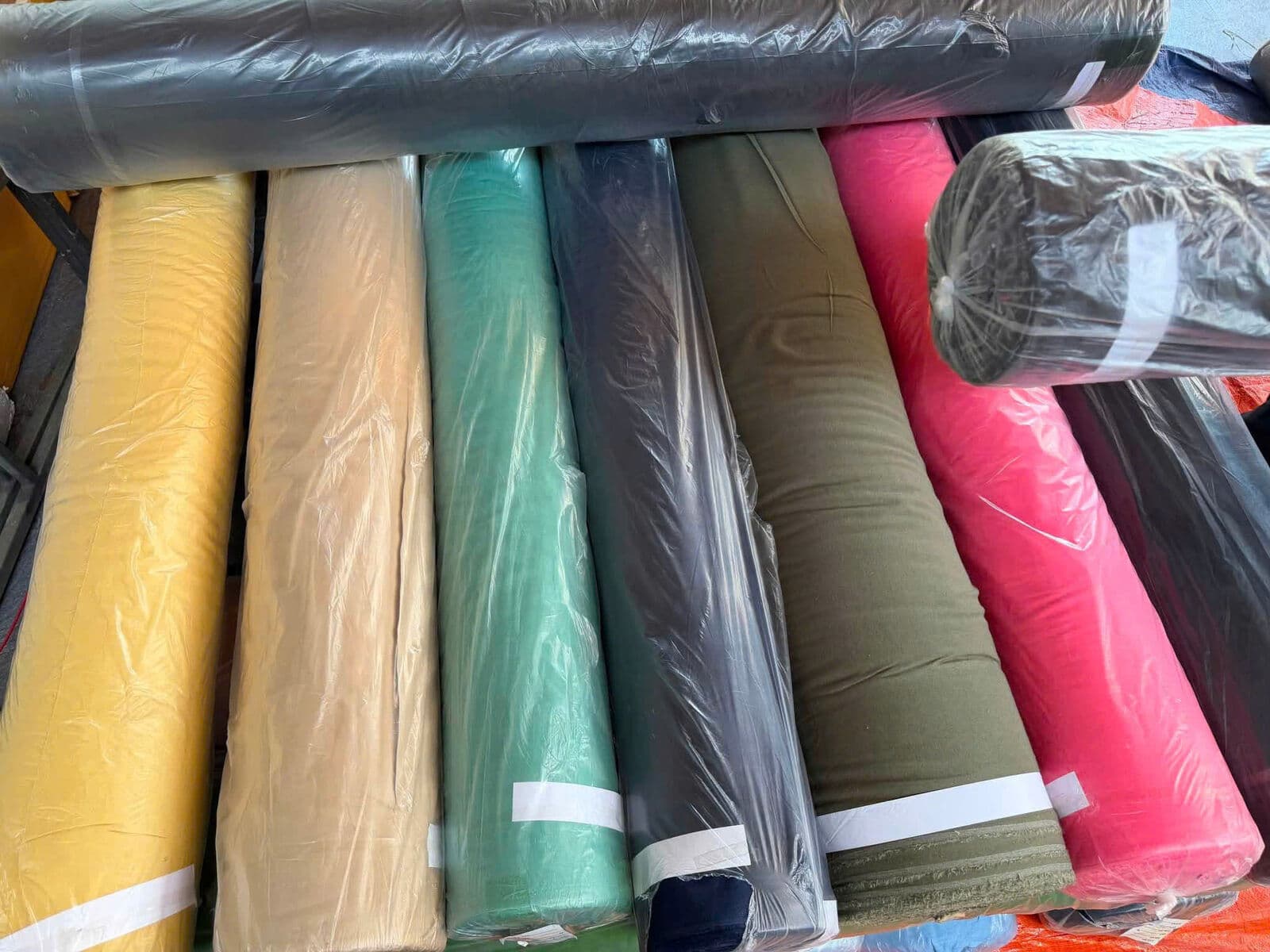
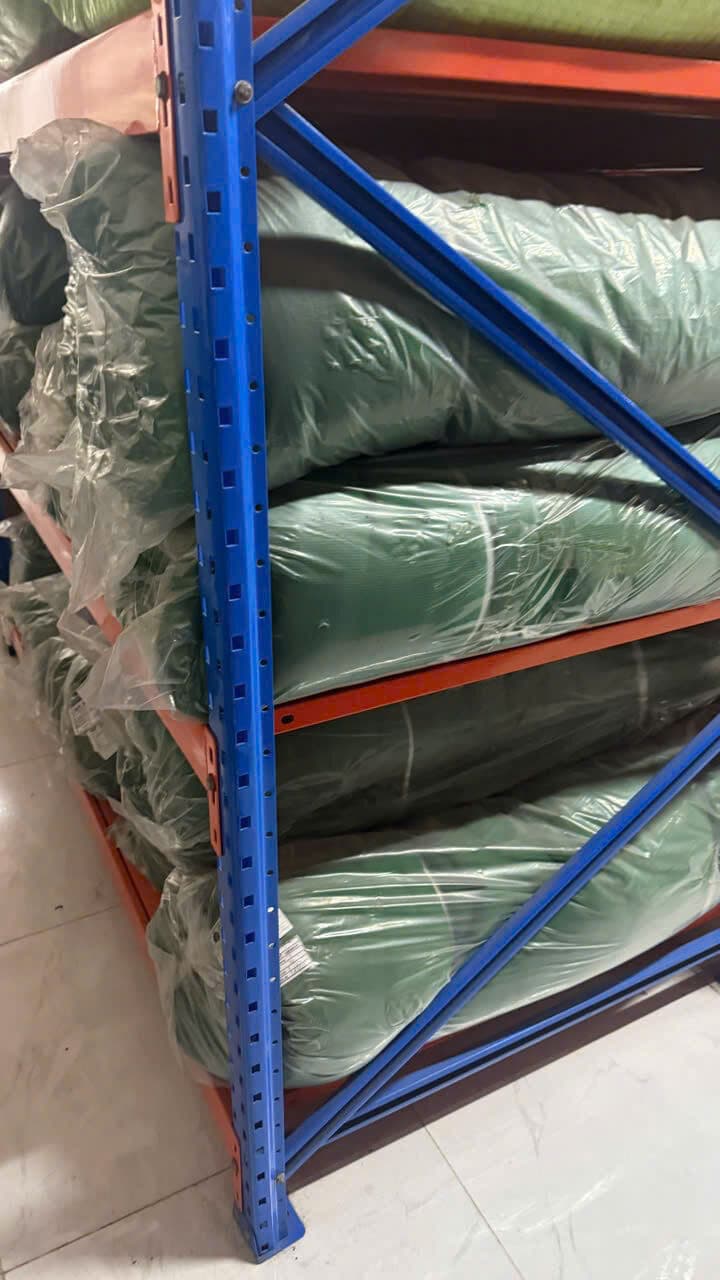
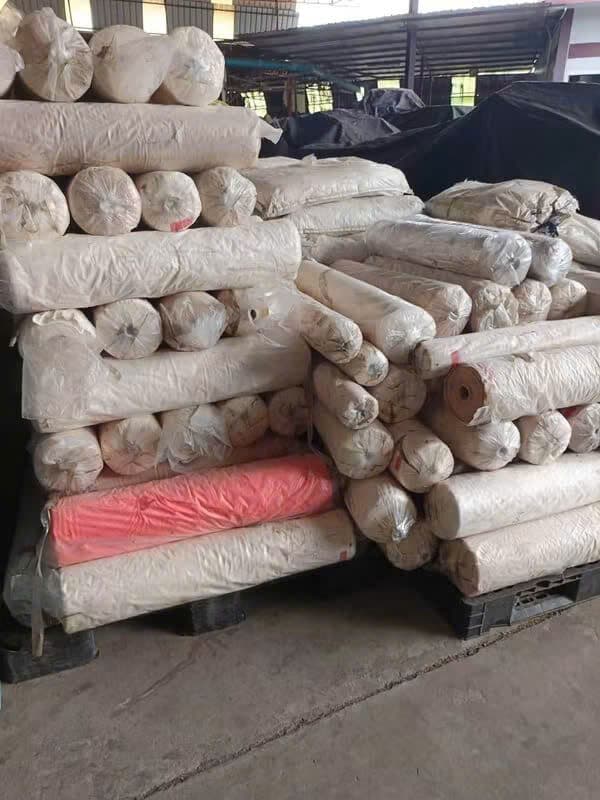
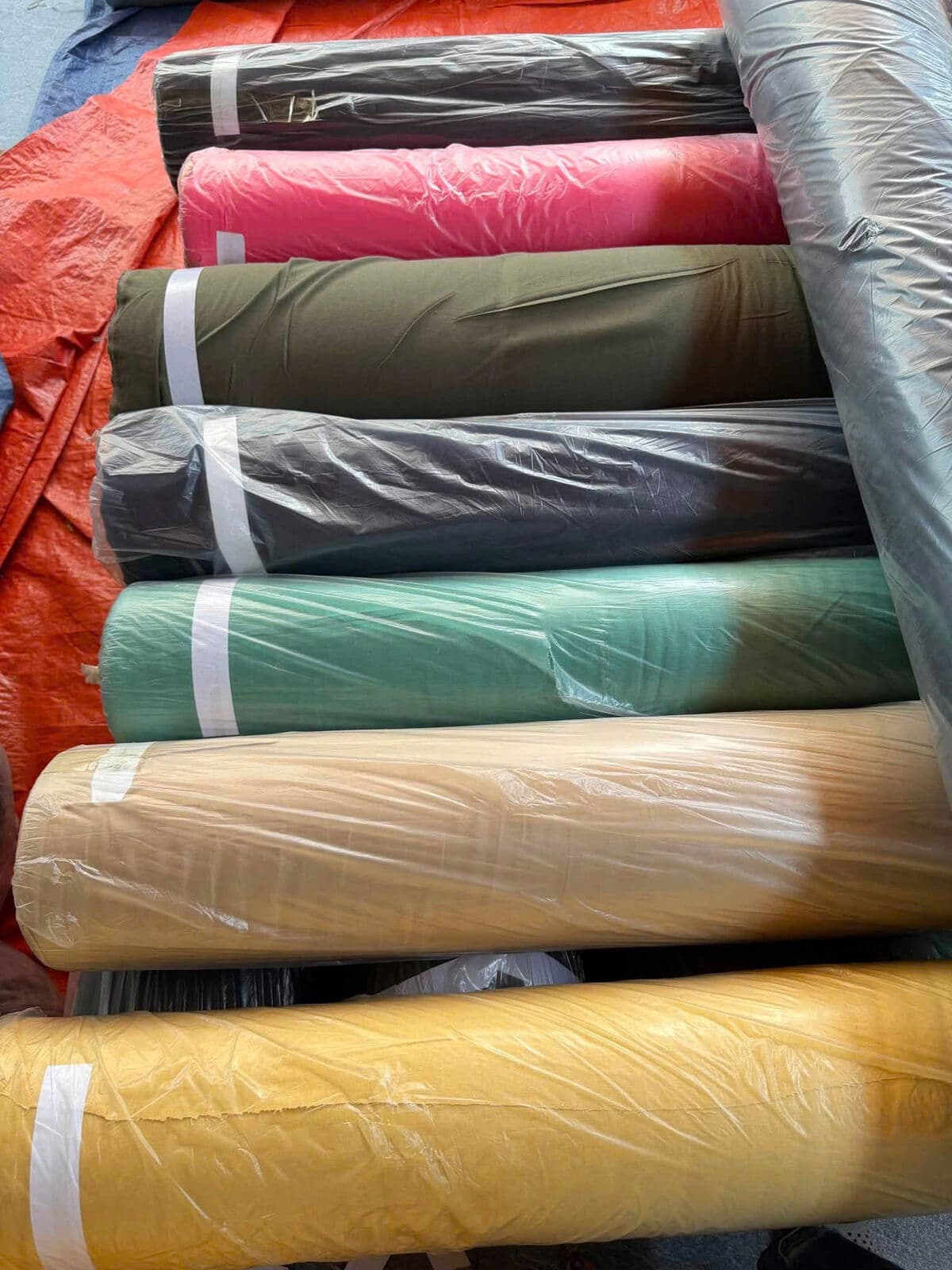
Vải cây là vải quấn trên lõi ống giấy hoặc ống nhựa, đúng dạng khi xuất từ nhà máy dệt. Một cây thường dài vài chục mét đến hơn trăm mét tùy loại vải và định lượng. Vải nguyên cây còn đai, còn bọc nilon và còn nhãn thông số là loại được giá nhất vì người mua lại biết chắc chiều dài, khổ và thành phần, có thể bán ngay cho xưởng khác mà không cần kiểm lại nhiều.
Vải đầu cây
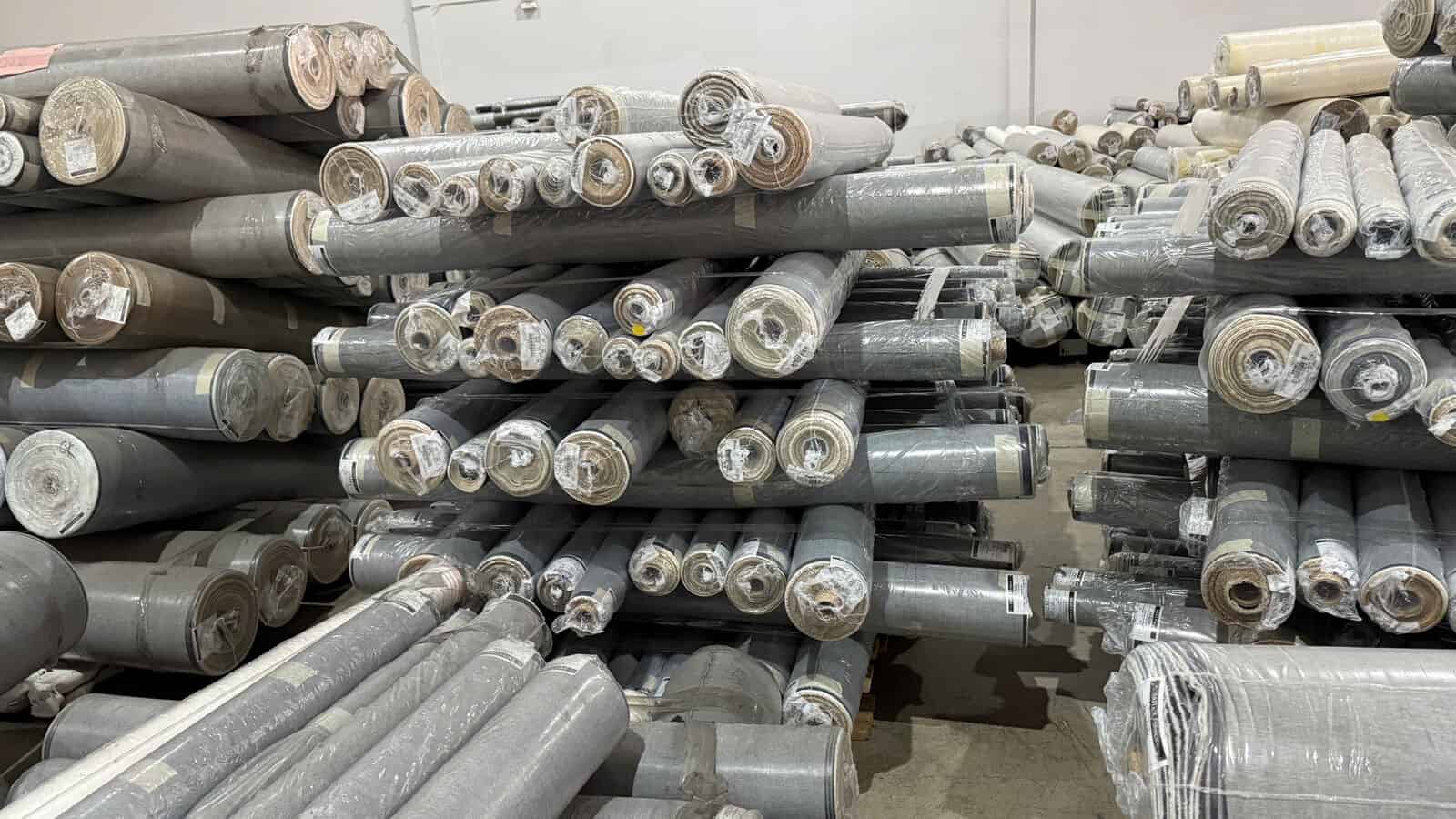
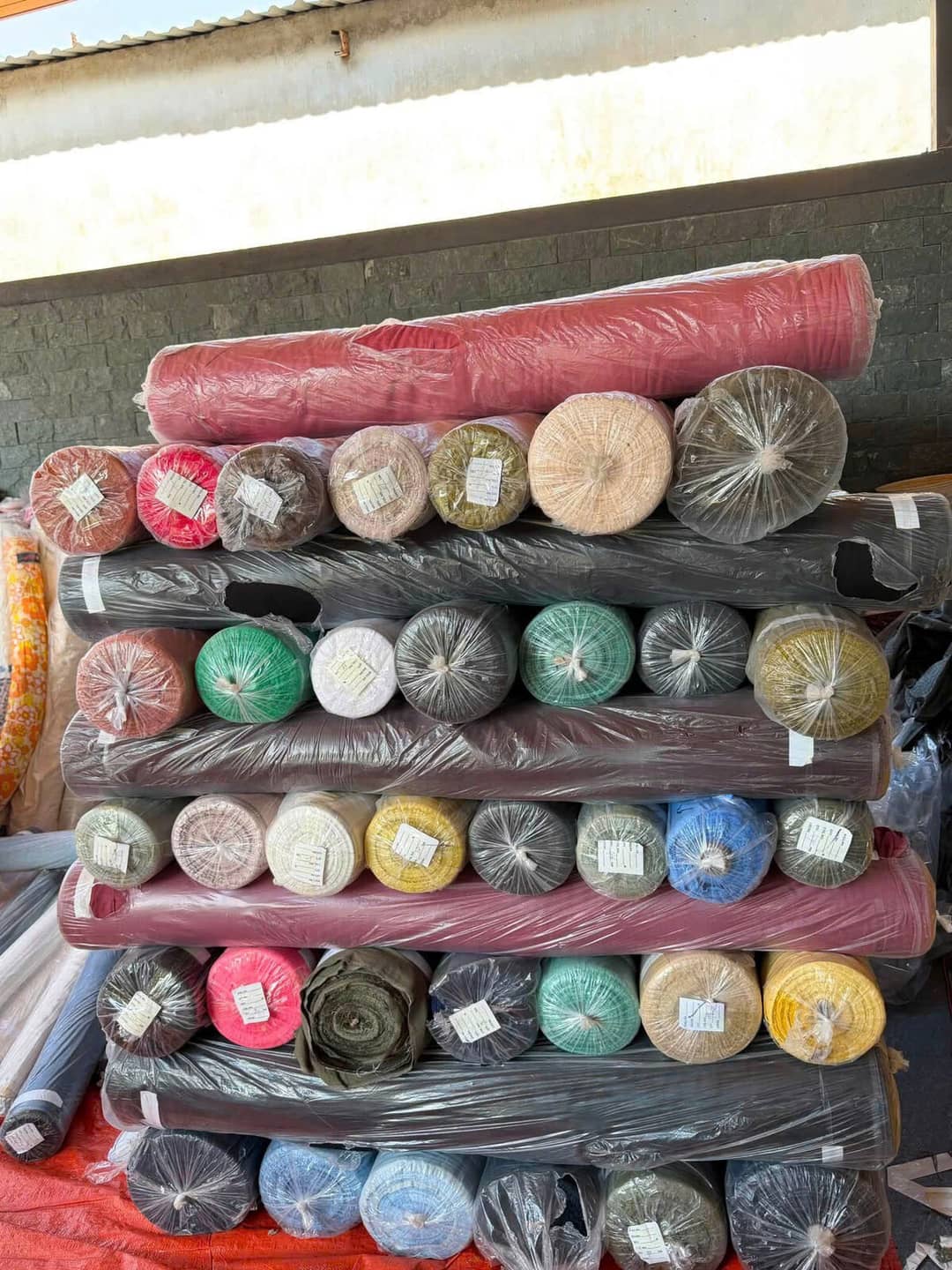
Vải đầu cây là phần còn lại trên lõi sau khi xưởng đã cắt dùng một phần, thường còn từ vài mét đến vài chục mét. Nó vẫn nằm trên lõi, vẫn cuộn gọn, nên về cách bảo quản thì giống vải cây, nhưng chiều dài không còn đồng đều. Nhiều người gọi chung là vải cuộn còn lại. Giá vải đầu cây phụ thuộc nhiều vào độ dài còn lại: đầu cây dài trên hai ba chục mét gần như được tính như vải cây, còn đầu cây vài mét thì xếp gần với vải khúc.
Lời khuyên khi thanh lý: đừng tháo vải đầu cây ra khỏi lõi để "gọn kho". Còn trên lõi thì người mua nhìn là biết độ dài, tháo ra rồi thì thành một đống vải khúc và bị tính khác. Anh chị có thể xem cách chúng tôi thu mua nhóm này ở trang thu mua vải cây tồn kho.
Vải dư còn mới sau đơn hàng còn được gọi là vải deadstock.
Vải khúc và vải lỡ: nhóm ở giữa
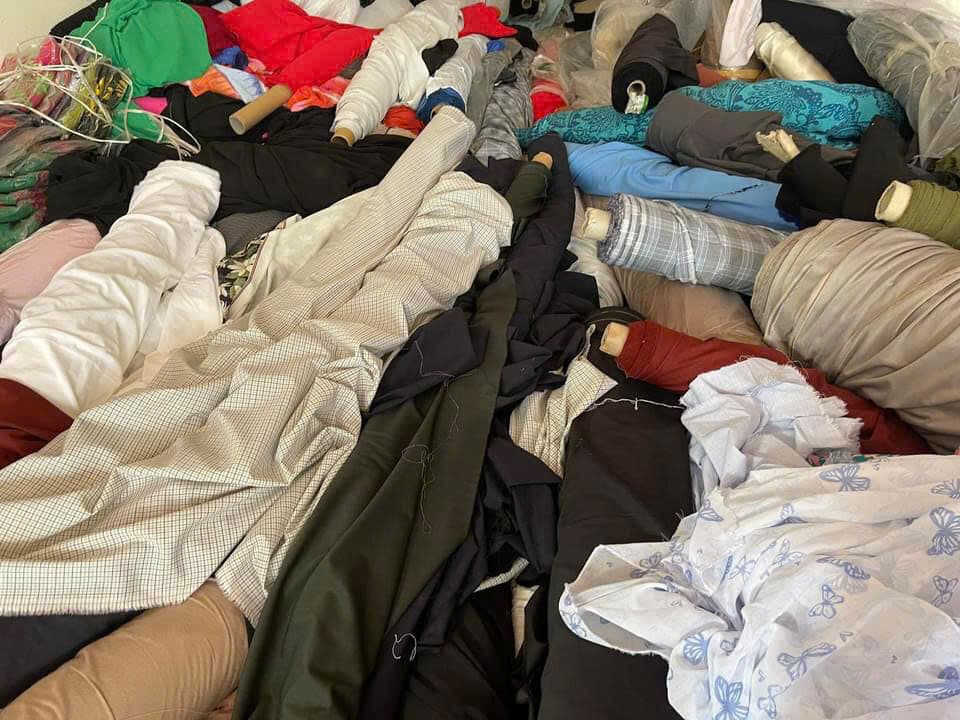
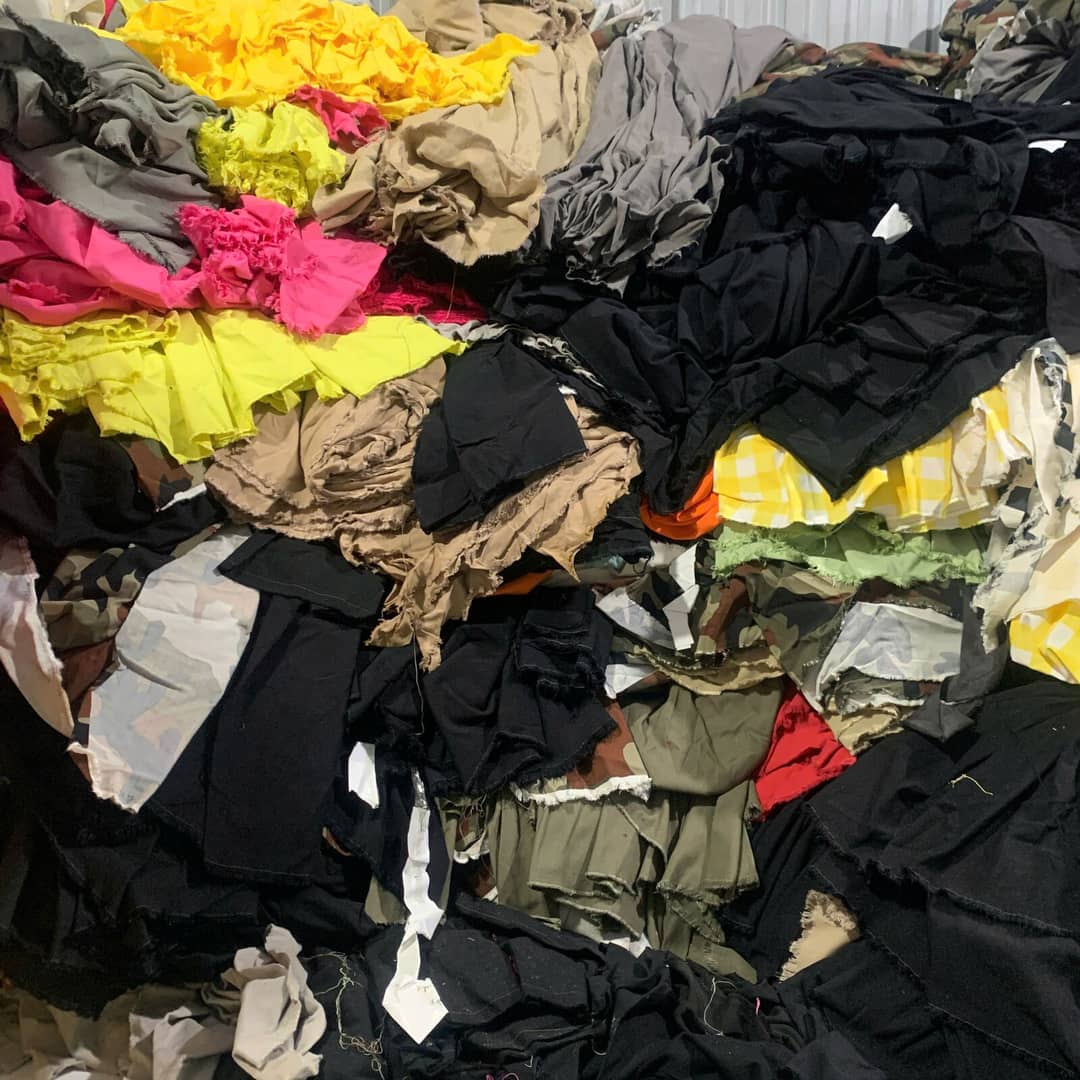
Vải khúc là những đoạn vải đã tách khỏi lõi, dài từ khoảng một mét đến vài mét, thường được gấp hoặc cuộn tay. Nguồn phổ biến là phần dư sau khi cắt sơ đồ, vải lưu mẫu, vải bị trả lại từ đơn hàng hoặc vải cắt ra từ cây bị lỗi một đoạn.
Vải lỡ là cách gọi dân gian cho vải "lỡ dở": không đủ dài để may một lô sản phẩm, nhưng vẫn đủ để may lẻ một hai chiếc áo, váy hoặc đồ trẻ em. Trong thực tế, ranh giới giữa vải khúc và vải lỡ khá mờ, người mua thường gộp chung một nhóm.
Giá vải khúc phụ thuộc vào ba điều:
- Độ dài trung bình: khúc càng dài càng dễ bán cho người may lẻ và tiểu thương.
- Độ đồng đều về loại: một bao toàn khúc thun cotton dễ bán hơn một bao lẫn thun, kaki, voan.
- Độ sạch: khúc không dính phấn vẽ, không lẫn chỉ vụn, không ẩm.
Thông tin chi tiết hơn anh chị xem ở trang thu mua vải khúc.
Vải vụn: nhóm cuối nhưng vẫn ra tiền
Vải vụn là những mảnh nhỏ dưới khoảng một mét, phần lớn là mảnh thừa hình dạng không đều sau khi cắt bán thành phẩm. Xưởng may nào cũng sinh ra vải vụn hằng ngày, và nếu không bán định kỳ thì nó chiếm chỗ rất nhanh.
Vải vụn thường được tính theo ký. Giá cao hay thấp tùy vào thành phần: vụn cotton sạch một màu được ưa chuộng hơn vụn pha nhiều loại, vì dùng được cho giẻ lau công nghiệp và tái chế. Vụn trộn chung với giấy sơ đồ, túi nilon, chỉ rối hay bụi vải thì giá giảm vì người mua phải tốn công lọc.
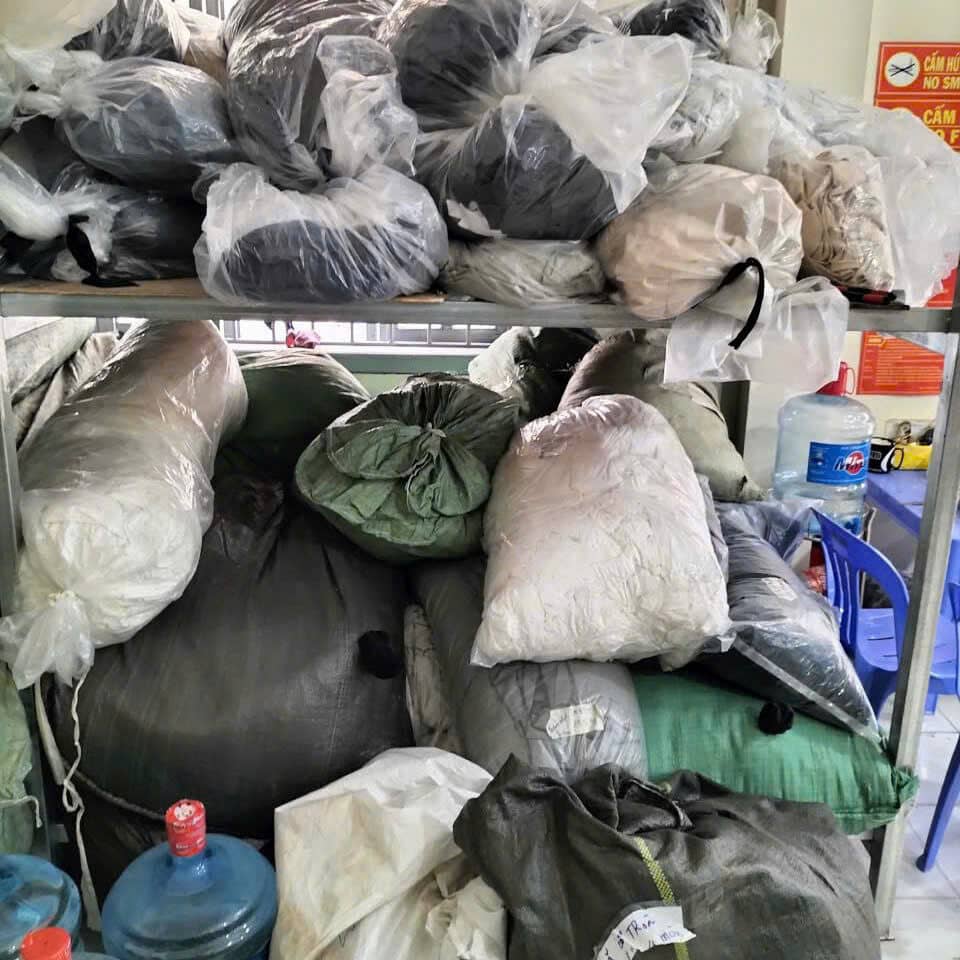
Gia Bảo nhận thu mua vải vụn cả số lượng nhỏ, anh chị có thể gom theo tuần hoặc theo tháng rồi gọi một lần.
Ba nhầm lẫn hay gặp khi tự phân loại
Coi vải lỗi là vải vụn. Một cây vải bị loang màu hay lỗi dệt ở vài đoạn vẫn là vải cây. Người mua có thể cắt bỏ đoạn lỗi và dùng phần còn lại, nên đừng xé nhỏ hay bỏ chung vào bao vụn. Hãy để nguyên cây và ghi chú chỗ lỗi, giá sẽ tốt hơn nhiều so với khi đã biến nó thành vụn.
Đánh giá độ dài bằng mắt. Cuộn vải dày không có nghĩa là dài, vì vải nỉ, vải bông dày cuộn rất to mà chỉ được ít mét. Nếu cây còn nhãn, tin vào nhãn. Nếu không, so với một cây nguyên cùng loại hoặc cân thử để ước lượng.
Để vải khúc chung với phụ liệu. Nhiều xưởng bỏ nút, dây kéo, thun lưng lẫn vào bao vải khúc cho tiện. Khi cân, những thứ này làm lệch trọng lượng và người mua phải tách lại, dễ phát sinh tranh cãi. Phụ liệu nên để hộp riêng và báo riêng, vì nhiều loại phụ liệu còn nguyên bao bì có giá trị không nhỏ.
Cách phân loại kho vải trong một buổi
Không cần máy móc, chỉ cần hai ba người và một buổi sáng, anh chị có thể phân kho thành các nhóm rõ ràng:
- Kéo toàn bộ cây còn trên lõi ra một khu. Tách cây nguyên đai với cây đã cắt dở.
- Ước độ dài vải đầu cây bằng cách xem độ dày cuộn so với cây nguyên cùng loại, ghi bằng phấn lên lõi.
- Gom vải khúc theo loại vải, cho vào bao riêng, ghi tên loại ngoài bao.
- Dồn vải vụn vào bao lớn, loại bỏ giấy, nilon, chỉ rối.
- Để riêng hàng lỗi, hàng ẩm ở một góc, không trộn vào các nhóm trên.
- Chụp ảnh từng nhóm và gửi cho người thu mua kèm số lượng ước tính.
Tình huống thường gặp khi thanh lý
Xưởng nhỏ may gia công: thường có nhiều vải đầu cây và vải khúc, ít vải nguyên cây. Với kho kiểu này, việc để nguyên vải trên lõi và gom khúc theo loại gần như quyết định tổng tiền nhận được.
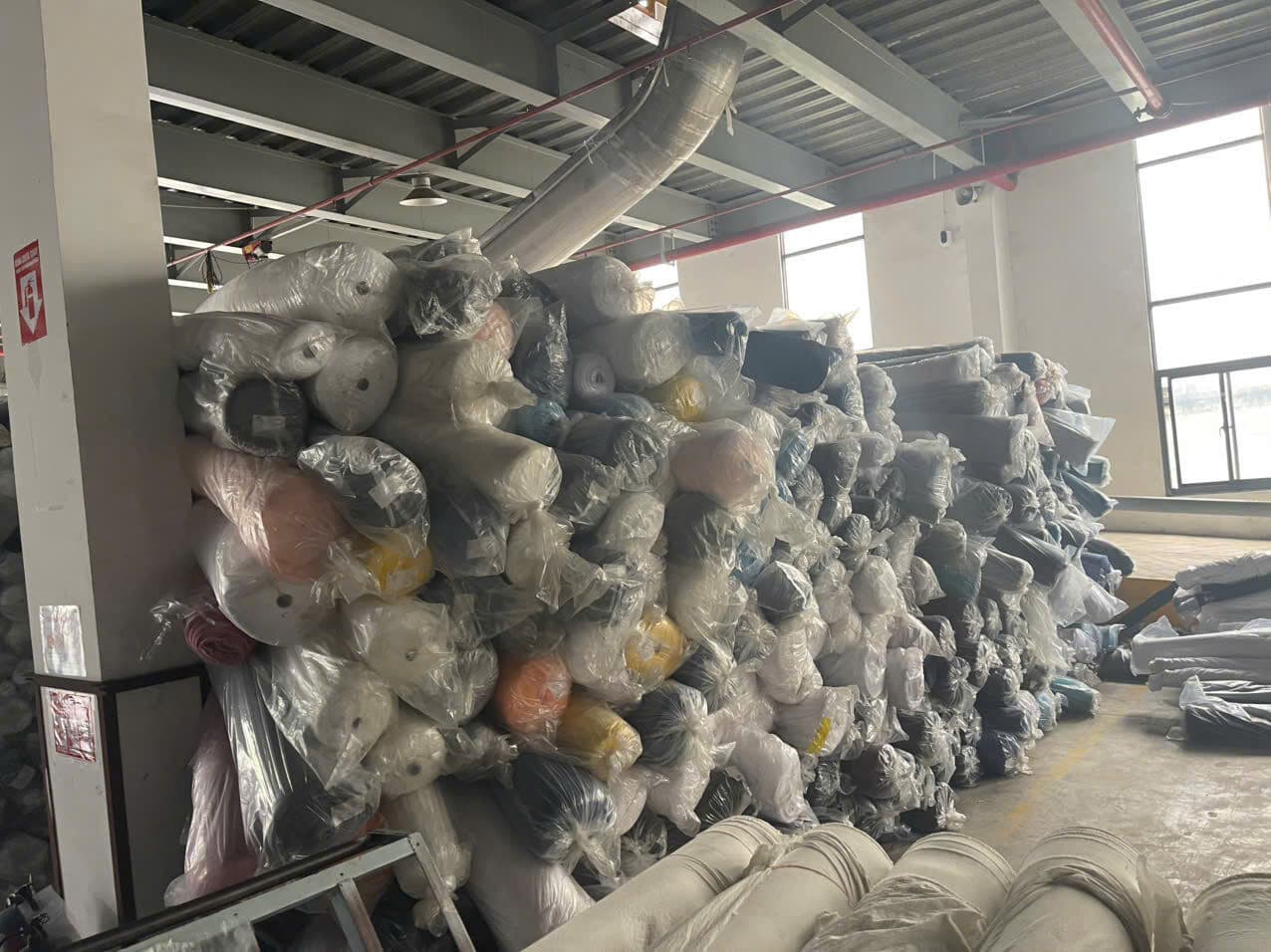
Công ty may xuất khẩu đóng đơn: hay dư nguyên cây do đặt dư định mức hoặc khách hủy đơn, số lượng lớn và đồng đều. Nhóm này nên bán sớm, vì màu và chất vải theo đơn hàng riêng sẽ khó bán hơn theo thời gian. Xem thêm trang thu mua vải dư thừa xưởng may.
Shop vải đóng cửa hoặc đổi mặt hàng: thường có đủ cả ba nhóm cộng thêm vải mẫu. Nên kiểm kê theo nhóm như trên rồi mời người mua xem một lần cho trọn lô, tránh bán lẻ tẻ phần đẹp và kẹt lại phần khó bán.
Nhận báo giá cho từng nhóm vải
Dù kho của anh chị có vải cây, vải đầu cây, vải khúc, vải lỡ hay vải vụn, Gia Bảo đều thu mua và báo giá riêng cho từng nhóm để anh chị thấy rõ từng phần được tính thế nào. Gọi hotline 0904 623 046 (anh Tuấn Tài) hoặc chụp ảnh từng nhóm gửi qua Zalo cùng số này, chúng tôi báo giá sơ bộ trong ngày và hẹn đến tận nơi xem hàng. Anh chị cũng có thể để lại thông tin ở trang liên hệ.
English version
Fabric Rolls, Remnants and Scraps: Telling Them Apart Before You Sell
In the fabric buying trade, surplus rolls, remnants and scraps are three completely different categories, even though many factory owners see them all as "leftover fabric". Each has its own resale buyers, its own pricing method and its own price level. If you clear your stock without telling them apart, it is very easy for the whole warehouse to be priced at the lowest grade. This article explains each type the way people in the trade talk about them at the Tan Binh and Soai Kinh Lam fabric markets, along with a quick way to sort your stock right there in the factory.
Why sort before you sell?
A buyer sets the price based on what the fabric will be used for next. Long lengths can go back to a garment factory and be cut into finished products. Shorter pieces are for small items, children's clothing, bags and face masks. Pieces that are too small can only become cleaning rags, cushion stuffing or recycled fiber. The usefulness of fabric falls as the pieces get shorter, and so does the buying price.
When the categories are mixed, the buyer cannot sit and pick through every piece in a big sack. They have to look at the worst part and quote on that to be safe. That is why, for the same weight of fabric, a neatly sorted warehouse usually brings in more money in total than a jumbled one.
Surplus fabric rolls: the highest-value category
Full rolls
A fabric roll is fabric wound on a cardboard or plastic tube, exactly as it leaves the mill. One roll is usually several dozen to over a hundred meters long, depending on the fabric and its weight. Full rolls that are still strapped, wrapped in plastic and labeled fetch the best price, because the next buyer knows the exact length, width and composition and can sell straight on to another factory without much re-checking.
Roll ends
A roll end is what is left on the tube after the factory has cut and used part of it, usually anywhere from a few meters to a few dozen meters. It is still on the tube and still neatly wound, so it is stored like a full roll, but the lengths are no longer consistent. Many people simply call these leftover fabric rolls. The price of a roll end depends heavily on how much is left: roll ends over twenty or thirty meters are priced almost like full rolls, while ends of just a few meters are treated more like remnants.
A tip when selling: do not unwind roll ends from their tubes to "tidy up the warehouse". On the tube, the buyer can see the length at a glance; once unwound, it becomes a pile of remnants and is priced differently. You can see how we buy this category on our page about buying surplus fabric rolls.
Remnants and short lengths: the middle category
Remnants are pieces of fabric that have come off the tube, from about one meter to several meters long, usually folded or rolled by hand. Common sources are leftovers after marker cutting, sample fabric, fabric returned from orders, or sections cut from a roll with a defect in one part.
In Vietnamese the trade also uses a word for "short lengths": pieces not long enough to sew a production run, but still enough to make one or two shirts, dresses or children's garments. In practice the line between remnants and short lengths is blurry, and buyers usually treat them as one group.
The price of remnants depends on three things:
- Average length: the longer the pieces, the easier they are to sell to home sewers and small traders.
- Consistency of type: a sack of nothing but cotton knit remnants sells more easily than a sack of mixed knit, khaki twill and voile.
- Cleanliness: no chalk marks, no loose thread mixed in, no damp.
You can find more detail on our fabric remnants buying page.
Fabric scraps: the last category, but still worth money
Scraps are small pieces under about one meter, mostly irregular offcuts left over after cutting garment panels. Every garment factory produces scraps every day, and if they are not sold regularly they take over space very quickly.
Scraps are usually priced by the kilo. Whether the price is high or low depends on the content: clean, single-color cotton scraps are preferred over mixed scraps, because they can be used for industrial wiping rags and recycling. Scraps mixed with marker paper, plastic bags, tangled thread or fabric dust fetch less, because the buyer has to spend time sorting them.
Gia Bao offers fabric scrap buying even for small quantities, so you can collect them weekly or monthly and call us once.
Three common mistakes when sorting your own stock
Treating defective fabric as scraps. A roll with color bleeding or weaving defects in a few places is still a roll. The buyer can cut out the faulty sections and use the rest, so do not tear it up or throw it in with the scraps. Leave the roll whole and note where the defects are, and you will get a much better price than if it had been turned into scraps.
Judging length by eye. A thick roll does not mean a long one: fleece and thick padded fabrics make very fat rolls with only a few meters on them. If the roll still has a label, trust the label. If not, compare it with a full roll of the same fabric, or weigh it to get an estimate.
Keeping remnants together with accessories. Many factories toss buttons, zippers and waistband elastic into remnant sacks for convenience. At weighing time these throw off the weight and the buyer has to separate them again, which easily leads to disputes. Keep accessories in separate boxes and list them separately, as many accessories still in their packaging are worth a fair amount.
How to sort your fabric warehouse in one session
You do not need any machinery. With two or three people and one morning, you can split your warehouse into clear groups:
- Move every roll still on a tube into one area. Separate fully strapped rolls from partly cut ones.
- Estimate the length of roll ends by comparing their thickness with a full roll of the same fabric, and chalk the figure on the tube.
- Collect remnants by fabric type into separate sacks, and write the type on the outside.
- Pack scraps into large sacks, removing paper, plastic and tangled thread.
- Keep defective and damp goods in a separate corner, not mixed into the groups above.
- Photograph each group and send the photos to the buyer with estimated quantities.
Common situations when clearing stock
Small contract sewing workshops: usually have many roll ends and remnants and few full rolls. With this kind of stock, keeping fabric on its tubes and grouping remnants by type almost decides the total you receive.
Export garment companies closing out orders: often have surplus full rolls from over-ordering or cancelled orders, in large and consistent quantities. This group should be sold early, because fabric made in colors and qualities for a specific order gets harder to sell over time. See also our page on buying garment factory surplus fabric.
Fabric shops closing down or changing product lines: often have all three groups plus sample fabric. Take stock by group as above, then invite a buyer to look at the whole lot in one visit, rather than selling the good parts piecemeal and getting stuck with the hard-to-sell rest.
Get a quote for each fabric group
Whether your warehouse holds full rolls, roll ends, remnants, short lengths or scraps, Gia Bao buys them all and quotes each group separately, so you can see exactly how each part is priced. Call our hotline 0904 623 046 (Mr. Tuan Tai) or photograph each group and send it via Zalo to the same number. You can message us on Zalo in English and we will reply. We will give you a preliminary quote the same day and arrange a visit to inspect the goods. You can also leave your details on our contact page.