How fabric remnants and short lengths differ from scraps
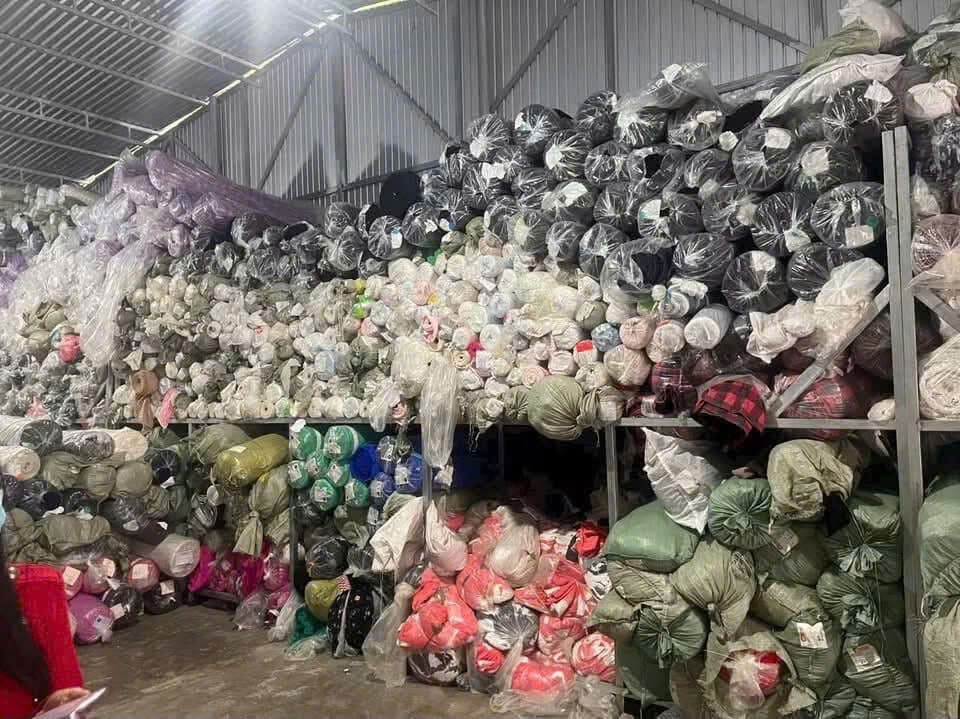
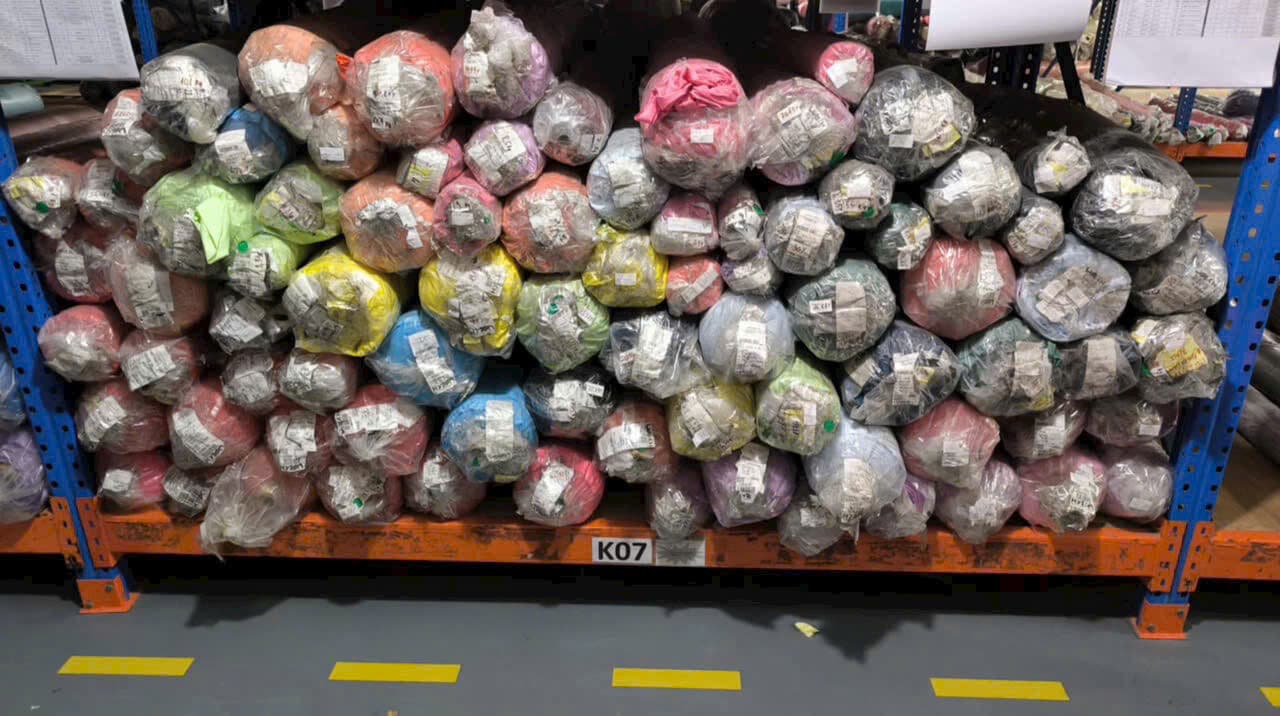
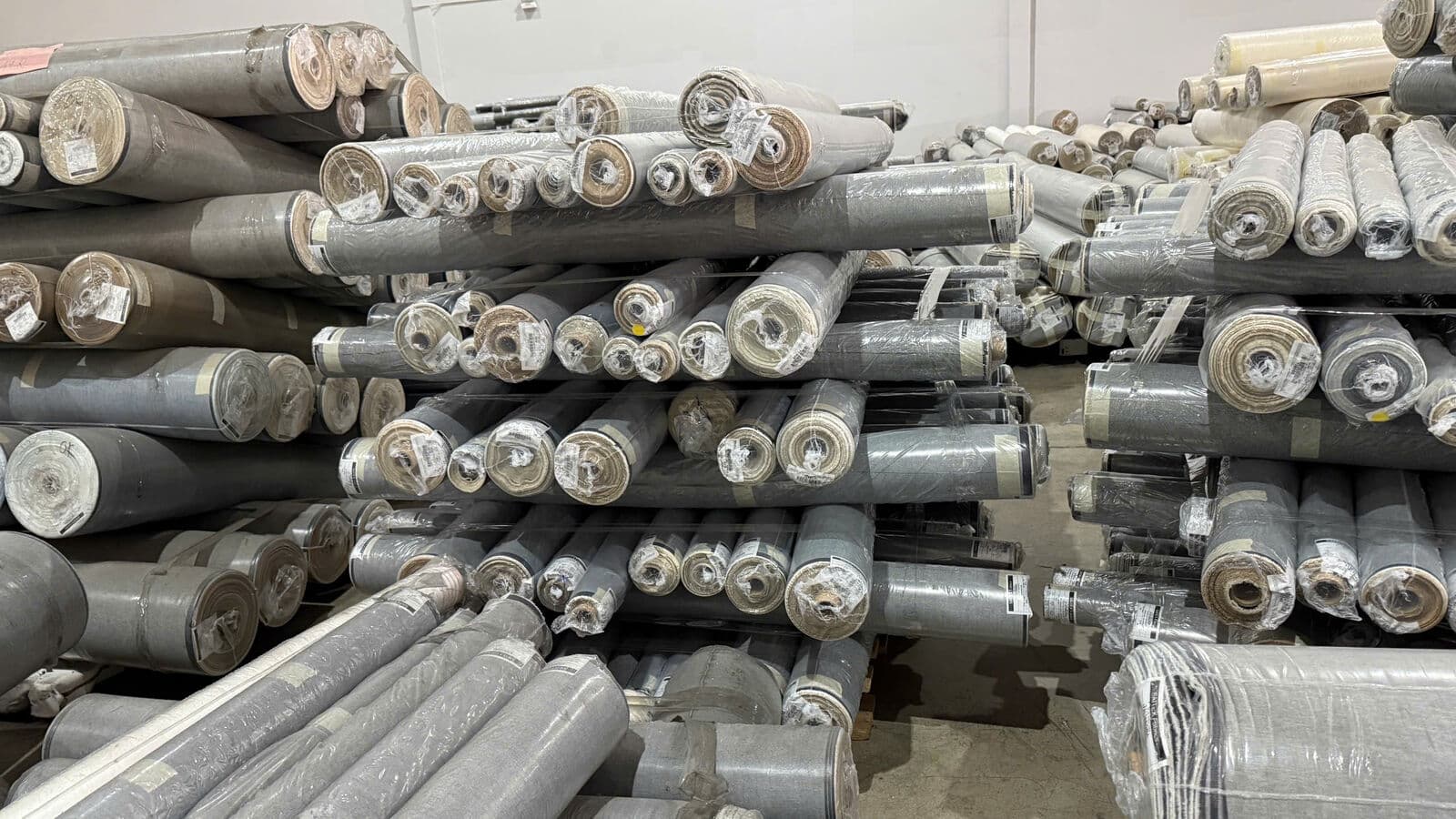
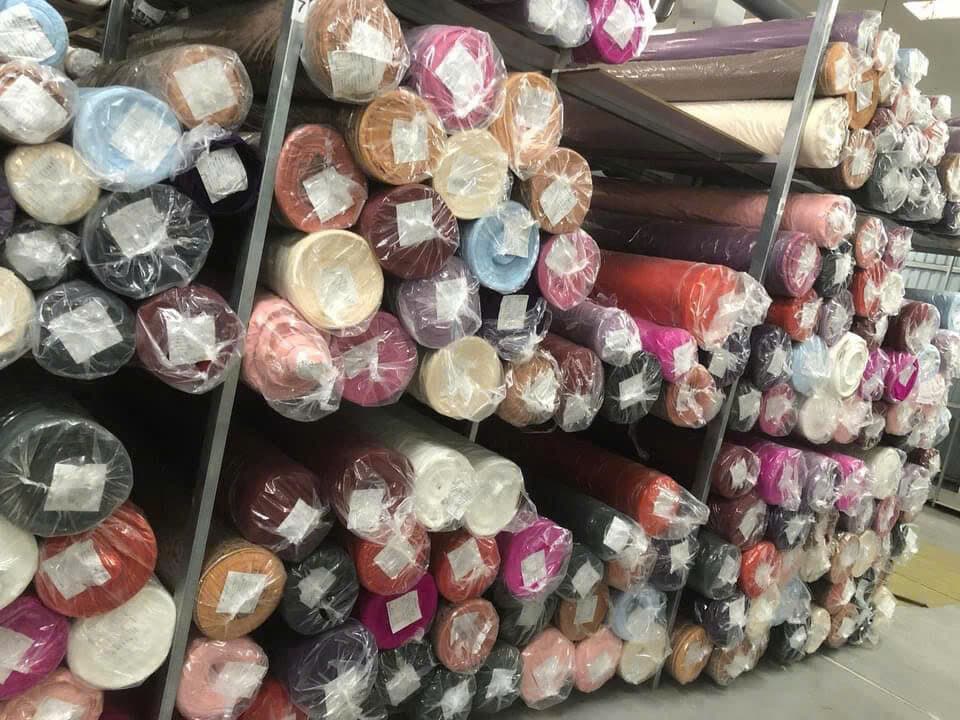
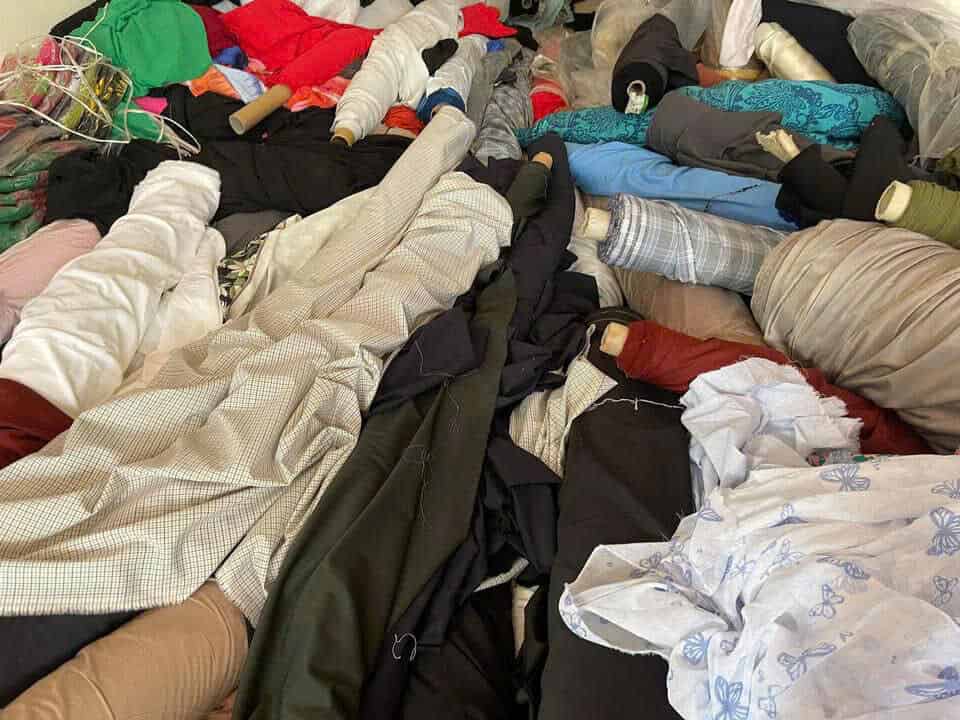
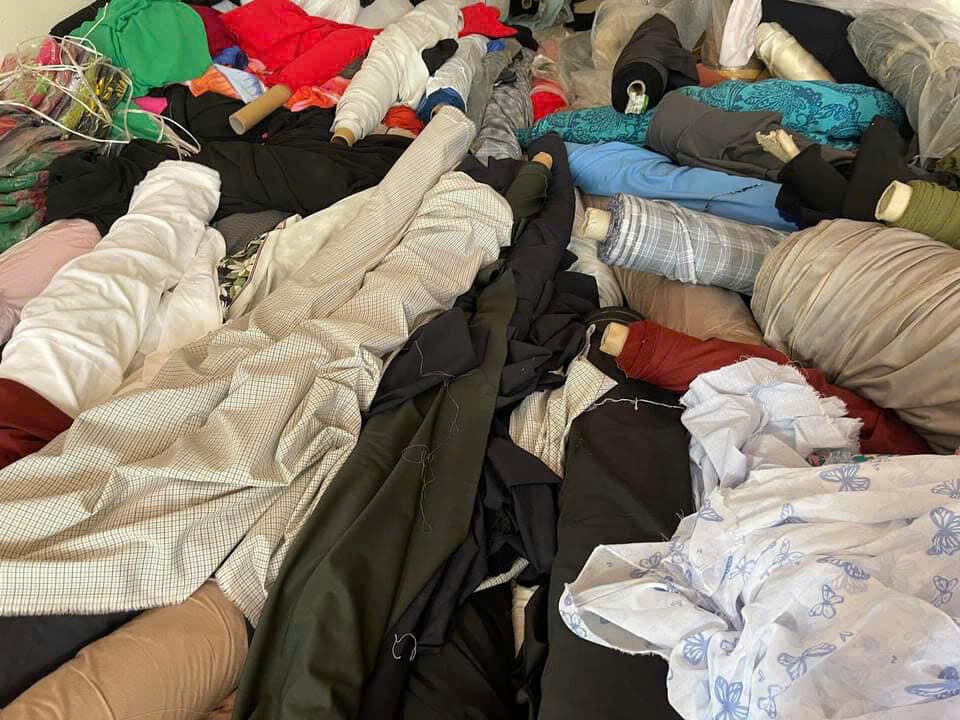
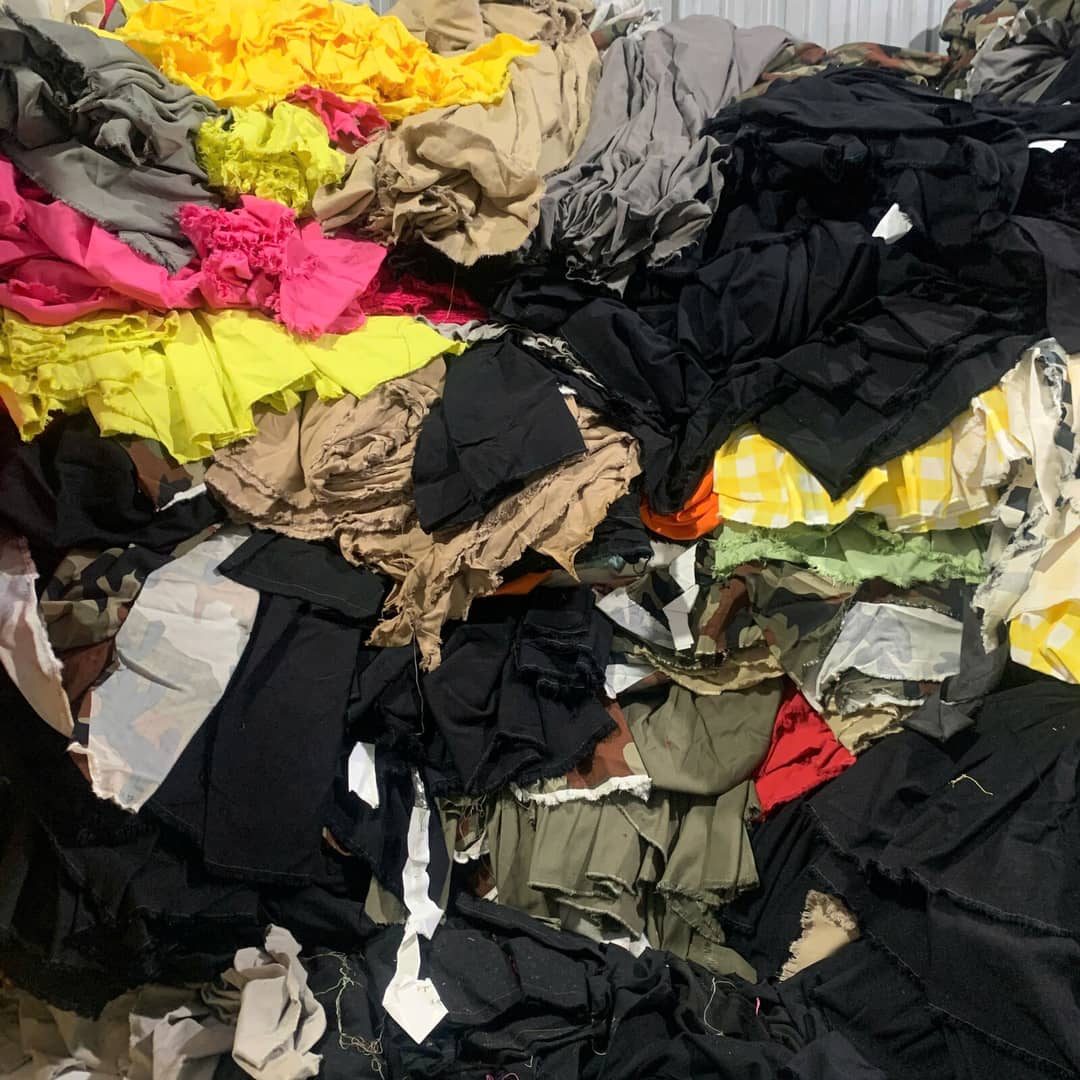
Buying fabric remnants sounds like buying fabric scraps, but to people in the trade they are two different products. A remnant is a length of fabric at its full width, from around half a metre to a few metres long, enough to make one or two small items. Short lengths are the "awkward" ends of rolls: not enough to lay out a full cutting layer, but still usable fabric. Scraps, on the other hand, are trimmings and small pieces from the cutting table, usually only good for recycling. If that is what you have, our fabric scraps buying page is a better fit.
Because they keep the full width, remnants have real use value: resellers can make children's clothes, tote bags, pillows, face masks and accessories, or sell them on to dressmakers. So remnants are worth clearly more than scraps, and separating them from your scrap bags is a very simple way to earn more.
Where fabric remnants come from
Almost anywhere that works with fabric builds up remnants over time:
- Garment factories: roll ends after each style, fabric returned from the sewing line, excess from a generous consumption allowance.
- Fabric shops and market stalls: roll ends that did not sell at retail, pieces cut for customers who never collected them.
- Tailors and ao dai makers: leftover fabric from customers, fabric bought in but not yet used for an order.
- Sample and design rooms: retained sample fabric, swatches and trial fabric from each season.
Retained sample fabric is a special case
Garment companies and fashion brands usually keep sample fabric from each order for a period for reference. When the retention period ends, this fabric becomes surplus: a few metres of each type, many different types, and often good fabrics such as silk, rayon and linen. For lots with a lot of premium fabric, see also our rayon and silk buying page.
How Gia Bao prices a lot of fabric remnants
A lot of remnants is rarely uniform, so we do not quote one price for the whole pile; we split it into groups first and then price them. What we look at:
- Length of each piece: pieces of two or three metres or more are close to roll fabric and fetch far more than pieces under a metre.
- Material: silk, linen, premium cotton and knit fabric with good stretch resell more easily than thin polyester.
- Condition: no holes, no chalk marks, no stains, straight edges.
- Share of good pieces in the lot: a lot with many large pieces in usable colours lifts the price of the whole lot.
- Pricing method: small mixed lots are usually weighed by the kilo; groups of long pieces in good fabric can be priced separately by the metre or by the piece.
The method is agreed by both sides before weighing. You always know how you are selling and why the figure comes out as it does.
Selling fabric remnants to Gia Bao in three steps
- Take photos and send them on Zalo 0904 623 046: lay out a few typical pieces on a table and photograph the fabric clearly, plus one overview showing the quantity. You can message us in English and we will reply.
- Get an indicative price and book an inspection: for small lots in the inner city we can often come the same day.
- Sort, weigh and pay: on site we separate long and short pieces, weigh each group and pay before loading.
Tips to get a higher price for odd pieces and remnants
Remnants are a product where a little tidying can make a noticeable difference to the price:
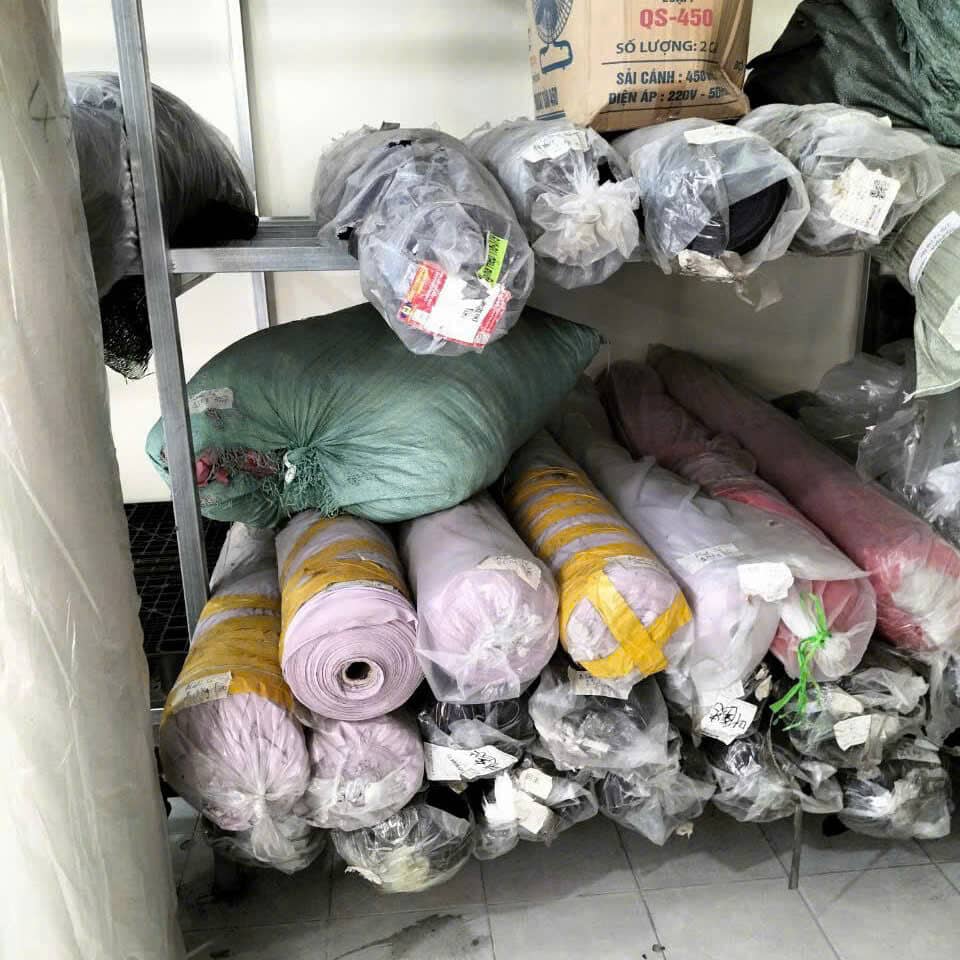
- Fold instead of bundling: flat-folded pieces protect the fabric face, and the buyer sees the material and colour at once. Balled-up pieces are easily valued as scraps.
- Sort by length: one box for pieces over two metres, one for pieces under two metres. This makes the quote more accurate.
- Keep tags or notes on the material: for sample fabric, a slip of paper stating the composition is very valuable information.
- Remove damaged pieces: holed, mouldy or oil-stained pieces should be kept apart so they do not drag down the whole lot.
- Sell while the fabric is fresh: remnants left in closed boxes for years tend to yellow along the folds.
Where Gia Bao collects fabric remnants
We work from our base at 69C Đỗ Đức Dục, Phú Thọ Hòa Ward, Ho Chi Minh City, very close to the Tan Binh fabric market and the streets full of tailors and fabric shops in Tan Phu, Tan Binh, District 5 and District 11. We still visit factories in Binh Duong, Dong Nai and Long An with sizeable quantities of remnants; for small lots further away, you can combine them with surplus fabric rolls so one trip covers everything.
Have boxes of remnants, short lengths or sample fabric sitting idle? Message Mr. Tuan Tai on Zalo, and Gia Bao will buy your fabric remnants quickly and pay on the spot.