How surplus fabric builds up at large garment factories
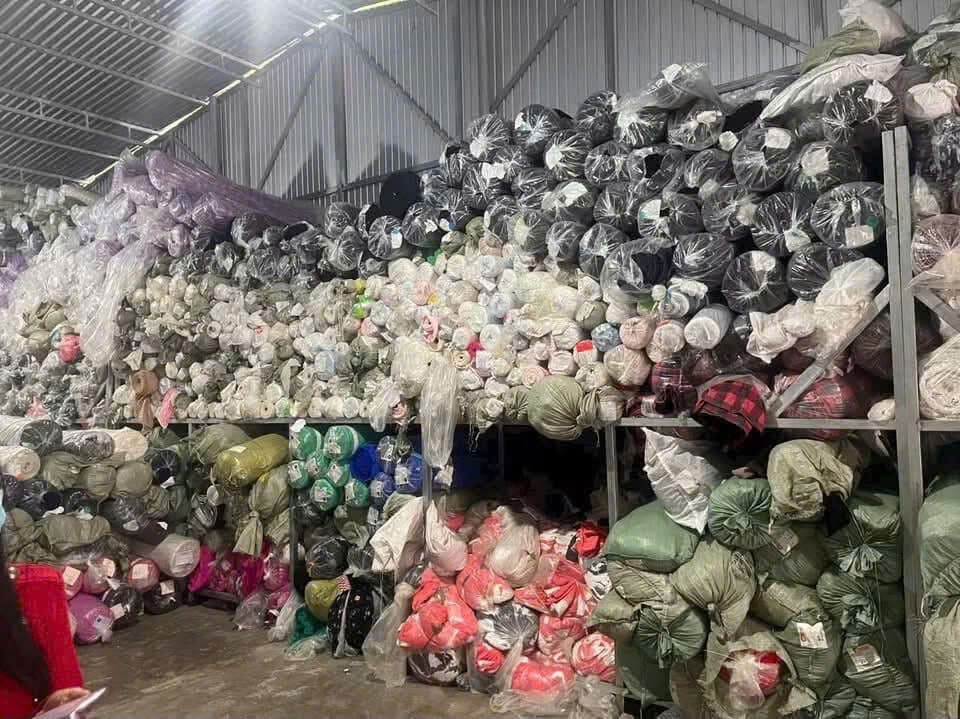
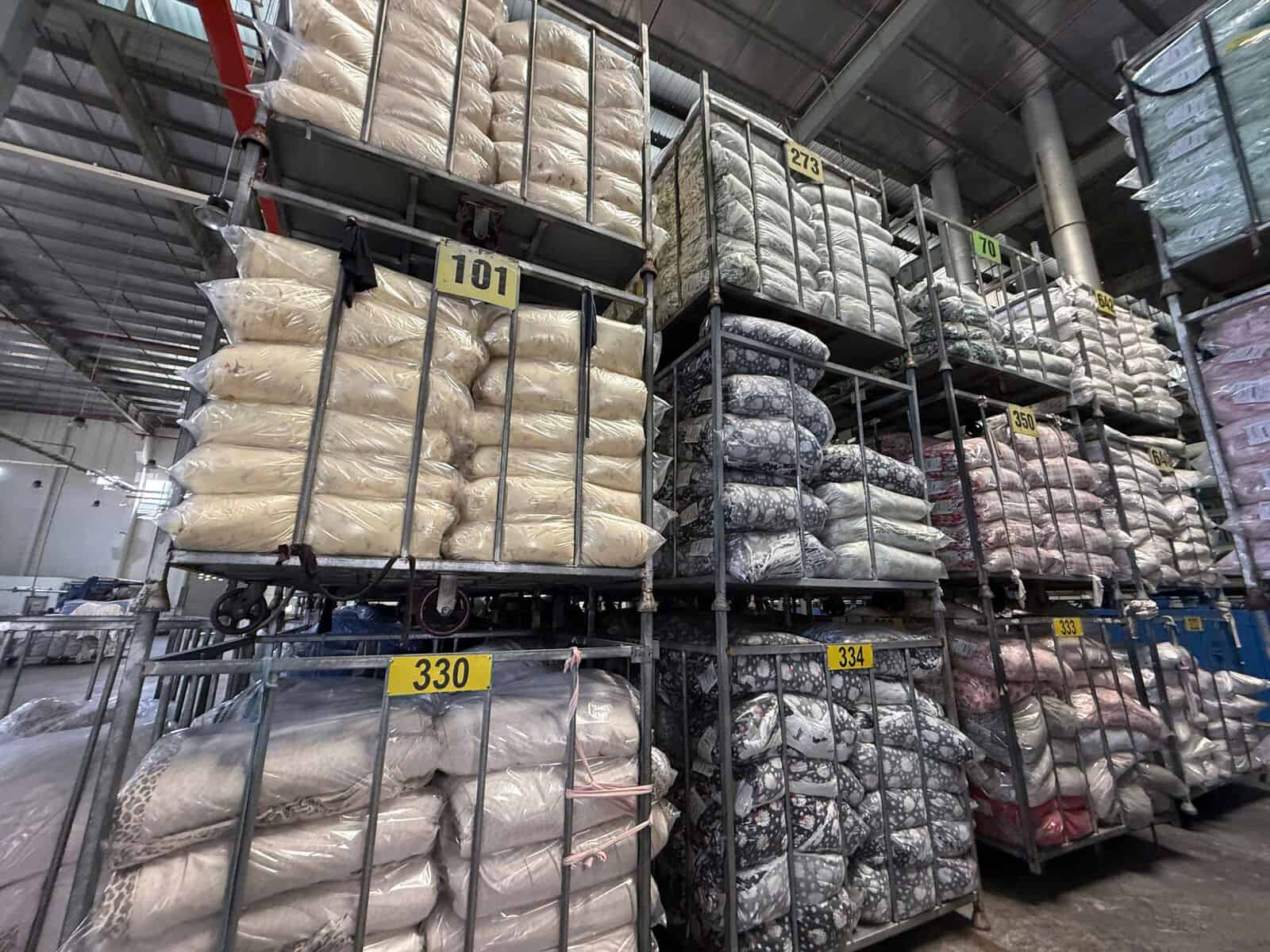
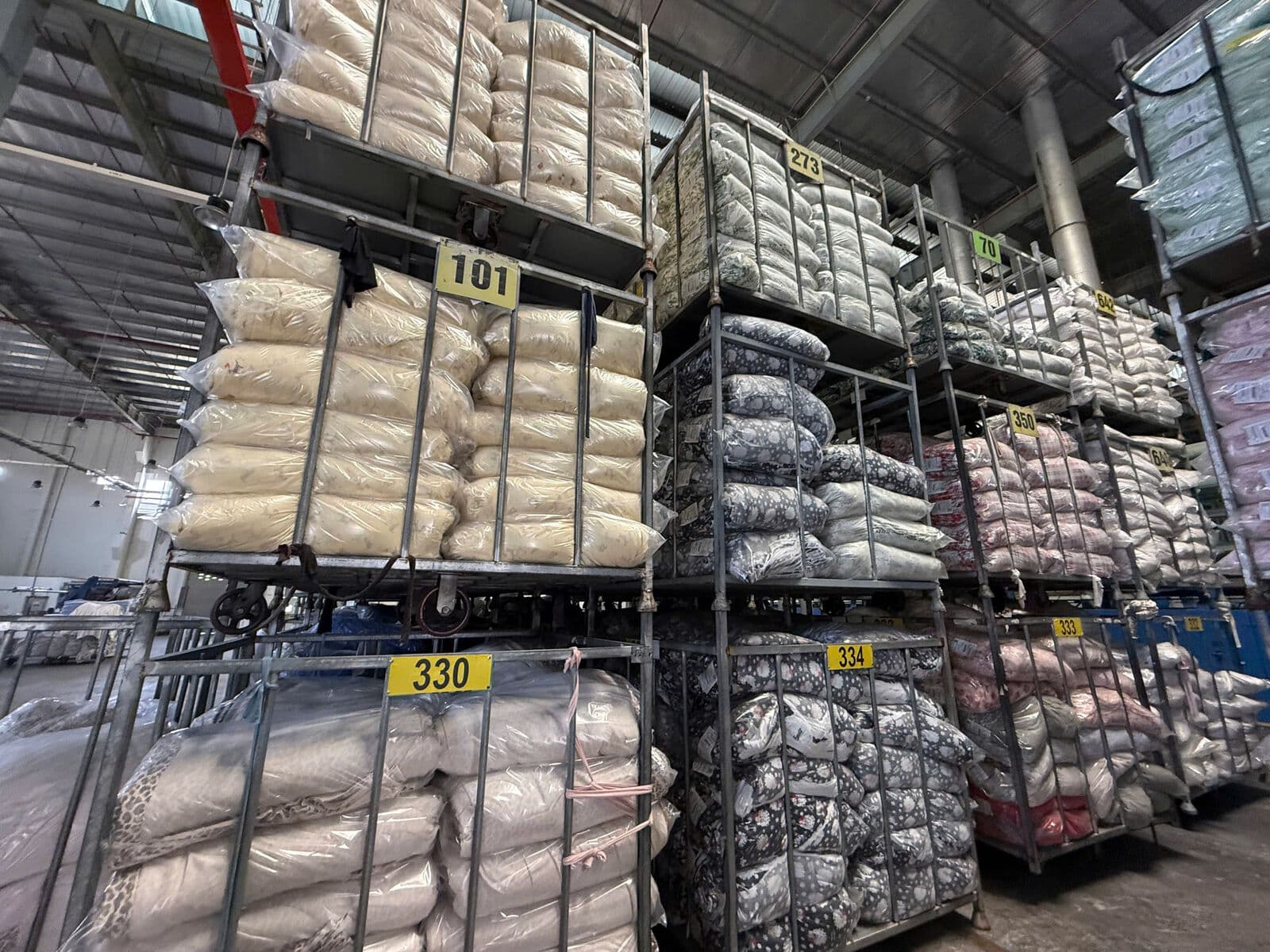
Buying garment factory surplus fabric at company scale is a very different job from buying a few dozen rolls from a small workshop. At export contract factories, fabric is often supplied by the overseas buyer or sourced from a mill the buyer nominates, and the consumption allowance is always set with an extra margin to cover wastage, cutting errors and re-sewing. When the order ends, this excess stays in the factory's warehouse. Over many seasons it adds up to dozens or hundreds of fabric bales.
On top of that there is fabric from cancelled orders, fabric that arrived too late for production, and fabric left over after a buyer changed the design. These lots are usually large, in one material and one colour, and still in their original bales, so they are easy to find a market for if handled at the right time.
Why sell to a direct buyer
With large lots, the gap between the price you receive and the market price depends heavily on how many people stand in between. Every layer of brokers needs its own margin, and that margin comes straight off the purchase price. Gia Bao works directly: the person who surveys, the person who agrees the price and the person who pays are the same party. This brings three benefits:
- A closer price, because no brokerage fee gets in the way.
- Clear information: you know exactly who is buying, where the goods go and when you are paid.
- Fast decisions: no waiting for a middleman to ask around for prices and come back.
The kinds of company fabric stock Gia Bao buys
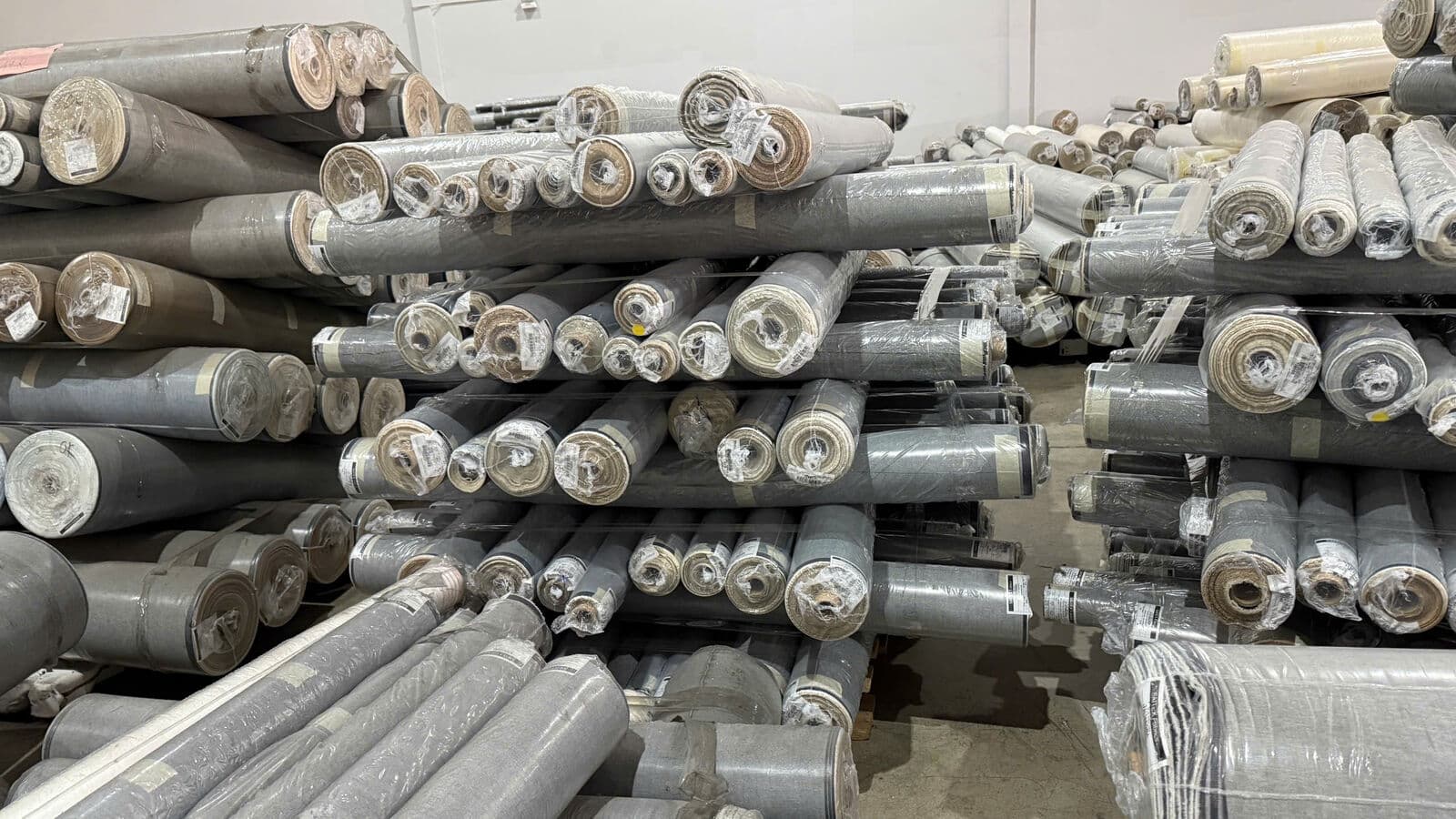
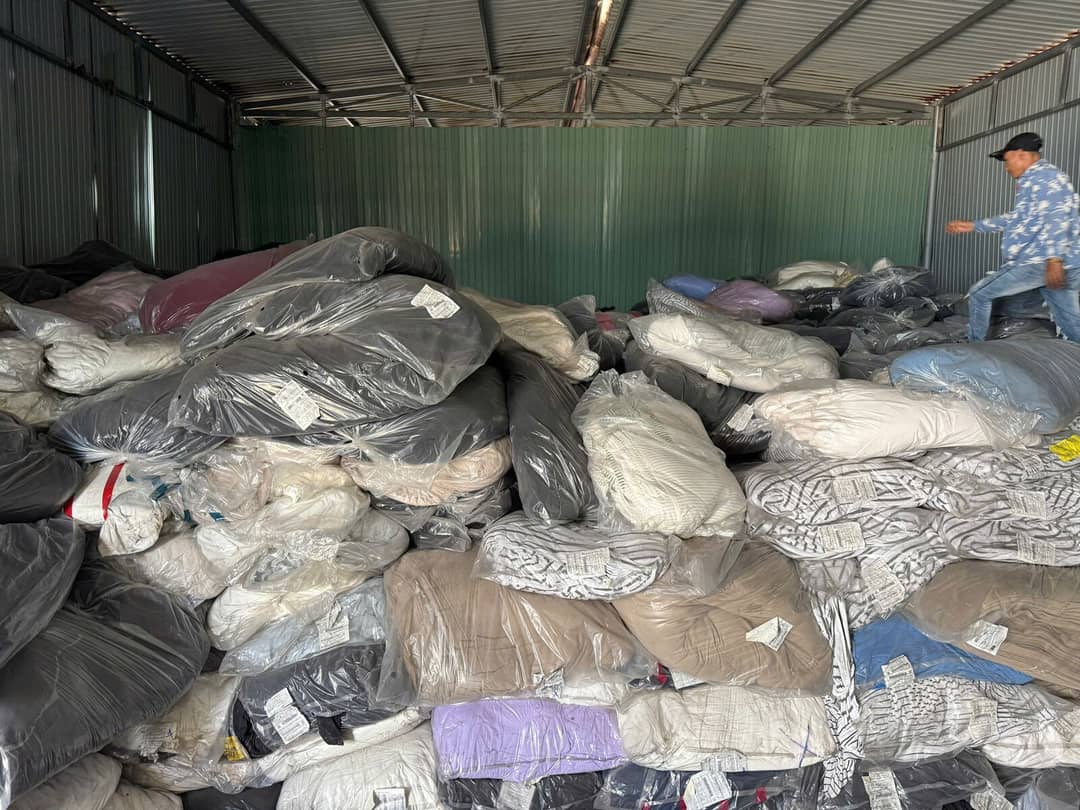
- Fabric left over from export contract orders: woven, knitted and technical fabrics.
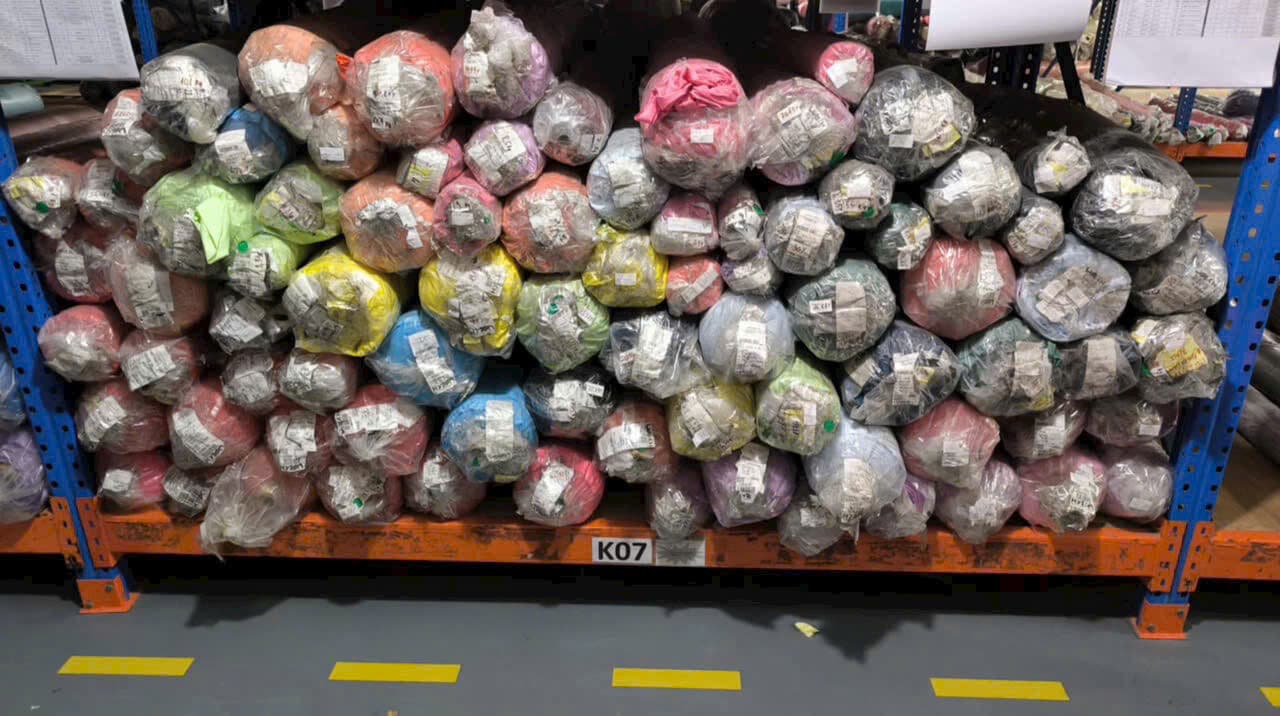
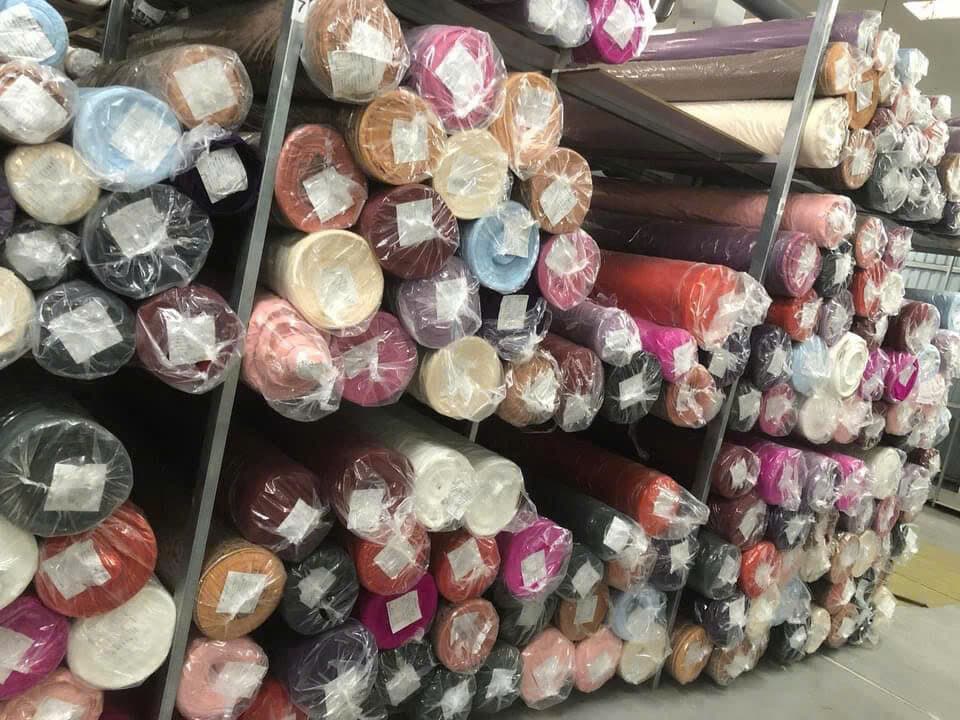
- Fabric from cancelled or late orders, still in original bales with the mill's tags.
- Greige fabric held by weaving companies and finished fabric held by dyeing and finishing companies.
- Fabric that has sat in a company warehouse for years and must be cleared before a stock count.
- Everything that comes with it: remnants, scraps and surplus trims. If your company needs the whole warehouse cleared, see also our fabric stock clearance page.
How we price large volumes of excess fabric
Assessment by item code
Large lots usually contain many fabric codes. We work from the company's stock list (if there is one) and check each code against the goods: material, width, weight, colour and number of bales. Codes with large quantities and popular colours get good prices.
Random sampling
Thousands of rolls cannot all be opened, so both sides agree on a sampling method: a number of bales in each code are opened at random to check the fabric face, moisture and faults. The sample results form the basis for the price of the whole code.
Transport costs and timing
Warehouses in industrial zones with container access and forklifts keep loading costs low, so the purchase price is higher. A loading schedule spread over several stages is also factored into the plan.
How we work with companies
- Receiving information: the company sends its stock list or warehouse photos via Zalo 0904 623 046, or through our contact page. You can write to us in English and we will reply.
- Warehouse survey: Gia Bao sends someone to inspect, take samples and measure together with the company's representative.
- Written quotation: priced by code or as a whole lot, with a proposed loading schedule.
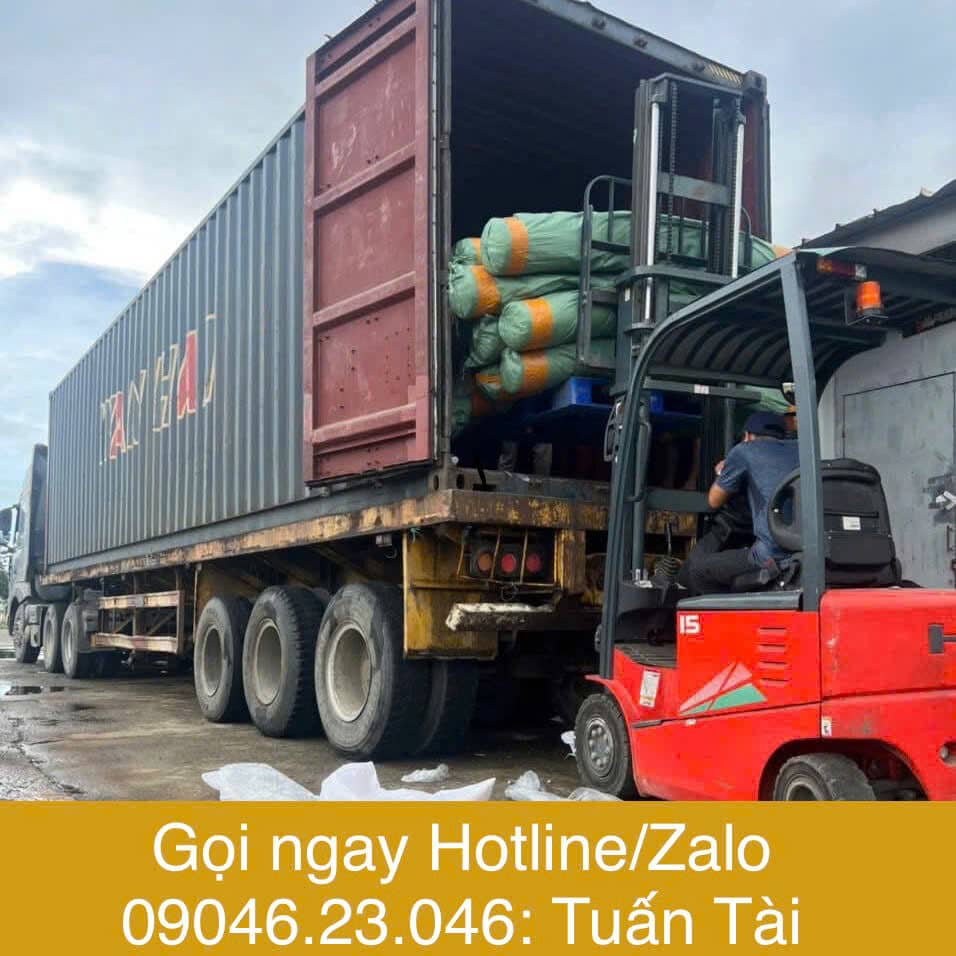
- Loading and payment in stages: each stage is weighed and recorded, confirmed by both sides, and paid before the truck leaves the warehouse.
Advice for the warehouse team when preparing to sell
- Keep bale tags and packing lists: they are the strongest proof of quality and help settle the price quickly.
- Group by code: when bales of the same code are stacked together, sampling and counting go many times faster.
- Flag problem goods clearly: damp or faulty bales should be marked separately so they do not drag down the price of good codes.
- Sell before the stock count: clearing surplus before closing the books keeps the warehouse tidy and the inventory figures cleaner.
Coverage for bulk fabric buying
Gia Bao is based at 69C Đỗ Đức Dục, Phú Thọ Hòa Ward, Ho Chi Minh City. We visit industrial zones with many garment factories, such as Tan Tao, Vinh Loc and Tan Binh in HCMC; VSIP, My Phuoc and Song Than in Binh Duong (now part of HCMC); Bien Hoa, Nhon Trach and Amata in Dong Nai; and Duc Hoa in Long An. Companies in central or northern Vietnam with large enough lots, please see our nationwide surplus fabric buying page.
Does your company have surplus fabric to dispose of? Contact Mr. Tuan Tai and Gia Bao will buy your surplus fabric directly, with no middlemen.