What surplus fabric rolls are and why every warehouse has them
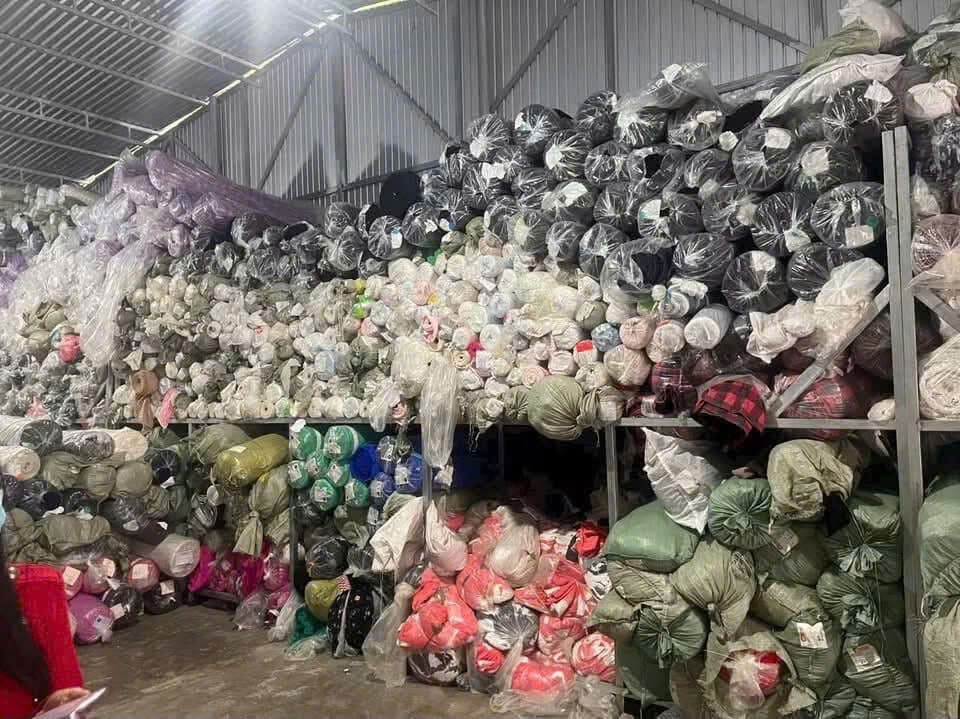
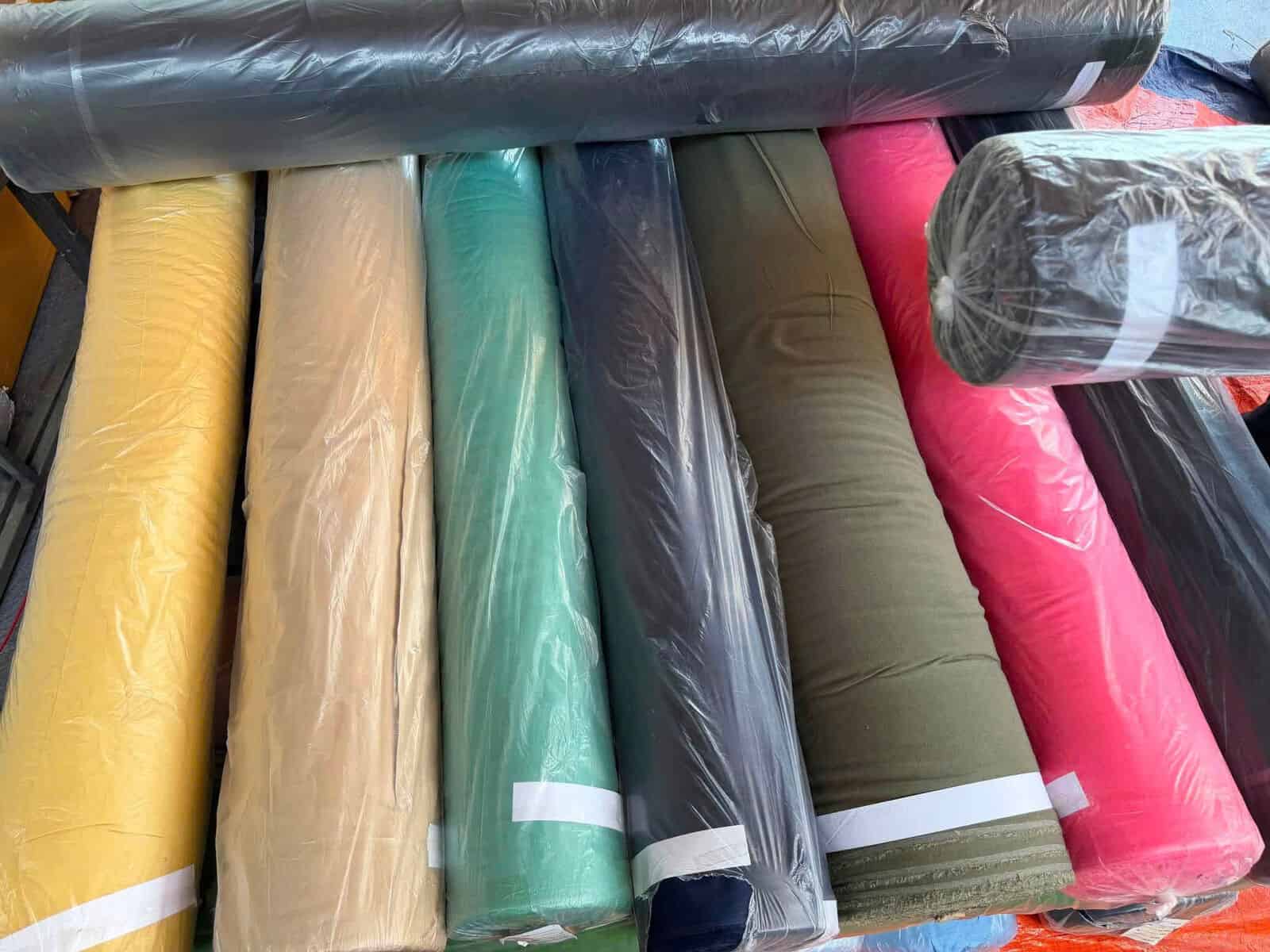
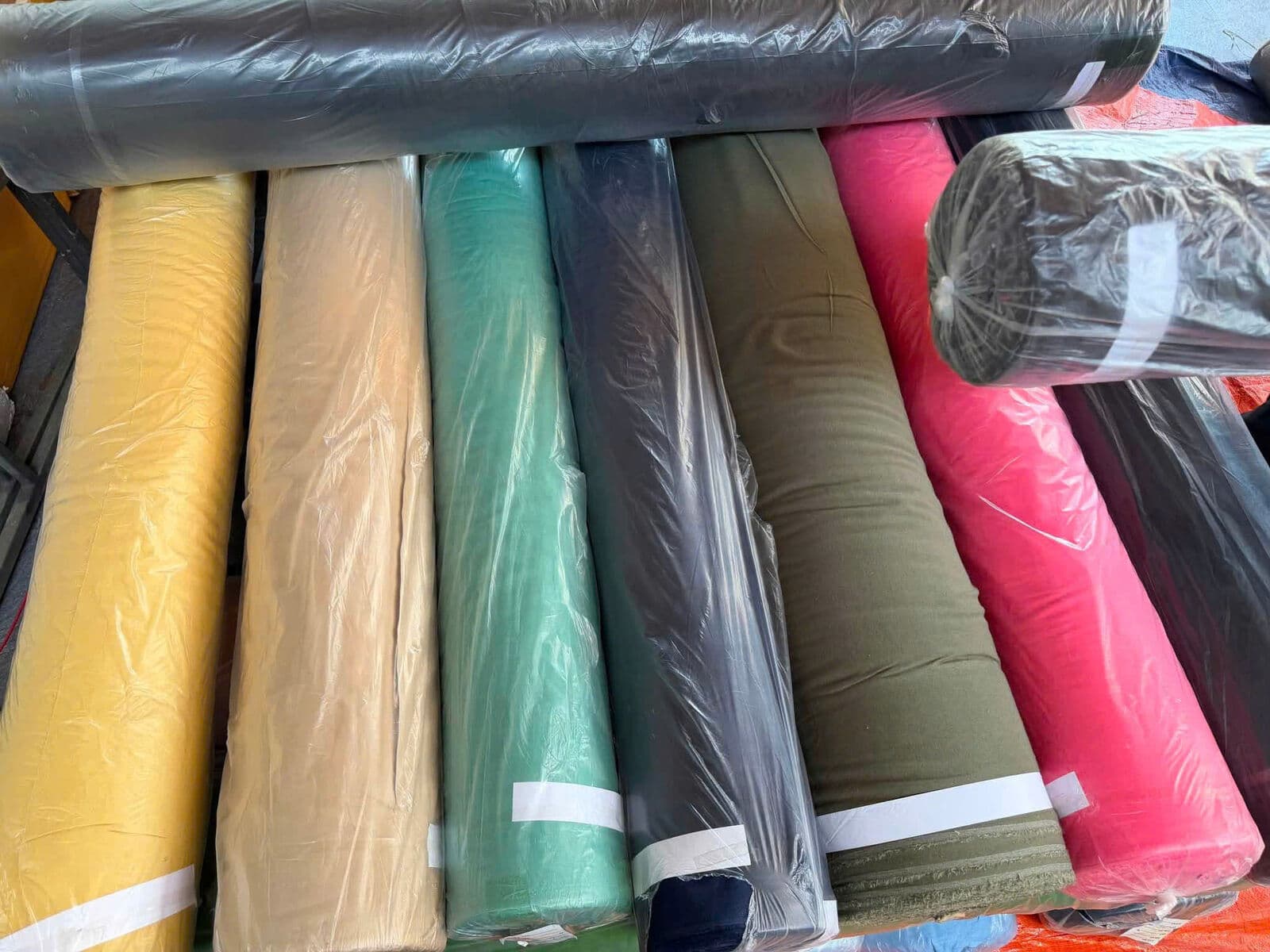
Buying surplus fabric rolls is Gia Bao's core business. A fabric roll (or bolt) is fabric still wound on its paper or plastic core, exactly as it left the mill. In a garment factory, rolls usually end up as surplus for three familiar reasons: over-ordering against the consumption allowance to cover wastage, buyers cancelling or cutting orders after the fabric has arrived, and seasonal style changes that leave old colours unused. After a few orders, a corner of the warehouse fills up with sealed rolls, half-cut rolls and rolls with only a few dozen metres left.
Left too long, these rolls take up space needed for new materials, gather dust, fade on the outer layer and gradually lose value. Selling early while the fabric still looks good always fetches more than selling once it is damp and mouldy. That is why many factory owners call a buyer right after each season instead of waiting until the end of the year.
The kinds of fabric rolls Gia Bao buys
We do not require a uniform lot. A warehouse can mix many materials, widths and colours; sorting is our job. The most common types:
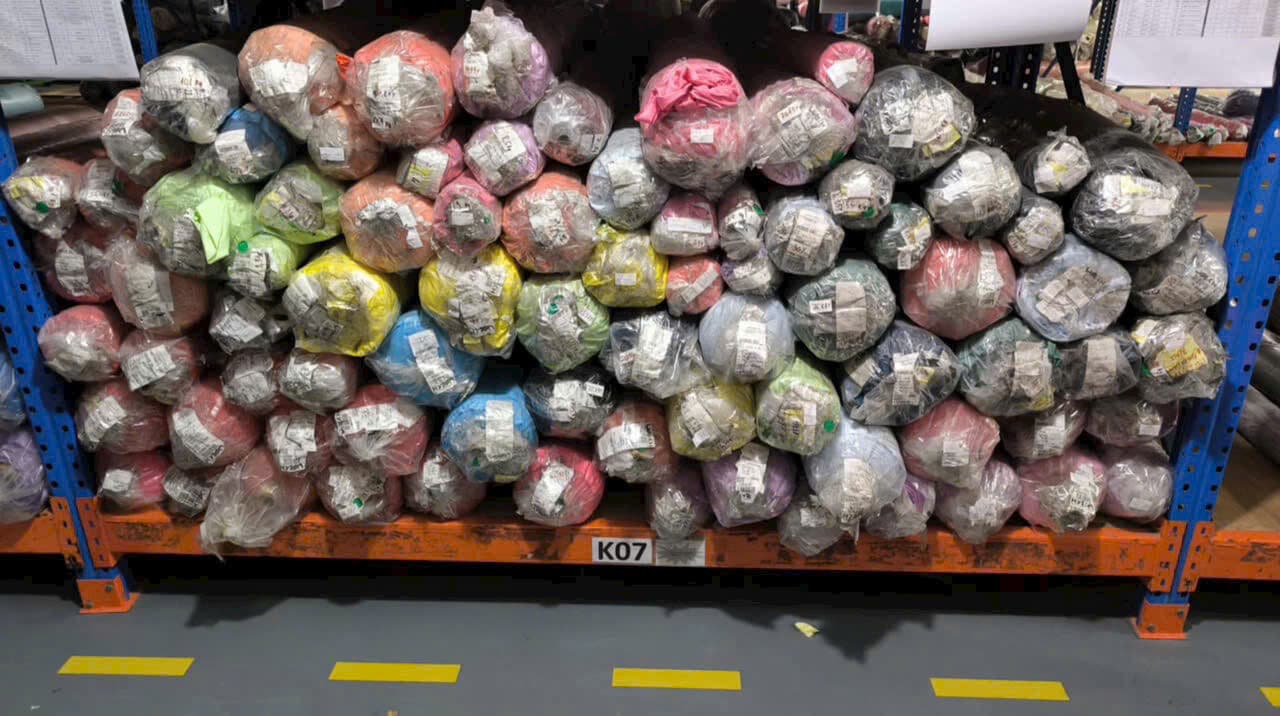
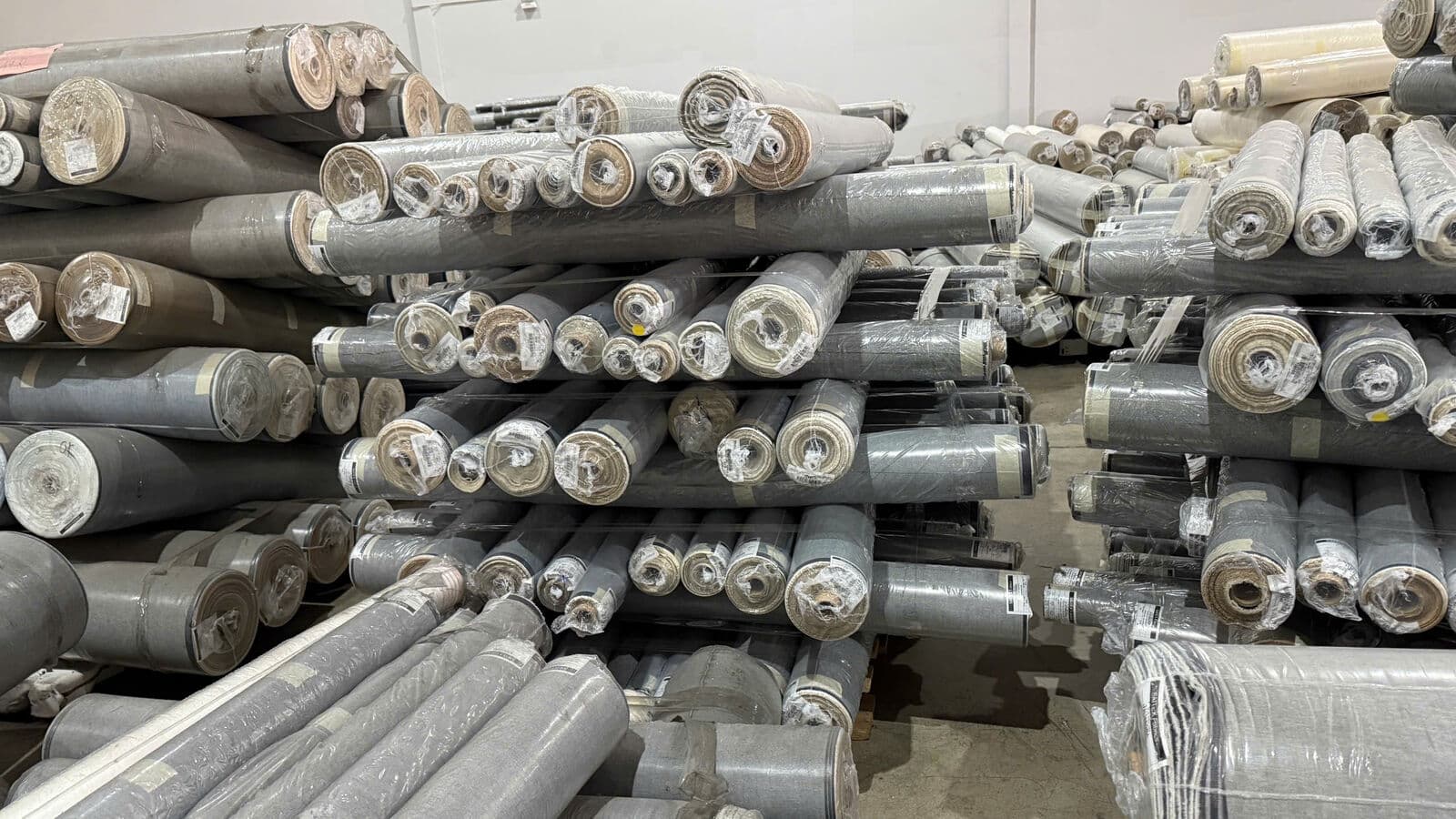
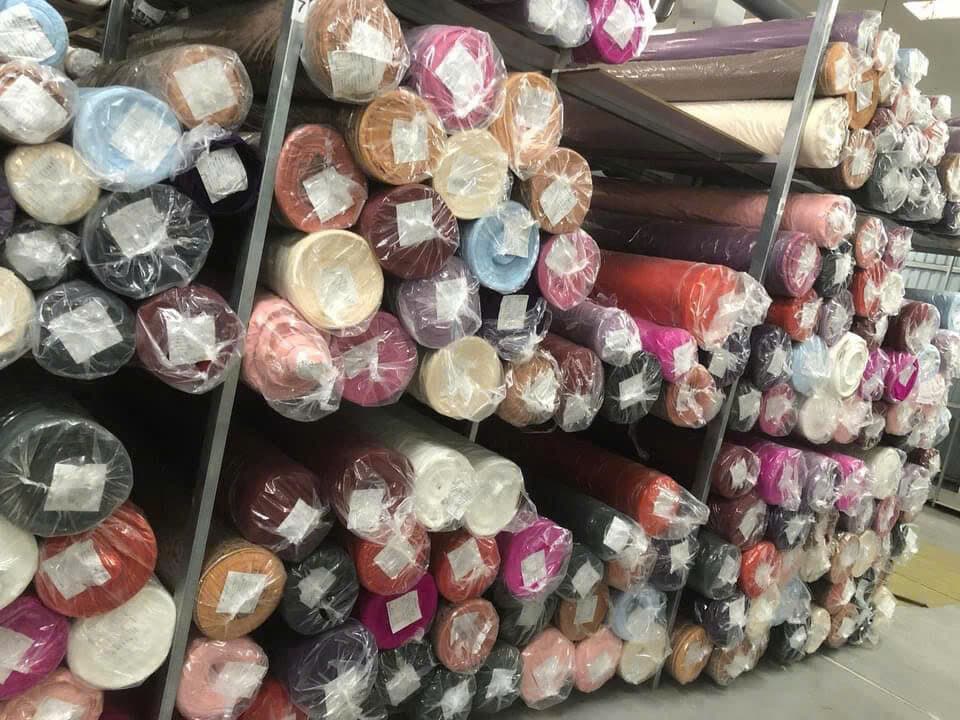
- Full rolls: still wrapped in plastic, still carrying the mill label, never cut. This type fetches the best price.
- Leftover rolls: rolls partly cut after an order, with anywhere from a few dozen to a few hundred metres left.
- Roll ends: the short tail of a roll, usually bundled together. If you have many loose short lengths, see our fabric remnants buying page.
- Greige and dyed fabric: untreated greige fabric, plain solids, prints, checks and stripes.
- All common materials: cotton, kate, knit, khaki, denim, linen, polyester, nylon taffeta, rayon and silk. For heavy fabrics such as khaki and denim, the price is usually by weight.
What the price of surplus fabric rolls depends on
There is no fixed price for leftover rolls, because two warehouses both full of "knit fabric" can still be worth very different amounts. When we quote, we look at the following:
Material and fibre content
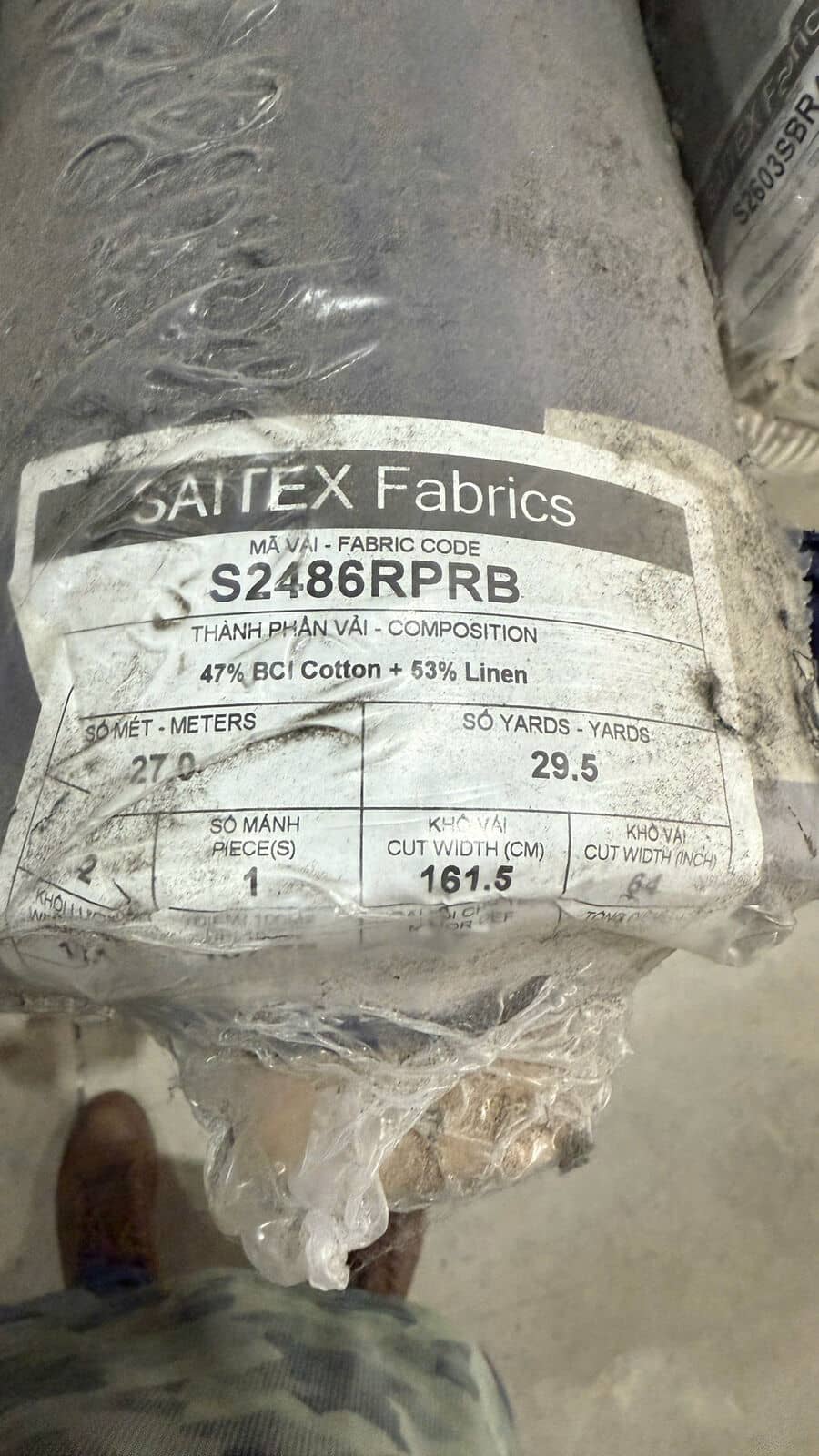
Fabrics with a high share of natural fibre such as cotton, linen and silk usually resell better than thin synthetics. A roll label that states the composition is a big advantage, because the buyer does not have to guess.
Condition of the roll
Rolls that are still sealed, fully wrapped, with a straight core and a fabric face free of stains or mould get the best price. Dented rolls, or rolls with a faded or dusty outer layer, have the damaged part deducted.
Colour, width and versatility
Basic colours such as black, white, navy and beige resell more easily than seasonal colours. Wide fabric that suits many products also prices better than fabric that only fits one item.
Volume and warehouse location
A large lot in one place, with truck access right to the door, keeps loading costs low, and we pass that difference on in the price. More detail on our fabric buying quote page.
How to sell leftover fabric rolls at a good price: photos, inspection, payment
Gia Bao's process fits into four steps, and most lots in Ho Chi Minh City can be closed within one or two days:
- Send photos on Zalo 0904 623 046: an overview of the warehouse, close-ups of the fabric face and labels of a few representative rolls, and an estimated roll count. You can message us in English and we will reply.
- Get an indicative price: we give a price range based on the photos and book a time to visit.
- Inspection and final price at the warehouse: we check the goods, weigh or measure each lot in front of you and agree the final figure.
- Payment and transport: cash or bank transfer straight away, and the Gia Bao crew loads everything onto the truck.
Small tips to get a better price for your rolls
Sellers can raise the value of their own lot without much effort, just by paying attention to a few things before calling a buyer:
- Keep labels and plastic wrap: do not tear off the mill label, it is the roll's "birth certificate".
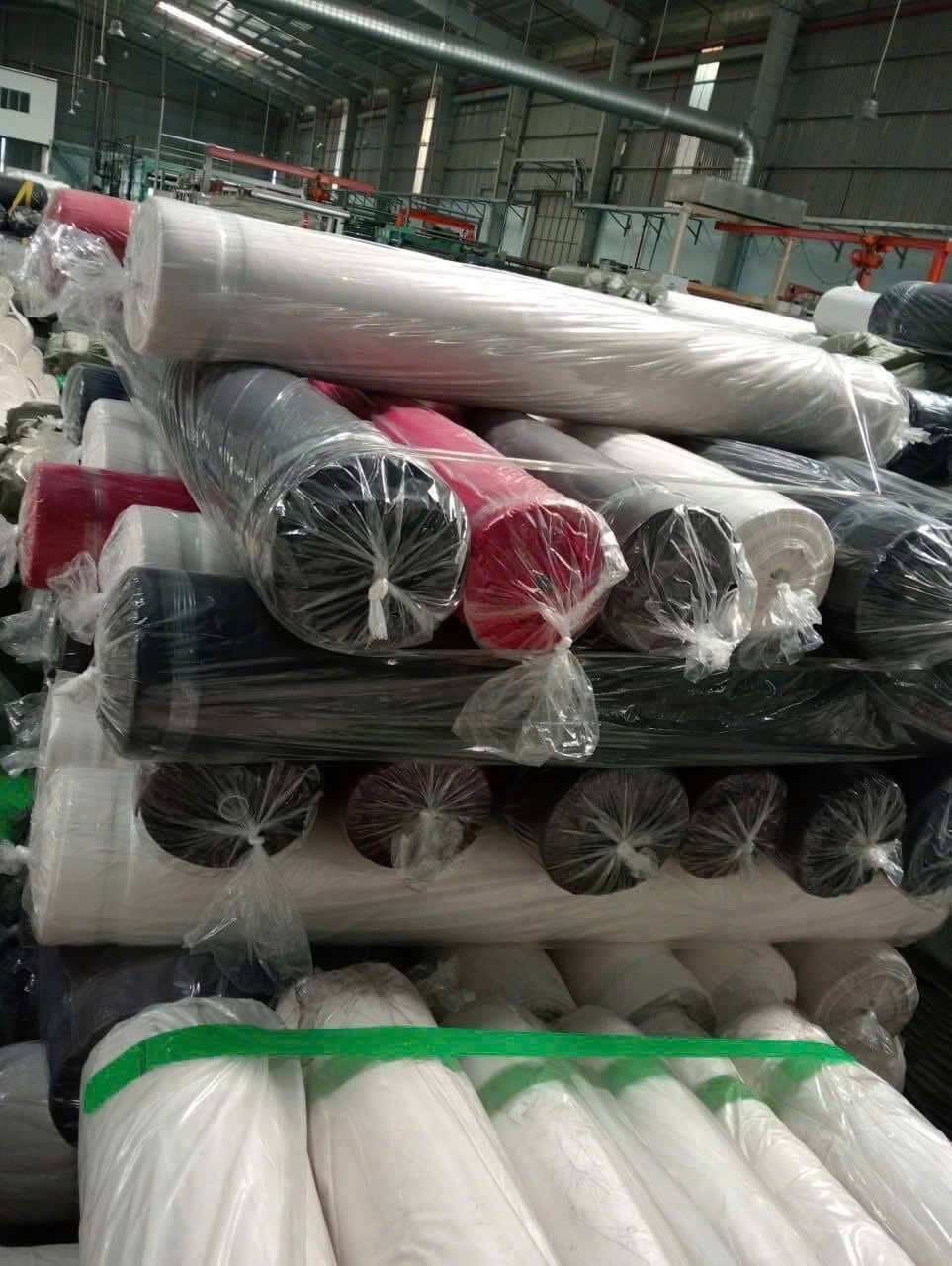
- Separate full rolls from cut rolls: stack them in two areas so the buyer can assess quickly and accurately.
- Keep rolls off the floor: use pallets or racks and keep away from damp walls. Fabric that absorbs moisture over time develops odours and stains.
- Take photos in natural light: when the colours in the photo match reality, the quote on Zalo will be close to the final price.
- Sell at the right time: the longer fabric sits, the more dated its colours become; selling soon after the season usually pays off.
Where Gia Bao collects full fabric rolls
Our base is at 69C Đỗ Đức Dục, Phú Thọ Hòa Ward, Ho Chi Minh City. We visit garment factories in the inner city and industrial zones such as Tan Tao, Vinh Loc and Tan Binh; Song Than, VSIP and My Phuoc in Binh Duong (now part of HCMC); Bien Hoa and Nhon Trach in Dong Nai; and Duc Hoa and Ben Luc in Long An (now part of Tay Ninh). For large lots in more distant provinces, just send photos and we will arrange a dedicated trip.
If your warehouse holds surplus fabric rolls, call or message Mr. Tuan Tai on Zalo, or leave your details on our contact page. The sooner you sell surplus rolls, the sooner your warehouse is free for materials for new orders.