21/10/20262 lượt xem
English below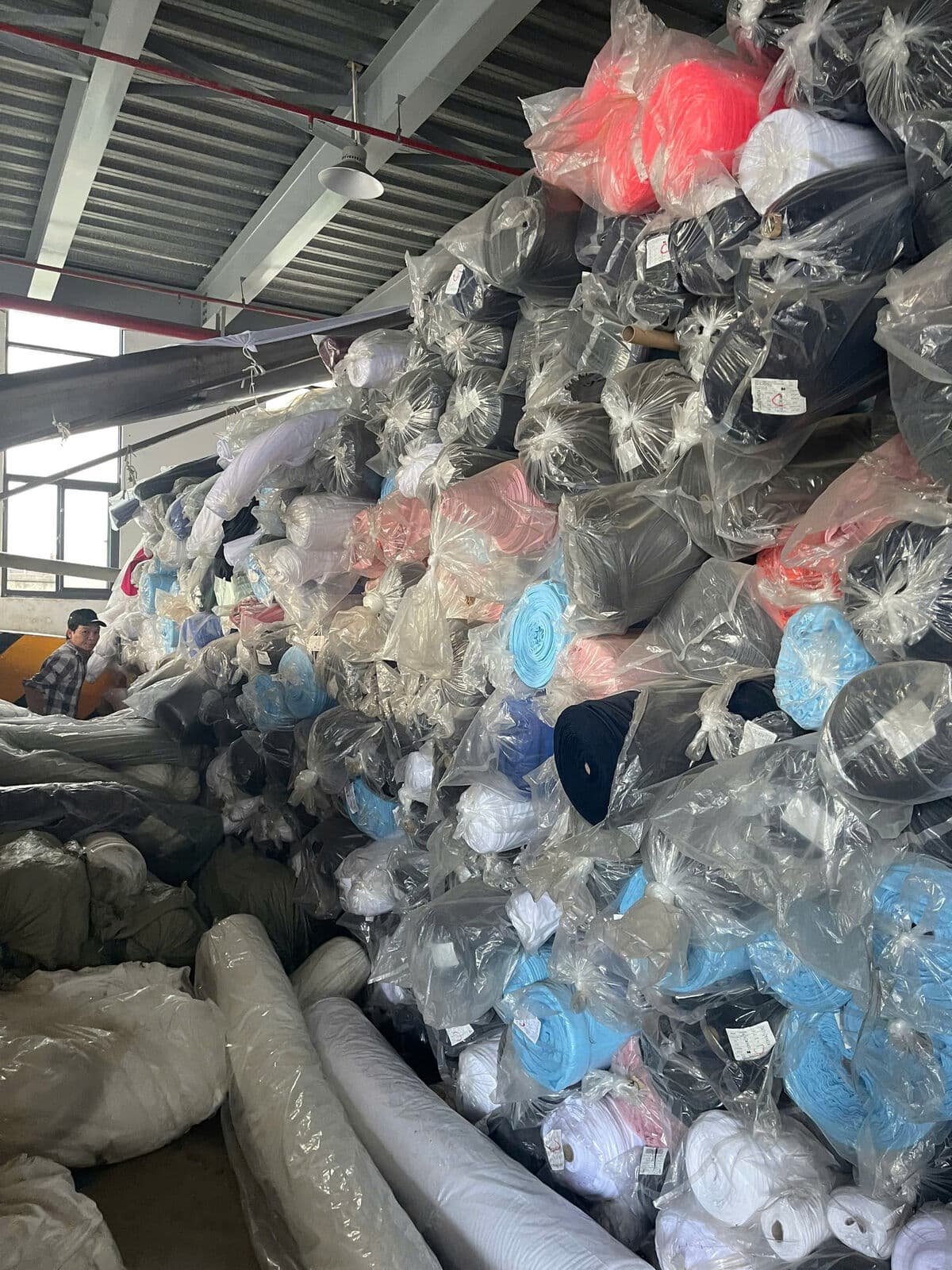
Thu mua vải cũ tồn kho là câu hỏi chúng tôi nhận được rất thường xuyên, và gần như lần nào cũng đi kèm một nỗi lo: "Vải để mấy năm rồi, chắc chẳng ai mua đâu nhỉ?". Thực tế khác khá nhiều. Một lô vải nằm kho lâu năm vẫn có thể bán được, thậm chí bán được giá, nếu sợi vải còn chắc và anh chị biết cách trình bày tình trạng của nó. Bài viết này đi từng bước: vải cũ khác vải hỏng ở đâu, loại nào còn giữ giá, cách tự kiểm tra ngay tại kho, và những việc nên làm trước khi gọi người đến xem hàng.
"Vải cũ tồn kho" là vải như thế nào?
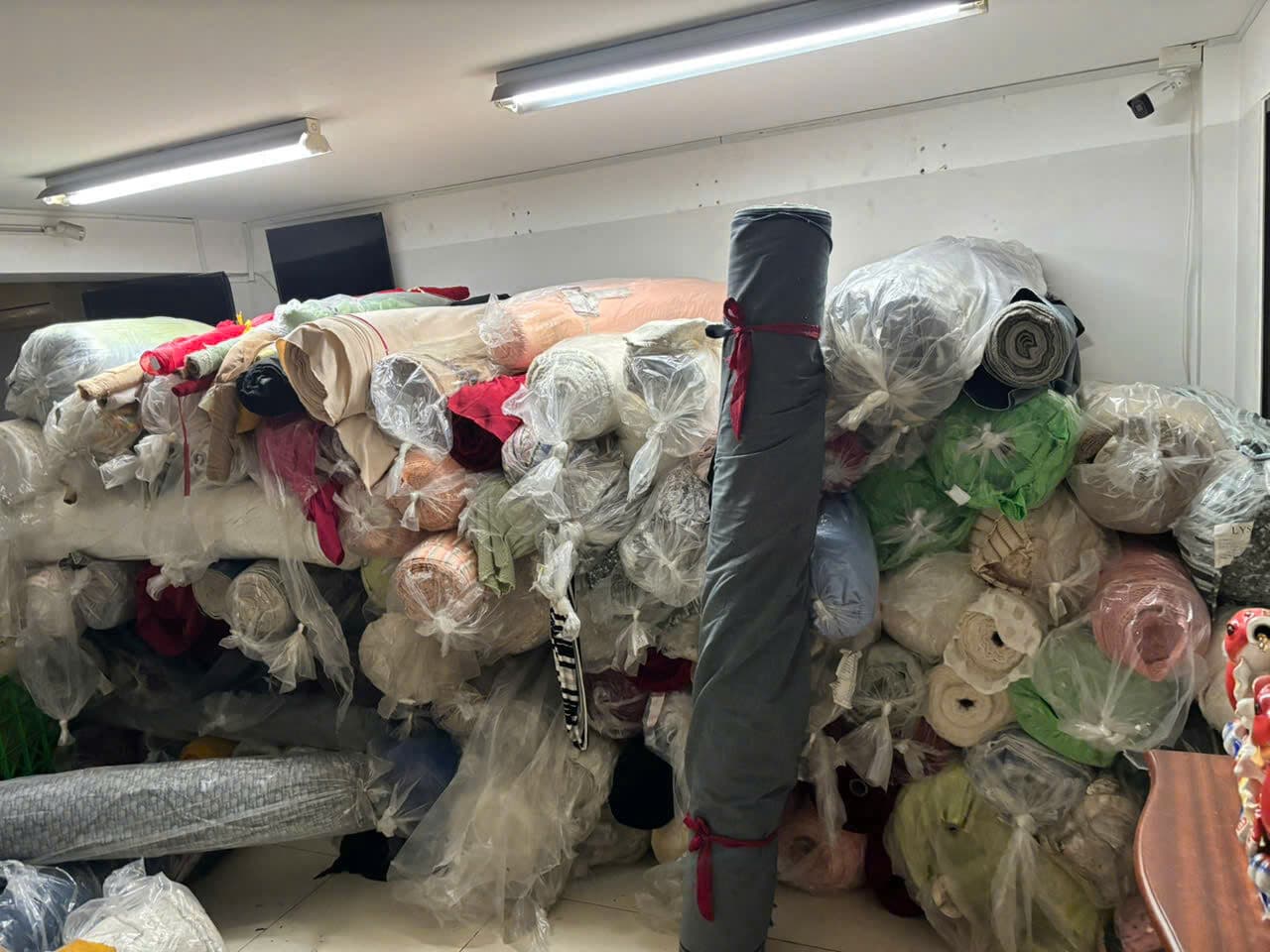
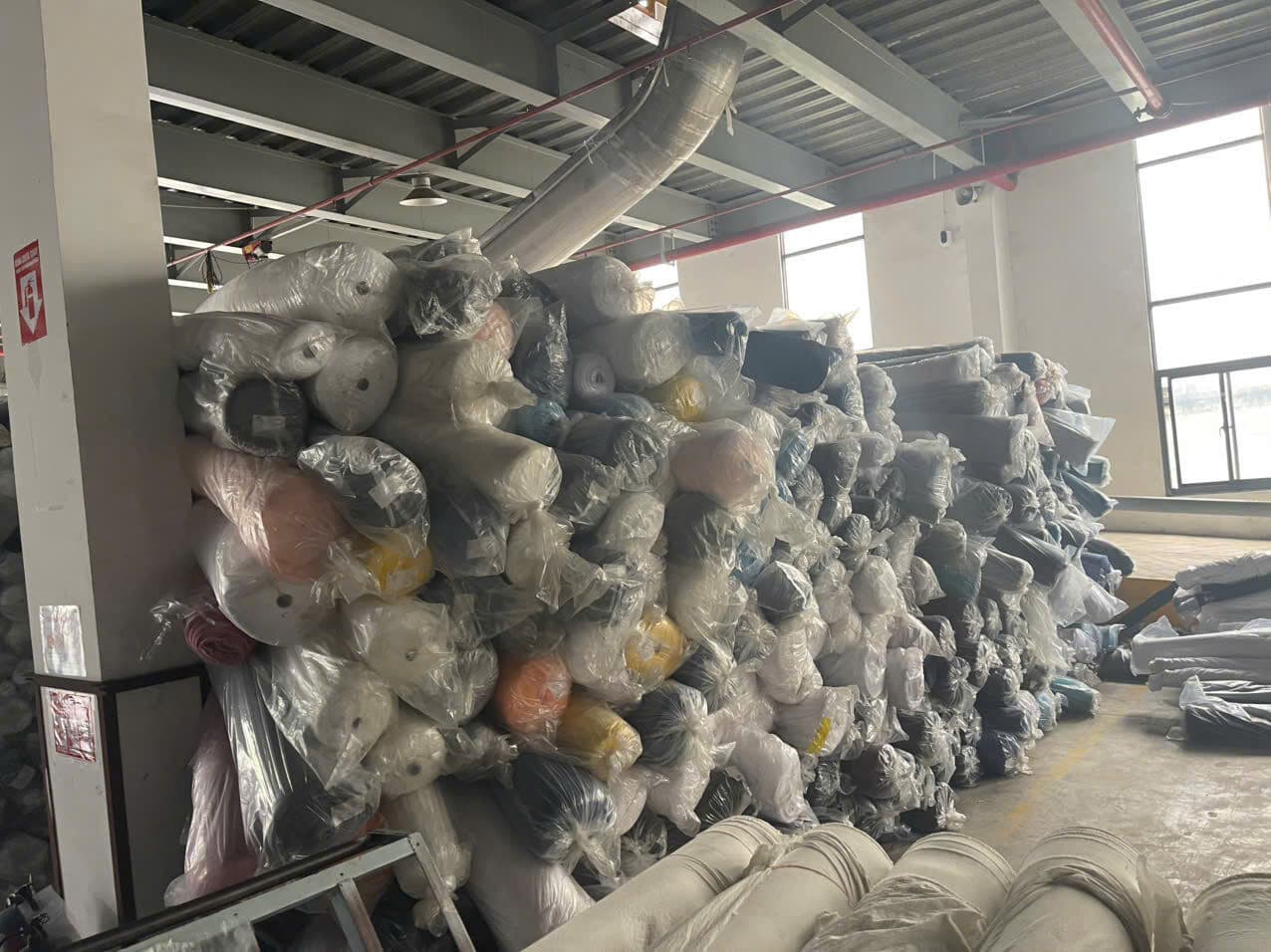
Trong nghề, chữ "cũ" không có nghĩa là vải đã qua sử dụng. Vải cũ tồn kho là vải mới chưa cắt may, nhưng đã nằm trong kho một thời gian dài: có khi là hàng dư của một đơn xuất khẩu từ vài năm trước, có khi là vải nhập về để chạy một mẫu rồi mẫu đó không bán được, cũng có khi là kho của một xưởng đã ngưng hoạt động, người nhà giữ lại mà không biết xử lý thế nào.
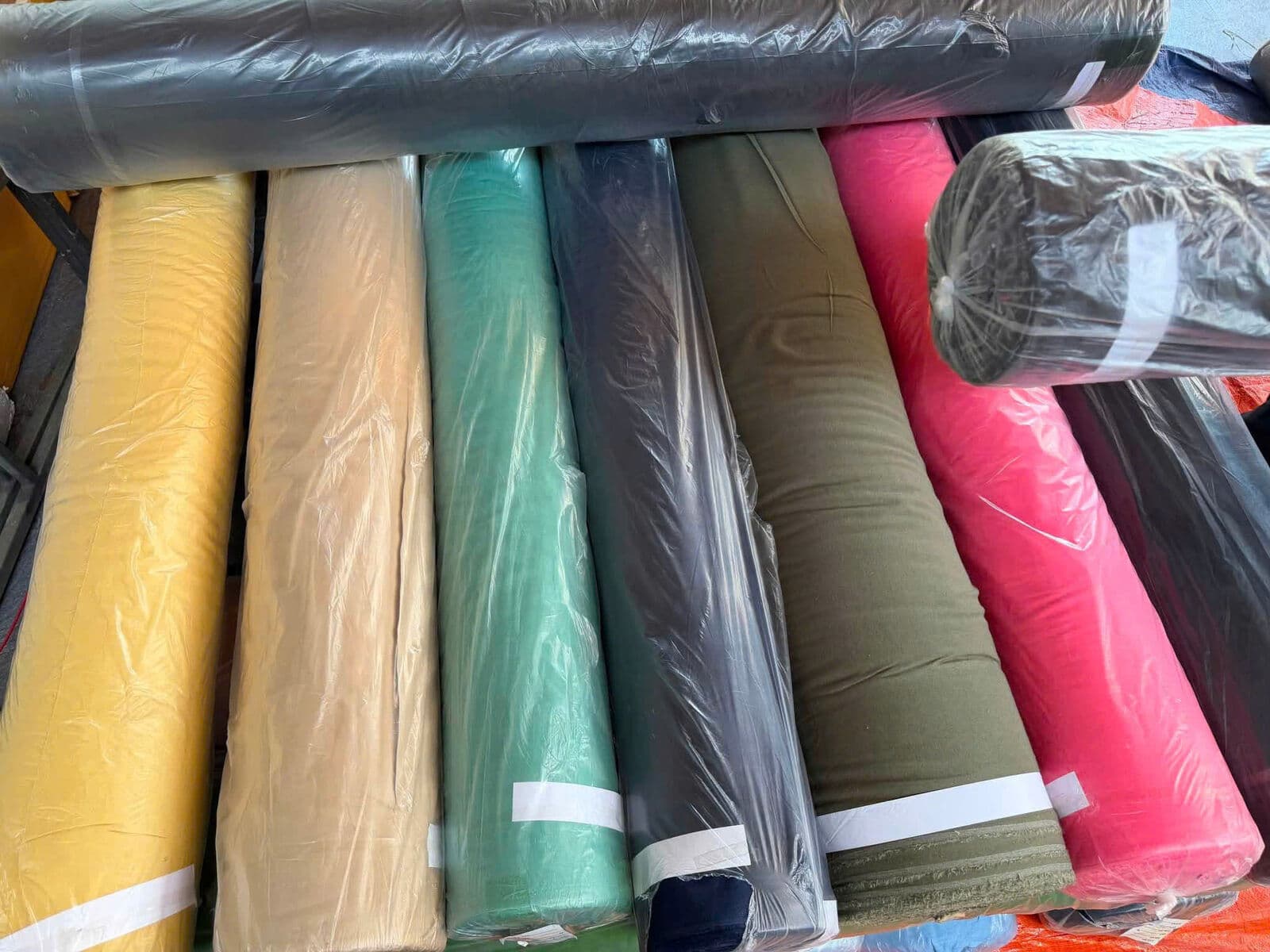
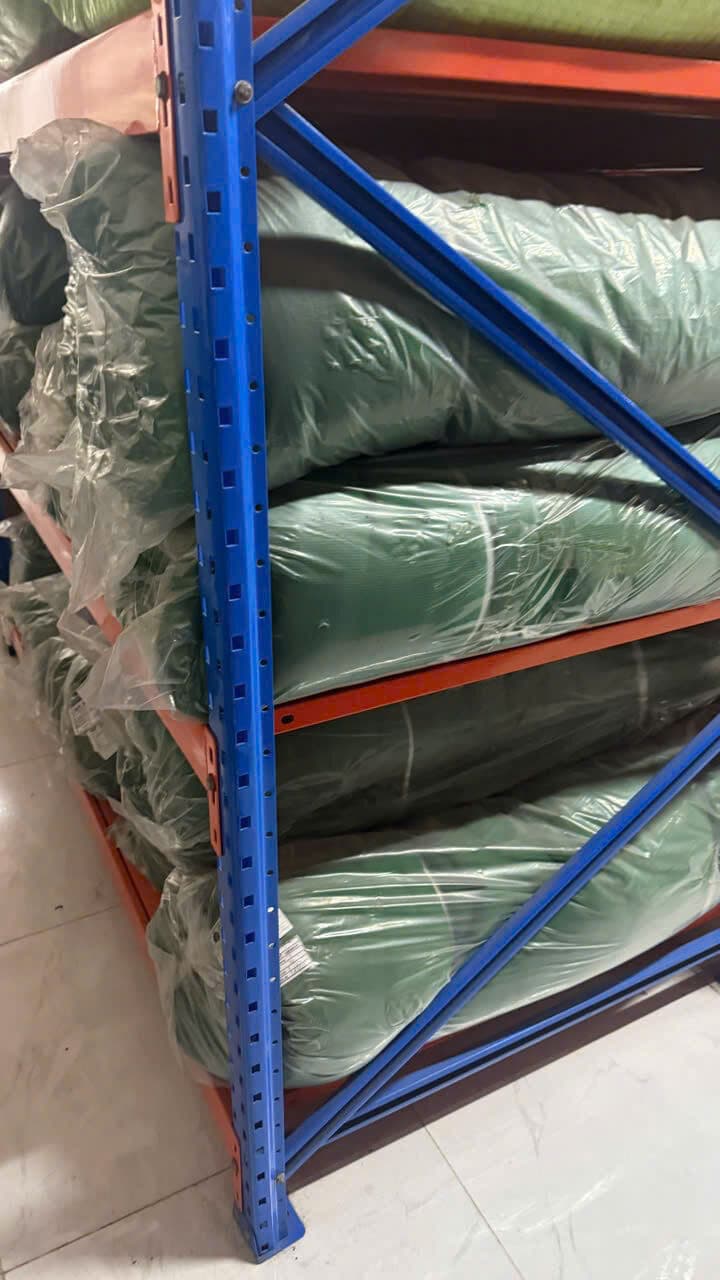
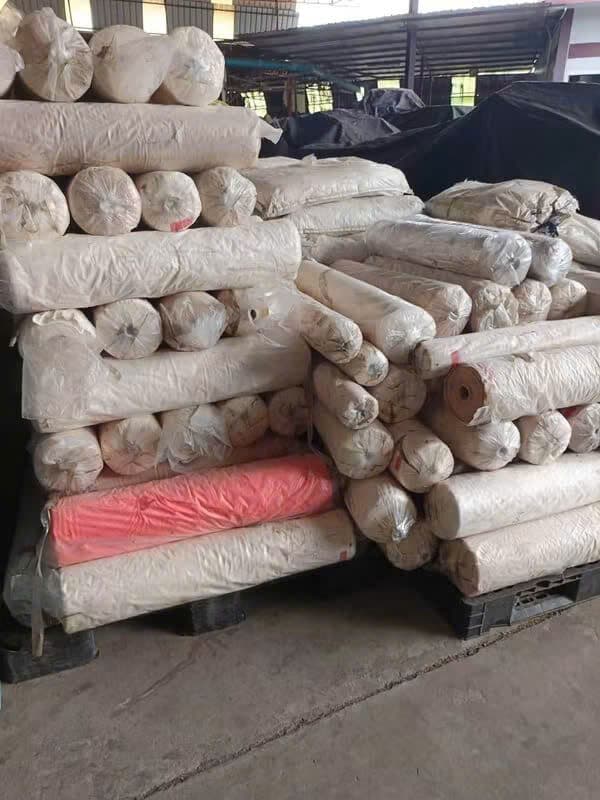
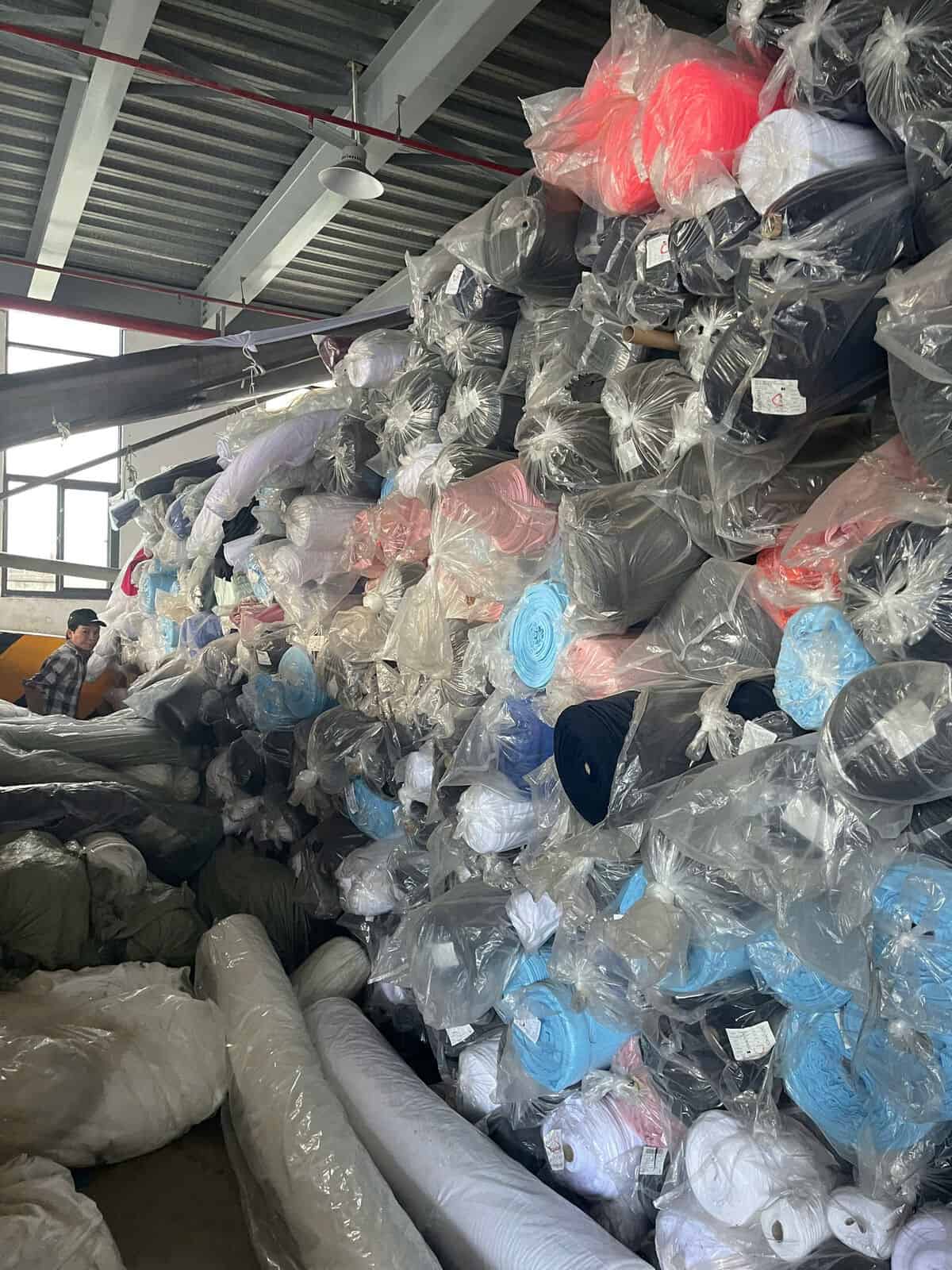
Điểm chung của nhóm này là bề ngoài thường kém hơn hàng mới: nilon bọc ngoài đã ố, nhãn cây vải mờ hoặc mất, lõi giấy móp, vài cây lớp ngoài bị bạc màu do ánh sáng. Nhưng phần lớn giá trị của một cây vải nằm ở lớp bên trong. Nếu lõi còn khô, sợi còn dai thì bỏ đi vài vòng ngoài, phần còn lại vẫn là vải dùng được.
Vải cũ còn bán được không? Loại nào còn giữ giá
Câu trả lời ngắn: phần lớn là bán được, nhưng mức giá chênh nhau rất xa tùy loại sợi và tình trạng. Theo kinh nghiệm của Gia Bảo khi đi xem các kho cũ, có thể chia thành ba nhóm.
Nhóm giữ giá tương đối tốt
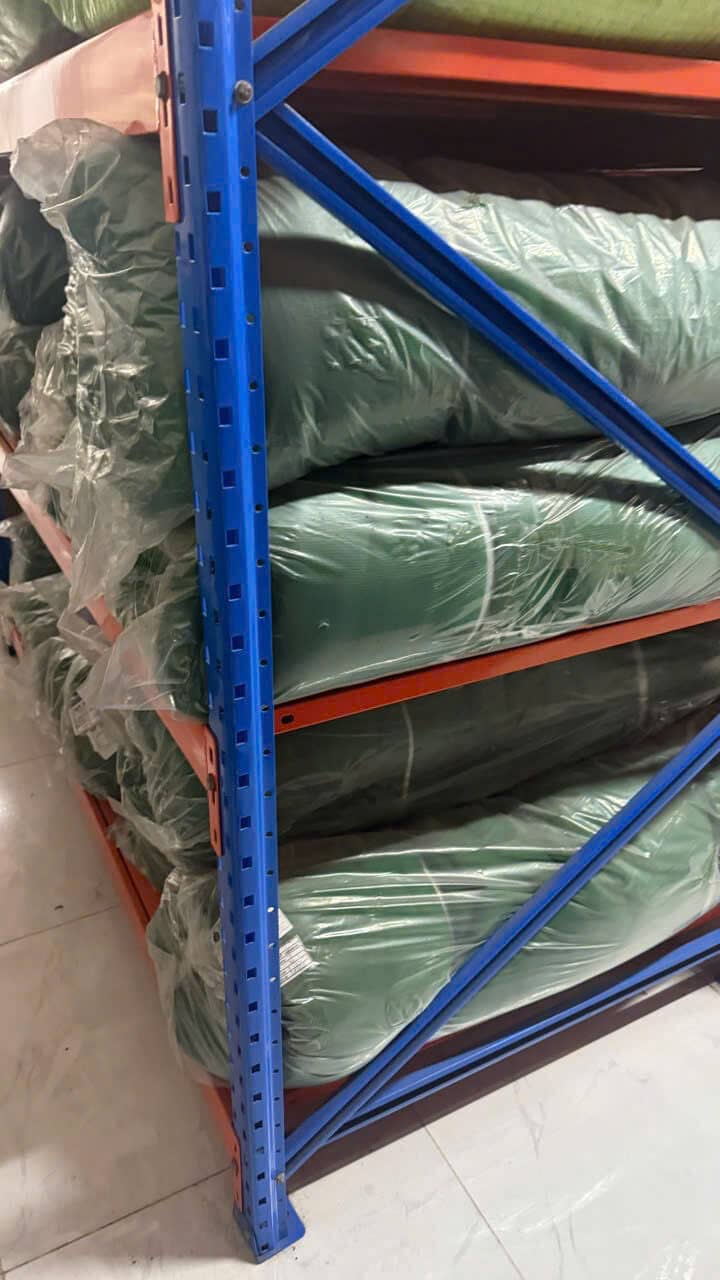
Vải tổng hợp như polyester, vải dù, tafta, vải thun poly chịu thời gian khá tốt. Sợi tổng hợp không bị mục do ẩm như sợi tự nhiên, ít bị mối mọt ăn, nên cất ba bốn năm trong kho khô thì gần như vẫn như mới. Kaki, jean dày cũng bền, chủ yếu chỉ lo phai màu ở mép cây. Nhóm này nếu còn nhãn và còn đủ cây thì người mua lại vẫn đưa về xưởng may được.
Nhóm phụ thuộc nhiều vào cách cất
Cotton, kate, linen và các loại vải sợi tự nhiên hút ẩm mạnh. Cất ở kho thoáng, có pallet kê thì sau nhiều năm vẫn đẹp; cất sát nền, gần tường ẩm thì có thể ố vàng, lấm tấm mốc, nặng hơn là mục sợi. Với nhóm này, kiểm tra kỹ phần lõi quyết định gần hết giá.
Nhóm dễ mất giá
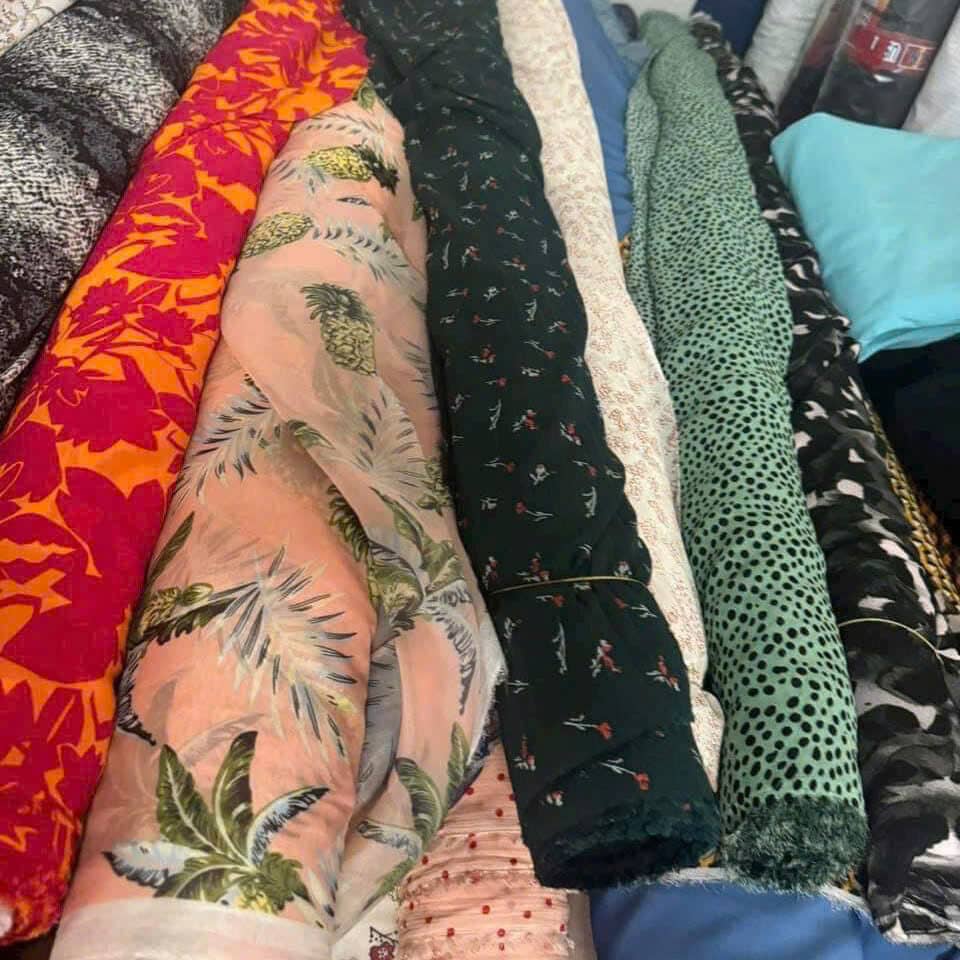
Rayon, lụa, voan mỏng, vải có tráng phủ (tráng PU, tráng keo) và vải có hoa văn theo mốt là nhóm khó nhất. Rayon và lụa yếu sợi khi ẩm, lớp tráng phủ có thể bong hoặc dính lại sau vài năm, còn họa tiết lỗi mốt thì khó bán cho xưởng may thời trang. Dù vậy, nhóm này vẫn có đầu ra ở dạng vải lỗi, vải khúc hoặc nguyên liệu cho hàng giá rẻ.
Cách tự kiểm vải cũ tồn kho trước khi bán
Anh chị không cần dụng cụ chuyên môn. Chỉ cần chọn ngẫu nhiên vài cây ở các vị trí khác nhau trong kho (sát nền, giữa đống, gần cửa sổ) và kiểm bốn điều sau.
Ố vàng và bạc màu
Tháo nilon, xem lớp ngoài cùng rồi quấn ra thêm vài vòng. Nếu ố chỉ có ở một hai vòng ngoài hoặc dọc mép biên, phần bên trong sạch thì lô hàng vẫn ổn, người mua sẽ tính trừ phần hao. Nếu vết ố ăn sâu vào trong nhiều lớp, ghi chú lại để báo đúng tình trạng.
Ẩm và mốc
Đưa vải lên mũi ngửi: mùi hôi ẩm là dấu hiệu rõ hơn cả mắt nhìn. Sờ phần lõi xem có lạnh và nặng tay bất thường không. Các đốm đen, xanh nhỏ li ti là mốc. Cây bị ẩm nên tách ra ngay, đừng để chung với cây khô vì mốc lan rất nhanh.
Mục sợi và giòn sợi
Đây là bước quan trọng nhất. Cầm một mép vải, kéo nhẹ bằng hai tay theo cả chiều dọc và chiều ngang. Vải còn tốt sẽ dai, không có tiếng xoẹt. Vải mục sẽ rách dễ dàng như giấy, vải giòn sợi thì gãy vụn ở chỗ gấp.
Côn trùng và chuột
Xem có lỗ thủng nhỏ xuyên nhiều lớp, có bột mịn trong lõi hay phân chuột quanh chân pallet không. Một cây bị gặm thường chỉ hỏng một đoạn, phần còn lại vẫn dùng được, nên đừng vội bỏ cả cây.
Xử lý gì trước khi bán để không bị ép giá?
Nhiều chủ kho nghĩ phải giặt, phơi hay cắt bỏ phần hỏng cho "đẹp" rồi mới bán. Thực ra làm như vậy thường thiệt hơn. Vài nguyên tắc nên giữ:
- Không giặt, không là ủi. Vải đã giặt bị co, mất hồ, mất nếp cuộn, người mua lại tính như hàng đã qua xử lý.
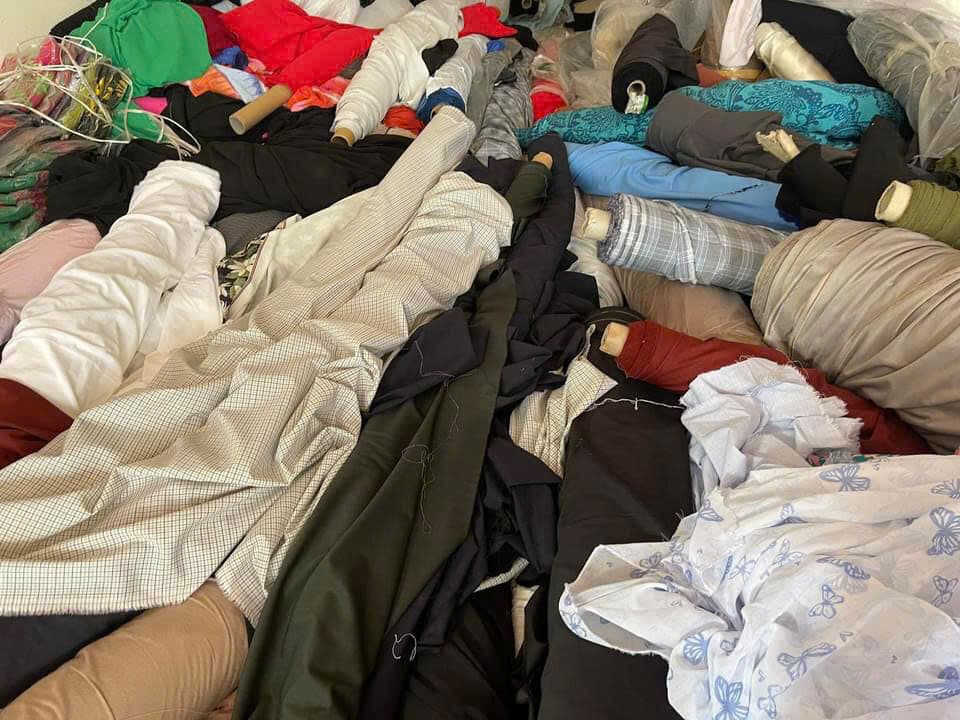
- Không tháo vải ra khỏi lõi. Cây còn trên lõi thì ước được số mét, tháo ra thành đống thì bị xếp vào vải khúc.
- Tách riêng cây ẩm, cây mục. Để chung thì người mua sẽ báo giá theo phần kém nhất cho an toàn.
- Phơi thoáng chỗ râm nếu vải chỉ hơi ẩm, không phơi nắng gắt vì dễ bạc màu và giòn sợi.
- Gom lại nhãn, hóa đơn nhập cũ nếu còn. Thông tin thành phần, khổ, số mét giúp người mua yên tâm và báo giá sát hơn.
Cách giữ cho phần vải còn lại không xuống cấp thêm trong lúc chờ bán, anh chị xem bài bảo quản vải tồn kho để giữ giá. Nếu chưa rõ một cây vải cũ thuộc loại gì vì nhãn đã mất, bài cách nhận biết các loại vải phổ biến có hướng dẫn đốt thử và sờ tay.
Thu mua vải cũ tồn kho được tính giá ra sao?
Khi mua vải cũ tồn kho, bên thu mua nhìn vào hai thứ: phần vải còn dùng được chiếm bao nhiêu, và phần đó sẽ được bán lại cho ai. Lô polyester còn chắc sợi có thể tính gần với vải tồn kho thông thường. Lô cotton có ố lớp ngoài thì bị trừ phần hao. Lô đã mục nhiều thì chuyển sang tính như vải vụn hoặc vải lỗi để tái chế.
Vì vậy rất khó nói trước một con số chung cho "vải cũ". Anh chị có thể xem khoảng giá theo từng loại vải ở trang bảng giá thu mua vải tham khảo, rồi hiểu rằng vải cũ thường nằm ở phần dưới của khoảng giá đó, tùy mức độ còn tốt. Giá chốt luôn theo từng lô sau khi xem hàng thật. Phần vải đã hỏng hẳn vẫn có đầu ra qua kênh thu mua vải lỗi, nên đừng đổ bỏ trước khi hỏi giá.
Những tình huống hay gặp với kho vải cũ
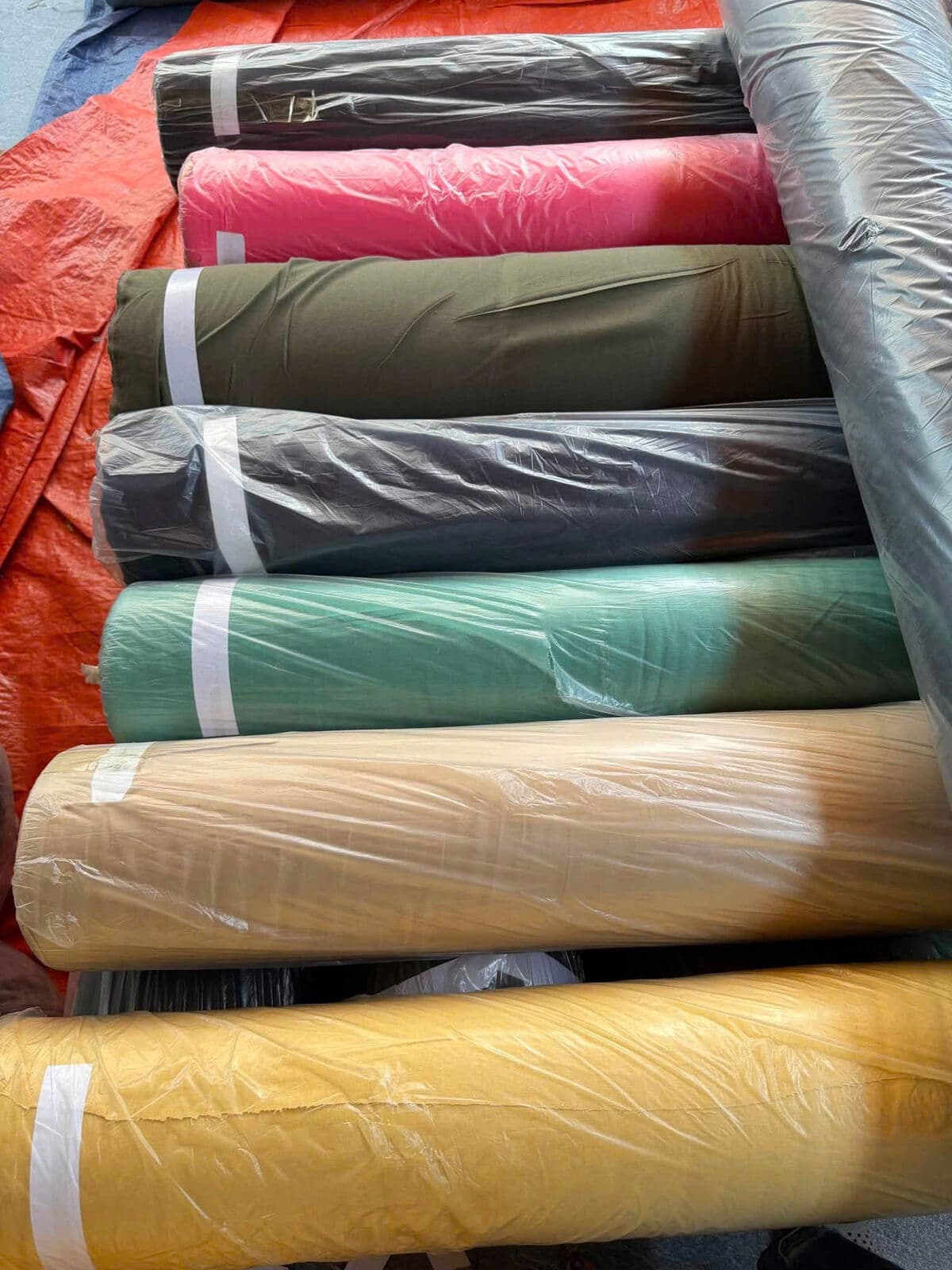
Vải nhập về làm mẫu rồi để đó. Số lượng mỗi màu ít nhưng nhiều màu. Loại này người mua lẻ, tiệm may rất cần, nên gom theo loại vải và báo đủ danh sách màu sẽ dễ bán hơn.
Kho ở tỉnh xa. Anh chị chụp ảnh, quay video lớp lõi vài cây rồi gửi qua Zalo. Gia Bảo báo giá sơ bộ, chốt giá trước rồi mới điều xe. Các tỉnh phía Bắc chúng tôi làm việc qua địa chỉ Hà Nội, có thể xem thêm ở trang thu mua vải tồn kho Hà Nội – Bắc Ninh; khu vực phía Nam đi từ trụ sở ở TP.HCM.
Gửi ảnh vải cũ để Gia Bảo báo giá
Đừng để kho vải cũ nằm thêm một mùa mưa nữa. Mỗi năm trôi qua, phần lõi lại có thêm nguy cơ ẩm và mục. Anh chị chỉ cần chụp ảnh toàn cảnh kho, ảnh cận mặt vải, ảnh lớp lõi sau khi quấn ra vài vòng và nhãn cây vải nếu còn, rồi gửi qua Zalo 0904 623 046 (anh Tuấn Tài). Chúng tôi xem ảnh, báo giá sơ bộ, hẹn xuống tận kho kiểm hàng, cân tại chỗ và tự lo xe bốc vải.
English version
Selling Old Deadstock Fabric: Can Years-Old Stock Still Sell?
Selling old deadstock fabric is something we are asked about all the time, and almost every time the question comes with the same worry: "This fabric has been sitting for years, surely nobody wants it?" The reality is quite different. A lot of fabric that has been in storage for years can still be sold, sometimes at a fair price, as long as the fibers are still sound and you know how to describe its condition. This article goes step by step: how old stock differs from damaged stock, which types keep their value, how to check it yourself right in the warehouse, and what to do before inviting someone to look at the goods.
What counts as "old deadstock fabric"?
In the trade, "old" does not mean used. Old deadstock fabric is new, uncut fabric that has simply been in the warehouse for a long time: sometimes surplus from an export order a few years ago, sometimes fabric bought in to run a style that never sold, and sometimes the stock of a factory that has closed, kept by the family without knowing what to do with it.
What this group has in common is that it usually looks worse than new goods: the outer plastic has yellowed, roll labels have faded or gone missing, paper tubes are dented, and the outer layer of some rolls has faded in the light. But most of a roll's value lies in the layers inside. If the core is still dry and the fibers are still strong, you lose a few outer wraps and the rest is perfectly usable fabric.
Can old fabric still be sold? Which types keep their value
The short answer: most of it can, but prices vary widely depending on fiber type and condition. From Gia Bao's experience visiting old warehouses, it falls into three groups.
Types that hold their value fairly well
Synthetics such as polyester, nylon taffeta, taffeta and poly knit stand up to time well. Synthetic fibers do not rot from damp the way natural fibers do and are rarely eaten by insects, so after three or four years in a dry warehouse they are almost as good as new. Heavy khaki and denim are also durable; the main concern is fading along the roll edges. If these still have labels and full rolls, the next buyer can send them straight back to a garment factory.
Types that depend heavily on storage
Cotton, poplin, linen and other natural fibers absorb moisture readily. Kept in a ventilated warehouse on pallets, they can still look good after many years; kept on the floor or against a damp wall, they may yellow, show mildew spots or, in worse cases, rot. For this group, a careful check of the core decides almost the whole price.
Types that lose value easily
Rayon, silk, thin chiffon, coated fabrics (PU or adhesive coatings) and fashion prints are the hardest group. Rayon and silk weaken when damp, coatings can peel or stick together after a few years, and out-of-fashion prints are hard to sell to fashion factories. Even so, this group still has outlets as defective fabric, remnants or material for low-cost goods.
How to check old deadstock fabric before you sell
You do not need any special tools. Just pick a few rolls at random from different spots in the warehouse (on the floor, in the middle of a stack, near a window) and check these four things.
Yellowing and fading
Remove the plastic, look at the outermost layer, then unroll a few more wraps. If the yellowing is only on one or two outer wraps or along the selvage, and the inside is clean, the lot is fine; the buyer will simply deduct for the loss. If the stains go deep through many layers, note it down so you can report the condition accurately.
Damp and mildew
Smell the fabric: a musty odor is a clearer sign than anything you can see. Feel the core for unusual coldness or heaviness. Tiny black or green specks are mildew. Damp rolls should be separated straight away; do not leave them with dry rolls, because mildew spreads very quickly.
Rotten and brittle fibers
This is the most important step. Take an edge of the fabric and pull gently with both hands, along both the length and the width. Sound fabric stays strong with no tearing sound. Rotten fabric tears as easily as paper, and brittle fabric cracks apart at the folds.
Insects and rats
Look for small holes going through several layers, fine powder inside the core, or rat droppings around the pallet legs. A gnawed roll is usually damaged only in one section and the rest is still usable, so do not write off the whole roll.
What to do before selling so you are not underpaid
Many warehouse owners think they should wash, air or cut off the damaged parts to make the fabric "look nice" before selling. In practice this usually costs more than it gains. A few rules worth keeping:
- Do not wash or iron. Washed fabric shrinks, loses its finish and its rolled shape, and buyers then price it as processed goods.
- Do not take fabric off the tube. On the tube the length can be estimated; unwound into a pile, it gets classed as remnants.
- Separate damp and rotten rolls. If they are mixed in, the buyer will quote on the worst part to be safe.
- Air slightly damp fabric in the shade, not in strong sun, which fades colors and makes fibers brittle.
- Gather any old labels and purchase invoices. Information on composition, width and length reassures the buyer and makes the quote more accurate.
To keep the remaining fabric from deteriorating further while you wait to sell, see our article on storing surplus fabric to keep its value. If you are not sure what an old roll is made of because the label is gone, our guide to identifying common fabric types explains the burn test and touch test.
How is old deadstock fabric priced?
When buying old surplus fabric, a buyer looks at two things: how much of the fabric is still usable, and who that part will be resold to. A lot of polyester with sound fibers can be priced close to ordinary surplus stock. A lot of cotton with yellowed outer layers has the loss deducted. A heavily rotted lot is priced as scraps or defective fabric for recycling.
That is why it is hard to give one figure for "old fabric" in advance. You can see price ranges by fabric type on our reference fabric buying price list, bearing in mind that old fabric usually sits in the lower part of those ranges, depending on how well it has kept. The final price is always set per lot after seeing the actual goods. Fabric that is completely spoiled still has an outlet through defective fabric buying, so do not throw it away before asking for a price.
Common situations with old fabric stock
Fabric bought in for samples and left aside. Small quantities of each color, but many colors. Small buyers and tailor shops want this kind of fabric, so grouping it by fabric type and listing all the colors makes it easier to sell.
Warehouses in distant provinces. Take photos and a video of the core of a few rolls and send them via Zalo. Gia Bao gives a preliminary quote and agrees the price before sending a truck. For the northern provinces we work through our Hanoi address; see our page on buying surplus fabric in Hanoi – Bac Ninh. The southern region is served from our head office in Ho Chi Minh City.
Send photos of your old fabric for a quote from Gia Bao
Do not let an old fabric warehouse sit through another rainy season. Every year that passes adds to the risk of damp and rot in the core. Just take an overview photo of the warehouse, close-ups of the fabric face, a photo of the inner layers after unrolling a few wraps, and any roll labels, then send them via Zalo to 0904 623 046 (Mr. Tuan Tai); you can message us on Zalo in English. We review the photos, give a preliminary quote, come to your warehouse to check the goods, weigh on site and arrange the truck ourselves.