28 September 20260 views
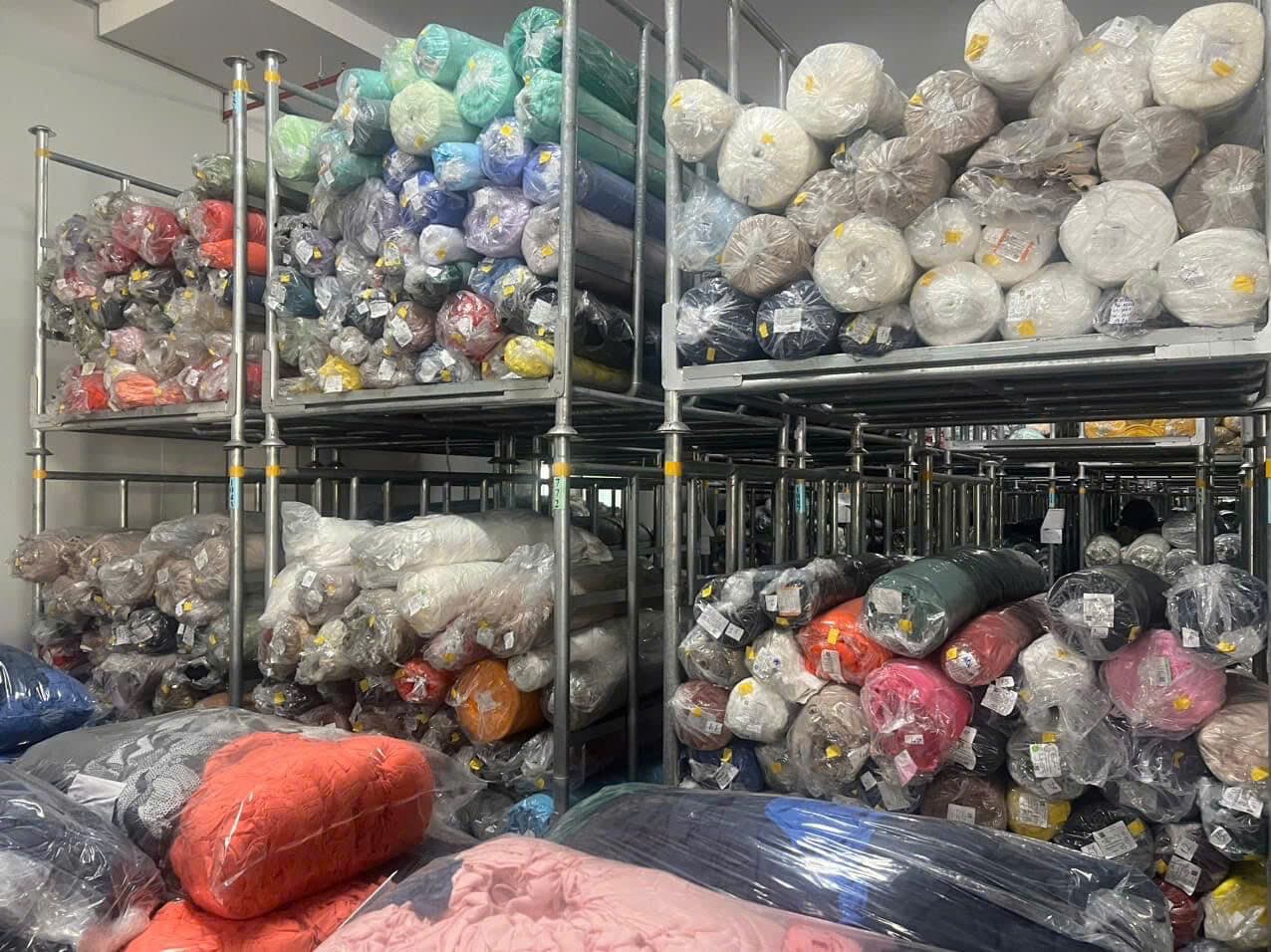
Storing surplus fabric properly is the cheapest way to protect the value of your stock, yet many garment factories and fabric shops overlook it. For the same fabric, a clean, fresh-smelling roll with even color sells for much more than a roll with stained edges or spots of mildew. We have seen plenty of warehouses where, simply because fabric was stacked against a wall or on a damp floor, the entire bottom layer had to be classed as defective. This article brings together the simple things that keep your fabric's value intact until you sell.
What damages surplus fabric: the four main enemies
The hot, humid climate of Ho Chi Minh City and southern Vietnam makes it very easy for fabric to deteriorate. There are four main causes:
- Humidity. In the rainy season, air humidity is often very high. Fabric, especially natural fibers such as cotton, linen and rayon, absorbs moisture from the air and from the floor, which lets mildew grow.
- Light and heat. Direct sunlight through a window fades one side of a roll, and an uninsulated tin-roofed warehouse dries fabric out, makes it brittle and speeds up discoloration.
- Insects and rats. Termites eat cellulose fibers such as cotton, linen and rayon; moths and beetles damage protein fibers such as silk and wool. Rats chew holes in rolls to build nests.
- Dust and fumes. Warehouses next to busy roads, near a generator or with diesel forklifts coming and going tend to turn light-colored fabric yellow faster.
Mildew: warning signs and prevention
Surplus fabric with mildew usually has a sharp, musty smell when you open the plastic, and small grey, black or green spots appear on the surface, most often at the edges of the roll and on the outer layer. Light mildew can be washed out, but once the spots have got into the fibers they are very hard to remove without damaging the color, so mildewed fabric almost always loses a significant amount of value.
To prevent it, you should:
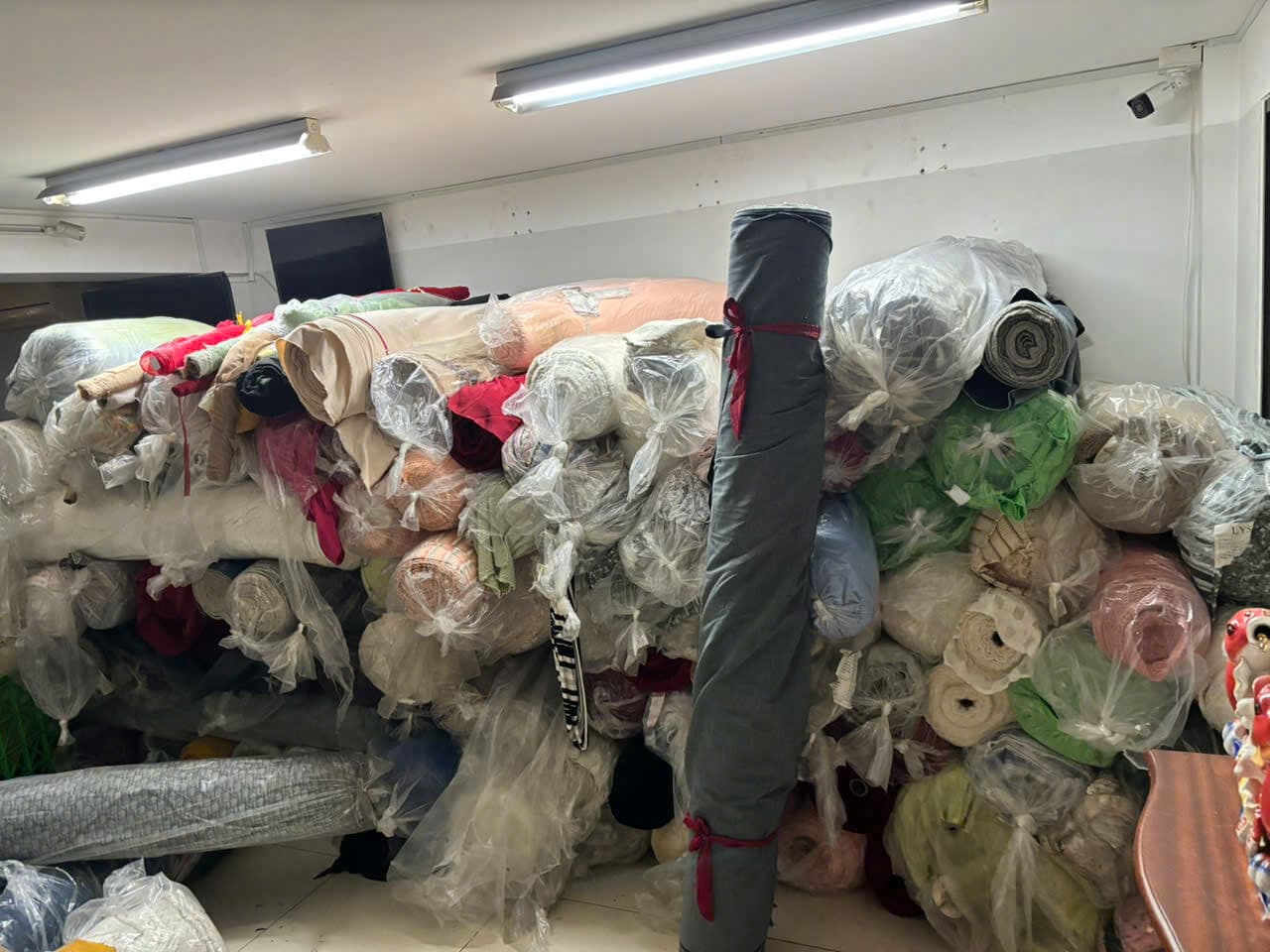
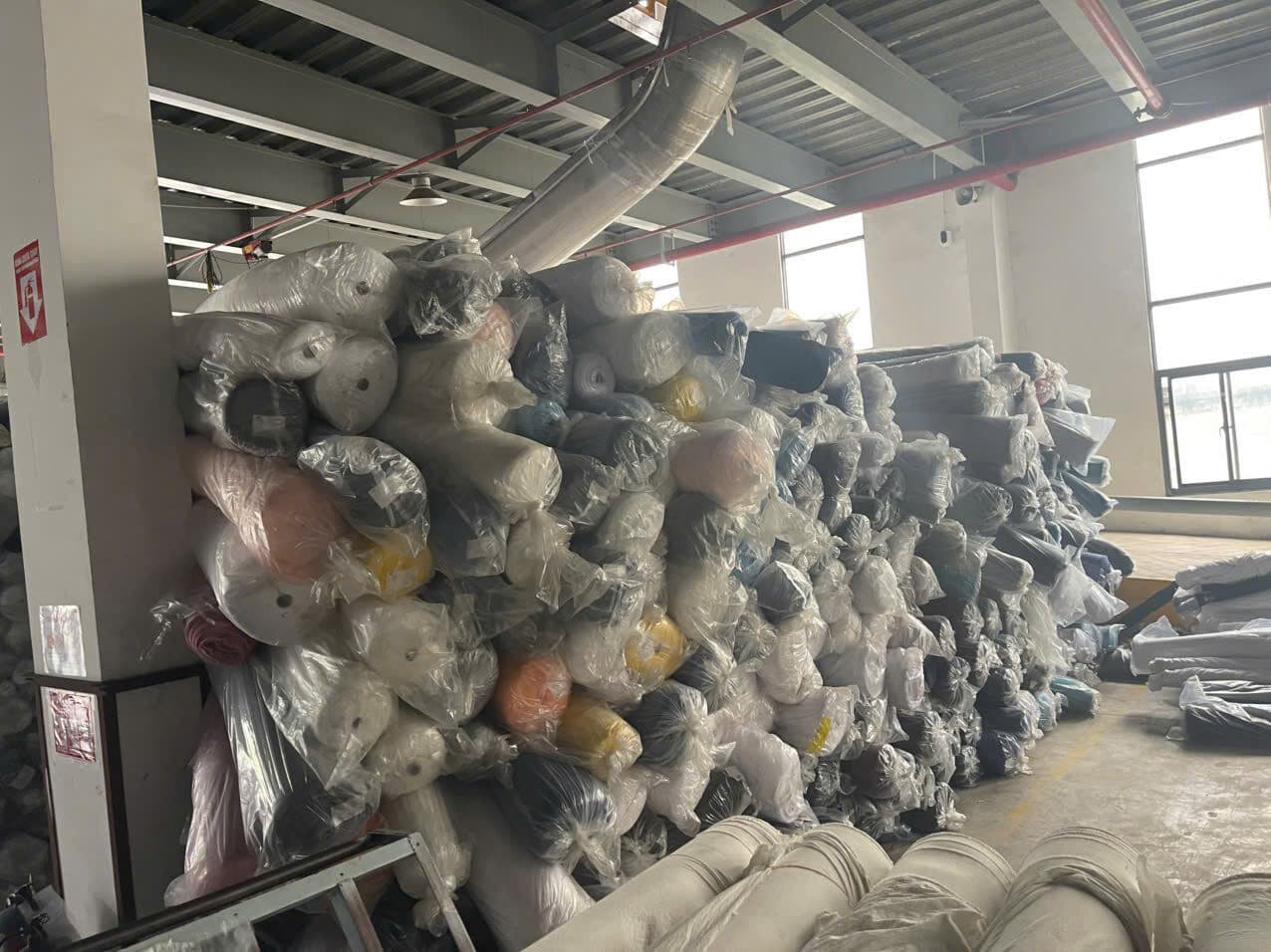
- Never put fabric directly on the floor. Raise it on pallets about 10–15 cm high so moisture from the concrete floor cannot soak up into it.
- Keep it away from walls. Walls, especially west-facing or leaking ones, are both hot and damp. Leave a gap of a few dozen centimeters so air can circulate.
- Ventilate. Open the warehouse doors on dry days, and fit an extractor fan if the space is enclosed. Still air is ideal for mildew.
- Dehumidify. Small storerooms can use hanging moisture absorber bags or silica gel packs placed between layers of fabric; large warehouses should consider an industrial dehumidifier during the rainy season. Replace absorber bags once they are full of water.
Yellowing: why white and light-colored fabrics are prone to it
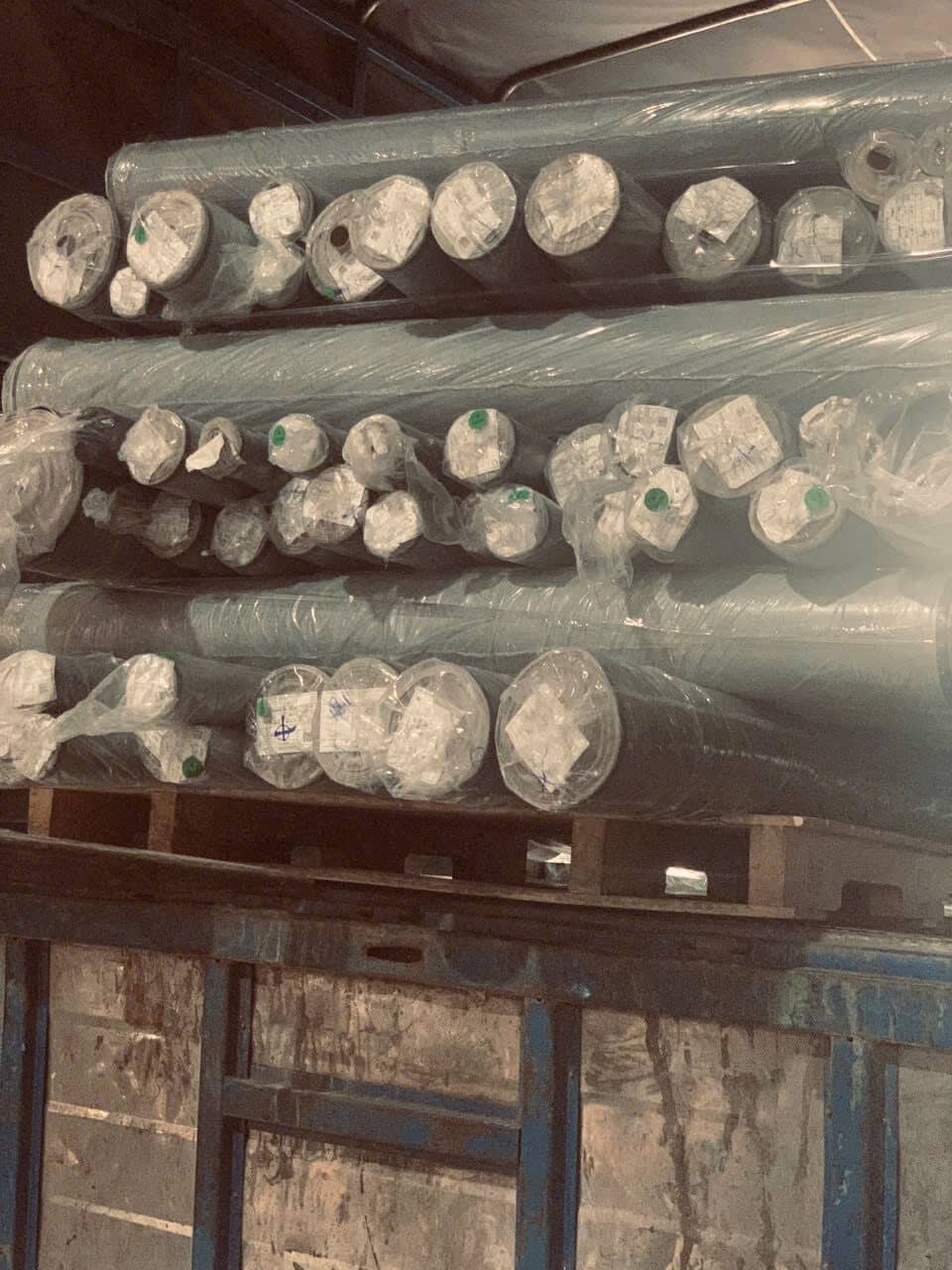
Yellowing is the defect that costs the most value for white, cream and pastel fabrics. There are a few common causes:
- Prolonged exposure to light and heat oxidizes the fibers and dyes, and the edges of the roll discolor first.
- Unsuitable packaging. Acidic cardboard or newspaper left against fabric for a long time can leave yellow marks. Some plastic films and foams, when exposed to fumes in the air, also cause the discoloration the textile industry calls phenolic yellowing.
- Residual finishing chemicals in the fabric, or fabric put away before it was fully dry.
Prevention: keep fabric in the mill's original packaging if you still have it, avoid wrapping it in newspaper, avoid storing white fabric near vehicle exhaust or generators, and cover windows so the sun does not shine directly on the shelves. If there is already light yellowing at the edges, do not cut the edges off, because the roll will lose width and become even harder to sell. Leave it as it is; the buyer will assess the extent and adjust the price accordingly.
Termites, beetles and rats: prevention starts with pallets and cleanliness
Termites are a major worry in ground-floor warehouses, especially older ones with brick walls and earth floors near greenery. Termites travel through wooden pallets and wall cracks, then eat into the cardboard tubes and the fabric; an infested roll usually has trails of soil on the outside, and when you open it, several layers are holed through.
- Use plastic pallets, or treated wooden pallets, and check the underside of pallets regularly.
- If termites need to be dealt with, hire a specialist to treat the floor and wall bases. Do not spray insecticide directly on fabric, as it leaves smells and marks that put buyers off.
- For silk and wool, use moth-repellent sachets around the shelves rather than letting camphor touch the fabric directly.
- Keep the warehouse clean, leave no food scraps, and seal gaps at the base of walls to keep rats out.
How to wrap and shelve fabric correctly
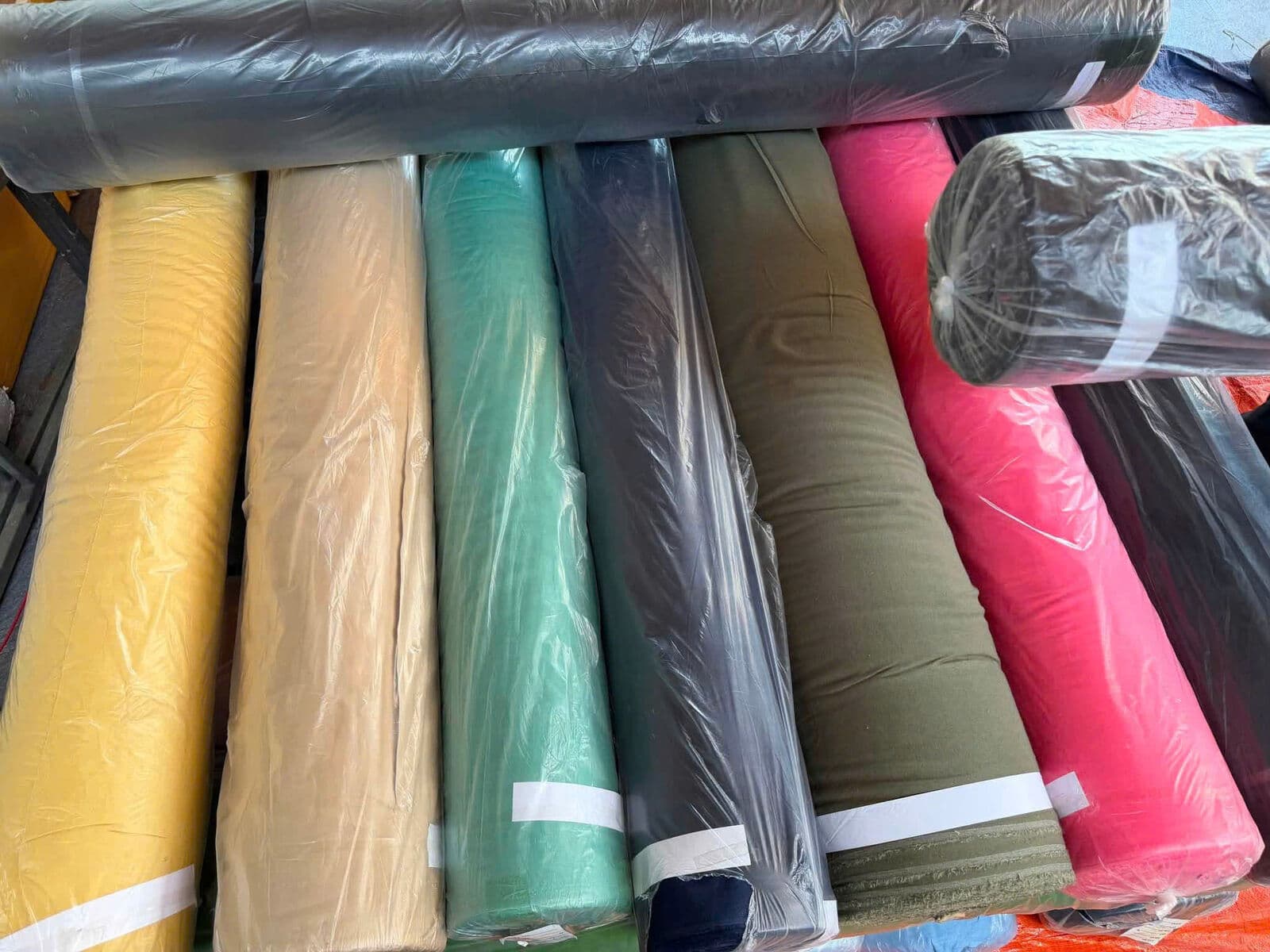
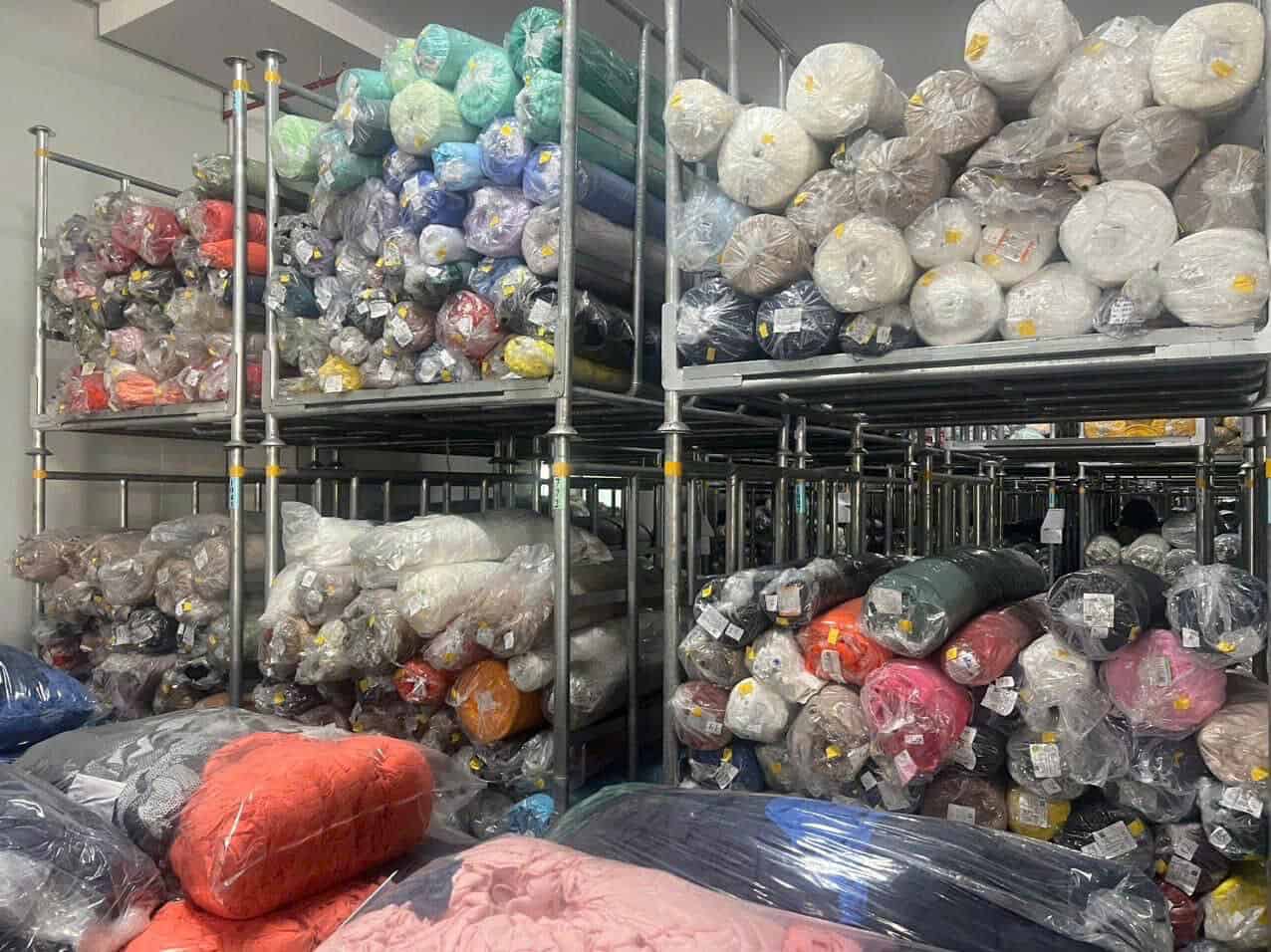
Plastic wrap keeps out dust and outside moisture, but wrapping the wrong way does harm. Fabric sealed while still damp, or brought in from the rain and immediately wrapped, will "sweat" inside and go moldy faster than if it had been left uncovered. The rule is that fabric must be completely dry before wrapping, and in a warehouse where the temperature swings a lot, leave both ends of the roll open to breathe rather than sealing them shut.
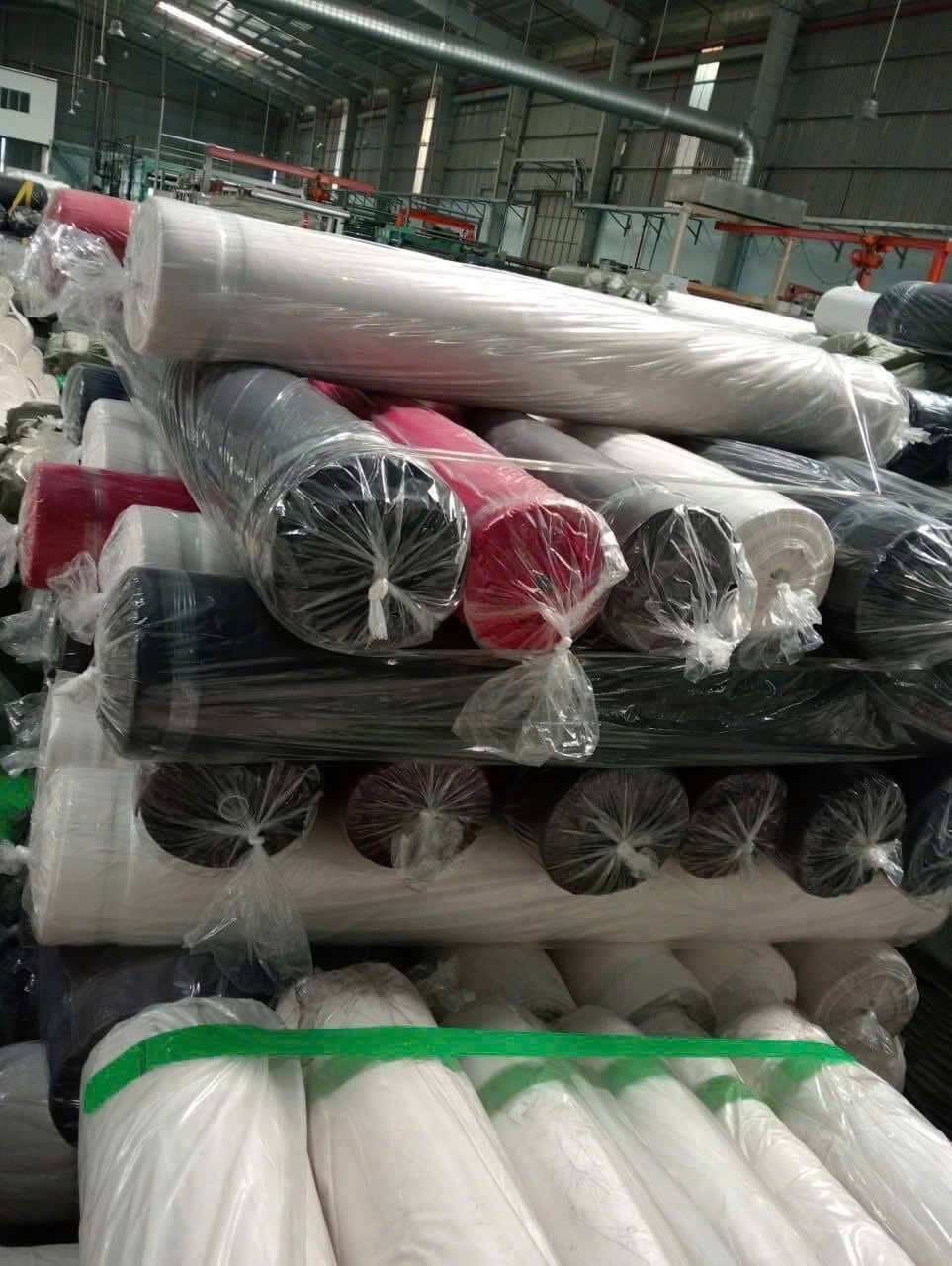
When it comes to stacking, a few things are worth remembering:
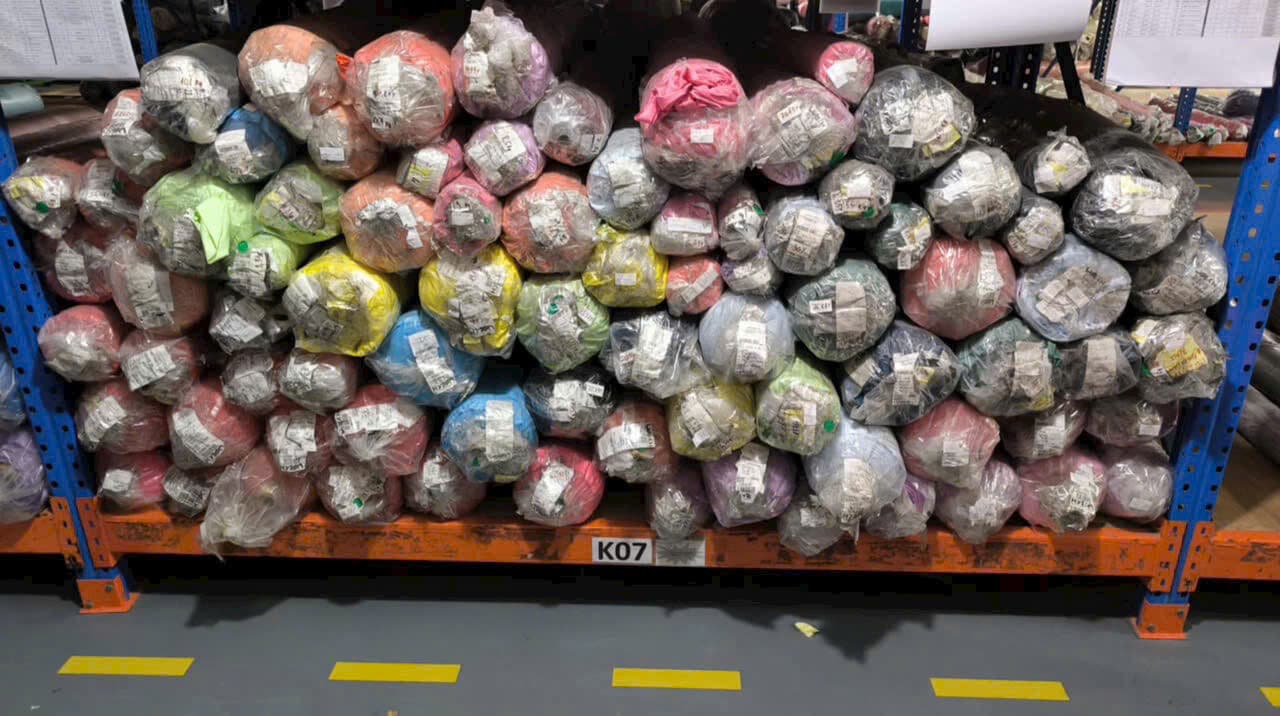
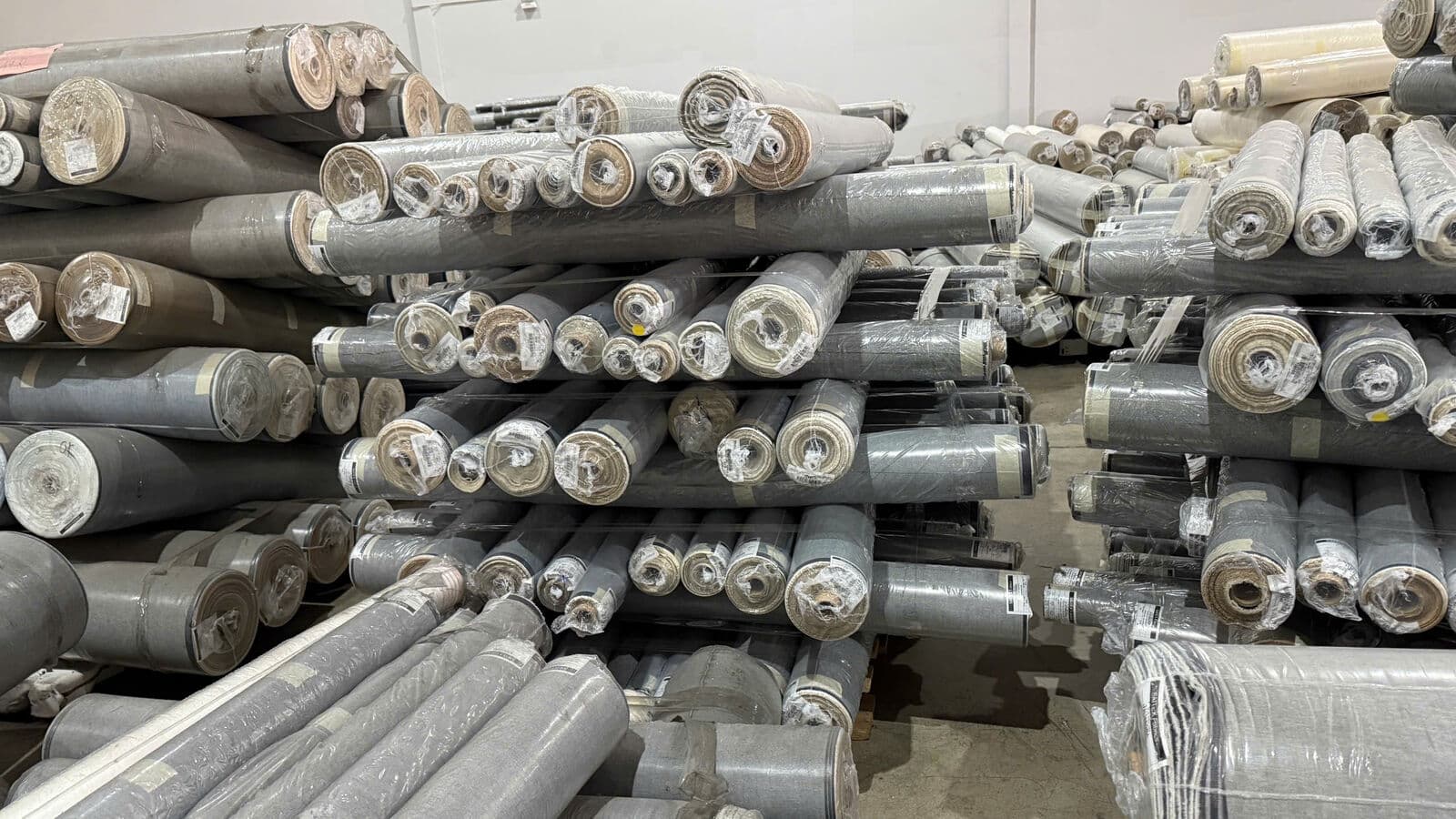
- Store rolls lying flat on shelves rather than standing upright. Rolls left standing for a long time easily get one end dented and the inner layers shifted.
- Do not stack too high. Rolls at the bottom get crushed and develop creases that are hard to iron out, especially thin fabrics, silks and coated fabrics.
- Keep the roll labels. Labels carry the article number, width, meterage and composition. Lose the label and you lose the information that helps set the price.
- Arrange by group and by date received. Put older stock at the front, so old rolls do not sit at the bottom forever.
Remnants, scraps and accessories need care too
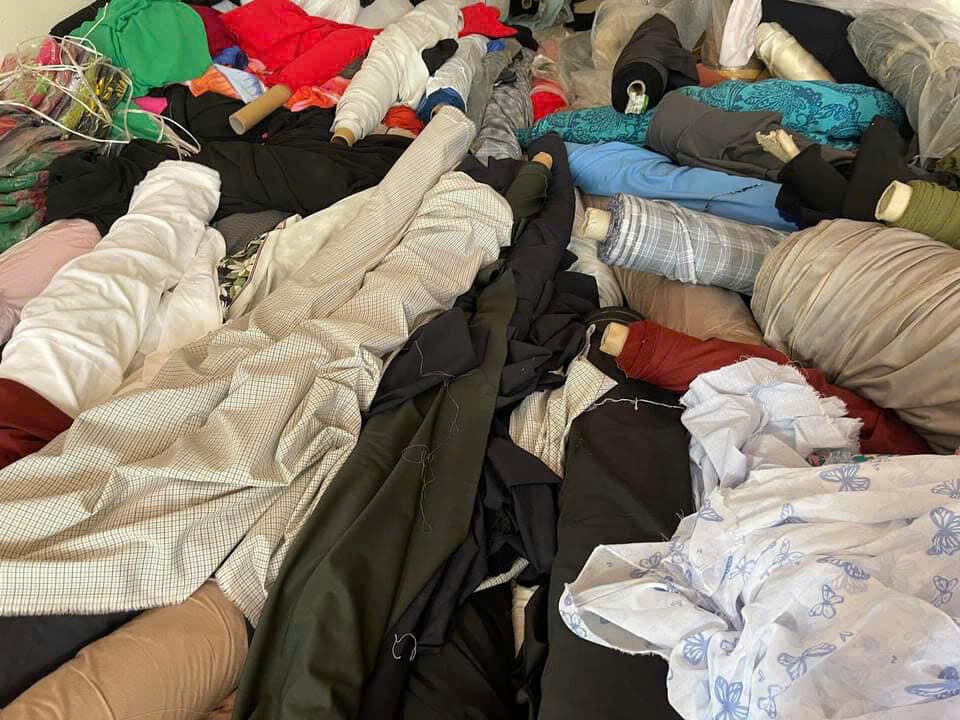
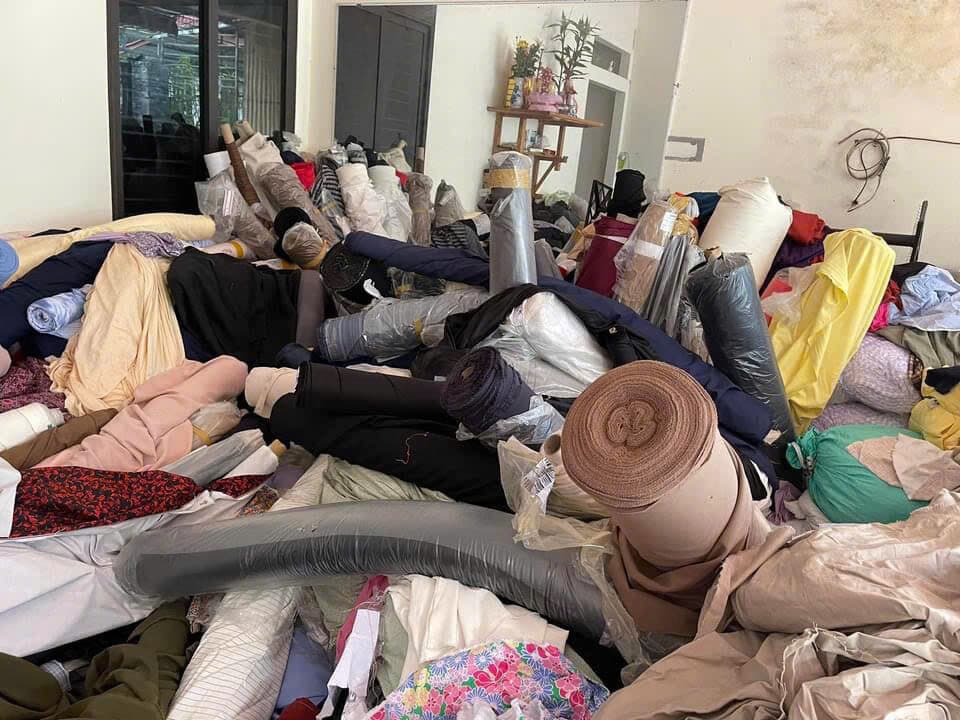
Many factories look after their full rolls but leave remnants and scraps heaped in a corner. In fact, these still have resale value if they are clean and dry. Put them in sacks, tie them shut, place them on shelves or pallets, and separate them by color and material if you can. Scraps that are wet, oily from machines or mixed with rubbish are much harder to sell. We have a dedicated page on fabric scrap buying if you want to know what we accept.
Accessories such as thread, zippers and metal buttons are also sensitive to humidity: thread cores go moldy, and zippers and metal buttons rust. Keeping them in their original cartons on high shelves with a few absorber packs is enough. See more about garment accessories buying.
A regular warehouse inspection schedule
A simple inspection routine helps you catch problems before they spread:
- Weekly: look around the warehouse for leaks, seepage, unusual smells and signs of rats.
- Monthly: open a few random rolls from the bottom layer and against the walls to check for mildew and stains; replace absorber bags.
- Before the rainy season: check the roof, gutters and wall bases; check wooden pallets for termites.
When to sell instead of keeping it in storage
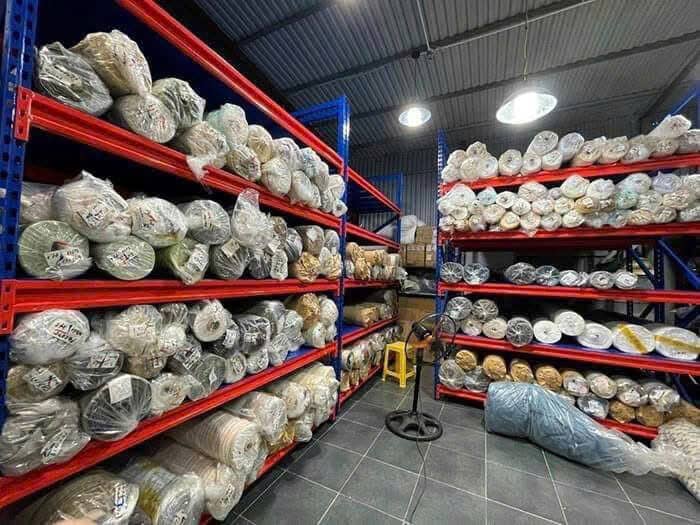
Good storage only slows deterioration; it cannot stop it. The longer fabric sits, the more space and inspection time it costs, and there is always the risk that one leaking roof in a storm ruins the whole lot. If a fabric has gone through two seasons with no plan to use it, consider selling while it still looks good. And if fabric has already been hit by mildew, stains or termites, do not throw it away: defective fabric still has buyers for other uses. See our defective fabric buying page to learn more.
Send photos and let Gia Bao quote for your fabric
Whether your fabric has been carefully stored or already has some damp patches, just take an overview photo, close-ups of the fabric surface and the roll labels, and send them via Zalo to 0904 623 046, or call our hotline 0904 623 046. You can message us on Zalo in English and we will reply. We give a preliminary quote from photos, come to your warehouse to inspect the goods, weigh on site and pay immediately.