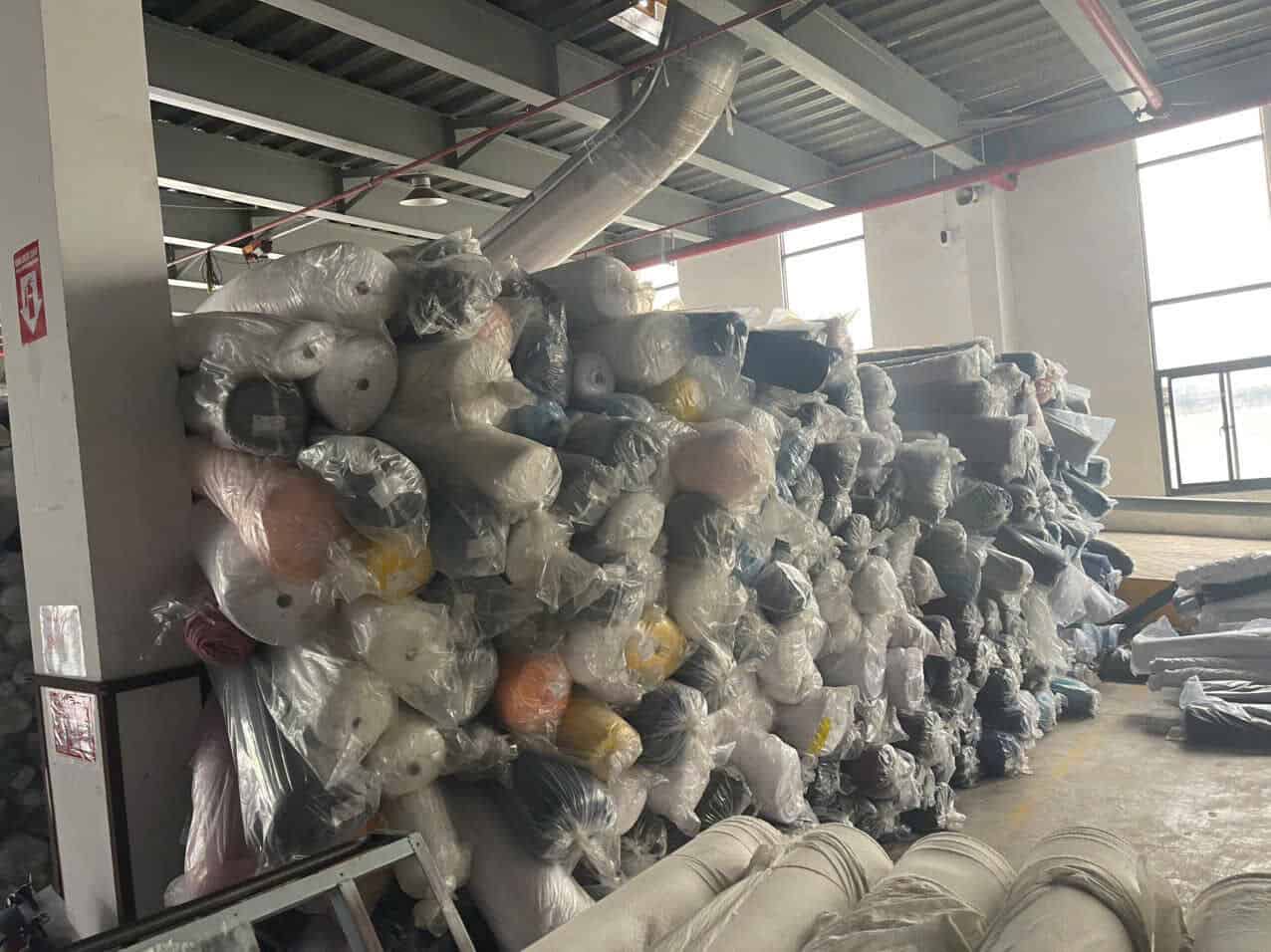
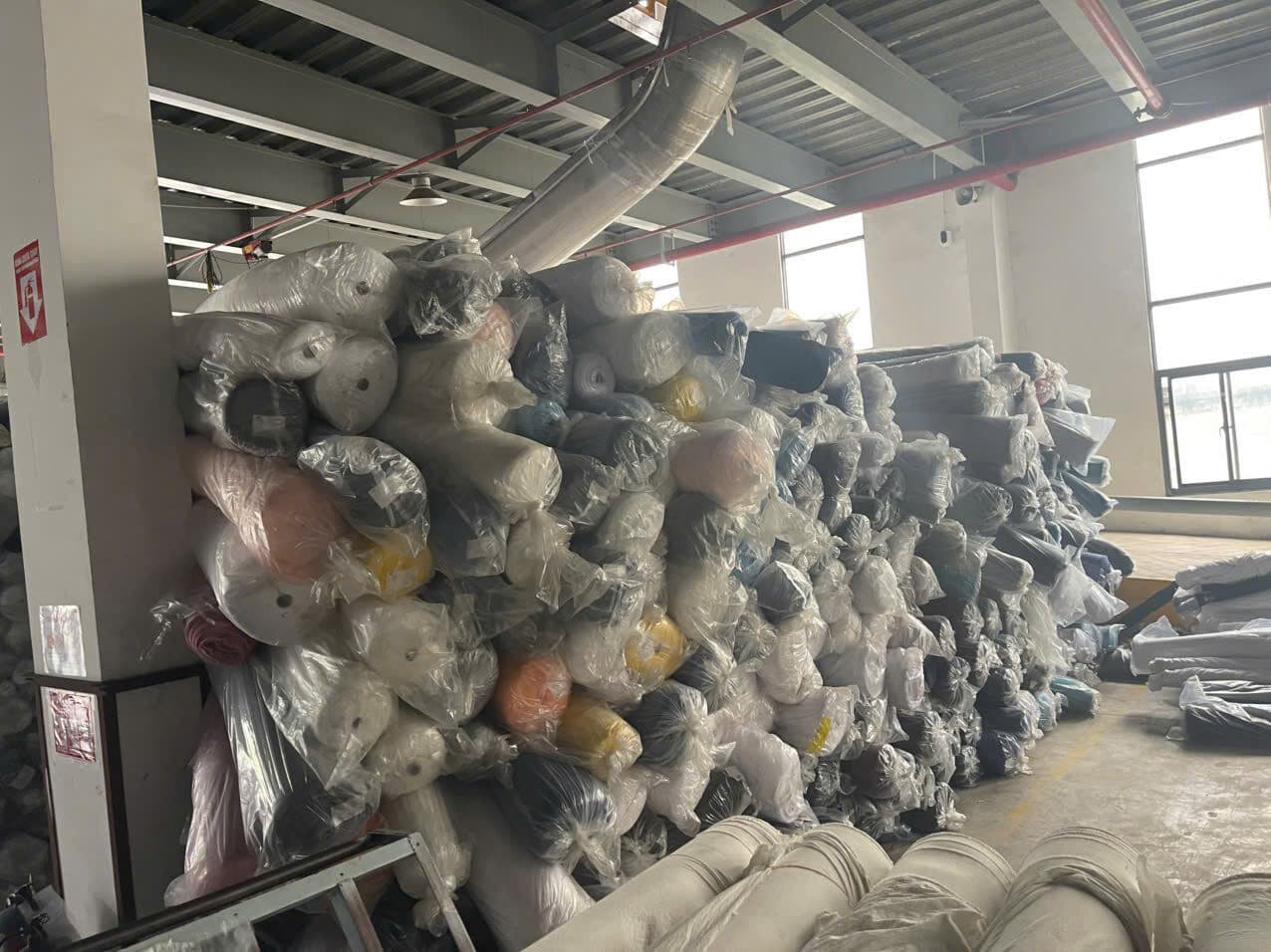
Defective fabric is not waste fabric
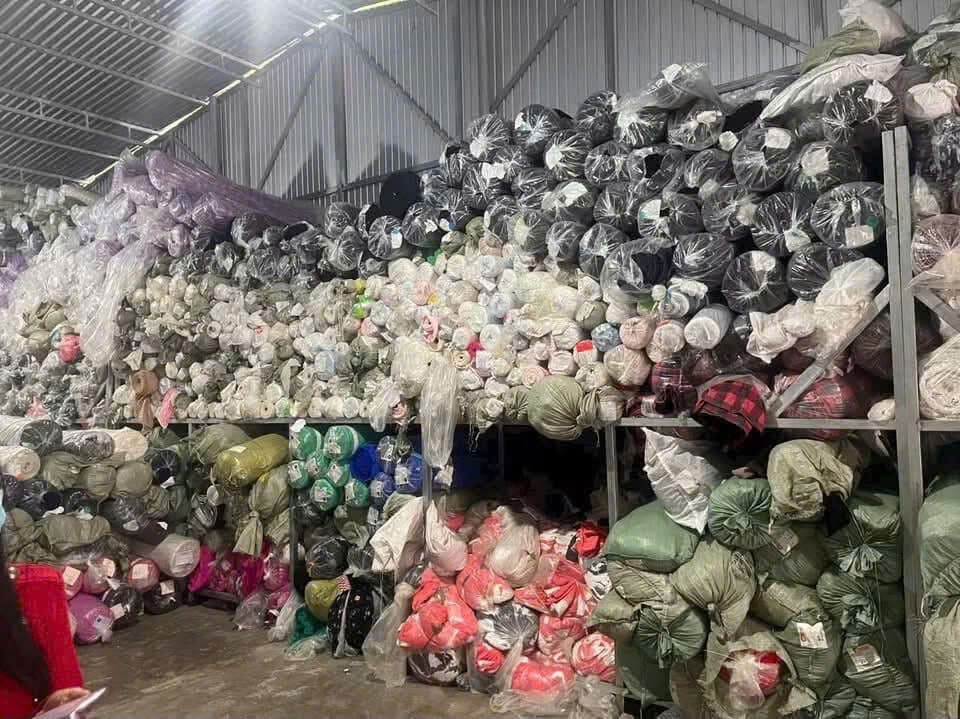
Defective fabric is the area most sellers misunderstand. Factory owners often assume that a roll rejected by the buyer is only worth as much as scraps. In fact, a fault that puts fabric below an export order's standard can be perfectly acceptable for domestic products, workwear, market goods, tote bags or linings. Gia Bao's job is to see what your defective lot can still be used for, then price it on that value.
In other words, selling defective fabric to the right buyer lets you recover a significant share of your capital, instead of letting it slowly go mouldy at the back of the warehouse.
The kinds of defective and out-of-season fabric Gia Bao takes
Shade defects
Shade variation between rolls in the same lot, off the approved colour, uneven dyeing, uneven fading, or a different tone at the start and end of a roll. This is the most common reason fabric is rejected even though the fabric itself is fine.
Weaving defects
Broken ends, floats, knots, horizontal bars, uneven density and scattered small holes. The impact depends on how often the faults occur per metre.
Printing defects
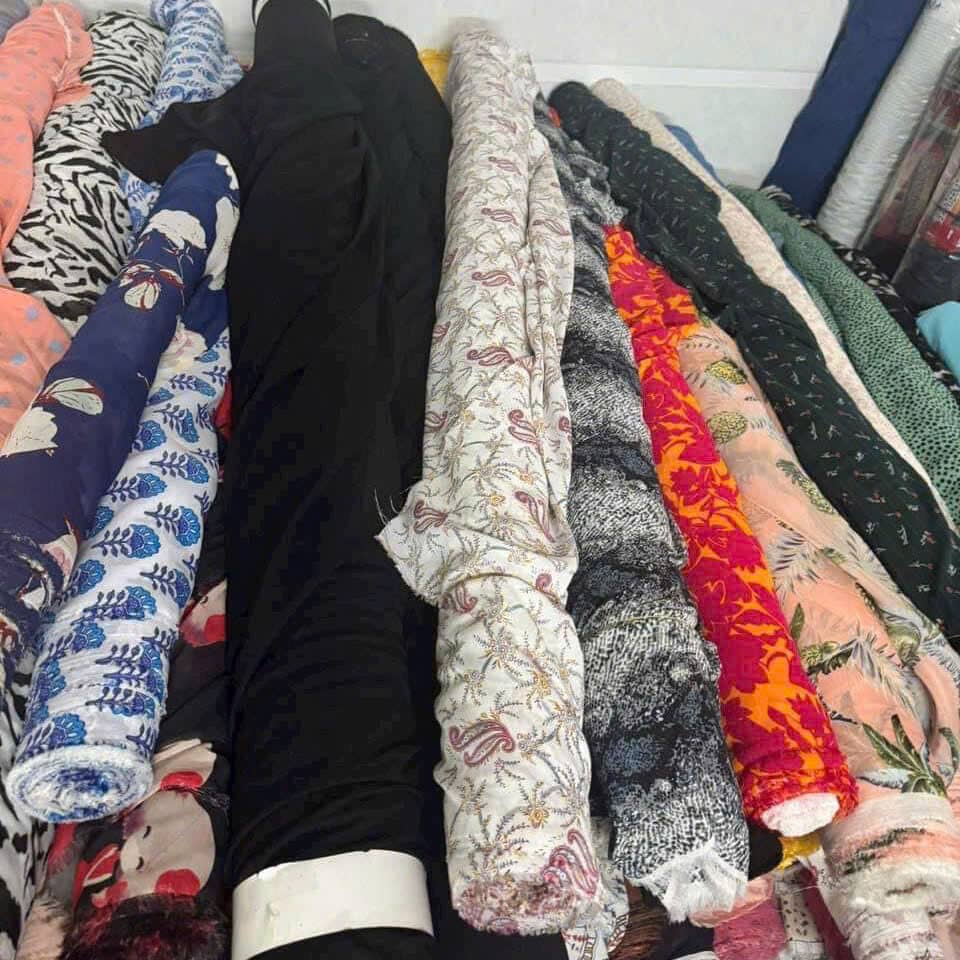
Misregistered prints, ink smudges, missing colours, broken patterns and wrong designs. With floral prints, many faults are only visible up close, so the fabric still has users.
Finishing defects
Shrinkage out of spec, a hardened face, overly stiff sizing, width narrower than specified, and heat-treatment marks.
Out-of-season fabric
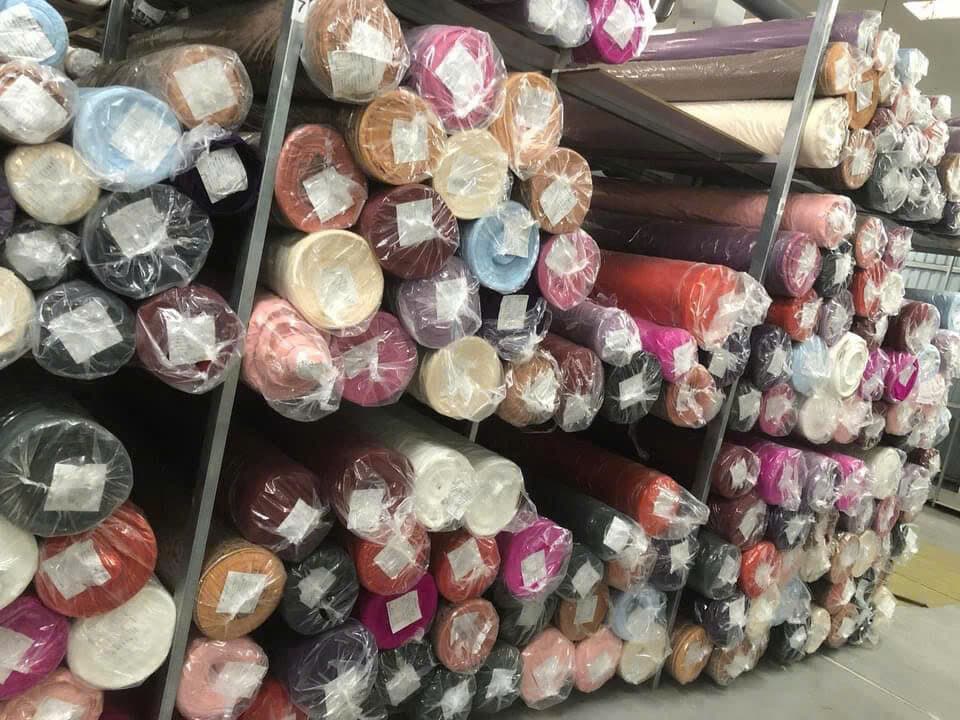
No technical fault, just a colour or pattern that has gone out of fashion, or an item code that has been discontinued. Out-of-season fabric often still fetches a decent price if it is in full rolls; this is closer to fabric stock clearance than to defective fabric.
How defective fabric is priced
There is no standard price for "defective fabric". Two lots of the same material can differ widely depending on where the faults are and how dense they are. We look at:
- Type of fault: an even shade difference across a whole roll is usually less serious than scattered weaving faults, because evenly off-shade fabric can still be made into consistent products.
- Fault density: a few faults every ten metres is very different from faults every hand's width.
- Base material: good fabric with minor faults can still be worth more than ordinary fabric without faults.
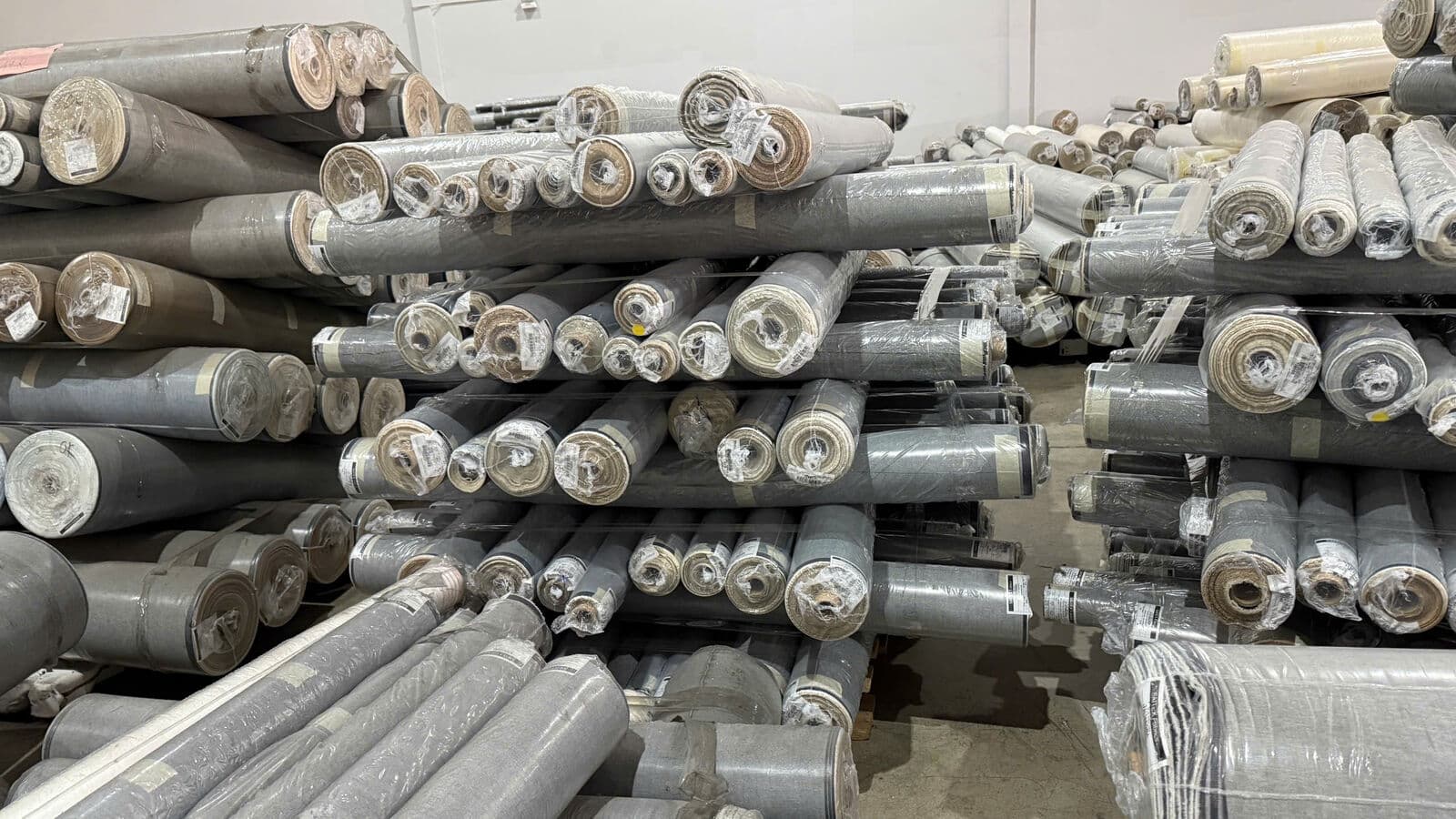
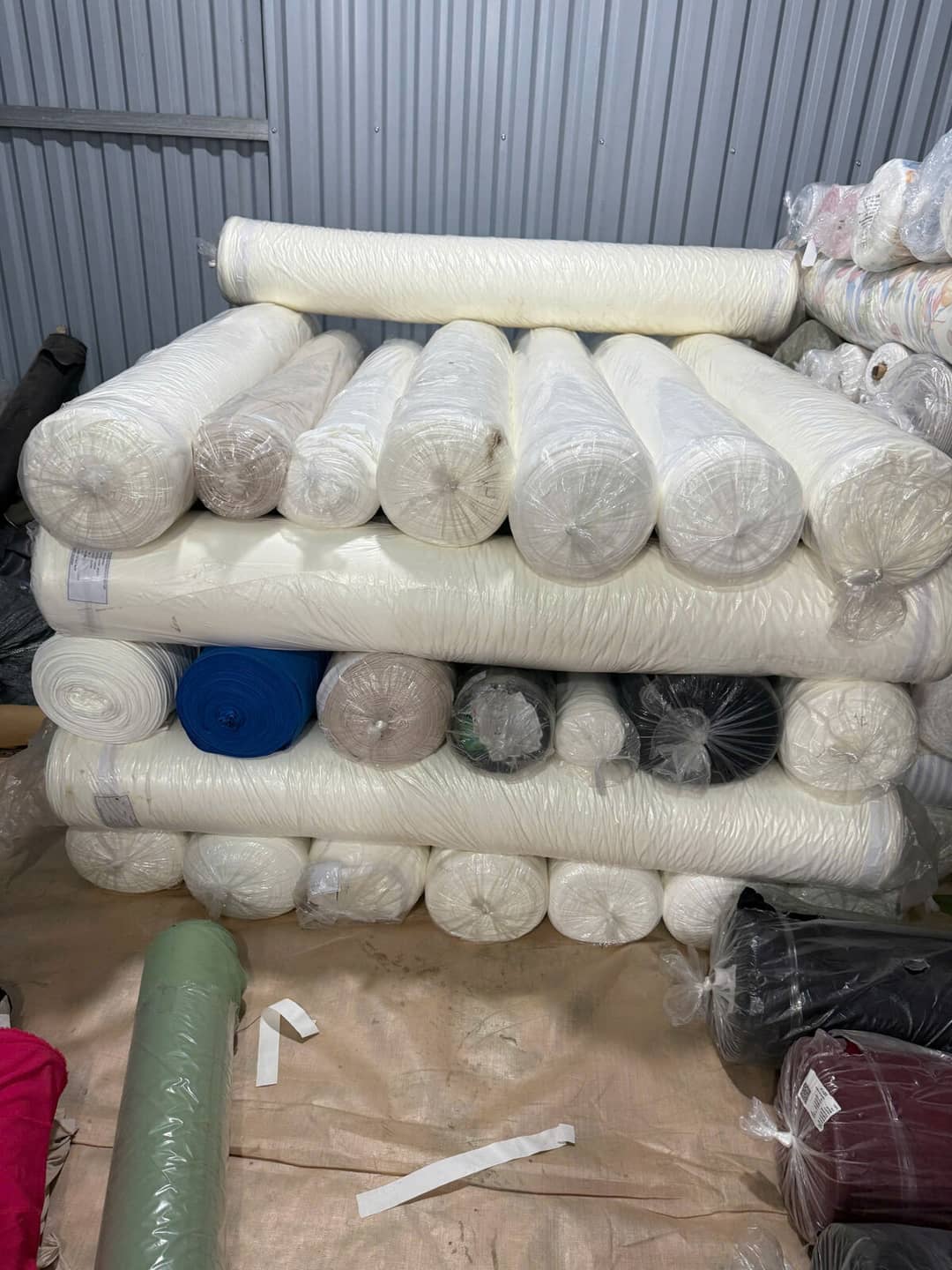
- Form: fabric still in full rolls with labels fetches more than fabric already cut up for inspection.
- Lot size: a large lot with one type of fault finds a market more easily than many odd rolls with different faults.
To understand how these factors add up to the final figure, you can read our fabric buying quote page.
How to photograph defective fabric for an accurate quote
With defective fabric, photos decide whether the price quoted over the phone is close to the final price. Please take:
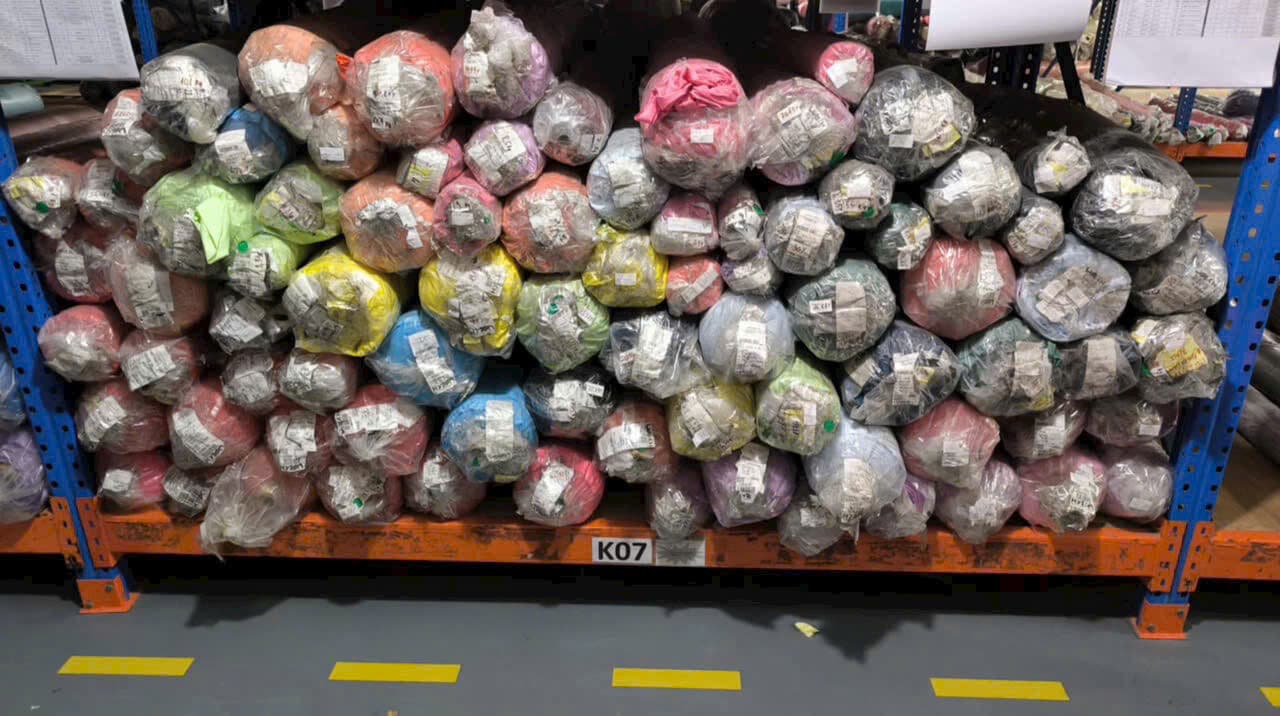
- One overview of the lot showing the number of rolls or bales.
- One close-up of the fabric face in an area without faults, to show the original quality and colour.
- Two or three close-ups of typical faults, with a ruler or a hand beside them to show their size.
- The roll label or inspection report if you still have it, as reports usually state the fault type and rate.
Send them all via Zalo 0904 623 046; you can write in English and we will reply. Gia Bao gives a price range, arranges a visit, unrolls a few rolls to check, agrees the price and pays at your warehouse before loading.
Advice for factory owners holding defective fabric
- Do not hold on too long hoping to "use it later": off-shade fabric kept a few more years picks up stains and mould too, and the price only goes down.
- Separate defective from good fabric: when they share one store, buyers become suspicious of the good lots as well and offer less.
- Mark the faults: if your factory has inspected and tagged fault positions, keep the tags; assessment will be faster and fairer.
- State the faults up front: an honest description makes the photo quote accurate and avoids a price cut on arrival that wastes both sides' time.
- Keep the fabric dry and off the floor: off-shade fabric that also gets damp and mouldy drops into the lowest price group.
Areas we cover for defective fabric
Gia Bao is at 69C Đỗ Đức Dục, Phú Thọ Hòa Ward, Ho Chi Minh City. We inspect defective fabric at garment factories, dye houses and textile mills in Ho Chi Minh City, Binh Duong (now part of HCMC), Dong Nai and Long An. To see what the stock we have actually bought looks like, visit our real photos page.
Do not let defective fabric take up space for another season. Call or message Mr. Tuan Tai and Gia Bao will buy your defective and out-of-season fabric at a price that reflects what it is still worth.