23/10/20262 lượt xem
English below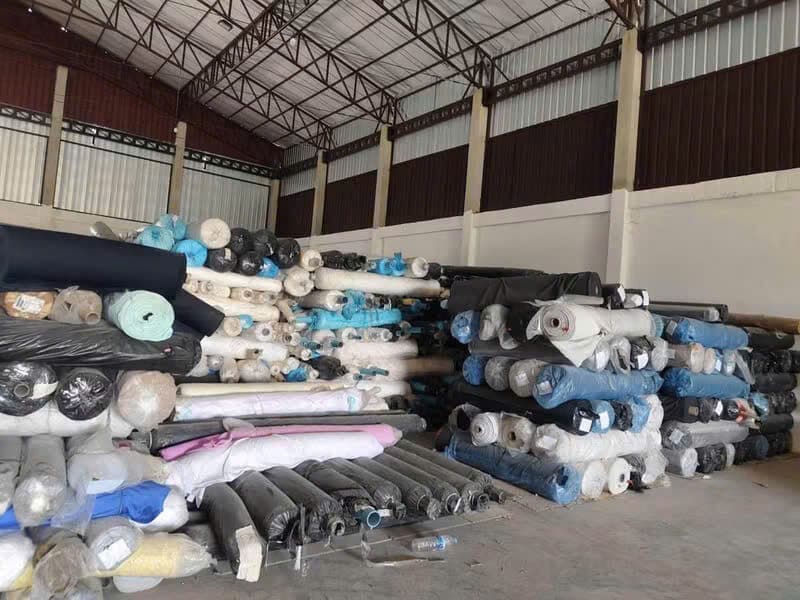
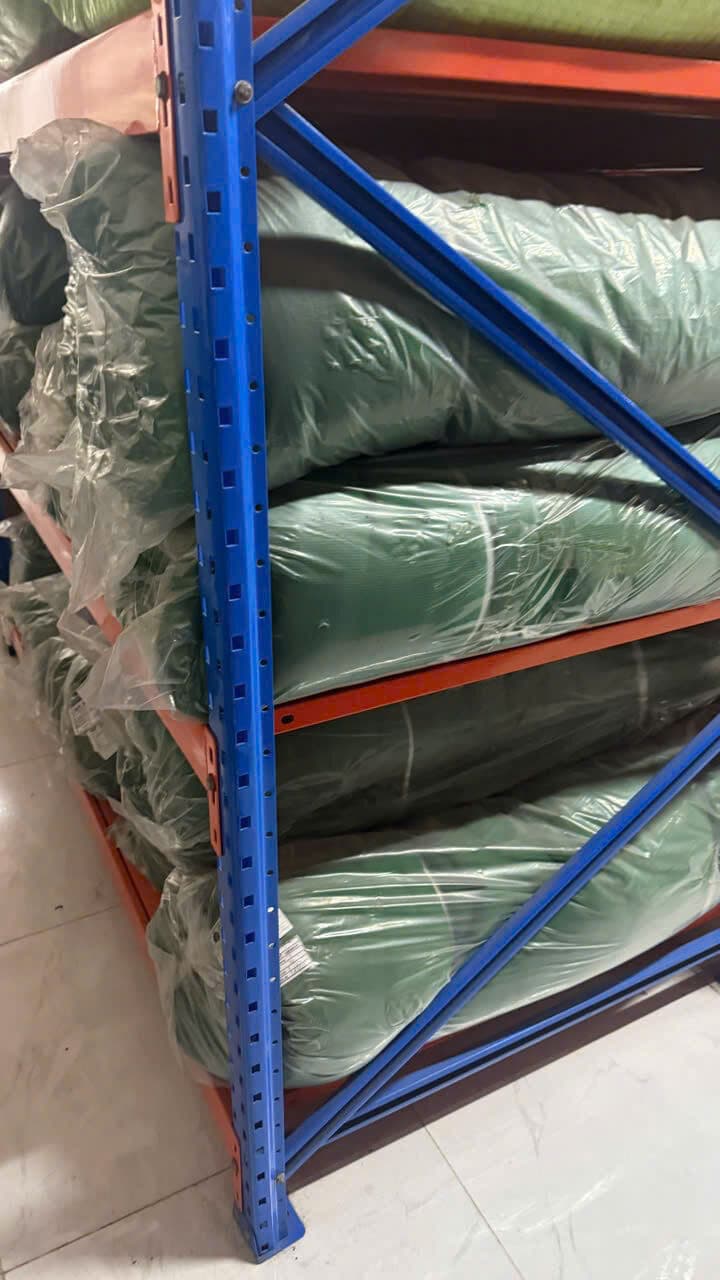
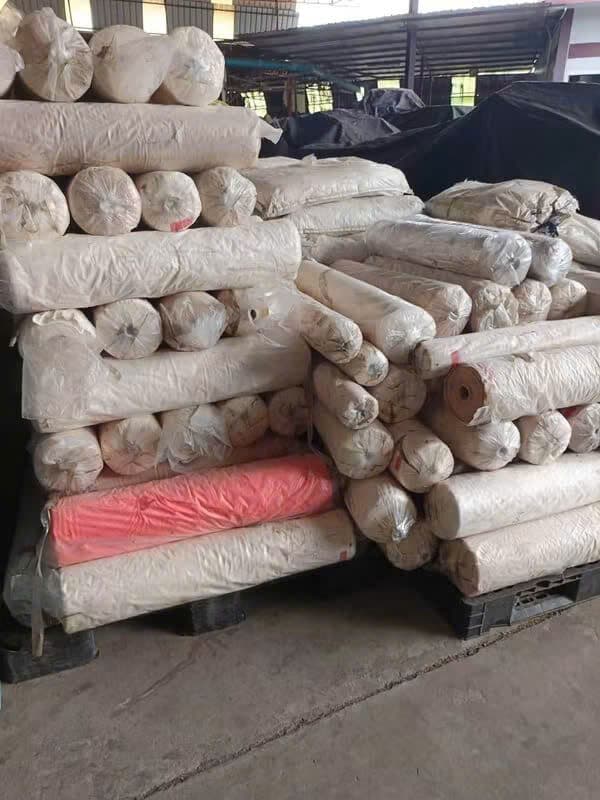
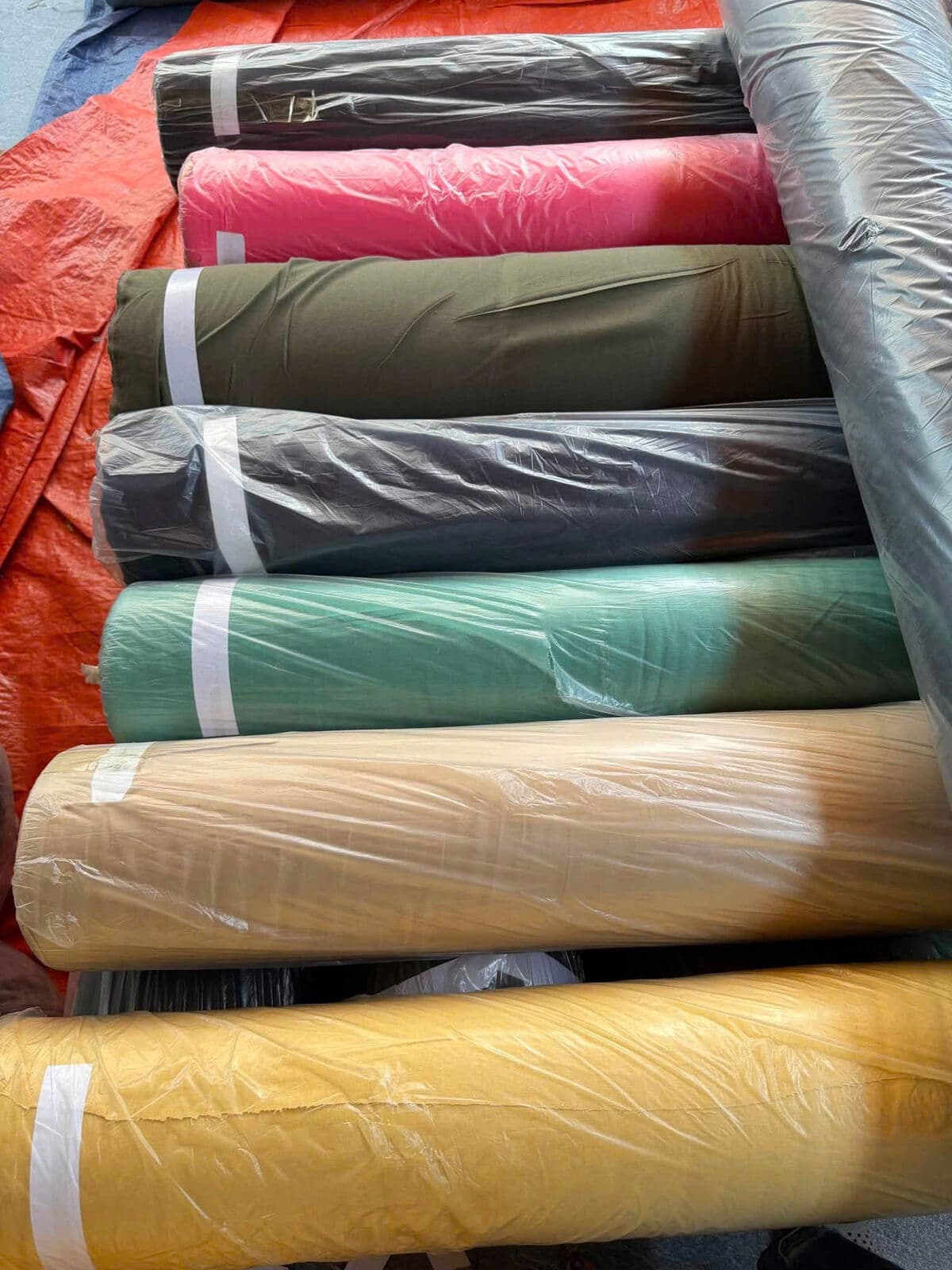
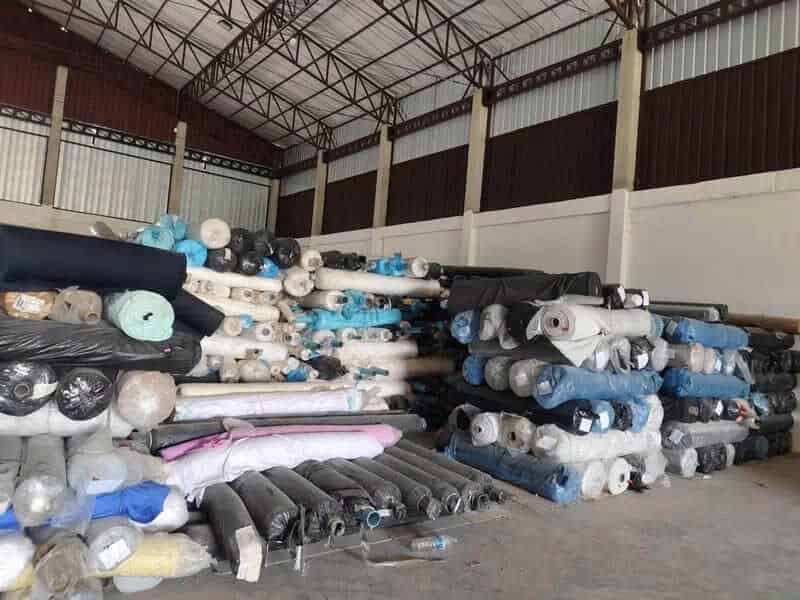
Khi có vải tồn kho thanh lý, câu hỏi đầu tiên người mua đặt ra thường là: "Anh chị muốn bán trọn lô hay tính theo ký?". Nhiều chủ xưởng trả lời theo thói quen, hoặc để người mua quyết luôn. Thật ra cách tính ảnh hưởng trực tiếp đến tổng tiền nhận về, thời gian dọn kho và cả mức độ tranh cãi trong ngày bốc hàng. Bài viết này so sánh bốn cách bán phổ biến: trọn lô, theo ký, theo mét và theo cây, rồi gợi ý cách chọn cho từng loại kho.
Bốn cách tính giá vải tồn kho thanh lý
Trong thực tế mua bán vải tồn kho, người ta hay dùng bốn cách:
- Bán trọn lô (bao kho): hai bên thỏa thuận một con số cho toàn bộ hàng trong kho hoặc một khu vực, không cân, không đo từng cây.
- Bán theo ký: cân toàn bộ hoặc từng nhóm, nhân với đơn giá mỗi ký của từng loại vải.
- Bán theo mét: tính theo chiều dài, thường dựa vào nhãn trên cây vải hoặc đo lại.
- Bán theo cây: mỗi cây một giá, áp dụng khi các cây đồng đều về loại và độ dài.
Không có cách nào luôn lợi nhất. Mỗi cách hợp với một kiểu hàng và một mục tiêu khác nhau: có người cần bán nhanh để trả mặt bằng, có người muốn từng cây vải đẹp được tính đúng giá trị.
Bán trọn lô (bao kho): nhanh nhưng phải biết hàng
Ưu điểm
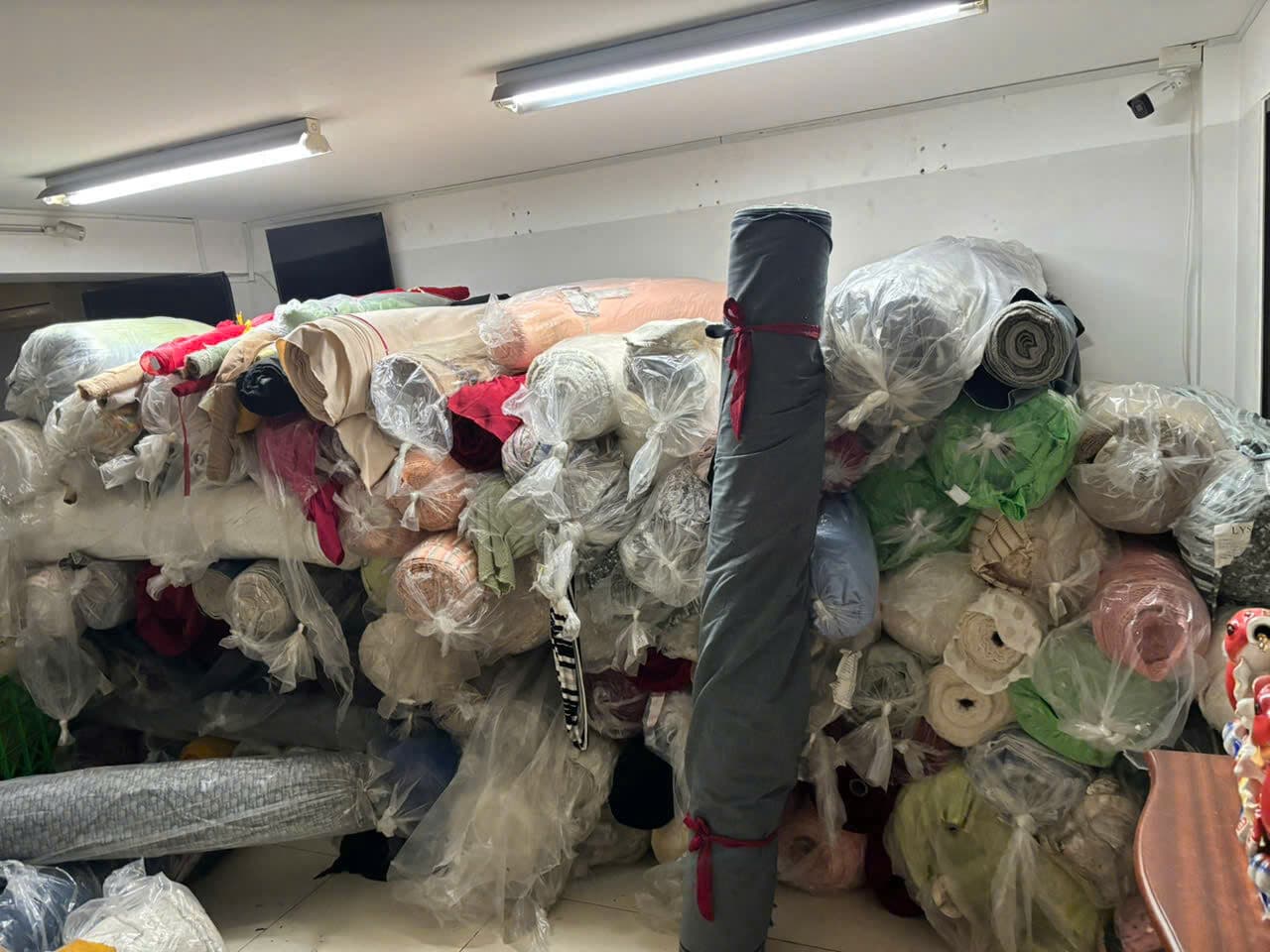
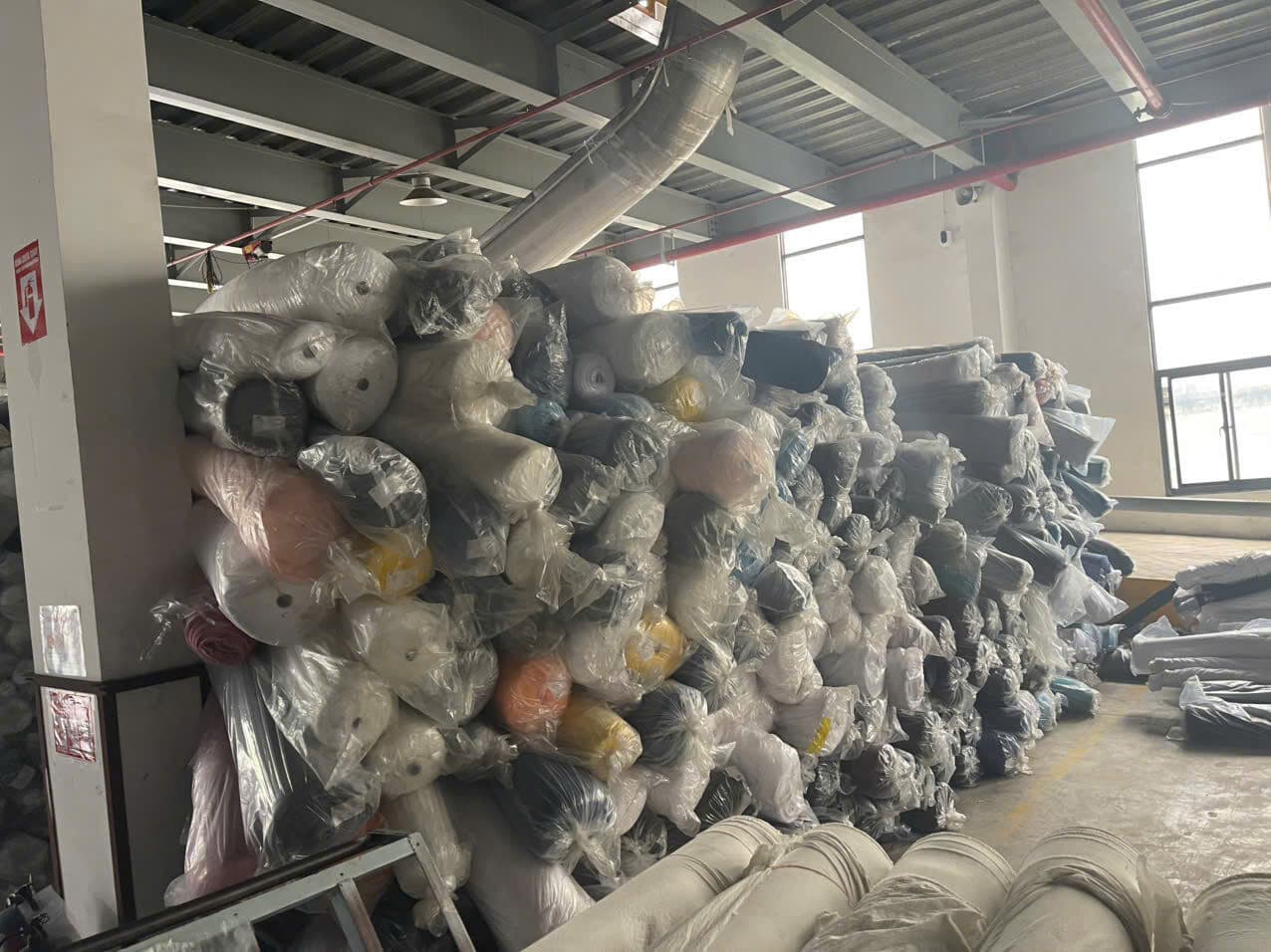
Bán trọn lô là cách nhanh nhất. Không cần cân, không cần phân loại kỹ, người mua xem kho, đưa giá, hai bên chốt là bốc hàng. Với kho lẫn lộn đủ thứ (vải cây, vải khúc, vải vụn, phụ liệu, cả hàng lỗi), bán trọn lô giúp chủ xưởng không phải bỏ ra vài ngày công để phân loại. Người mua cũng chịu luôn phần hàng khó bán, anh chị không bị bỏ lại những thứ không ai lấy.
Nhược điểm
Rủi ro lớn nhất là anh chị không biết rõ kho mình có gì. Người mua nhìn kho bằng con mắt nghề, họ ước lượng khá sát, nhưng để an toàn thường sẽ trừ hao phần không nhìn thấy: các cây xếp sâu bên trong, bao chưa mở. Nếu trong kho có nhiều cây đẹp còn nhãn mà anh chị không kê ra, phần giá trị đó dễ bị gộp chung với phần kém.
Khi nào nên chọn
Bán trọn lô hợp khi: kho lẫn nhiều loại, giá trị mỗi loại không cao; anh chị cần trả mặt bằng gấp; hoặc là kho của xưởng đã đóng cửa, không còn người nắm rõ hàng. Ngay cả khi bán trọn lô, hãy dành một buổi kiểm kê sơ bộ và chụp ảnh từng khu, để có cơ sở so sánh giá giữa các người mua. Cách làm cụ thể có trong bài quy trình thanh lý kho xưởng may.
Bán theo ký: minh bạch và phổ biến nhất
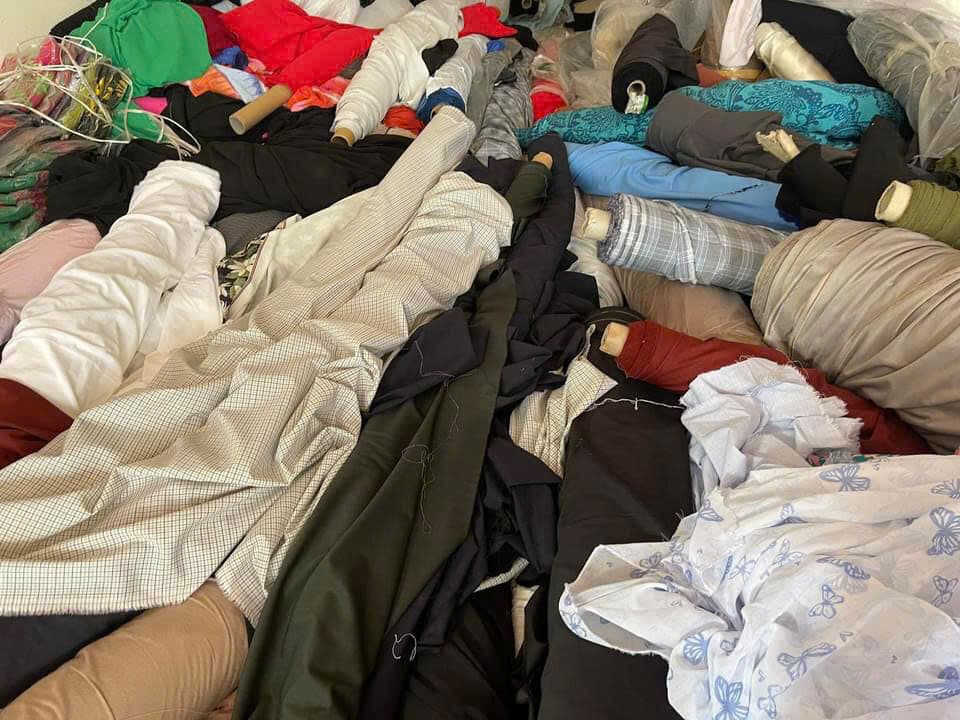
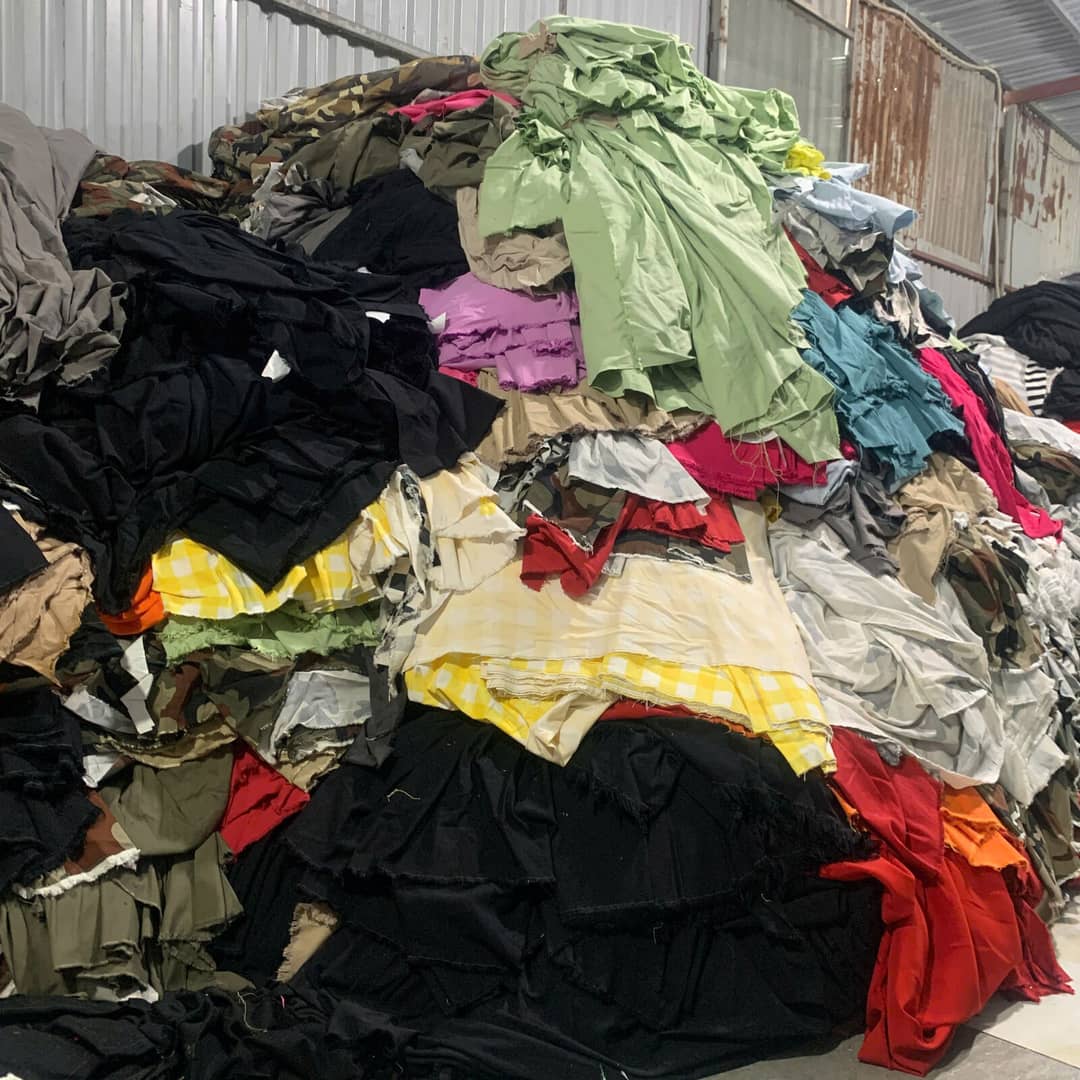
Tính theo ký là cách dùng nhiều nhất khi thu mua vải tồn kho, vì dễ kiểm: cân bao nhiêu thì tính bấy nhiêu, hai bên cùng nhìn số. Vải khúc, vải vụn, vải lỗi gần như luôn tính theo ký, vì không ai đo được từng miếng.
Ưu điểm là minh bạch, phù hợp với kho nhiều loại nhưng đã được phân nhóm. Mỗi nhóm một đơn giá: thun cotton một giá, kaki một giá, vải dù một giá. Gia Bảo có công bố khoảng giá tham khảo theo ký cho từng loại vải ở trang bảng giá thu mua vải; anh chị dùng nó để biết mặt bằng chung, còn giá chốt vẫn theo tình trạng thực tế của từng lô.
Nhược điểm cần biết:
- Vải mỏng cao cấp chịu thiệt. Lụa, voan, linen mỏng nhẹ ký, nên nếu đơn giá không phản ánh đúng chất liệu thì tổng tiền thấp so với giá trị thật.
- Dễ tranh cãi về trừ bì. Lõi ống, nilon, bao tải đều có trọng lượng. Phải thống nhất trừ bao nhiêu trước khi cân.
- Vải ẩm nặng hơn. Người mua có thể trừ thêm nếu vải bị ẩm, nên giữ kho khô trước ngày cân.
Bán theo mét và theo cây: cho vải cây đồng đều
Theo mét
Cần quy đổi qua lại thì dùng bảng 1kg vải bằng bao nhiêu mét.
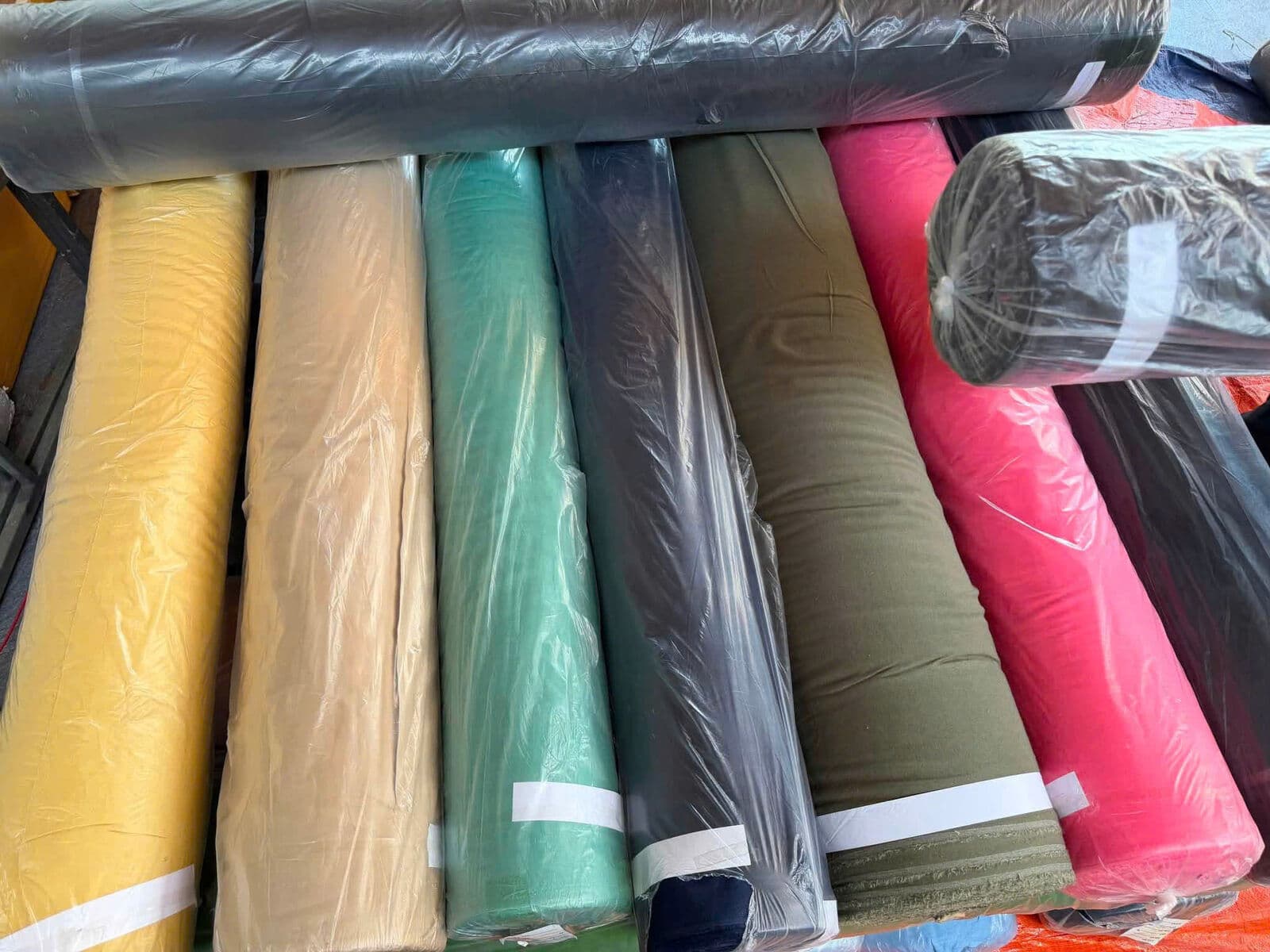
Tính theo mét hợp với vải cây còn nhãn ghi số mét rõ ràng, nhất là các loại vải mỏng giá trị cao mà tính theo ký sẽ thiệt. Cách này phản ánh đúng giá trị sử dụng, vì xưởng may cắt hàng theo mét chứ không theo ký. Bất lợi là mất công: nếu nhãn mất hoặc cây đã cắt dở, phải đo lại từng cây, lô lớn thì tốn nhiều thời gian và dễ sai số.
Theo cây
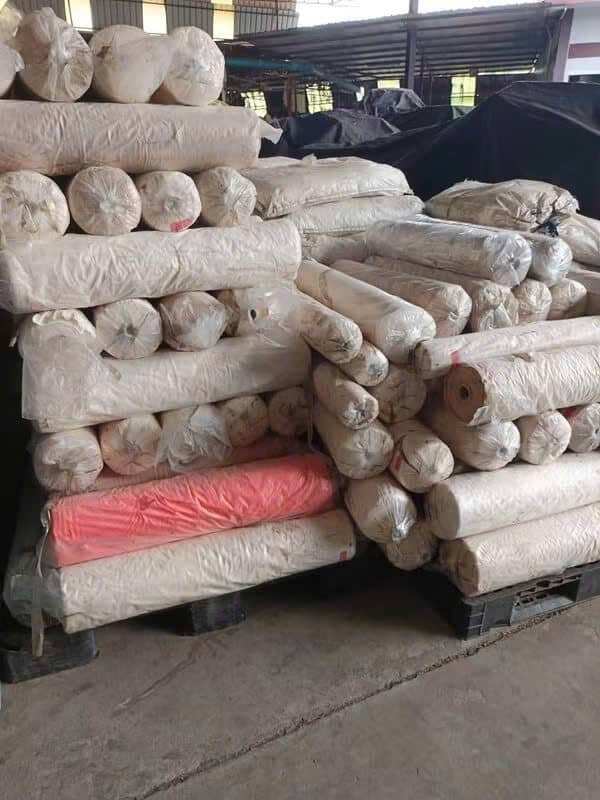
Tính theo cây nhanh hơn theo mét, hợp khi các cây cùng loại, cùng khổ, độ dài tương đương, ví dụ vài chục cây vải mộc nguyên đai từ cùng một đợt nhập. Người mua kiểm ngẫu nhiên vài cây, thống nhất một giá mỗi cây rồi đếm. Không nên tính theo cây khi độ dài chênh nhau nhiều, vì cây dài sẽ bị tính bằng cây ngắn. Thông tin thêm về nhóm hàng này có ở trang thu mua vải cây tồn kho.
Kết hợp nhiều cách: phương án hay dùng nhất
Với phần lớn kho xưởng may, cách hợp lý là chia kho thành nhóm rồi áp cách tính riêng cho từng nhóm:
- Vải cây còn nhãn, giá trị cao: tính theo mét hoặc theo cây.
- Vải cây phổ thông, nhiều loại: cân theo ký, mỗi loại một đơn giá.
- Vải khúc, vải vụn: cân theo ký, tách loại sợi nếu được.
- Hàng lỗi, hàng ẩm, phụ liệu lặt vặt: gộp lại báo một giá trọn gói.
Lấy ví dụ một xưởng may áo thun vừa xong mùa hàng: trong kho có vài chục cây thun cotton còn nhãn, một góc toàn đầu cây đủ màu, mấy chục bao vải khúc và vải vụn, thêm vài thùng nút, dây kéo. Nếu bán trọn lô, những cây thun còn nhãn sẽ bị tính chung với bao vụn. Nếu cân hết theo một đơn giá, thùng phụ liệu và cây đẹp cùng bị kéo xuống. Chia bốn nhóm như trên thì mỗi nhóm được tính đúng giá trị của nó, và thời gian bốc hàng cũng không kéo dài bao nhiêu.
Cách này mất thêm một buổi phân loại nhưng tránh được việc cả kho bị tính theo nhóm thấp nhất. Nếu chưa rõ ranh giới giữa vải cây, vải khúc và vải vụn, anh chị xem bài phân biệt vải cây, vải khúc, vải vụn.
Mua vải tồn kho ở xa: cách tính nào thuận tiện?
Với kho ở tỉnh xa, việc chốt giá thường diễn ra qua ảnh và video trước khi xe đến. Lúc này, đơn giá theo ký kèm danh sách nhóm hàng là cách dễ thống nhất nhất: hai bên chốt đơn giá từng loại trước, đến nơi chỉ còn cân và đối chiếu tình trạng. Bán trọn lô qua ảnh cũng được, nhưng anh chị cần quay video kỹ các khu bên trong để người mua không phải trừ hao nhiều. Gia Bảo làm việc ở phía Bắc qua địa chỉ Hà Nội; các tỉnh lân cận như Hưng Yên, Hải Dương (nay thuộc TP. Hải Phòng) có thể xem trang thu mua vải tồn kho Hưng Yên – Hải Dương.
Gửi danh sách hàng để Gia Bảo báo giá theo cách anh chị muốn
Anh chị không cần quyết trước sẽ bán theo cách nào. Cứ chụp ảnh kho, ghi sơ bộ các nhóm hàng (vải cây bao nhiêu cây, vải khúc vải vụn khoảng bao nhiêu bao) và gửi qua Zalo 0904 623 046 (anh Tuấn Tài). Gia Bảo có thể báo song song giá trọn lô và giá theo ký từng nhóm để anh chị so sánh, rồi xuống kho xem hàng, cân tại chỗ và thanh toán trước khi bốc hàng.
English version
Selling Surplus Fabric Stock: By the Lot or by the Kilo, Meter or Roll?
When you have surplus fabric stock to clear, the first question a buyer usually asks is: "Do you want to sell the whole lot, or by the kilo?" Many factory owners answer out of habit, or let the buyer decide. In fact, the pricing method directly affects the total you receive, how long it takes to clear the warehouse, and how much arguing happens on loading day. This article compares the four common ways to sell, whole lot, by the kilo, by the meter and by the roll, and suggests how to choose for each kind of warehouse.
Four ways to price surplus fabric for liquidation
In everyday surplus fabric trading, people commonly use four methods:
- Selling the whole lot: both sides agree on one figure for everything in the warehouse or in one area, with no weighing or measuring of individual rolls.
- Selling by the kilo: weigh everything, or each group, and multiply by the per-kilo price for each fabric type.
- Selling by the meter: priced by length, usually based on the roll labels or by re-measuring.
- Selling by the roll: one price per roll, used when the rolls are uniform in type and length.
No method is always the most profitable. Each suits a different kind of stock and a different goal: some owners need to sell quickly to hand back their premises, others want every good roll valued at what it is really worth.
Selling the whole lot: fast, but you need to know your stock
Advantages
Selling the whole lot is the fastest way. No weighing, no detailed sorting: the buyer looks at the warehouse, names a price, both sides agree and loading begins. For a warehouse with a bit of everything (rolls, remnants, scraps, trims, even defective goods), selling the whole lot saves the owner several days of sorting. The buyer also takes the hard-to-sell part, so you are not left with things nobody wants.
Disadvantages
The biggest risk is that you do not know exactly what is in your warehouse. Buyers look at stock with a trained eye and estimate fairly closely, but to be safe they usually discount what they cannot see: rolls stacked deep inside, unopened bags. If the warehouse holds many good, labeled rolls that you have not listed, that value is easily lumped in with the weaker goods.
When to choose it
Selling the whole lot makes sense when: the warehouse holds many types, none of them high-value; you need to hand back the premises urgently; or it is the stock of a closed factory and nobody knows the goods well any more. Even when selling the whole lot, spend a session on a rough inventory and photograph each area, so you have a basis for comparing prices between buyers. The detailed steps are in our article on the garment factory stock clearance process.
Selling by the kilo: transparent and the most common
Pricing by the kilo is the method used most often when buying surplus fabric, because it is easy to check: you pay for what is weighed, and both sides see the reading. Remnants, scraps and defective fabric are almost always priced by the kilo, because nobody can measure each piece.
The advantage is transparency, and it suits a warehouse with many types that have already been grouped. Each group has its own unit price: cotton knit one price, khaki another, nylon another. Gia Bao publishes reference per-kilo price ranges for each fabric type on our fabric buying price list; use it to understand the general level, while the final price still depends on the actual condition of each lot.
Drawbacks to be aware of:
- Fine lightweight fabrics lose out. Silk, chiffon and thin linen weigh little, so if the unit price does not reflect the material properly, the total is low compared with the real value.
- Tare is easy to argue about. Tubes, plastic wrap and sacks all have weight. Agree how much to deduct before weighing.
- Damp fabric weighs more. Buyers may deduct extra for damp fabric, so keep the warehouse dry before weighing day.
Selling by the meter or by the roll: for uniform rolls
By the meter
Pricing by the meter suits rolls whose labels clearly show the length, especially thin, high-value fabrics that would lose out if sold by the kilo. It reflects the real usable value, because garment factories cut by the meter, not by the kilo. The downside is the effort: if labels are missing or rolls have been partly cut, every roll must be re-measured, which takes a long time for a large lot and is prone to error.
By the roll
Pricing by the roll is quicker than by the meter and works when the rolls are the same type and width and roughly the same length, for example a few dozen strapped rolls of greige fabric from one delivery. The buyer checks a few rolls at random, agrees a price per roll, then counts. Do not price by the roll when lengths vary widely, because long rolls end up valued the same as short ones. More on this category on our page about buying surplus fabric rolls.
Combining methods: the approach used most often
For most garment factory warehouses, the sensible approach is to split the stock into groups and apply a separate pricing method to each:
- Labeled, high-value rolls: priced by the meter or by the roll.
- Everyday rolls of many types: weighed by the kilo, with a unit price per type.
- Remnants and scraps: weighed by the kilo, separated by fiber type if possible.
- Defective goods, damp goods, miscellaneous trims: grouped together at one package price.
Take a T-shirt factory that has just finished its season: the warehouse holds a few dozen labeled cotton knit rolls, a corner full of roll ends in every color, dozens of bags of remnants and scraps, and a few boxes of buttons and zippers. Sold as one lot, the labeled knit rolls are valued together with the scrap bags. Weighed at a single unit price, the trims and the good rolls are both dragged down. Split into the four groups above, each group is valued at what it is worth, and loading does not take much longer.
This takes an extra session of sorting but prevents the whole warehouse from being priced at the lowest grade. If you are unsure where rolls end and remnants and scraps begin, see our article on telling fabric rolls, remnants and scraps apart.
Buying surplus fabric from far away: which method is most practical?
For warehouses in distant provinces, the price is usually agreed from photos and video before the truck arrives. In that case, per-kilo unit prices with a list of goods groups are the easiest to agree on: both sides settle the unit price for each type first, and on arrival all that is left is weighing and checking the condition. Selling the whole lot from photos also works, but you need to film the inner areas carefully so the buyer does not have to discount heavily. Gia Bao serves the north through our Hanoi address; for nearby provinces such as Hung Yen and Hai Duong (now part of Hai Phong City), see our page on buying surplus fabric in Hung Yen – Hai Duong.
Send your stock list and Gia Bao will quote the way you prefer
You do not need to decide in advance how to sell. Just photograph the warehouse, jot down the rough groups of goods (how many rolls, roughly how many bags of remnants and scraps) and send them via Zalo to 0904 623 046 (Mr. Tuan Tai); you can message us on Zalo in English. Gia Bao can quote both a whole-lot price and per-kilo prices by group side by side so you can compare, then visit your warehouse to check the goods, weigh on site and pay before loading.