27 September 20260 views
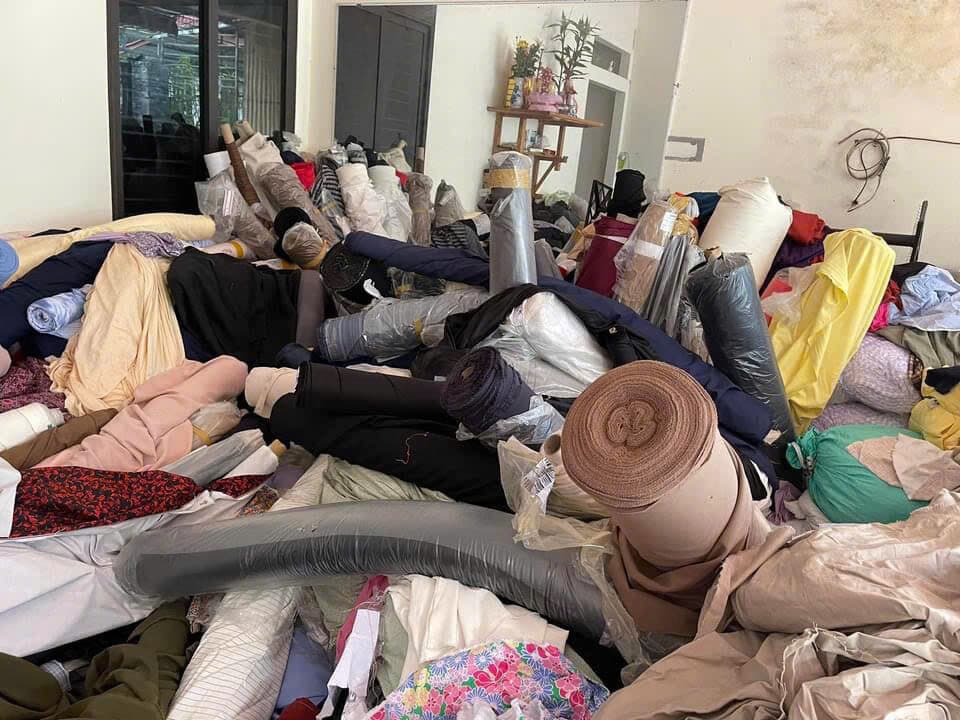
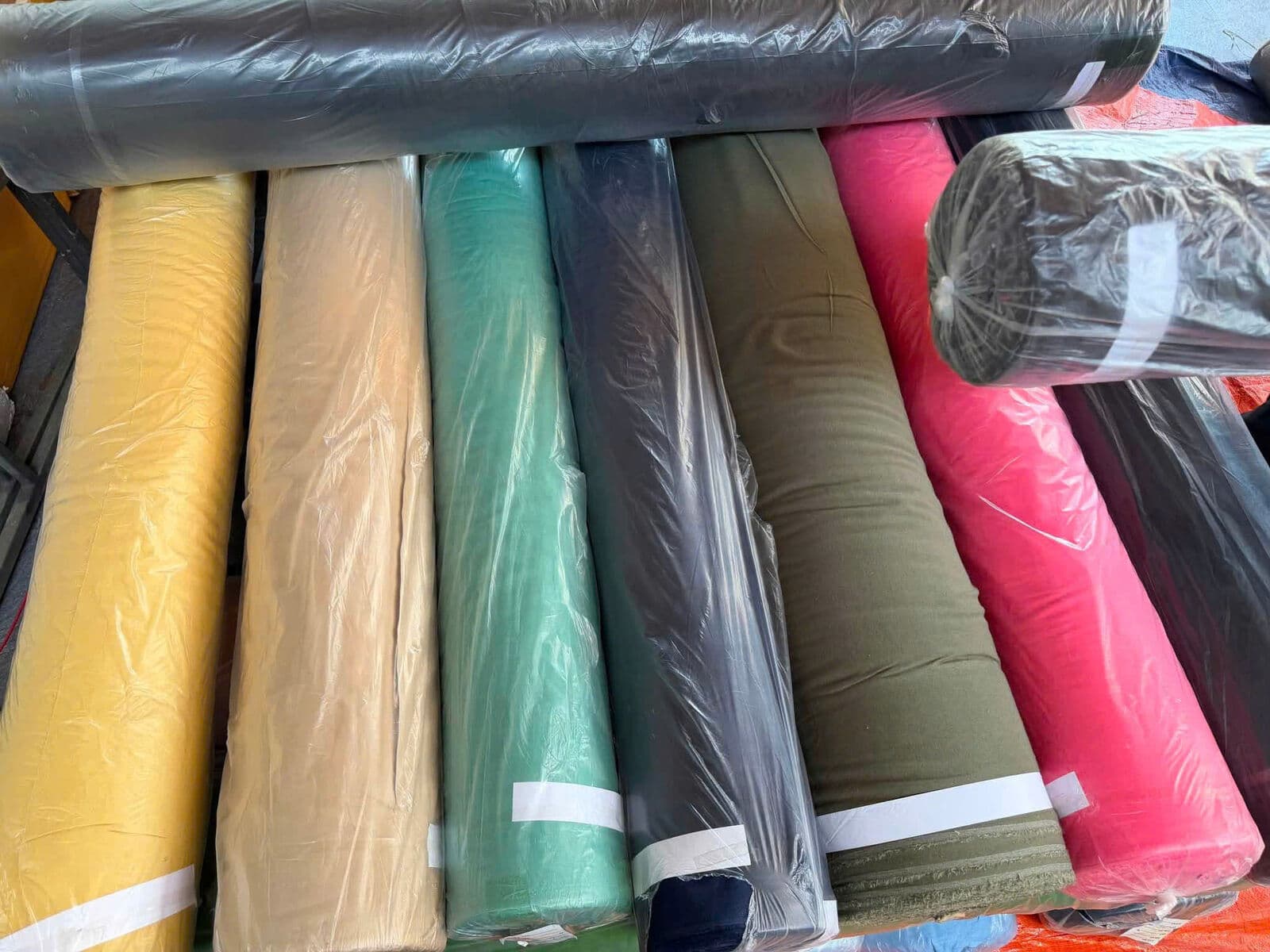
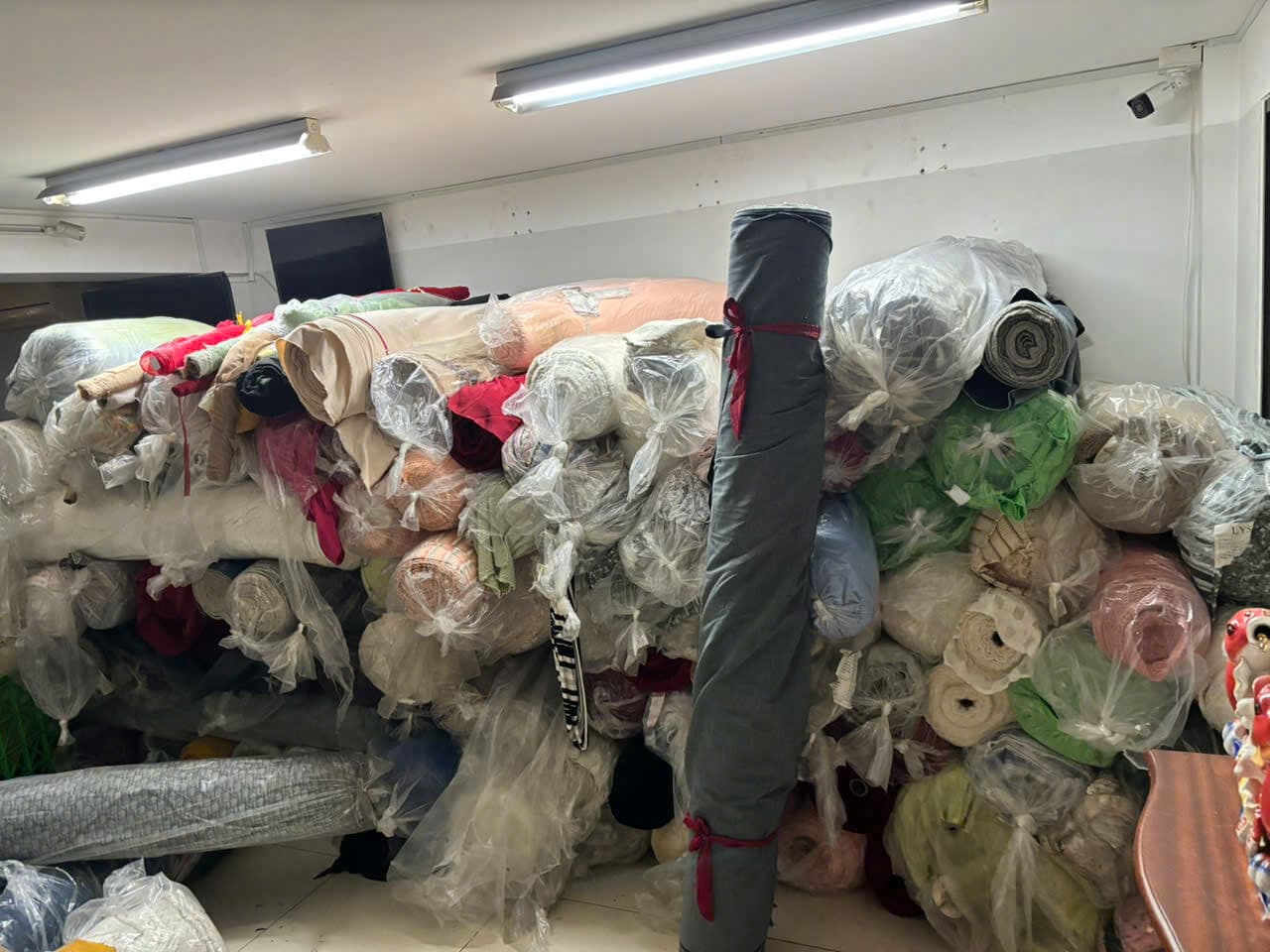
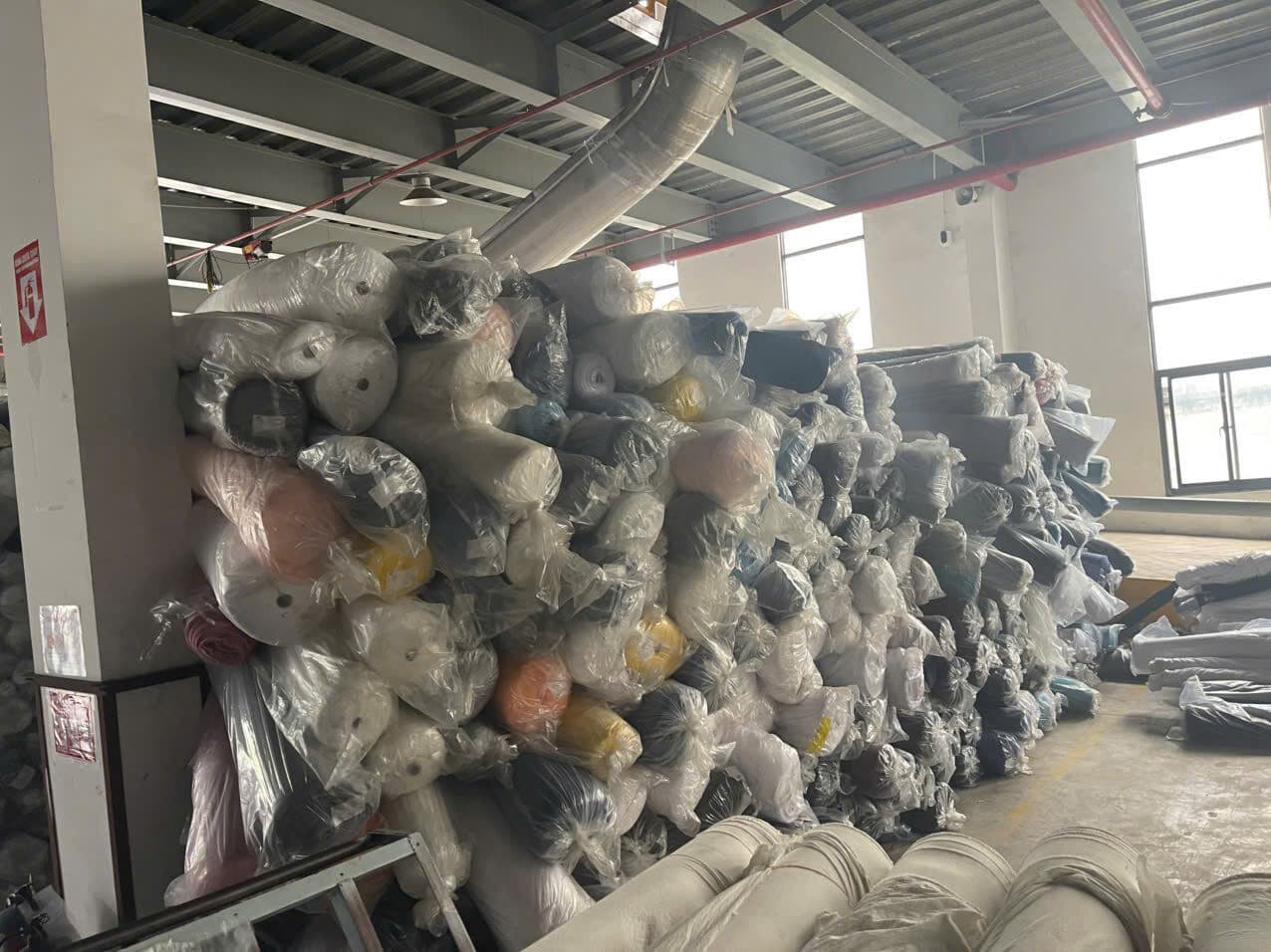
Clearing out a garment factory warehouse is something almost every factory has to do at least once a year: after the peak season, when orders are cancelled, when the factory moves, or simply when the storeroom is so full that workers have to climb over fabric rolls to get to anything. The hard part is getting a fair price, not losing a whole week to the clean-up, and not being left with a pile of poor stock nobody wants. Below is the 6-step process Gia Bao usually walks factory owners through before we come to inspect the goods.
Why clear your factory's fabric stock early rather than wait
Many factory owners hold on to surplus fabric "in case an order needs it", but its value drops over time for three reasons:
- Colors and designs go out of fashion. Floral fabrics, seasonal prints or this year's trend colors are much harder to sell next year.
- Quality deteriorates. Hot, humid warehouses in southern Vietnam make fabric prone to yellowed edges, dust and musty smells, and rolls at the bottom of the stack get crushed.
- Space costs money. Every square meter of warehouse holding surplus fabric is a square meter not used for production, not to mention the rent if the factory has to hire extra storage.
Clearing stock quickly is therefore not a "fire sale"; it is getting your money back while the goods are at their best. A lot of fabric rolls still in their plastic wrap sold now will always fetch more than the same lot after a rainy season.
Step 1: Take stock of the entire warehouse, not just what is easy to see
The first step is knowing exactly what you have. Many factories only remember the rolls at the front and forget the remnants in sacks or the accessories on the mezzanine. Then, after the price is agreed, another few hundred kilos turn up and everything has to be renegotiated.
Walk through the warehouse and note down what is in each area:
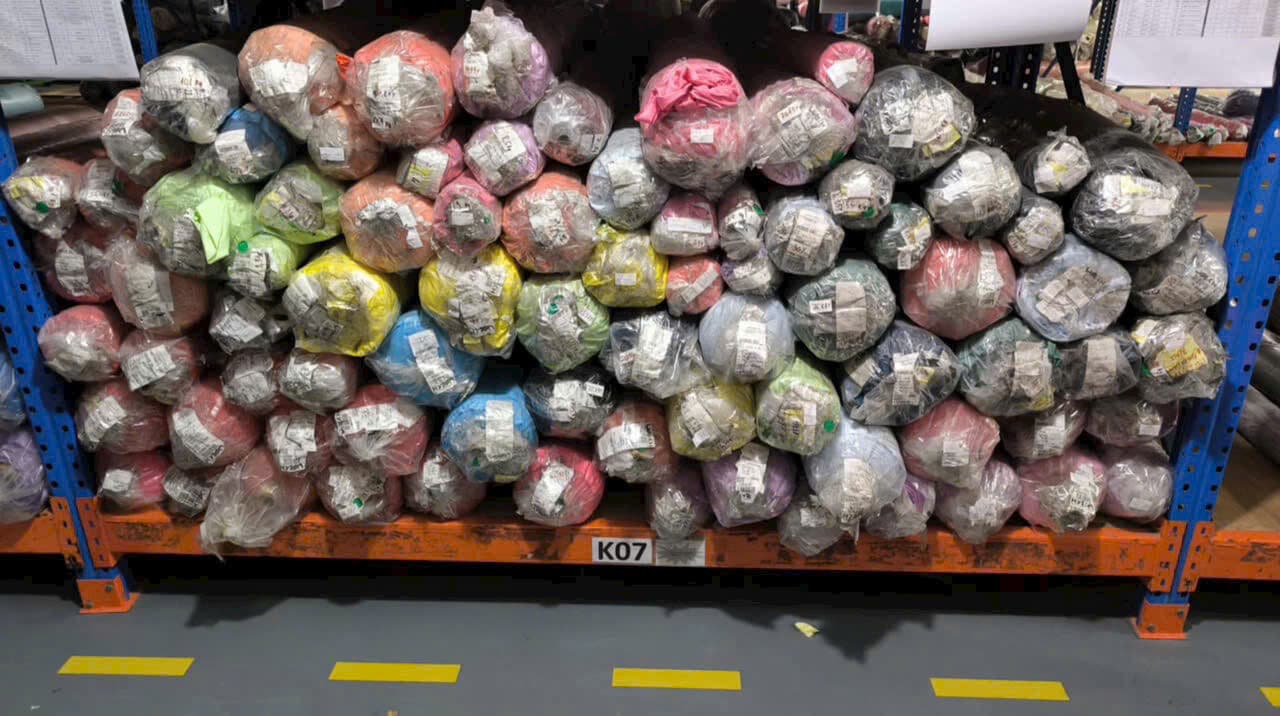
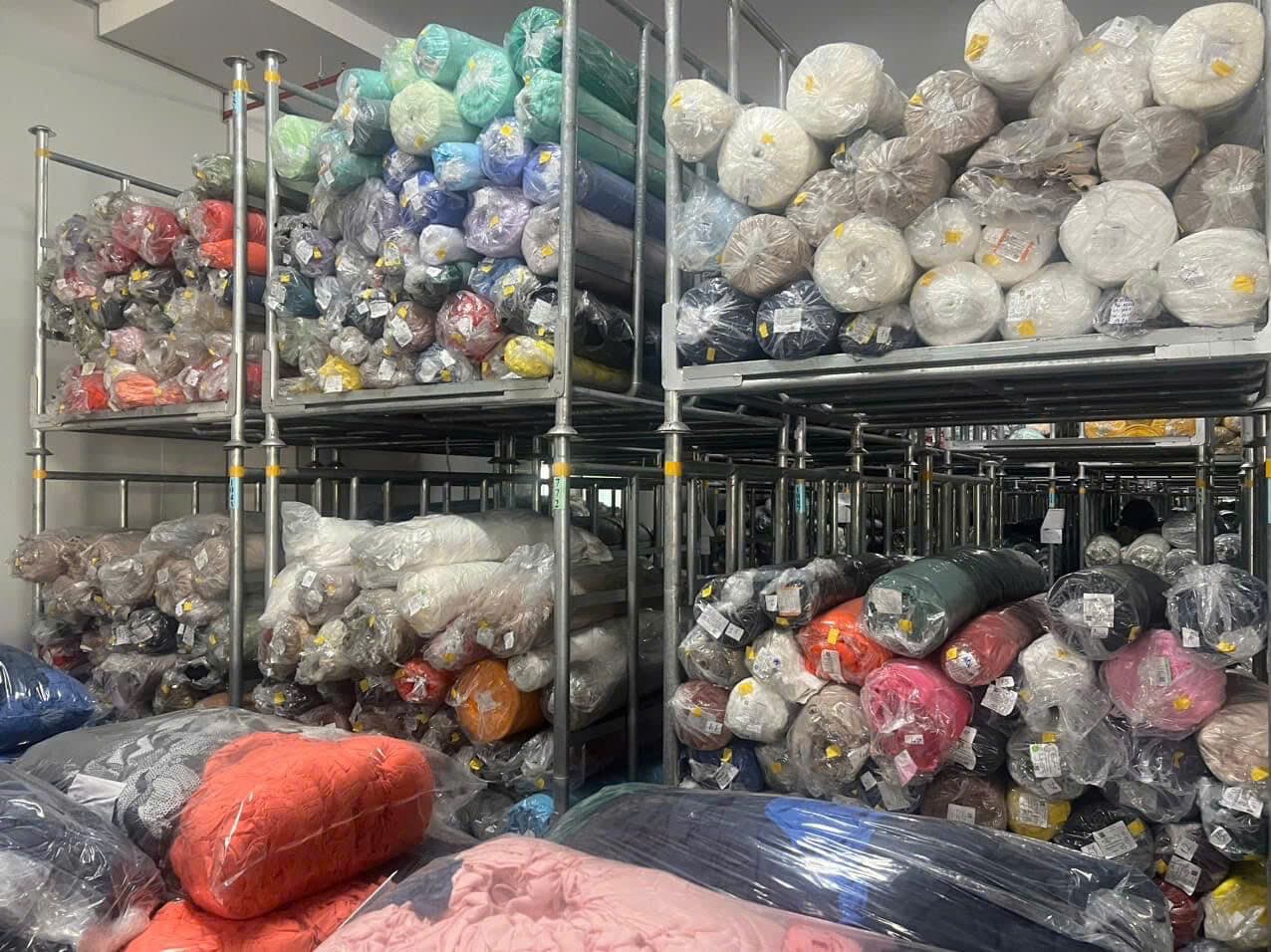
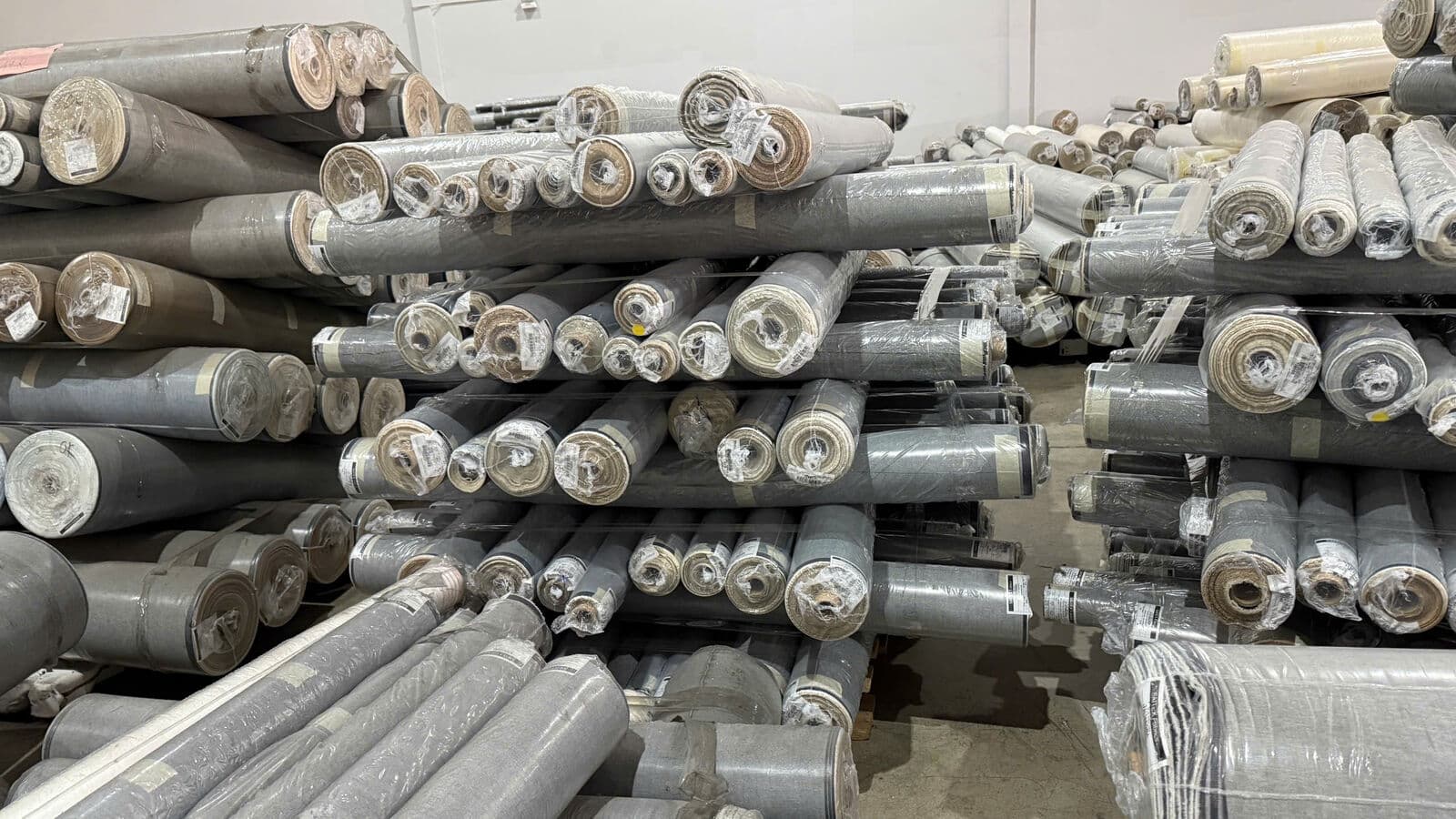
- Full or nearly full fabric rolls (still on tubes, still labeled).
- Roll ends and odd rolls with a few dozen meters left.
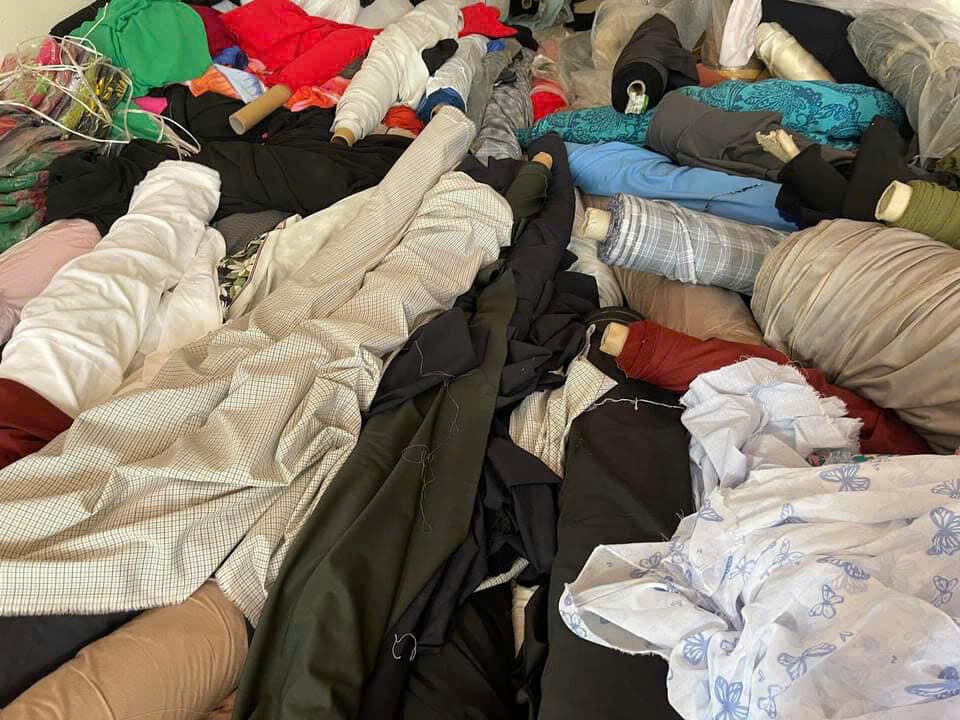
- Remnants, short lengths and leftovers after cutting.
- Scraps and cutting waste.
- Defective fabric: color faults, weaving faults, returned fabric.
- Accessories: thread, buttons, zippers, elastic, labels and tags, interlining, collar ribbing.
You do not need to be accurate to the meter. An estimate like "about 200 rolls of khaki twill, 3 sacks of remnants, 20 boxes of thread" is enough.
Step 2: Group the goods by fabric type and condition
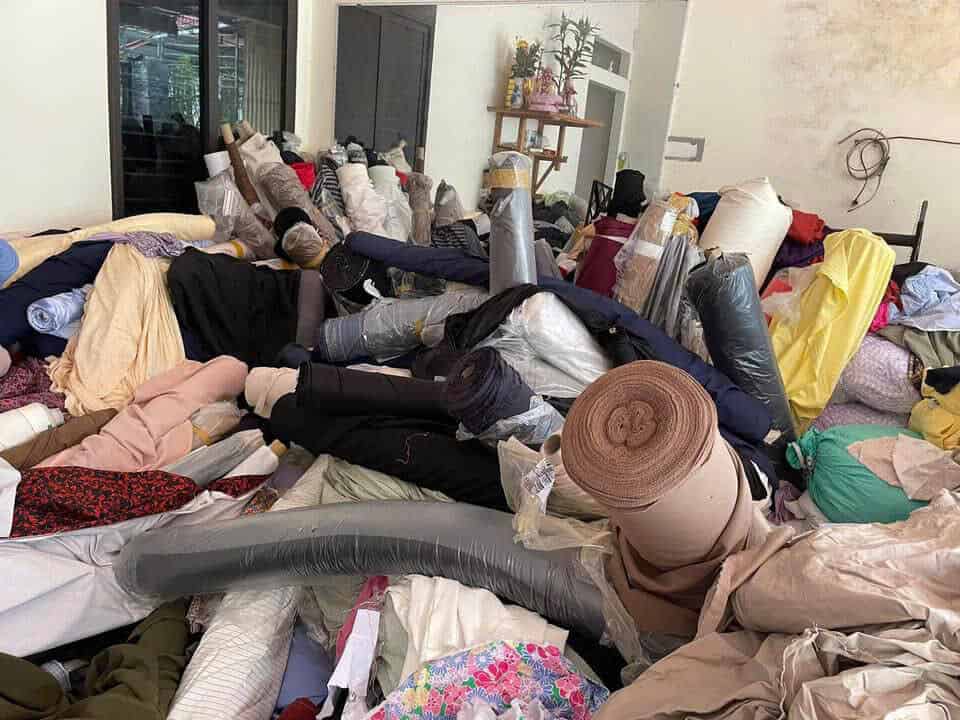
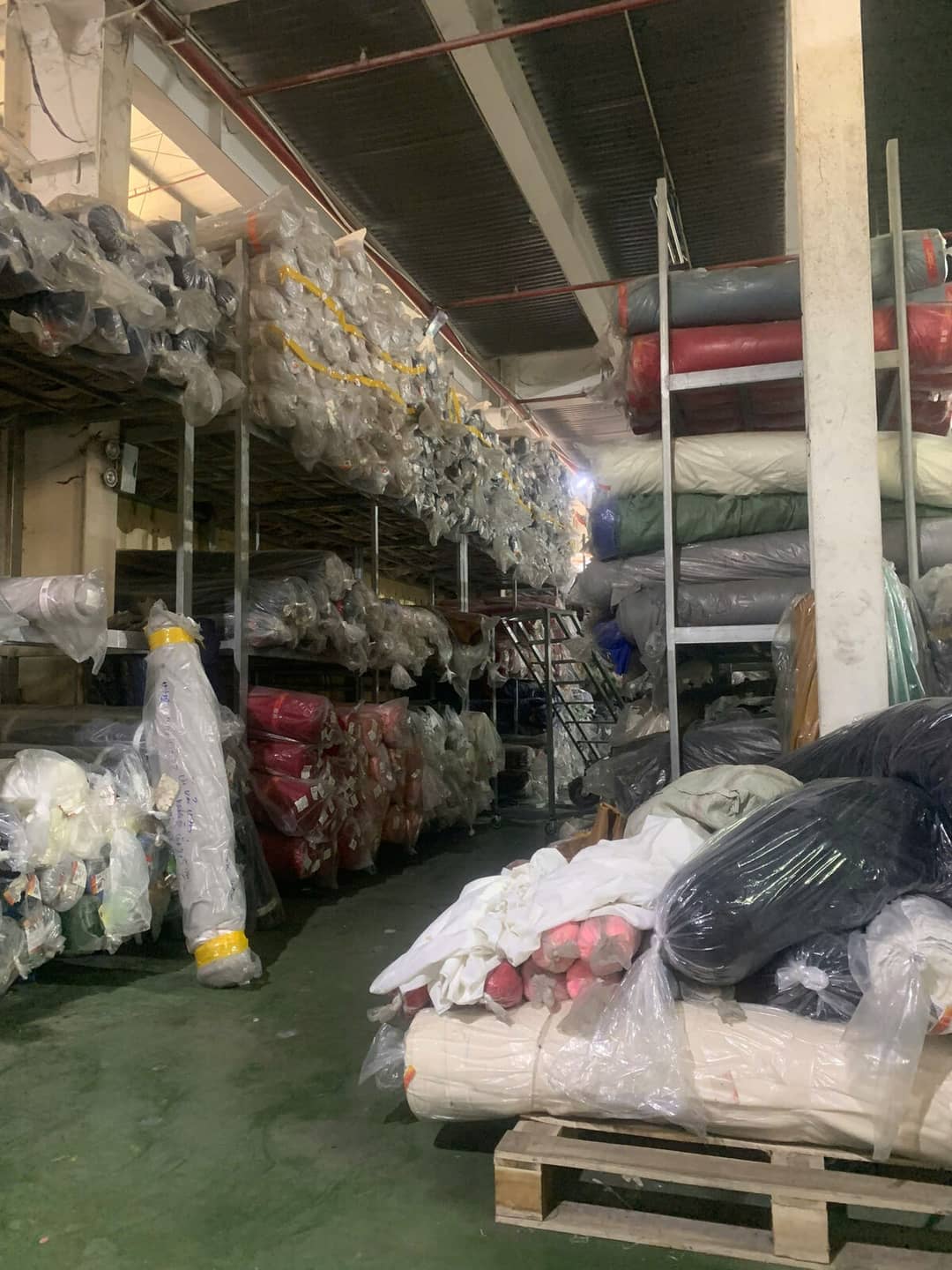
This is the step that affects the price most, and it is often skipped. When good fabric is mixed with defective fabric, the buyer has to price on the worst part; when goods are clearly separated, each group is valued at what it is really worth.
A simple but effective way to group:
- By material: cotton, kate (poly-cotton shirting), knit, khaki twill, denim, linen, nylon taffeta, polyester, rayon, silk. Fabrics with a high natural fiber content usually fetch more than synthetic fabrics of the same thickness.
- By length: full rolls, roll ends, remnants, scraps. The longer and more continuous the fabric, the easier it is to resell.
- By condition: as new, slightly dirty, yellowed, mildewed, torn.
If you are not sure what a roll is, just set it aside; an experienced buyer will identify it for you on the spot. Fabric with color or weaving defects can still be sold, it just needs to be kept separate. See also our defective fabric buying page.
Step 3: Take photos and note specifications for a remote quote
Before inviting anyone to the factory, send photos to get a reference price and save both sides time. The photos should include:
- One overview photo of each group of goods to show the volume.
- One close-up of the fabric surface in natural light, without yellow lighting that distorts the color.
- Photos of the labels on the roll ends if they are still there: article number, width, meters or kilos, composition.
- Photos of any defects or stains. Honest photos mean an accurate quote, and avoid the price being cut once the buyer arrives.
Add a few lines: the factory address, whether the storeroom is on the ground floor or upstairs, whether a truck can reach the warehouse door, and the date it needs to be cleared by. These details affect loading costs and therefore the price. To understand in detail what pushes the price up or down, see our fabric buying quote page.
Step 4: Book an on-site inspection and agree on the pricing method
Once you have a preliminary price from the photos, the next step is to have the clearance buyer come and see the actual goods. At this point there are three things to agree on clearly, ideally in writing by text message:
- What the price is based on: by the kilo (weighed), by the meter or by the roll. Full rolls are usually priced by the kilo or by the roll when the label shows the meterage; remnants and scraps are almost always priced by the kilo.
- Whole lot or selected goods: buying the whole lot means taking everything, good and bad; the average price may be slightly lower, but the warehouse is completely cleared. With selective buying, the good goods fetch more, but you have to deal with the rest yourself.
- Who handles loading and transport: whether the buyer does it all or the factory has to provide workers.
If your factory wants to clear its surplus fabric in a short time, go for a whole-lot sale: when you sell piece by piece, the good goods go very fast and you are left with scraps and defective fabric sitting there for months. Factories that produce surplus fabric regularly can look at our garment factory surplus fabric buying service for periodic clearance.
Step 5: Prepare the space, the people and the paperwork
Before collection day, you should:
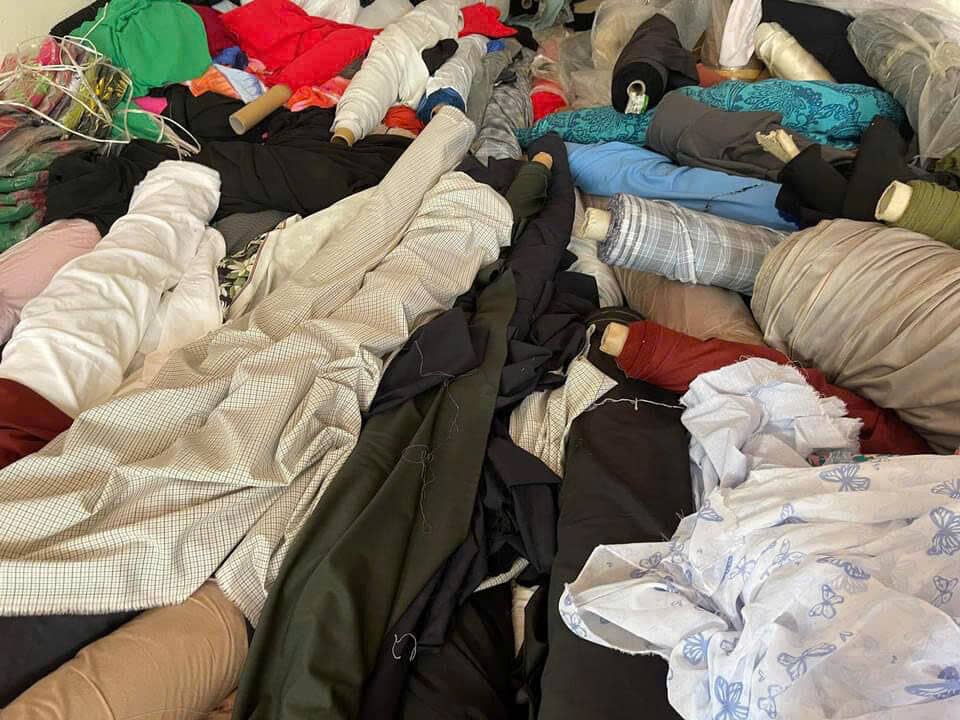
- Clear a path from the warehouse to the door, and move machinery or work in progress out of the way.
- Notify industrial park security in advance if your factory is in a park that controls vehicle access; parks such as Tan Tao, Vinh Loc or Song Than often require trucks to be registered.
- Assign someone who knows the figures to supervise the weighing and sign off.
- For companies, talk to your accountant in advance about the clearance paperwork: stocktake record, liquidation decision and delivery record. Getting the documents right from the start keeps your books in line with what is actually in the warehouse.
Step 6: Weigh, pay and load on the same day
This is the final step, and the one most likely to cause disputes if it is not transparent. When Gia Bao buys, we weigh at the factory in front of the owner, write down the weight of each group on a slip, both sides sign, and only then do we pay, in cash or by bank transfer as you prefer. Our staff do all the loading, so the factory does not have to pull workers off the line.
Watch out for a few small things at this stage:
- Test the scale with an object of known weight.
- Deduct the tare (sacks, pallets, cardboard tubes) as agreed in step 4.
- Only let the truck leave once the transfer has arrived or the cash has been received in full.
The full process of working with us is described in more detail on our buying process page.
Mistakes that cost factory owners money when clearing stock
Over many warehouse visits, we have seen a few mistakes come up again and again:
- Leaving fabric on a bare concrete floor. Moisture from the floor soaks into the bottom layer, and after a few months it is stained and smells musty.
- Tearing off roll labels. Without the label, you lose the width, meterage and composition information; the buyer has to guess, and usually guesses low.
- Mixing scraps into remnant sacks. The whole sack is then priced as scraps.
- Waiting too long to call. The longer goods sit, the more their price falls, especially seasonal fabrics.
Contact Gia Bao for a fast stock clearance
If your factory needs to clear its warehouse, just take a few photos of the goods and send them via Zalo to 0904 623 046, or call our hotline 0904 623 046 and ask for Mr. Tuan Tai. You can message us on Zalo in English and we will reply. We give a preliminary quote from photos, arrange a visit to inspect the goods, weigh on site, pay immediately and handle loading and transport ourselves. We take both large and small lots, in Ho Chi Minh City and the surrounding provinces.