26 September 20260 views
In the fabric buying trade, surplus rolls, remnants and scraps are three completely different categories, even though many factory owners see them all as "leftover fabric". Each has its own resale buyers, its own pricing method and its own price level. If you clear your stock without telling them apart, it is very easy for the whole warehouse to be priced at the lowest grade. This article explains each type the way people in the trade talk about them at the Tan Binh and Soai Kinh Lam fabric markets, along with a quick way to sort your stock right there in the factory.
Why sort before you sell?
A buyer sets the price based on what the fabric will be used for next. Long lengths can go back to a garment factory and be cut into finished products. Shorter pieces are for small items, children's clothing, bags and face masks. Pieces that are too small can only become cleaning rags, cushion stuffing or recycled fiber. The usefulness of fabric falls as the pieces get shorter, and so does the buying price.
When the categories are mixed, the buyer cannot sit and pick through every piece in a big sack. They have to look at the worst part and quote on that to be safe. That is why, for the same weight of fabric, a neatly sorted warehouse usually brings in more money in total than a jumbled one.
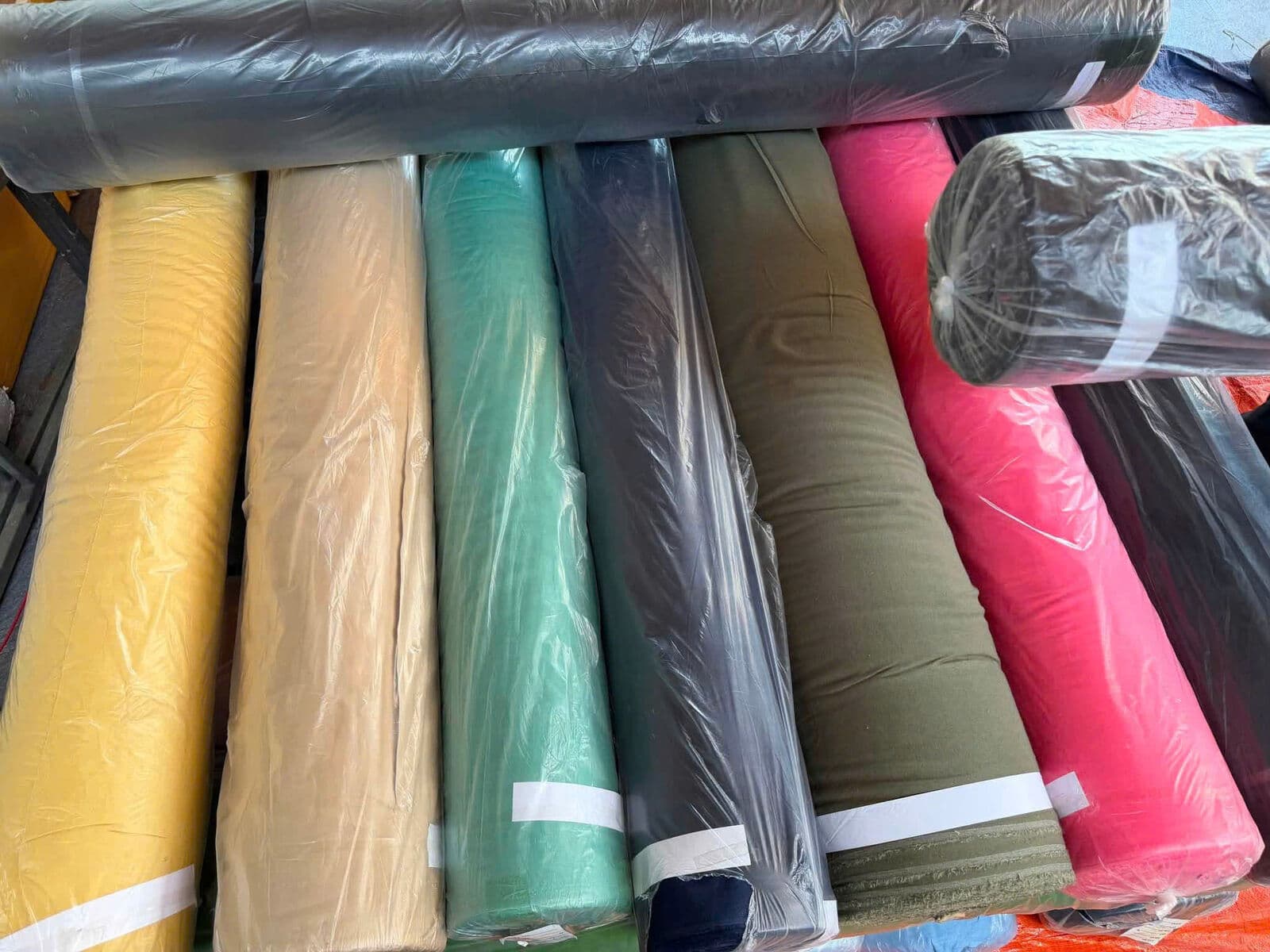
Surplus fabric rolls: the highest-value category
Full rolls
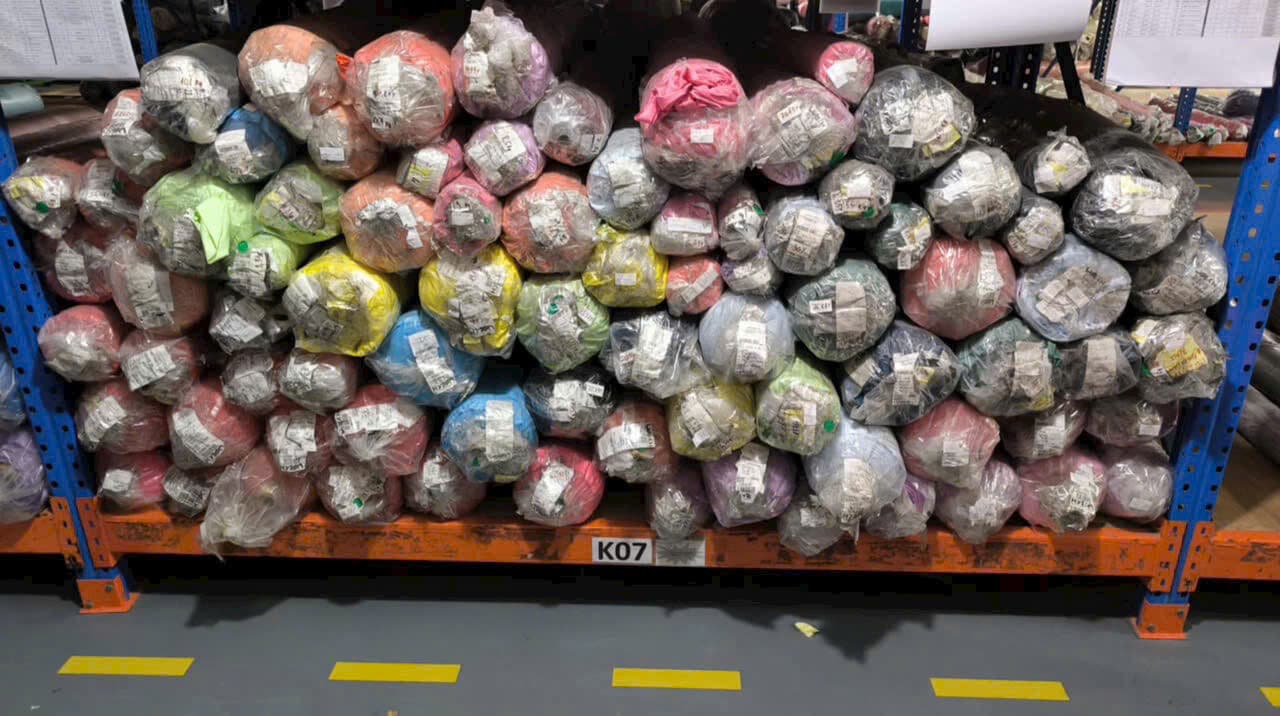
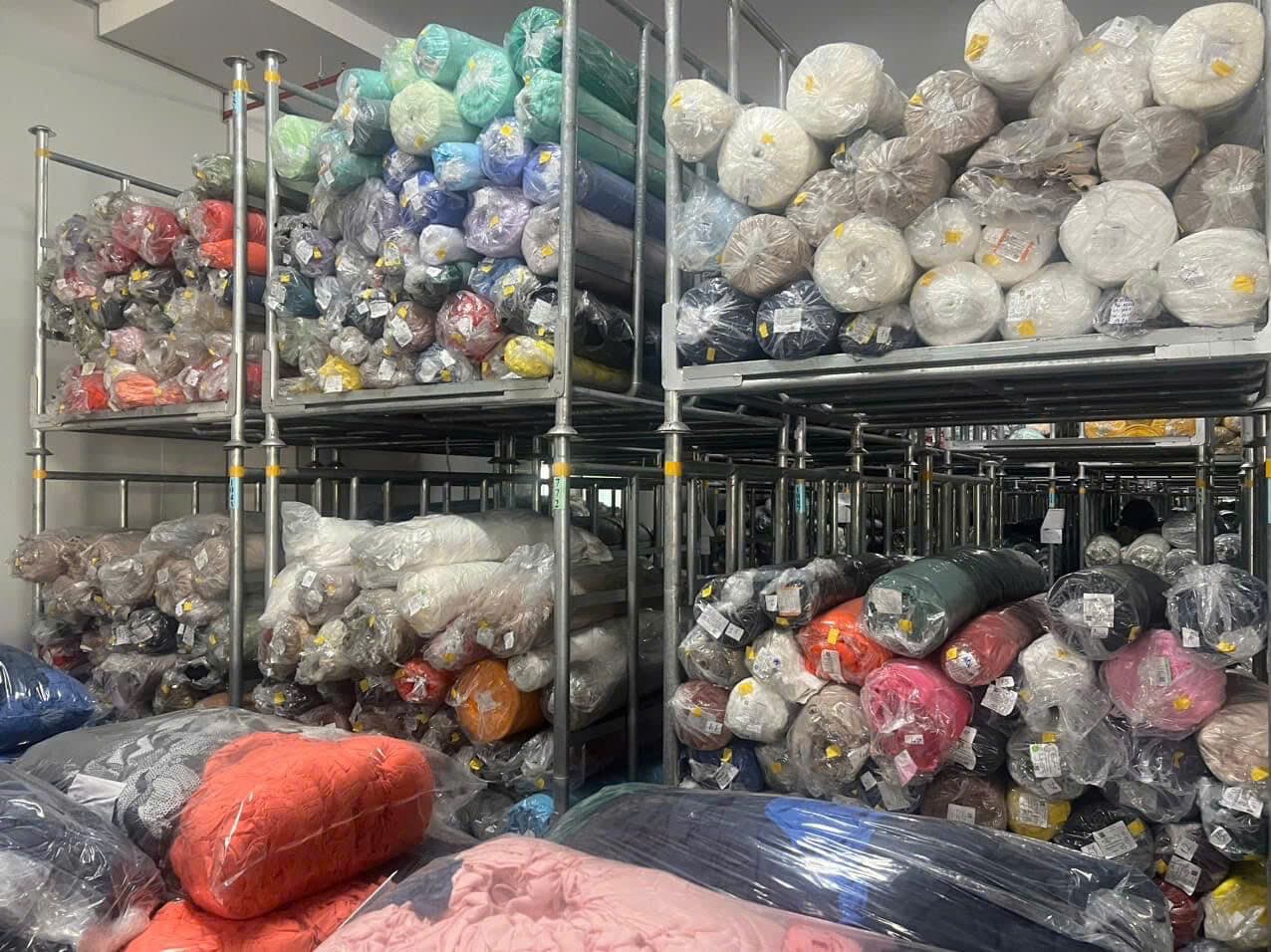
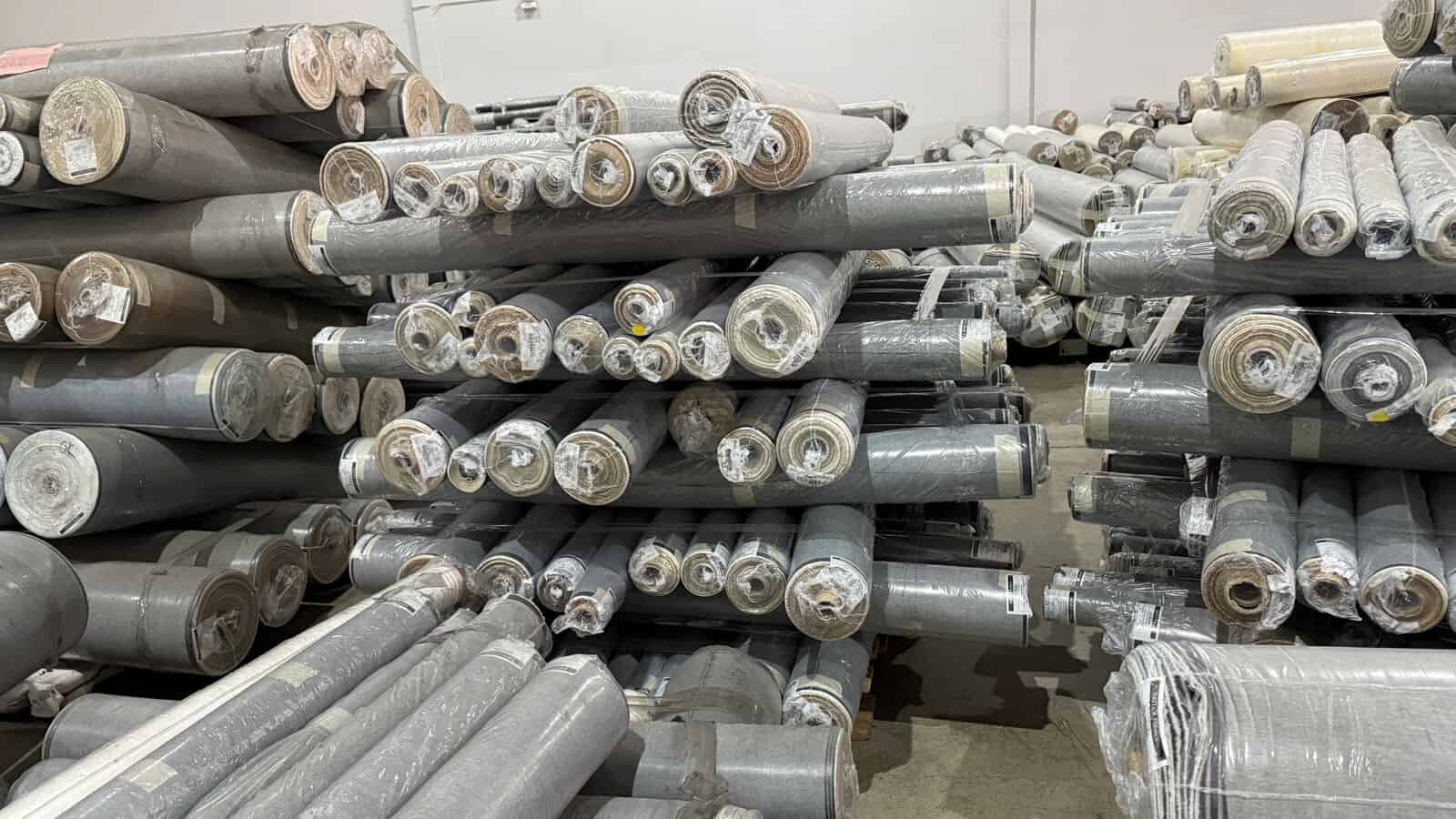
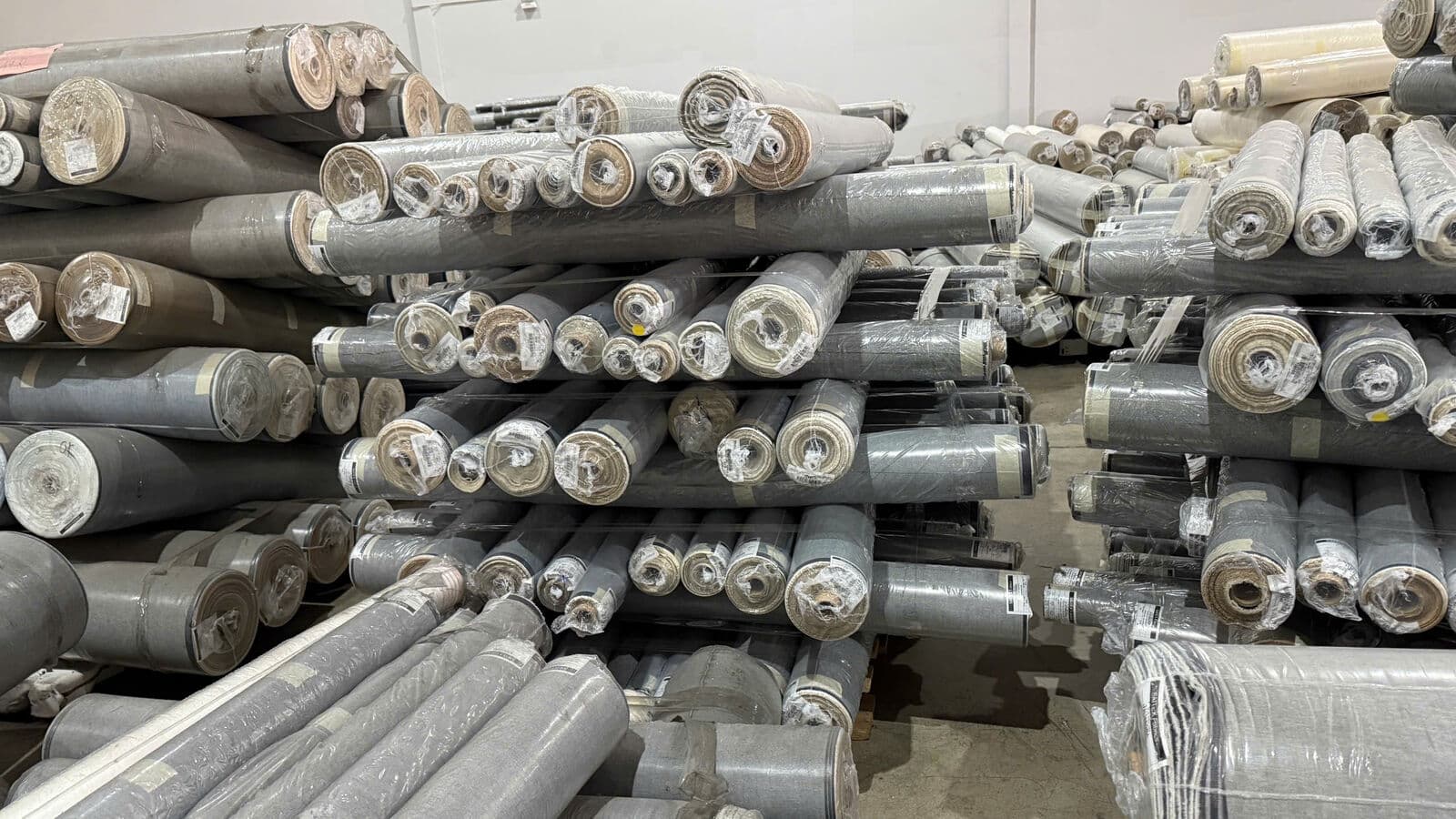
A fabric roll is fabric wound on a cardboard or plastic tube, exactly as it leaves the mill. One roll is usually several dozen to over a hundred meters long, depending on the fabric and its weight. Full rolls that are still strapped, wrapped in plastic and labeled fetch the best price, because the next buyer knows the exact length, width and composition and can sell straight on to another factory without much re-checking.
Roll ends
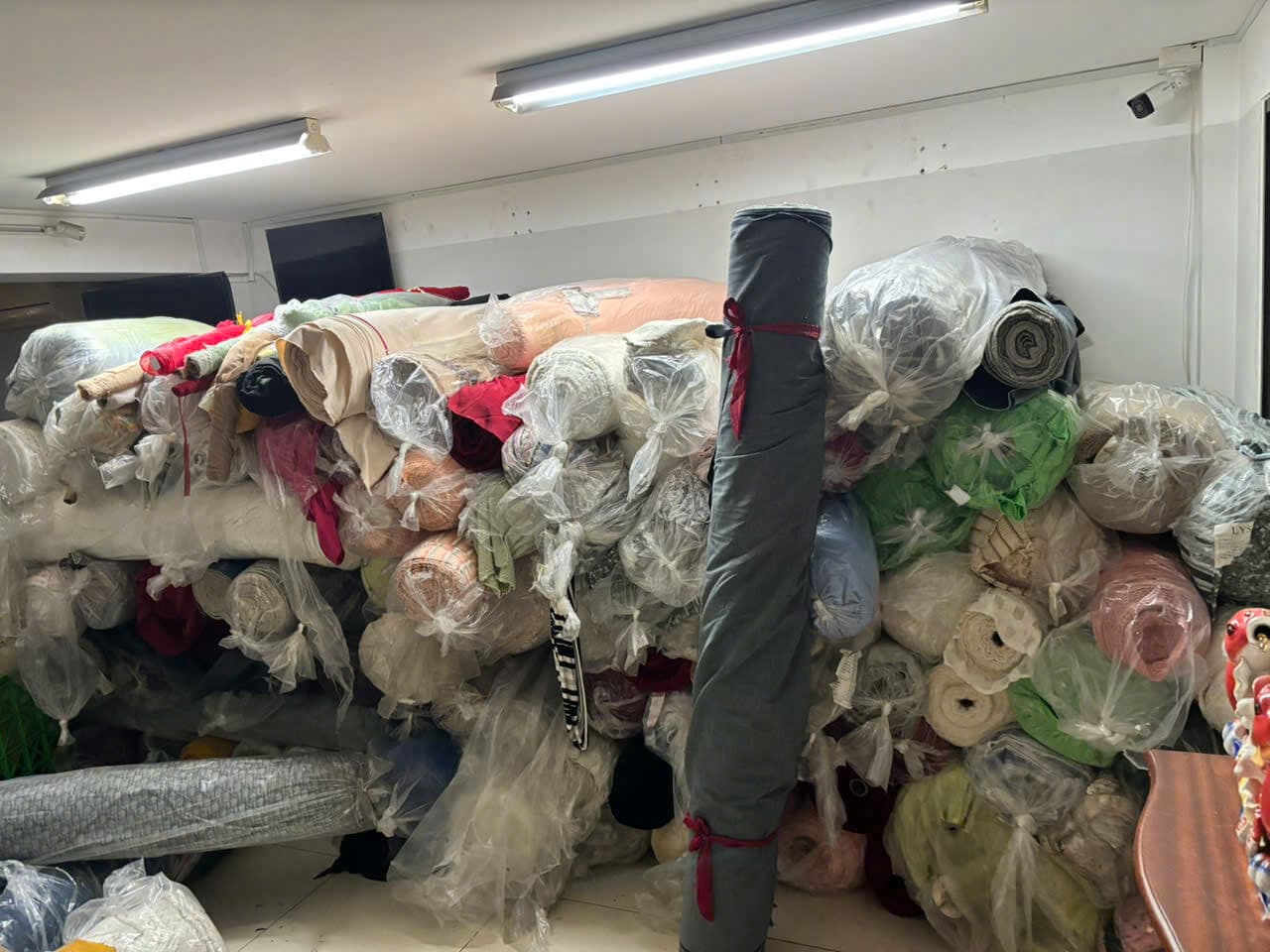
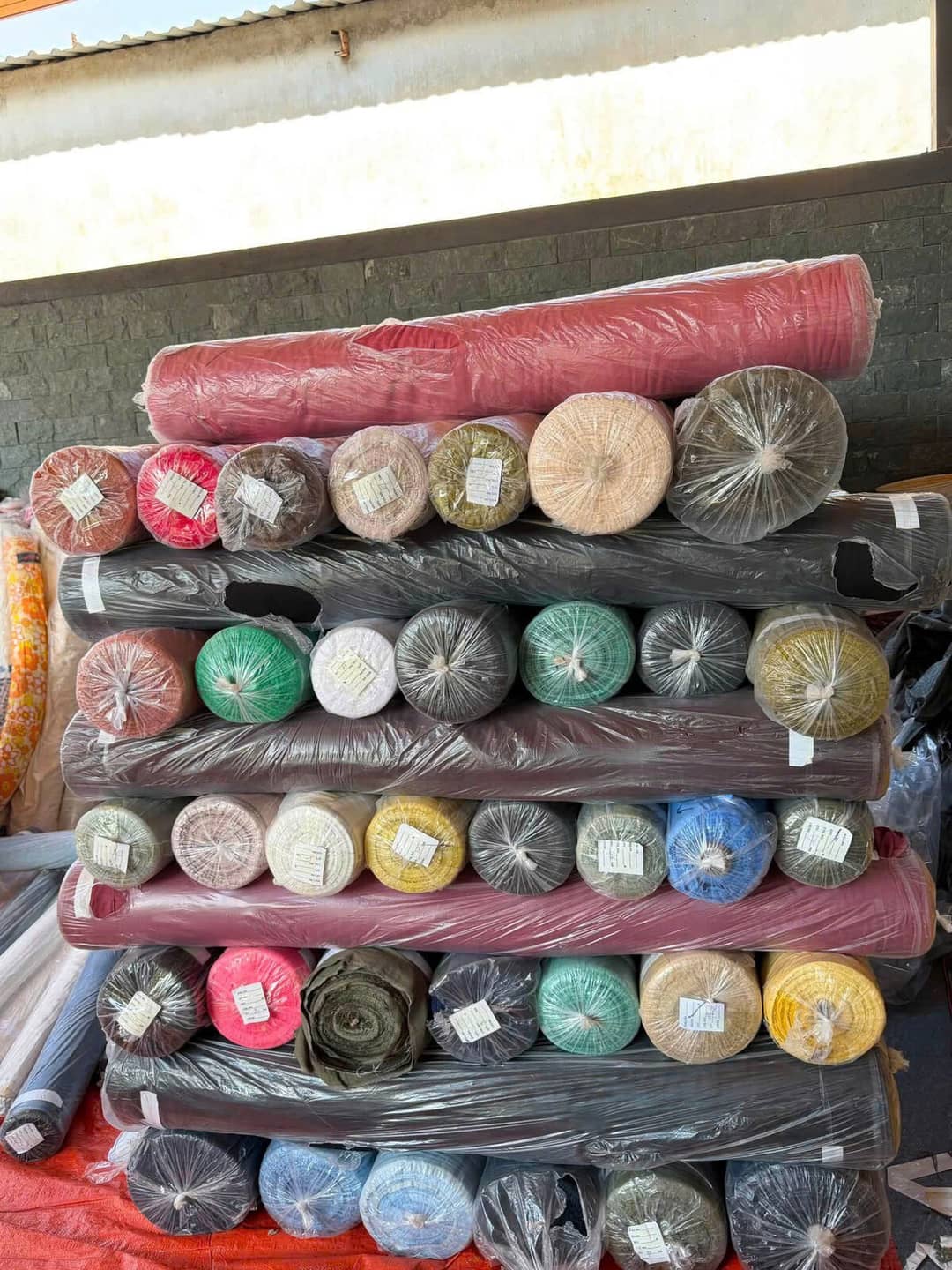
A roll end is what is left on the tube after the factory has cut and used part of it, usually anywhere from a few meters to a few dozen meters. It is still on the tube and still neatly wound, so it is stored like a full roll, but the lengths are no longer consistent. Many people simply call these leftover fabric rolls. The price of a roll end depends heavily on how much is left: roll ends over twenty or thirty meters are priced almost like full rolls, while ends of just a few meters are treated more like remnants.
A tip when selling: do not unwind roll ends from their tubes to "tidy up the warehouse". On the tube, the buyer can see the length at a glance; once unwound, it becomes a pile of remnants and is priced differently. You can see how we buy this category on our page about buying surplus fabric rolls.
Remnants and short lengths: the middle category
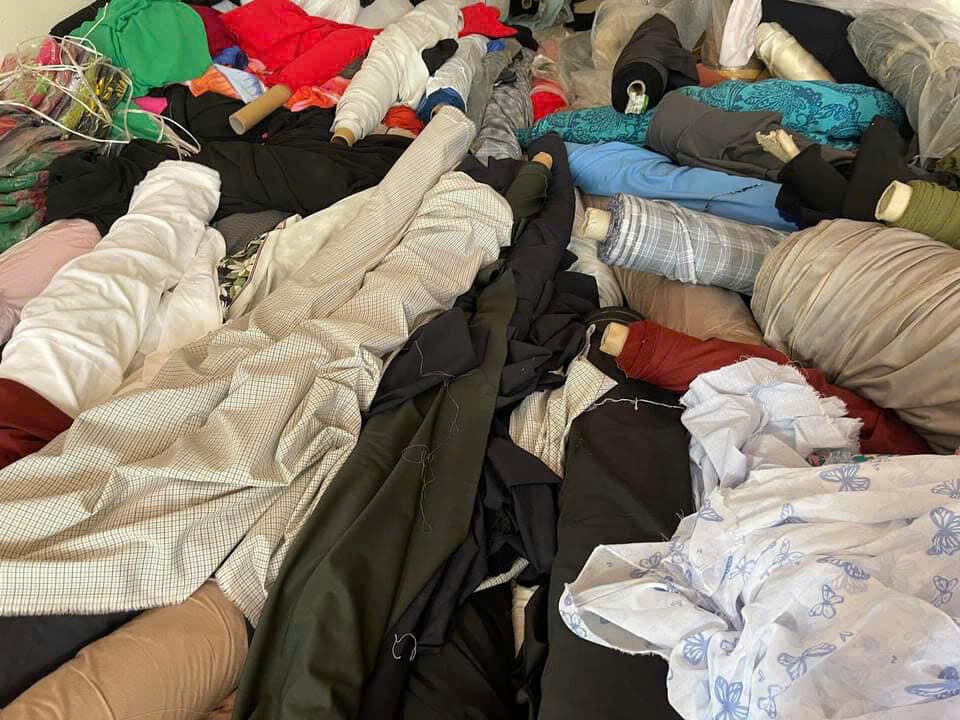
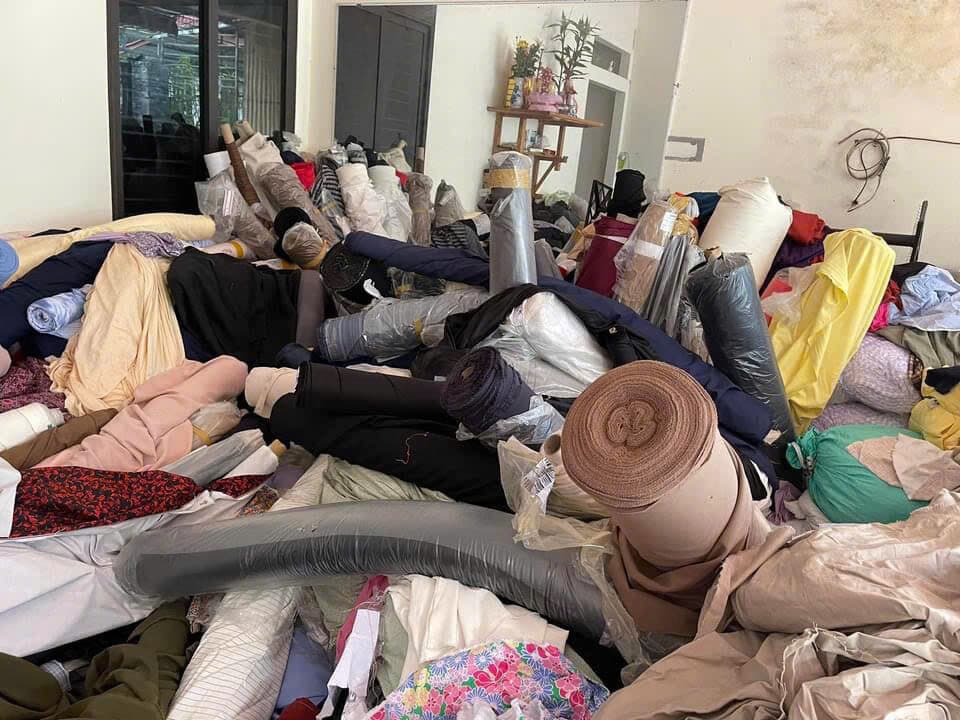
Remnants are pieces of fabric that have come off the tube, from about one meter to several meters long, usually folded or rolled by hand. Common sources are leftovers after marker cutting, sample fabric, fabric returned from orders, or sections cut from a roll with a defect in one part.
In Vietnamese the trade also uses a word for "short lengths": pieces not long enough to sew a production run, but still enough to make one or two shirts, dresses or children's garments. In practice the line between remnants and short lengths is blurry, and buyers usually treat them as one group.
The price of remnants depends on three things:
- Average length: the longer the pieces, the easier they are to sell to home sewers and small traders.
- Consistency of type: a sack of nothing but cotton knit remnants sells more easily than a sack of mixed knit, khaki twill and voile.
- Cleanliness: no chalk marks, no loose thread mixed in, no damp.
You can find more detail on our fabric remnants buying page.
Fabric scraps: the last category, but still worth money
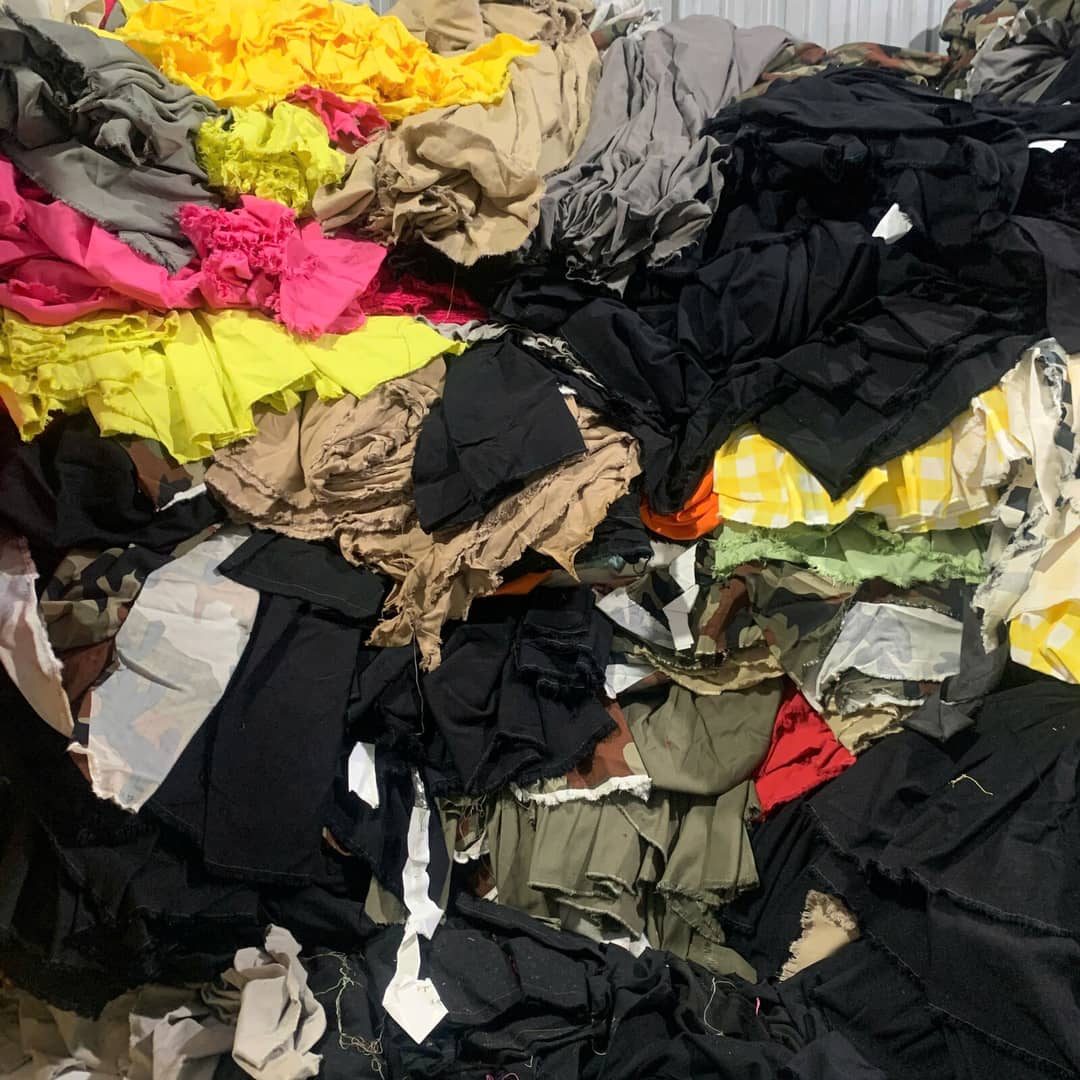
Scraps are small pieces under about one meter, mostly irregular offcuts left over after cutting garment panels. Every garment factory produces scraps every day, and if they are not sold regularly they take over space very quickly.
Scraps are usually priced by the kilo. Whether the price is high or low depends on the content: clean, single-color cotton scraps are preferred over mixed scraps, because they can be used for industrial wiping rags and recycling. Scraps mixed with marker paper, plastic bags, tangled thread or fabric dust fetch less, because the buyer has to spend time sorting them.
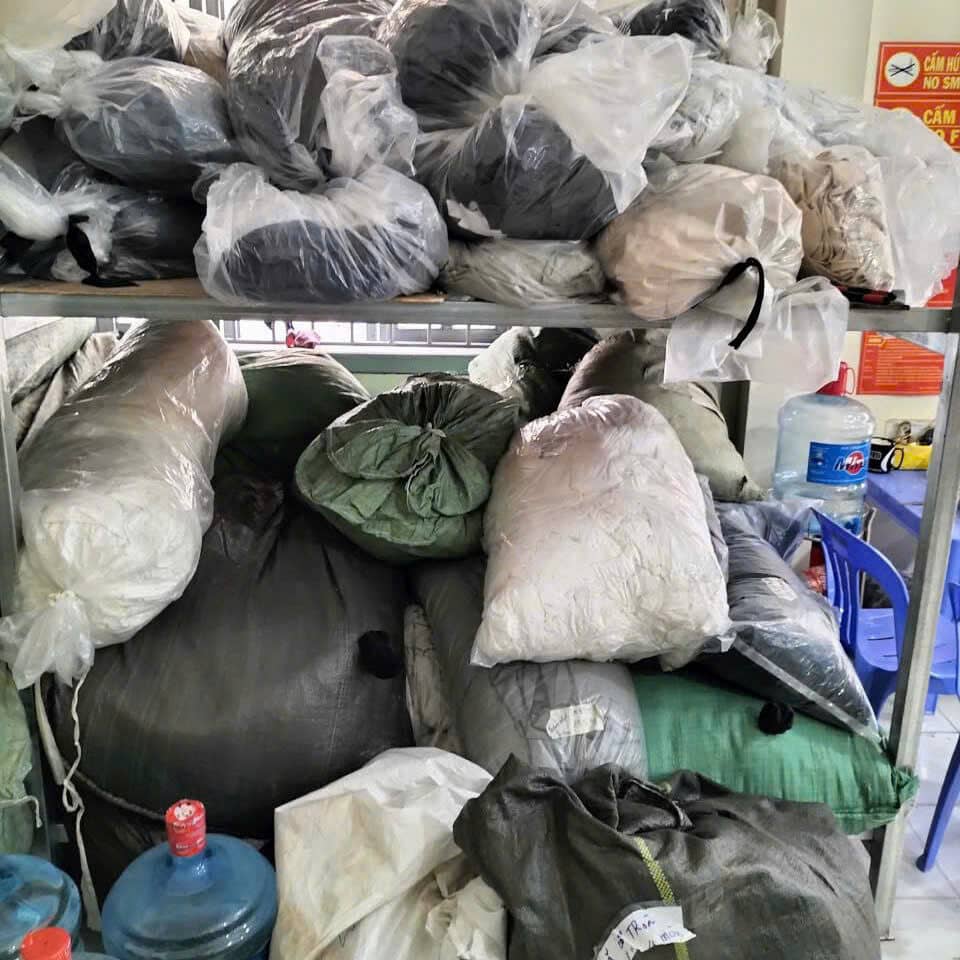
Gia Bao offers fabric scrap buying even for small quantities, so you can collect them weekly or monthly and call us once.
Three common mistakes when sorting your own stock
Treating defective fabric as scraps. A roll with color bleeding or weaving defects in a few places is still a roll. The buyer can cut out the faulty sections and use the rest, so do not tear it up or throw it in with the scraps. Leave the roll whole and note where the defects are, and you will get a much better price than if it had been turned into scraps.
Judging length by eye. A thick roll does not mean a long one: fleece and thick padded fabrics make very fat rolls with only a few meters on them. If the roll still has a label, trust the label. If not, compare it with a full roll of the same fabric, or weigh it to get an estimate.
Keeping remnants together with accessories. Many factories toss buttons, zippers and waistband elastic into remnant sacks for convenience. At weighing time these throw off the weight and the buyer has to separate them again, which easily leads to disputes. Keep accessories in separate boxes and list them separately, as many accessories still in their packaging are worth a fair amount.
How to sort your fabric warehouse in one session
You do not need any machinery. With two or three people and one morning, you can split your warehouse into clear groups:
- Move every roll still on a tube into one area. Separate fully strapped rolls from partly cut ones.
- Estimate the length of roll ends by comparing their thickness with a full roll of the same fabric, and chalk the figure on the tube.
- Collect remnants by fabric type into separate sacks, and write the type on the outside.
- Pack scraps into large sacks, removing paper, plastic and tangled thread.
- Keep defective and damp goods in a separate corner, not mixed into the groups above.
- Photograph each group and send the photos to the buyer with estimated quantities.
Common situations when clearing stock
Small contract sewing workshops: usually have many roll ends and remnants and few full rolls. With this kind of stock, keeping fabric on its tubes and grouping remnants by type almost decides the total you receive.
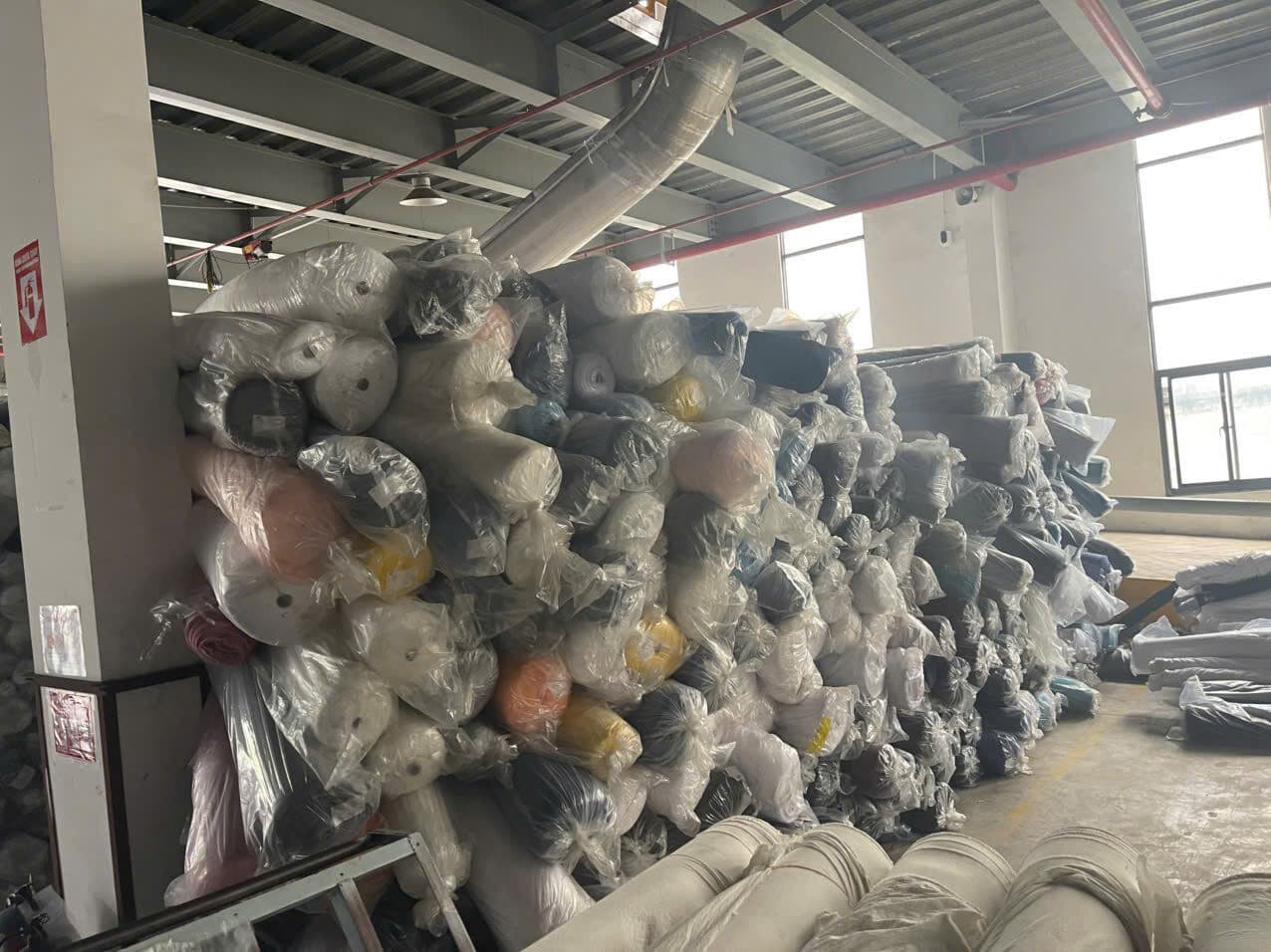
Export garment companies closing out orders: often have surplus full rolls from over-ordering or cancelled orders, in large and consistent quantities. This group should be sold early, because fabric made in colors and qualities for a specific order gets harder to sell over time. See also our page on buying garment factory surplus fabric.
Fabric shops closing down or changing product lines: often have all three groups plus sample fabric. Take stock by group as above, then invite a buyer to look at the whole lot in one visit, rather than selling the good parts piecemeal and getting stuck with the hard-to-sell rest.
Get a quote for each fabric group
Whether your warehouse holds full rolls, roll ends, remnants, short lengths or scraps, Gia Bao buys them all and quotes each group separately, so you can see exactly how each part is priced. Call our hotline 0904 623 046 (Mr. Tuan Tai) or photograph each group and send it via Zalo to the same number. You can message us on Zalo in English and we will reply. We will give you a preliminary quote the same day and arrange a visit to inspect the goods. You can also leave your details on our contact page.