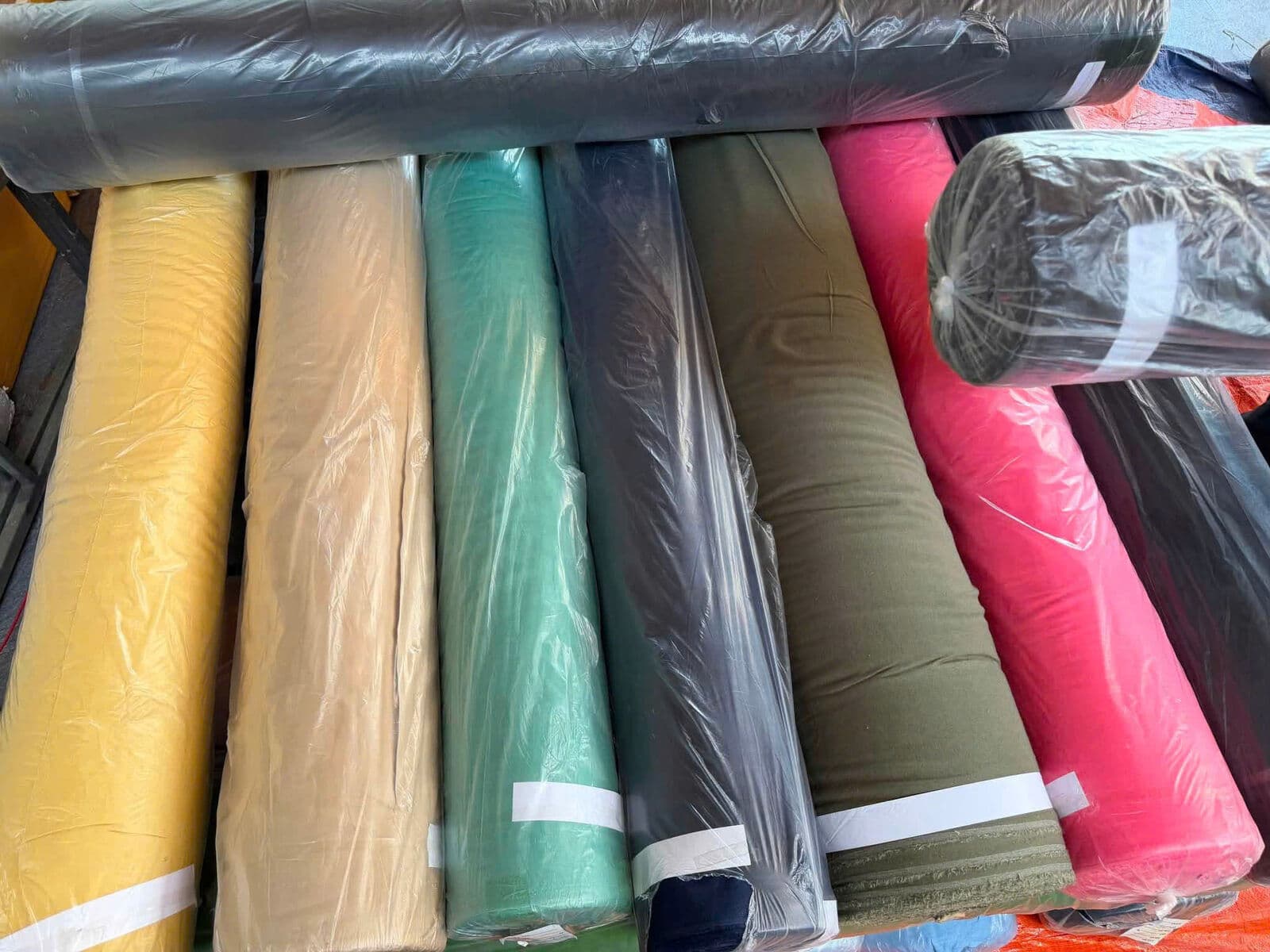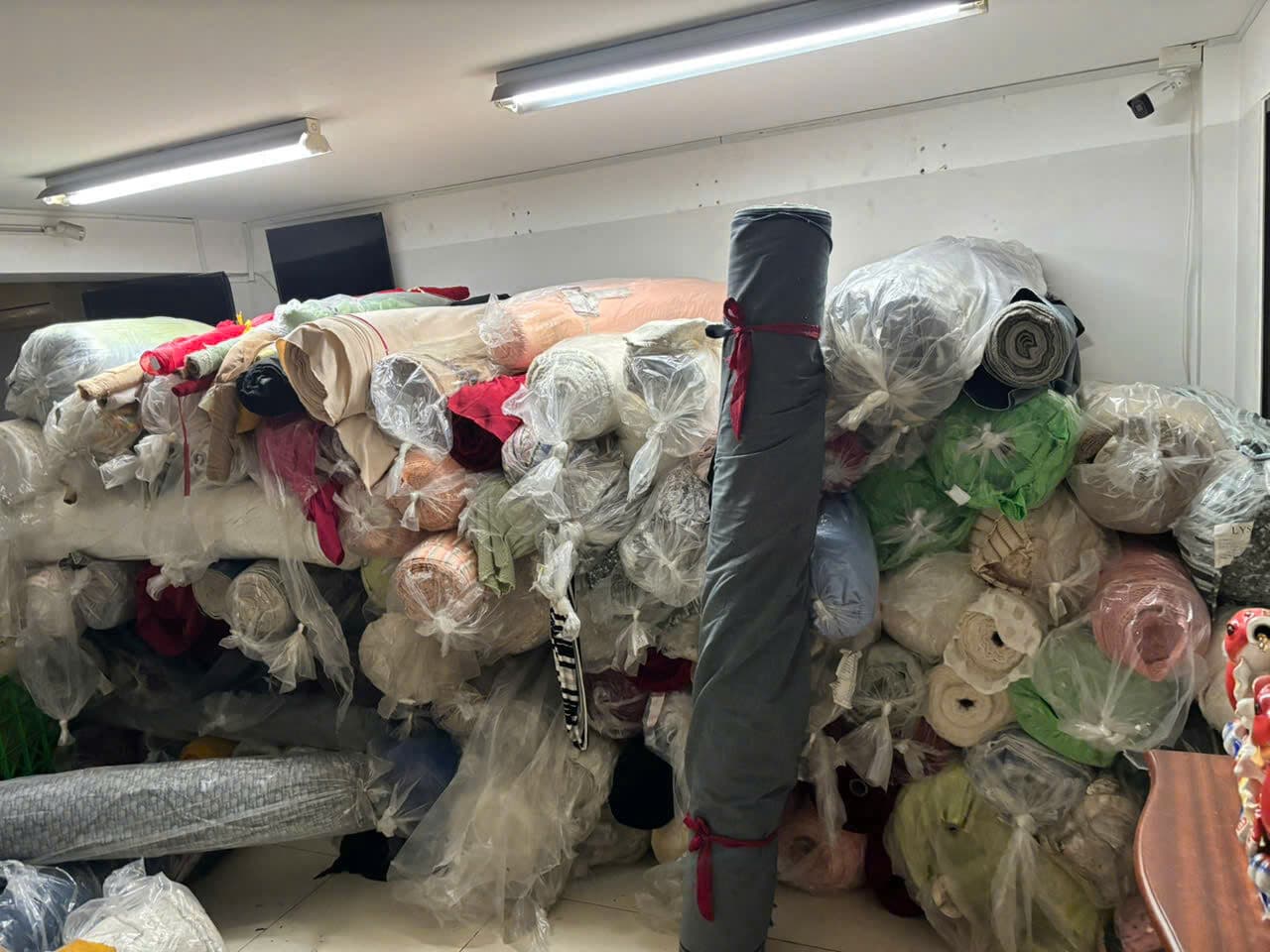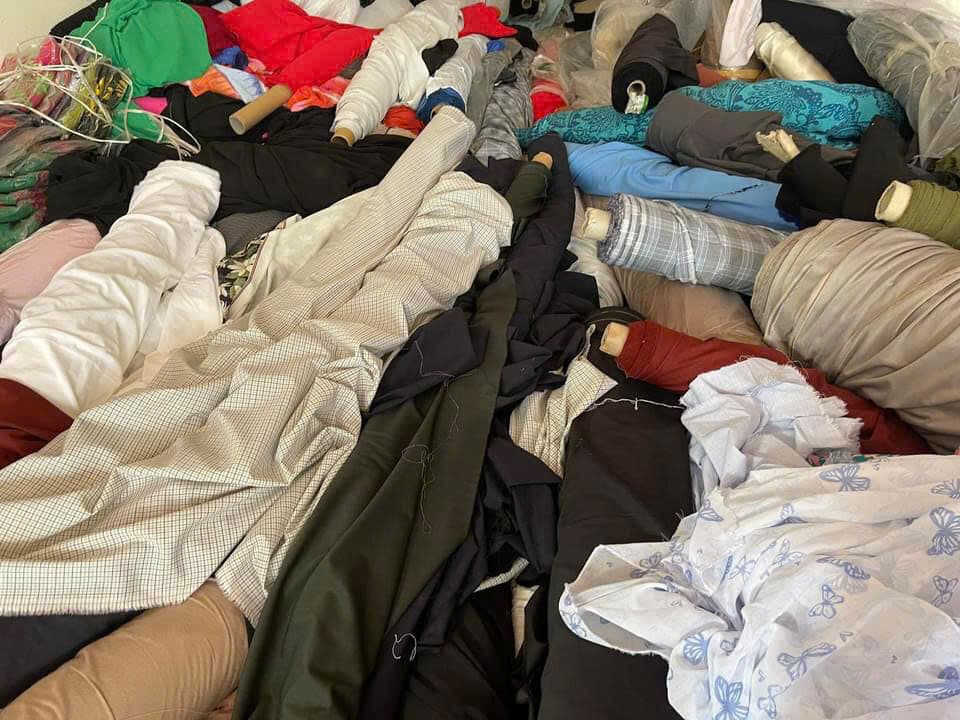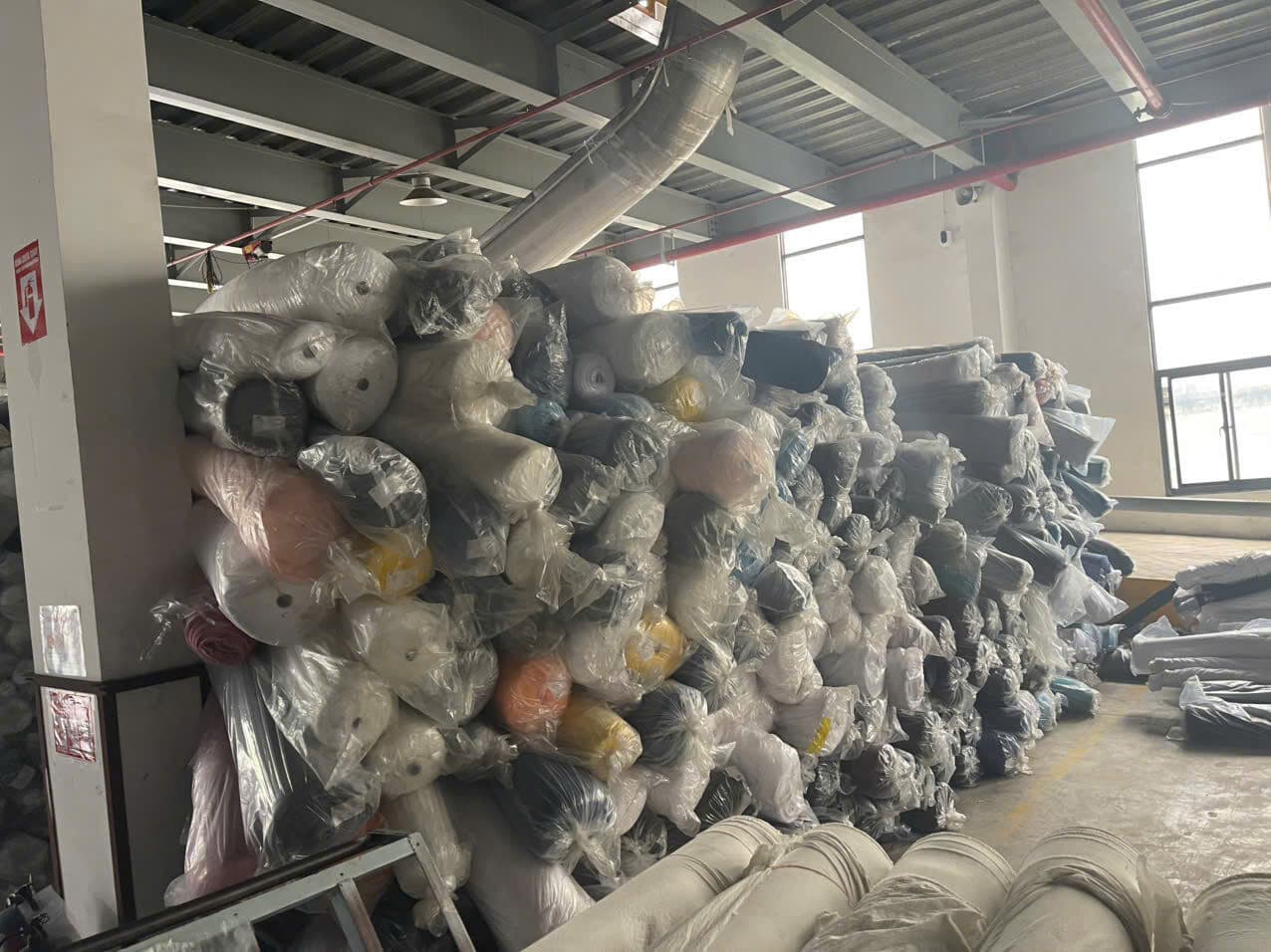
As a surplus fabric buyer in Hung Yen – Hai Duong, Gia Bao works regularly with northern customers here, because both provinces sit right on the Hanoi – Hai Phong corridor, where many export garment factories are concentrated. We work from 186 Tay Tra Street, Hoang Mai, Hanoi, and travel to Hung Yen and Hai Duong along National Highway 5 or the Hanoi – Hai Phong expressway depending on where your factory is.
A note on names: since 1 July 2025, Hai Duong has been part of Hai Phong City, and the new Hung Yen province includes former Thai Binh. On this page we still use the old names, because sellers and buyers in the trade still find each other by them.
How surplus in Hung Yen – Hai Duong differs from Hanoi
In Hanoi, surplus fabric is scattered across shops, tailors and craft villages; in Hung Yen and Hai Duong most of it sits inside factories. This is a region of garment plants sewing export orders: jackets, trousers, shirts, sportswear. Each finished order usually leaves some uncut fabric rolls, because the factory ordered extra to cover wastage, or because the client changed quantities at the last minute.
So the goods we meet most often here are:
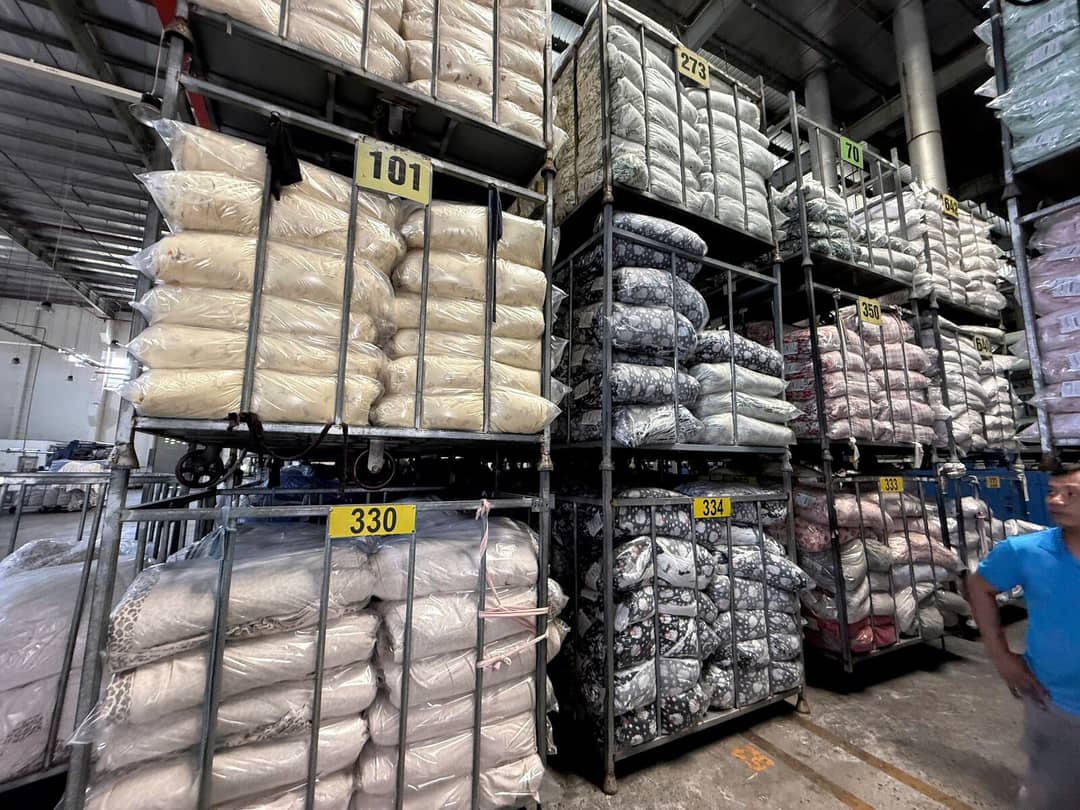
- Full rolls still strapped and labelled, one code in many colours, from a few dozen to a few hundred rolls.
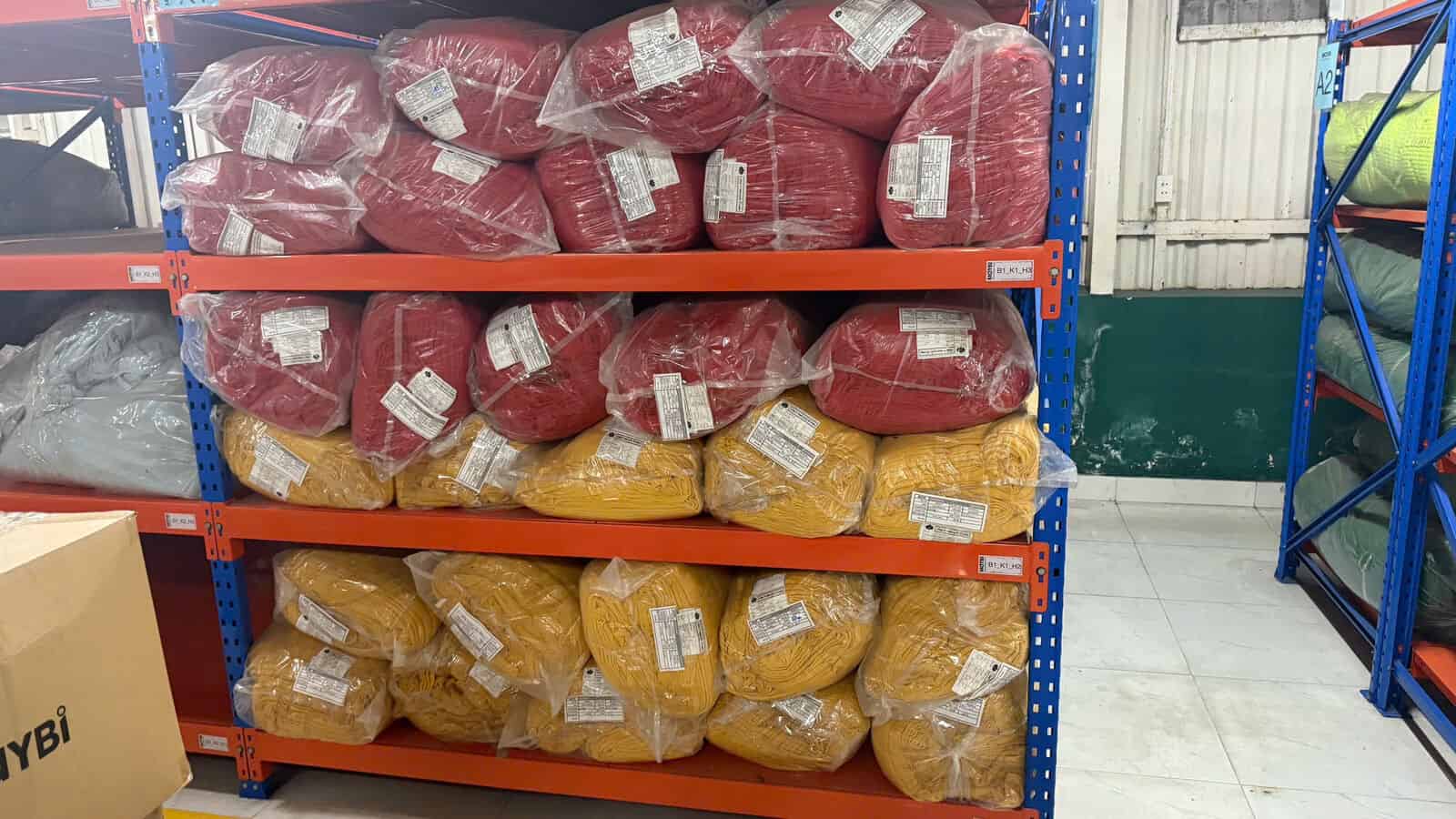
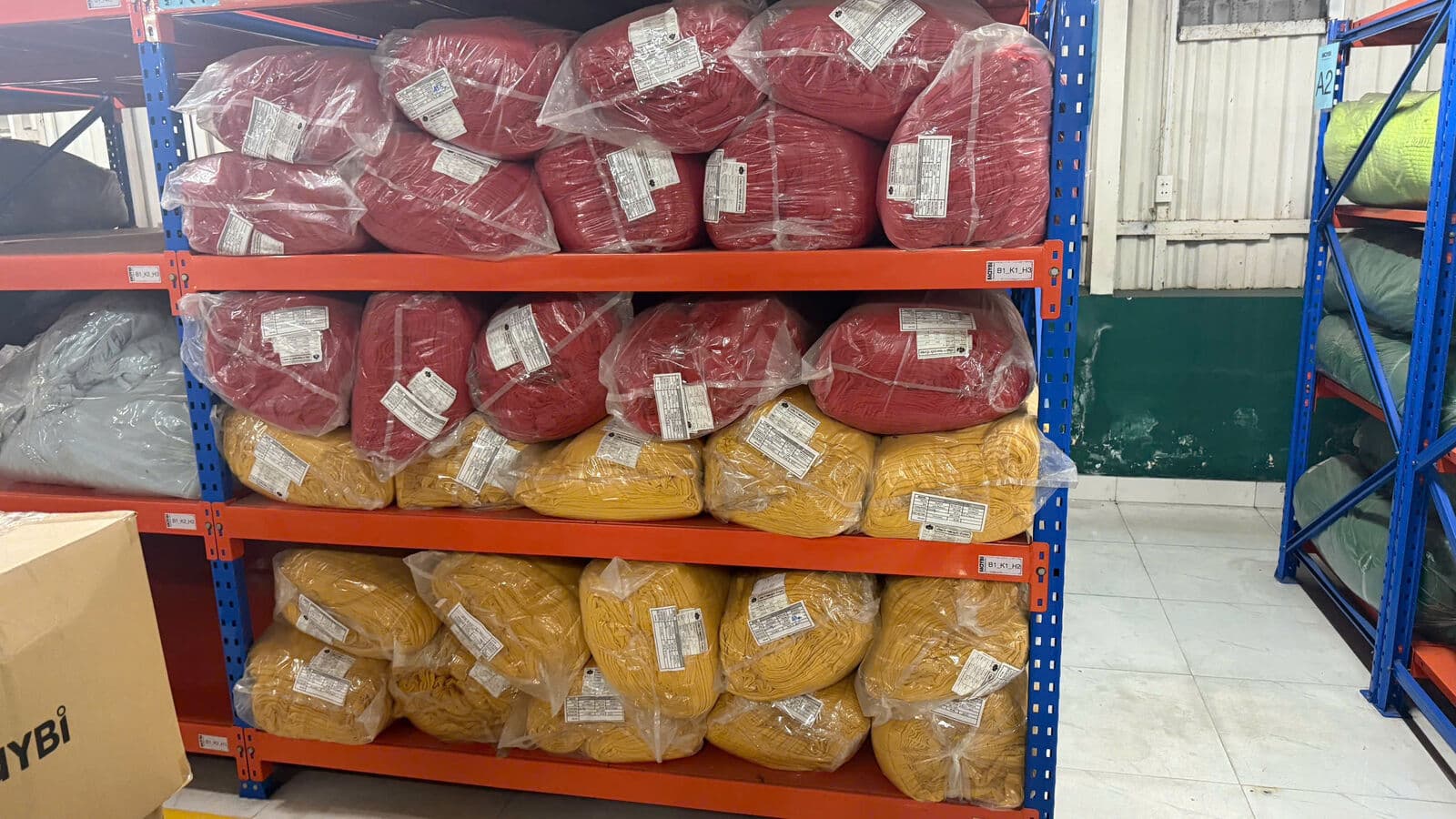
- Bagged knit fabric such as cotton jersey, polyester knit and fleece, shelved by lot in the finished-goods warehouse.
- Technical fabric for outerwear: nylon, taffeta, coated fabric, mesh lining.
- Surplus trims: thread, zips, buttons, labels, interlining, unused cartons.
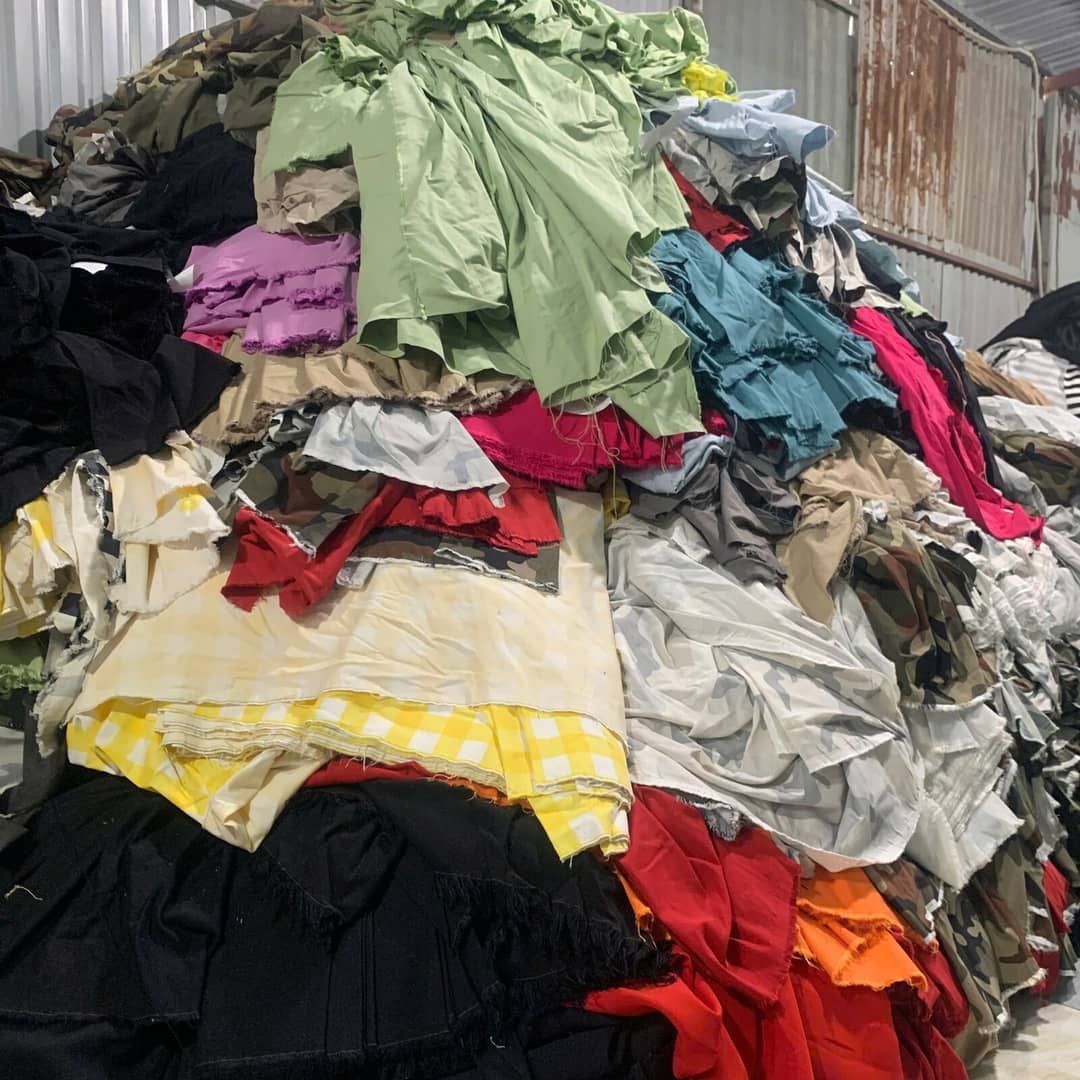
- Cutting-room scraps in large volumes, usually bagged and waiting for disposal.
Areas Gia Bao often visits in Hung Yen and Hai Duong
Hung Yen: Van Lam, My Hao, Pho Noi, Yen My
Northern Hung Yen, bordering Hanoi and lying on Highway 5, is where factories are densest. Pho Noi B industrial zone in My Hao is known as a textile and garment zone, surrounded by many satellite contract workshops. Van Lam and Yen My add factories and warehouses of companies that moved out from Hanoi. Here we mostly buy end-of-order rolls and trims.
Hai Duong: Cam Giang, Hai Duong city and districts along Highway 5
Continuing along Highway 5 brings you to Cam Giang and then Hai Duong city. Industrial zones along this route include both large garment plants and small-to-medium contract workshops. Further south, near the Hanoi – Hai Phong expressway, there are workshops sewing on contract for companies in Hanoi and Hai Phong.
If your workshop is close to Hai Phong or Quang Ninh, see our page for surplus fabric in Hai Phong – Quang Ninh. Southern Hung Yen, the former Thai Binh area, has its own Thai Binh – Nam Dinh page.
Price first, truck second: working with factories away from Hanoi
Hung Yen and Hai Duong are not far from Hanoi, but a truck round trip still takes most of a day. So nobody wastes effort, we work in this order:
- Send your stock list if you have one: fabric code, composition, width, colour, roll count or weight. Factories usually have this ready in their warehouse software.
- Add photos or a short video: the whole warehouse, fabric close-ups, roll labels.
- Gia Bao quotes by group. If needed, we do a video call to inspect high-value codes directly.
- Once price and date are agreed, we send a truck sized to the volume. Large warehouses can be collected over several trips.
- On site we check the goods, weigh or count rolls, pay immediately and write a receipt.
The quote is the price collected at the seller's warehouse; Gia Bao provides the truck and loaders. You can check price ranges by fabric type on our reference price list before sending your goods.
Clearing factory surplus: keep the price up by grouping
The most common mistake when clearing factory surplus is piling everything together and asking for one price. It is quick, but usually costs the seller, because the buyer has to allow for the poor goods mixed in. We recommend:
- Separate strapped full rolls from cut rolls.
- Keep knit apart from woven, and technical fabric apart from fashion fabric.
- Keep roll labels where they exist; they show composition and width and make pricing more accurate.
- Bag scraps separately, free of paper patterns, loose thread and plastic.
Bagged knit fabric like that in finished-goods warehouses has its own page: buying knit fabric; nylon and taffeta for outerwear are covered under buying nylon, polyester and taffeta.
Satellite workshops: smaller lots, but steady
Around the big factories in My Hao, Van Lam or Cam Giang there are many satellite contract workshops with a few dozen machines each, taking part of an order to sew. Their surplus lots are smaller: a few bags of scraps, a few dozen leftover rolls, some trims. A separate trip for each workshop is not economical, so we usually group several nearby workshops into one trip, or book regular pick-ups once volume is enough. If you know other workshops in the same area with surplus, tell us together — the trip works out better for everyone.
Paperwork when factories sell surplus
Foreign-invested factories or those sewing on contract for partners often need internal procedures before selling leftover fabric: confirmation that the client will not take it back, a disposal record, sometimes destruction of brand labels. Gia Bao is happy to follow such requirements, writes clear receipts for weight and amount, and only buys goods with a clear origin. For fabric printed or woven with a brand logo, please tell us beforehand so we can agree how to handle it.
Call or message us on Zalo at 0904 623 046, send a stock list or a few photos, and Gia Bao will quote for your surplus fabric in Hung Yen – Hai Duong and schedule a truck. Messages in English or Chinese are fine — we will reply.