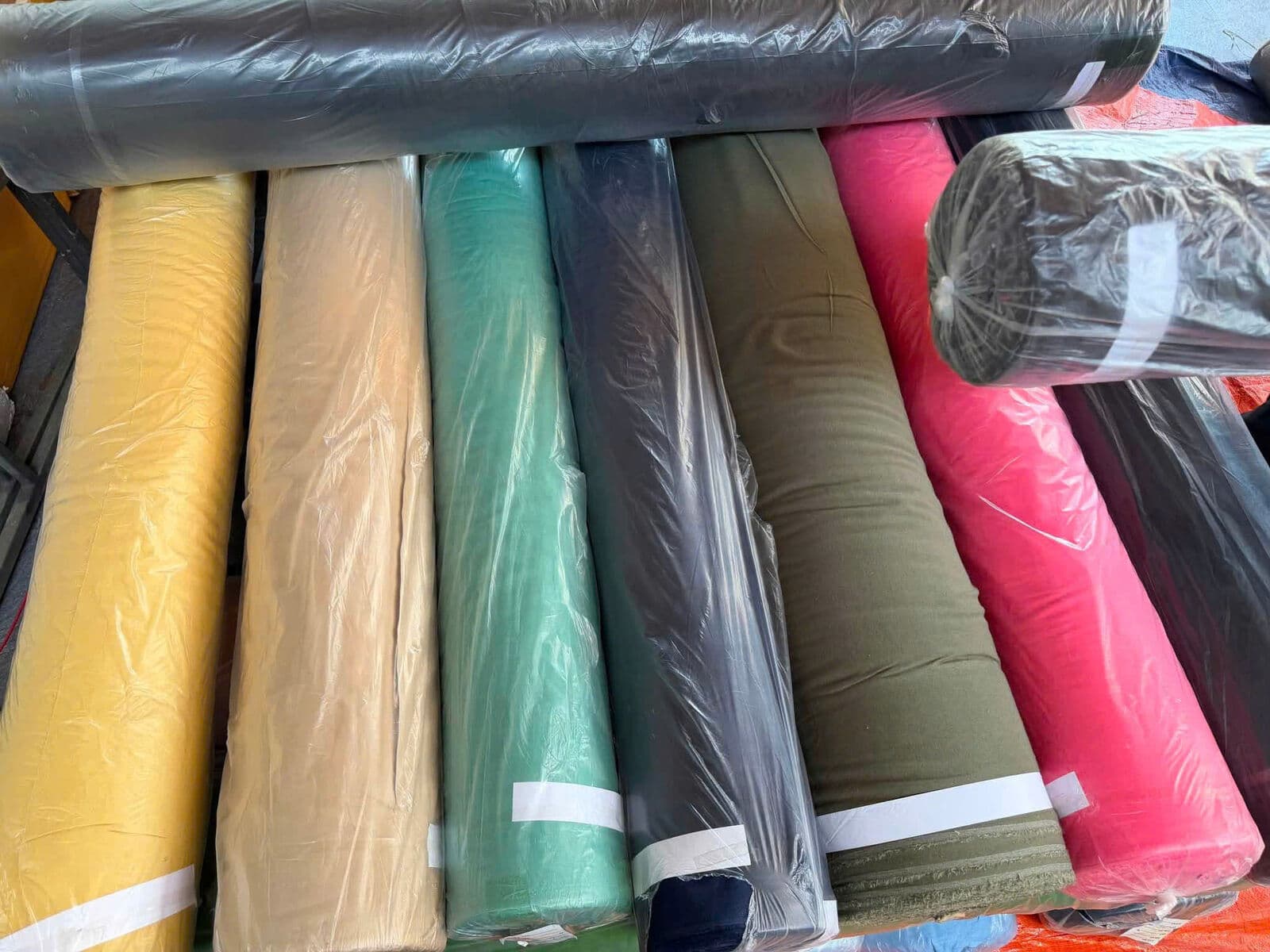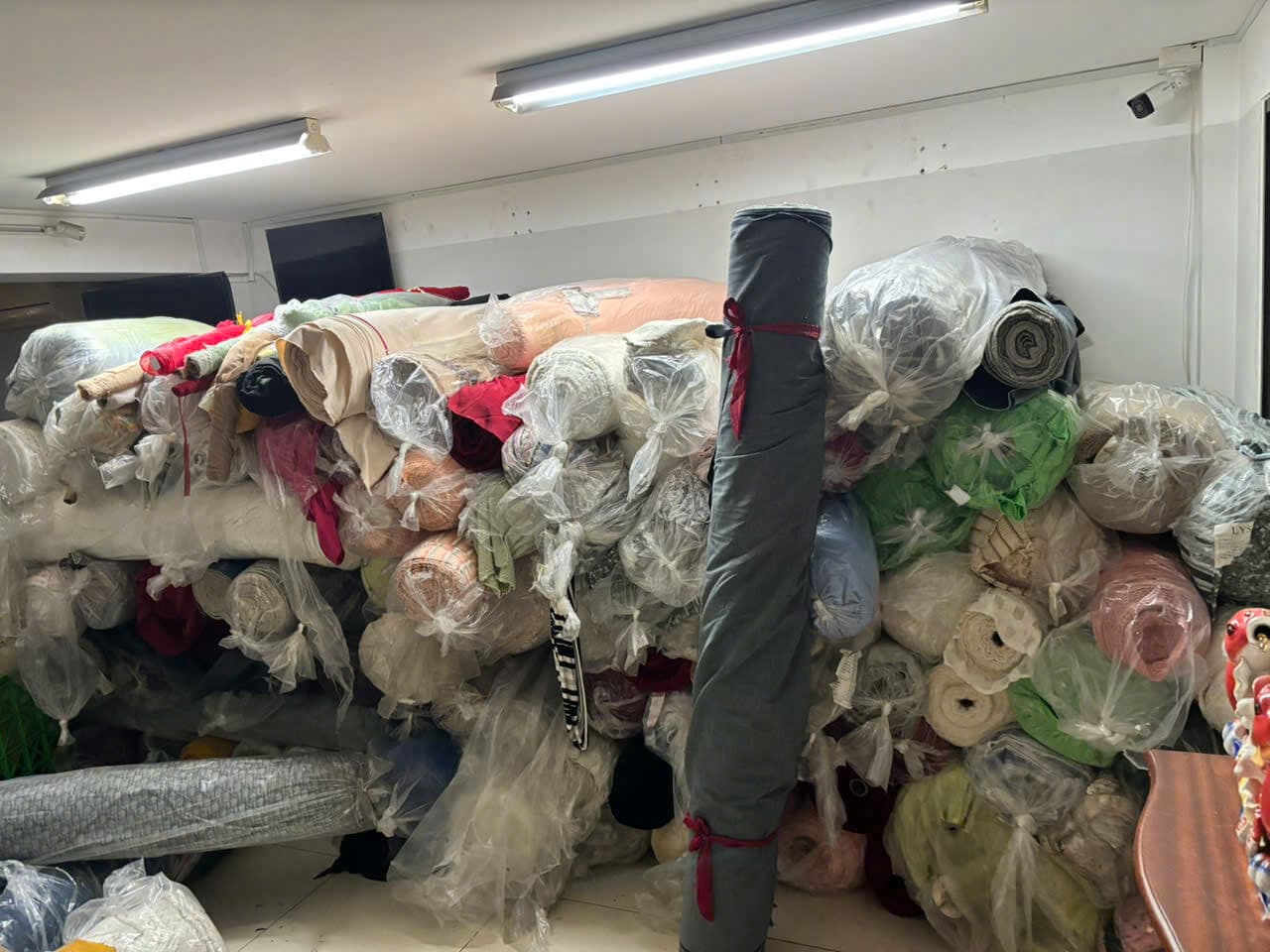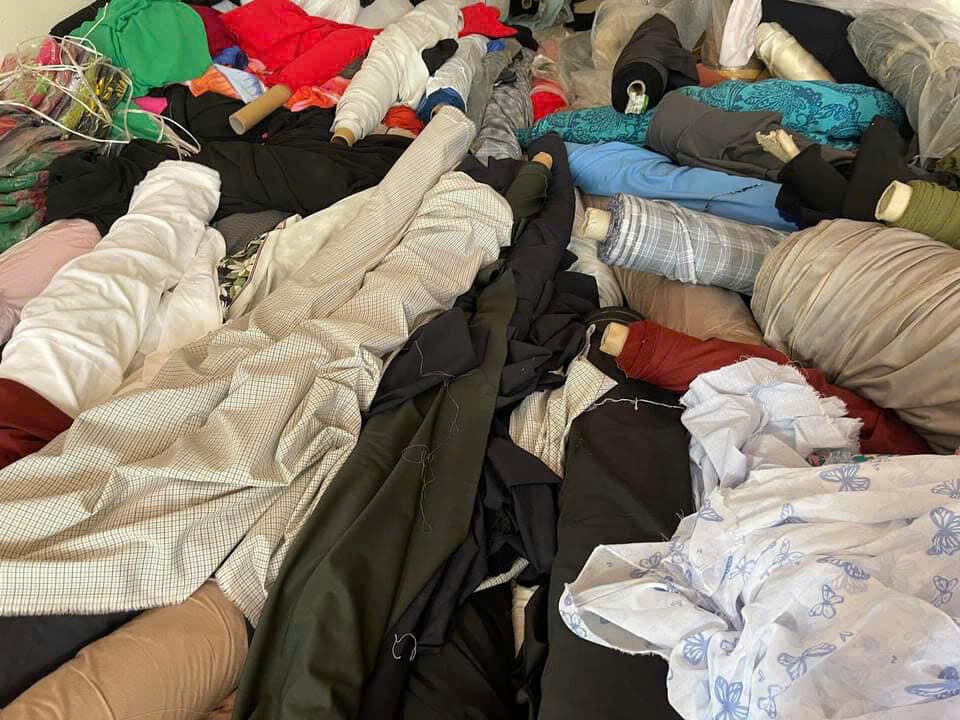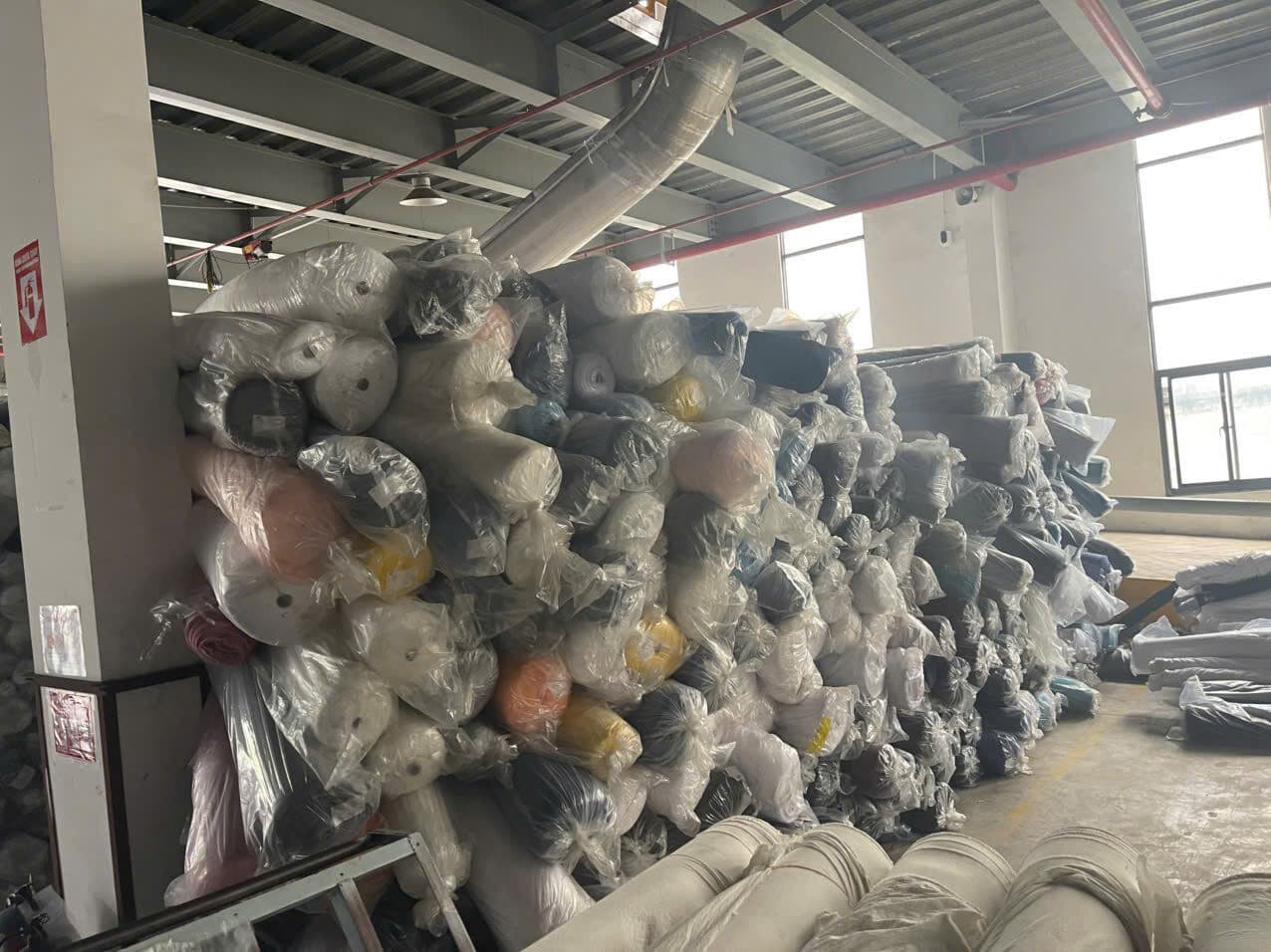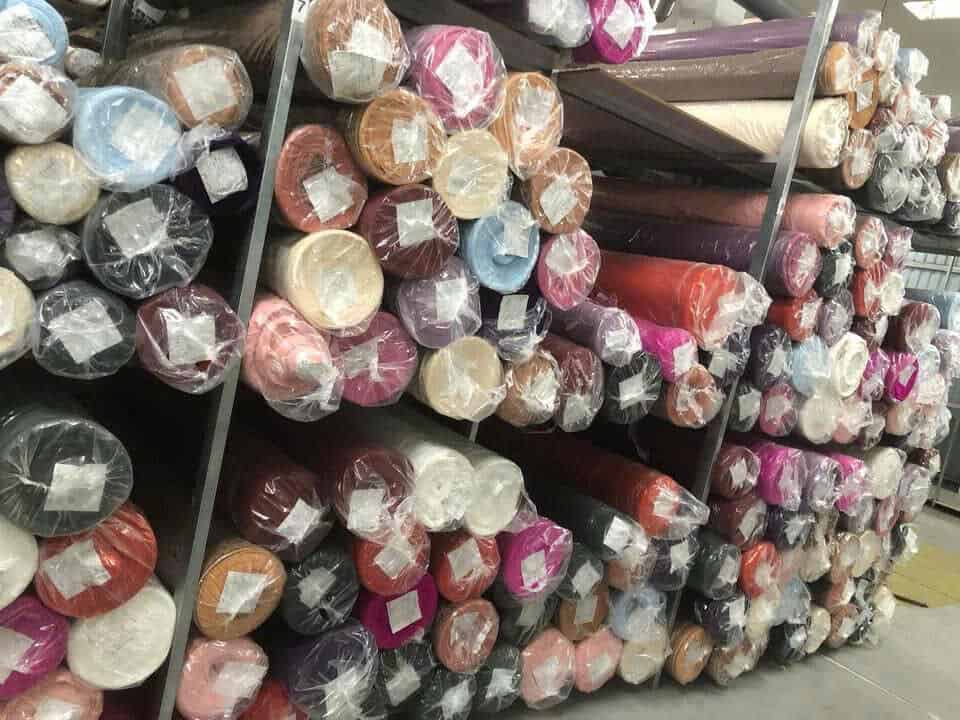
Buying surplus linen fabric differs from buying everyday fabrics in one respect: the value of the lot depends almost entirely on whether it is genuinely flax fibre. On the market, the word "linen" is used for many fabrics with a linen-like surface whose actual composition is polyester or rayon. So before quoting, Gia Bao always identifies the fibre. This page explains how we do that so you can check your own fabric.
What linen is and how to recognise it
Linen is woven from fibre taken from the stem of the flax plant. It is a natural cellulose fibre, similar to cotton in nature but longer, stiffer and coarser. That gives linen a few easily recognised traits:
- Uneven yarn: held up to the light, the yarn is thick in places and thin in others, with slubs standing out on the face. This is natural, not a weaving fault.
- Hand feel: cool and slightly rough when new, getting softer with every wash.
- Creases very easily: crumple it in your palm and let go, and the creases stay clearly and for a long time.
- Absorbs water fast: drip a little water on the face and it spreads and soaks in almost instantly.
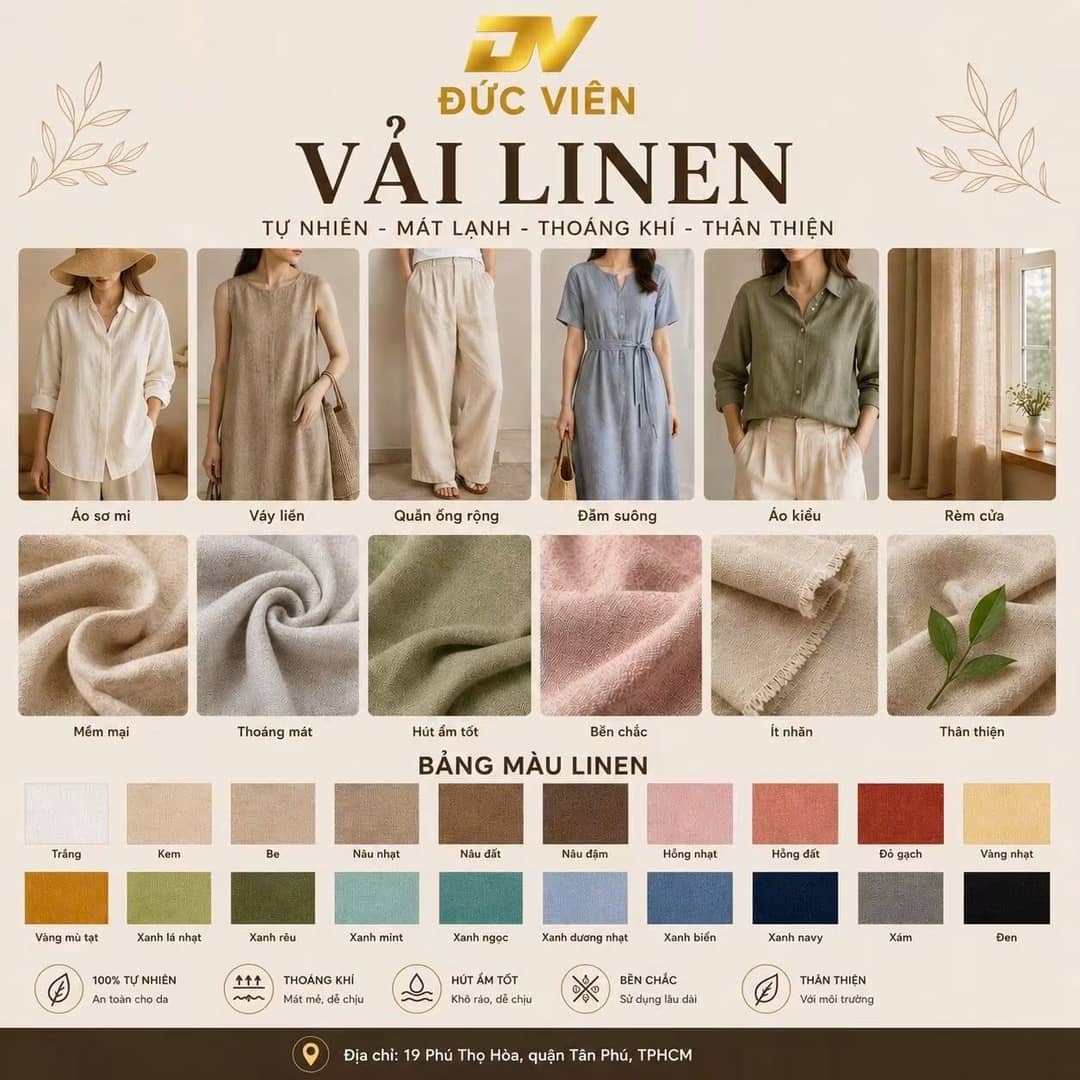
Linen is popular for shirts, shift dresses, wide-leg trousers, loungewear, tablecloths and curtains, especially in hot weather.
The linen fabrics Gia Bao buys
Pure flax linen
Labelled 100% linen or 100% LI. This is the most valuable type in the group, whether natural beige greige linen or dyed linen.
Linen blends
Linen-cotton is softer and creases less; linen-rayon drapes better and feels smoother; linen with spandex has a little stretch. The price of this group depends on the share of flax in the composition.
Linen-look fabric
Many fabrics sold in the market are called linen but are polyester or rayon woven to imitate a flax surface. We still buy these, but price them by their real composition, the same way as rayon fabric or polyester fabric.
Why linen often ends up as surplus stock
Linen is a summer fabric and a designer fashion fabric. Shops order fabric for a collection, and once the season is over those colours and styles stop selling. Linen is expensive, so small workshops often use only part of it, keep the rest for later and forget about it. Linen also has high cutting waste because it shifts and goes off-grain easily, so people tend to over-buy. As a result, in fashion shop stores around Ho Chi Minh City we often find many part rolls of linen, each from a few metres to a few dozen metres, in beige, ivory, moss green and earth brown.
What determines the price of surplus linen
- Flax content: the biggest factor. 100% linen and high-flax blends are priced in a clearly separate band from linen-look fabric.
- Weight and fineness: fine, evenly woven linen is used for premium shirts; heavy, coarse linen suits curtains, bags and homeware. The two have different markets.
- Colour: natural colours such as beige, ivory and ash grey resell most easily.
- Condition: linen stored for a long time tends to yellow along the folds and goes mouldy if damp. Deep creases held for years can weaken the fibre right along the fold.
- Length per roll: long rolls in one colour are worth more than many short pieces in different colours.
For the general price factors that apply to all fabrics, see our fabric buying quote page.
Check your linen yourself before sending photos
Three simple steps that take a few minutes:
- Read the label: look for LI or LINEN with a percentage. If the label only says "linen" without a percentage, treat it as uncertain.
- Burn test: linen is a cellulose fibre, so it burns like cotton, with a yellow flame, a burning-paper smell and fine grey ash that crumbles. If the piece shrinks, melts and leaves a hard bead, it contains polyester.
- Take close-ups: photograph the fabric face up close in natural light so the slubs are visible, plus the label and the whole lot.
Storing linen to keep its value
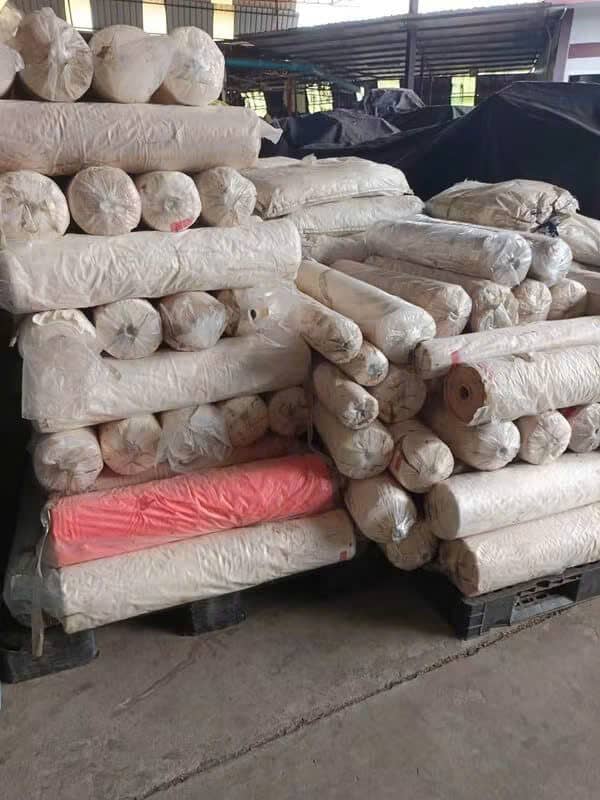
Linen handles heat well but suffers from damp and from long-held folds. Roll the fabric around a core rather than folding it into stacks, keep it off the floor in a ventilated place, and keep it out of direct sun, which fades the colour. When wrapping, use clean, dry bags; never seal fabric that is still damp, as mould spreads very quickly.
If you have surplus linen to sell, call or message Zalo 0904 623 046 (Mr. Tuan Tai); you can write in English and we will reply. Send photos of the label and a close-up of the fabric face, and Gia Bao will come back with a preliminary price and a date to inspect.