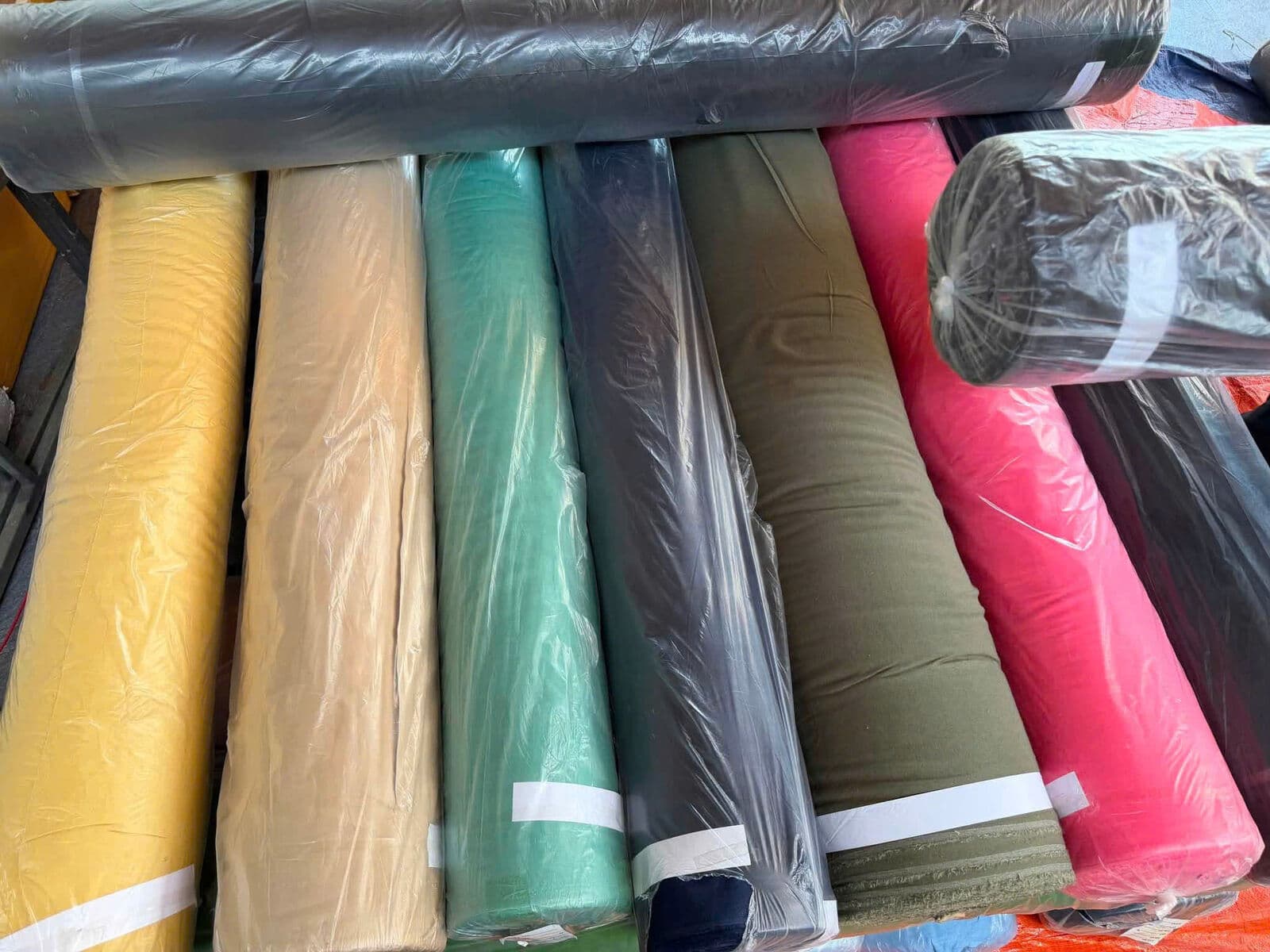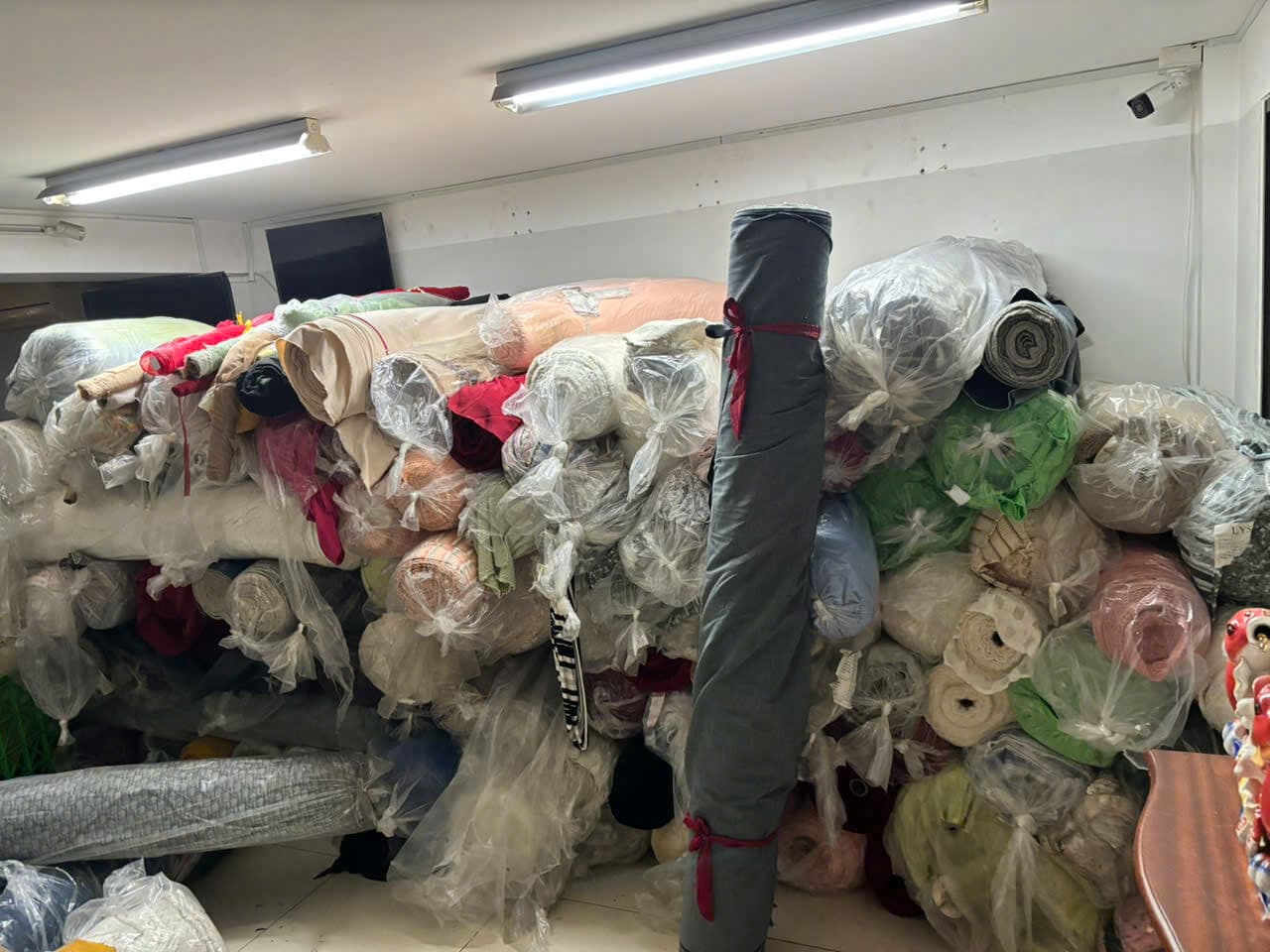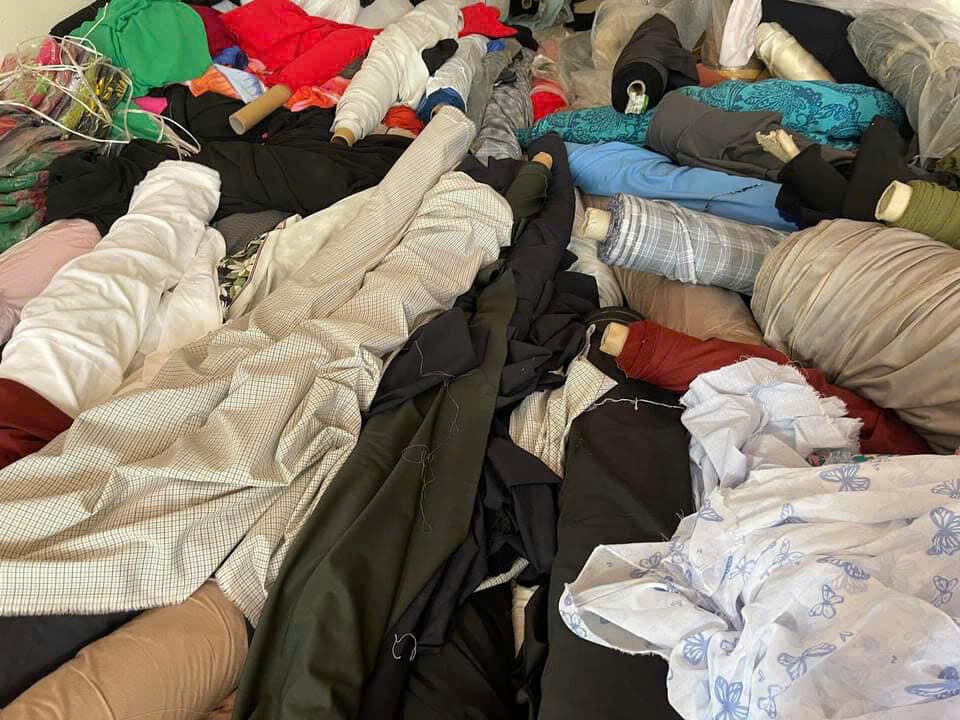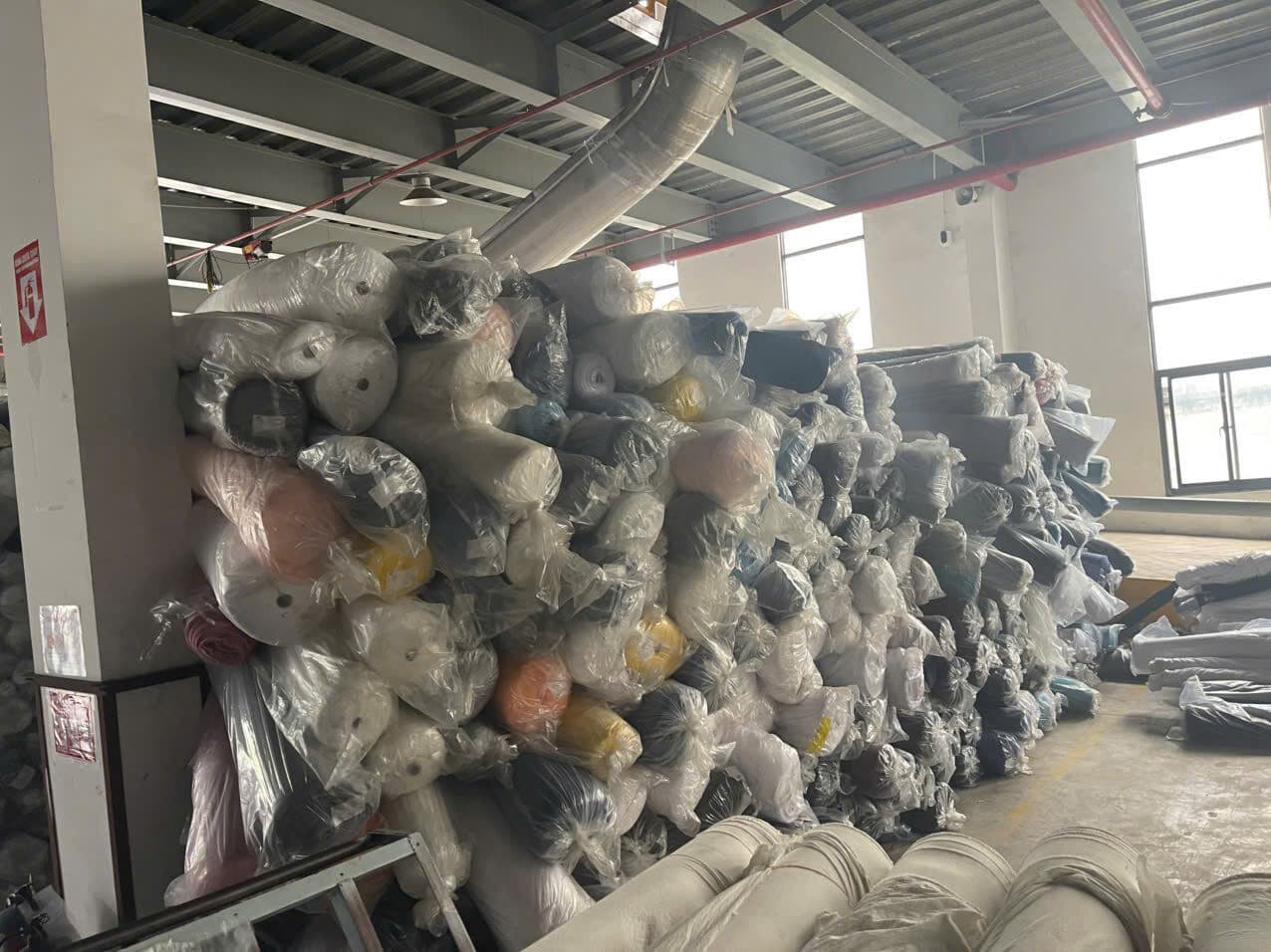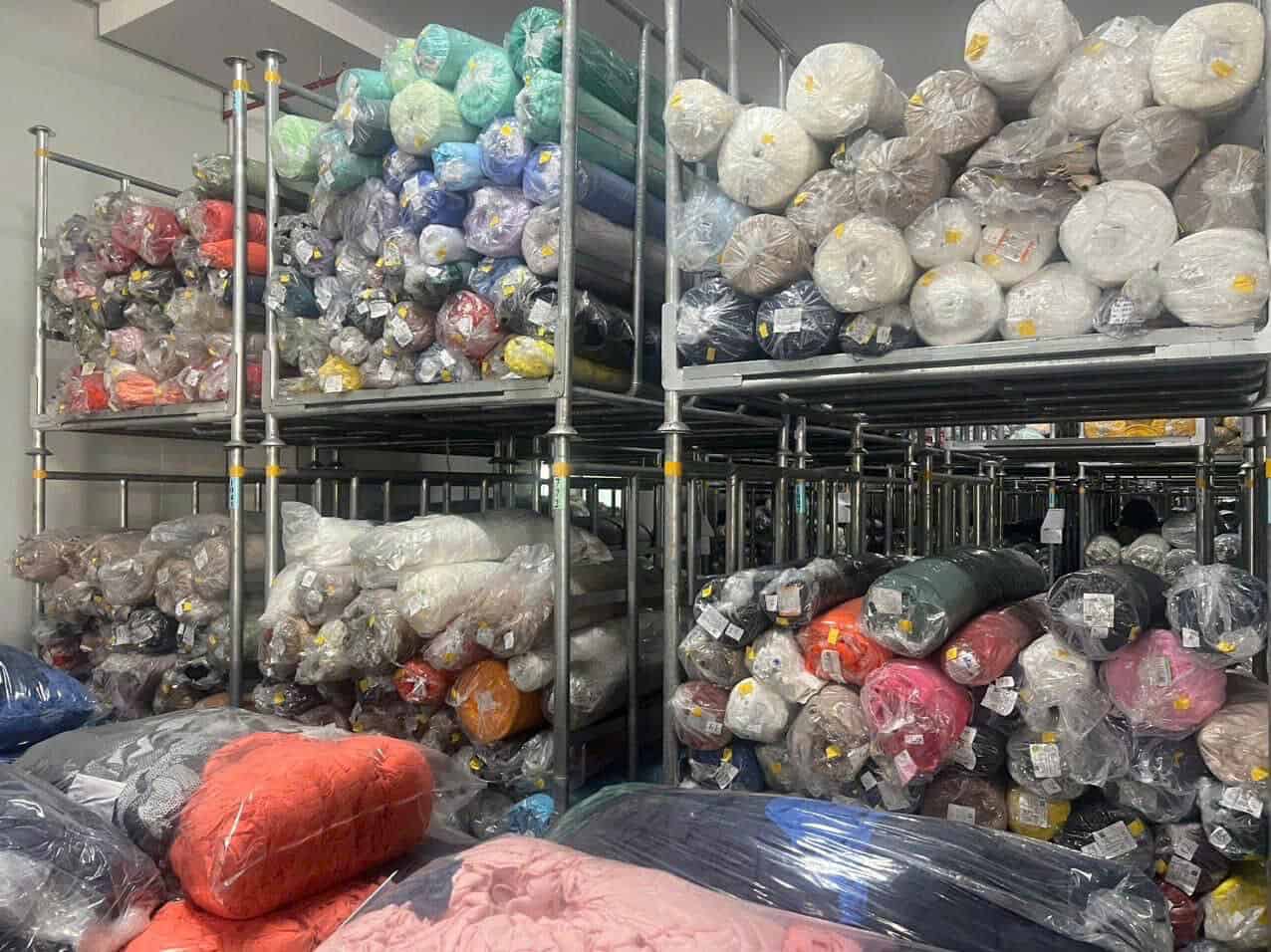
Buying surplus nylon, polyester and taffeta fabric is work Gia Bao often does for export garment factories, backpack and bag makers and jacket factories around Ho Chi Minh City, Binh Duong (now part of HCMC) and Dong Nai. Unlike cotton or linen, this group is synthetic: light, durable, hard to tear and rot-proof, so even after a long time in storage it keeps its value if stored properly. The key point is that each type has its own specifications that determine the price.
Telling nylon (parachute) fabric, polyester and taffeta apart
Polyester fabric
Polyester is a synthetic fibre made from petroleum and woven into a huge range of fabrics: light fabric for tops, heavy fabric for curtains, fabric for sportswear. What they share is low creasing, quick drying, good colour retention and no shrinkage, but poor absorbency. Polyester is also the main component of many fabrics sold under other trade names, so when buying we always ask exactly what the fabric is.
Nylon "parachute" fabric
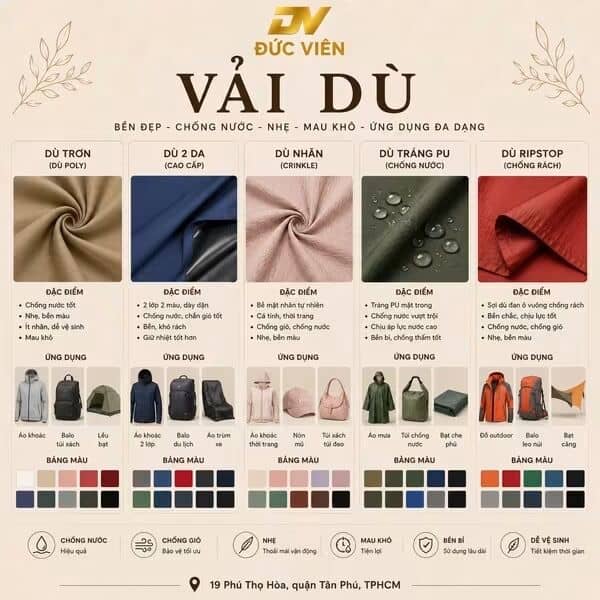
In Vietnam, "parachute fabric" is the general name for fabrics woven from nylon or polyester filament, with a smooth, firm face and usually a waterproof coating on the back. It is used for windbreakers, raincoats, umbrellas, tents, backpacks, bags and duvet covers. Common types are oxford (densely woven, for backpacks and bags), taslan (a slightly textured, cotton-like surface) and ripstop (with a reinforced grid that stops tears spreading).
Taffeta fabric
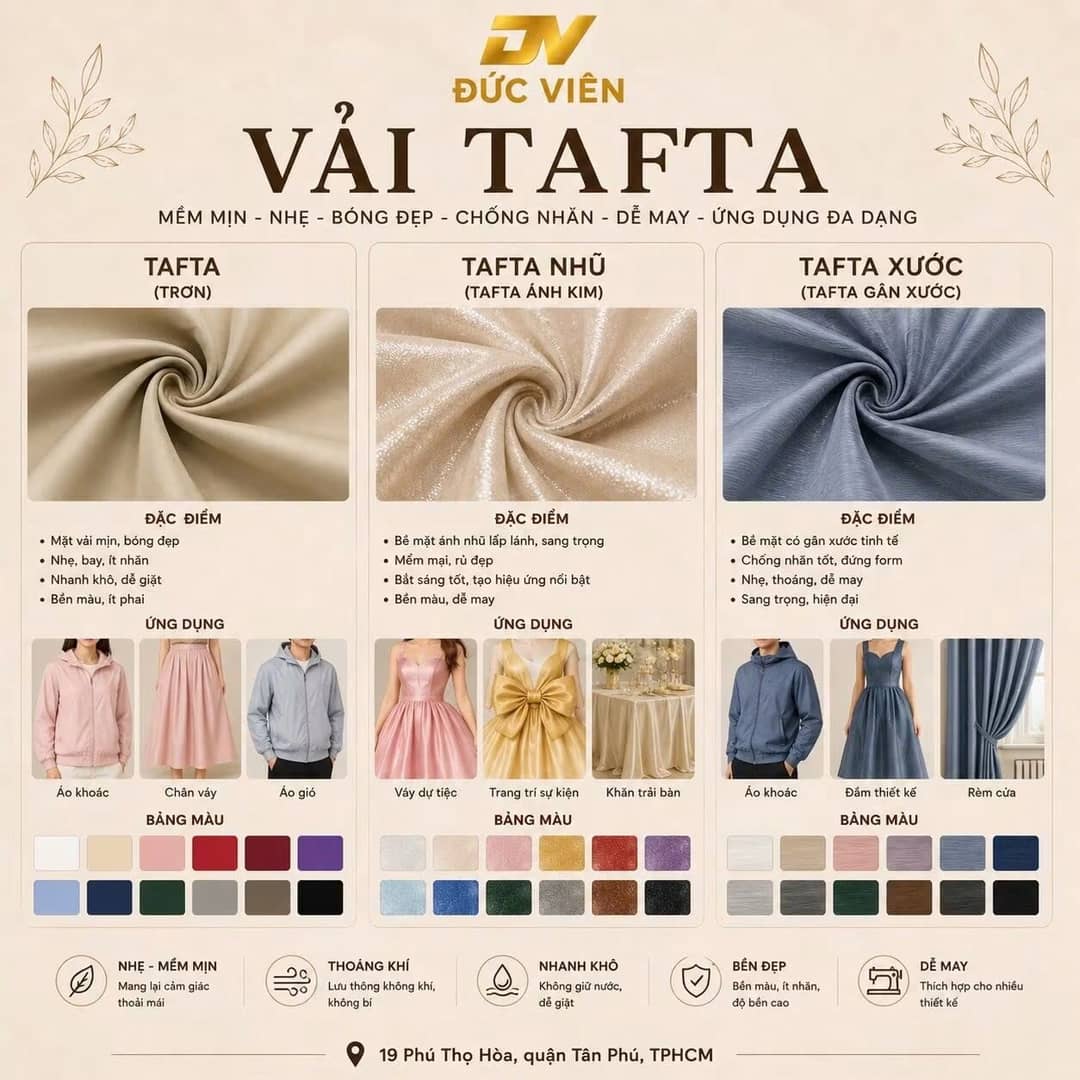
Taffeta is a plain-weave fabric made from filament yarn, with a glossy, thin face and a characteristic rustle when handled. Most taffeta on the market is polyester or nylon, used to line suits, jackets and bags and for evening dresses; real silk taffeta exists too, but it is rare and belongs to the premium segment.
Why this fabric group ends up in surplus so often
Nylon and taffeta are usually woven in large quantities for each export order, with colours and coatings made to the overseas buyer's specification. When an order is reduced or cancelled, the woven fabric stays in full rolls. Garment factories always stock taffeta lining in many colours for matching, so the year-end stock count often turns up dozens of odd-colour rolls. Because the fabric is durable and does not rot, many owners think it can be sold any time, but waterproof coatings have a lifespan, and the longer they sit the more value they lose.
What determines the price of nylon, polyester and taffeta
- Fibre type: nylon and polyester are priced differently; nylon is usually softer and glossier.
- Yarn size (denier, marked D): the higher the D, the thicker the yarn and the heavier and stronger the fabric. 600D oxford for backpacks is a very different product from thin 70D lining.
- Thread density (marked T): often seen on taffeta, such as 190T or 210T; a higher T means a denser, smoother fabric.
- Coatings and surface treatments: PU coating, PVC coating, lamination, water repellency, UV resistance. A coating still in good condition adds value.
- Colour and quantity per lot: black, navy, grey and camouflage resell easily; large lots in one colour fetch better prices.
The general pricing principles are explained on our fabric buying quote page.
How to check and describe your fabric when sending photos
Read the roll label
Labels on synthetic fabric usually list all the specifications: composition (PES or PA for polyester and nylon), the D or T count, width, metres, and coating type (PU coating, PVC, WR for water repellent). A clear photo of the label is the fastest route to a quote.
Burn test when the label is missing
Both polyester and nylon shrink from the flame and melt into drops. Polyester burns with black smoke and leaves a hard, dark bead. Nylon gives lighter smoke and leaves a hard grey-brown bead. If the fabric is coated, burning adds a heavy plastic smell; do this in a ventilated place away from the goods.
Check the coating
Turn the fabric over and feel whether the coating is still smooth or has become tacky or is peeling. Fold a corner in half and press hard along the fold: a coating in good condition will not crack. Note this condition when you send photos.
Storage so nylon and taffeta keep their value
Synthetic fibres are durable, but PU coatings break down over time with heat and humidity: the back becomes sticky, smells, then flakes off in patches. To keep the value, store the fabric somewhere dry and cool, away from hot metal roofs and direct sun; keep the mill's plastic wrap on; and do not stack too high on top of PU-coated rolls. For mixed lots of many types, see how we clear warehouses on our garment factory surplus fabric page, and for small nylon cutting scraps see our fabric scraps buying page.
Call or message Zalo 0904 623 046 (Mr. Tuan Tai) with photos of the labels and fabric face; you can write in English and we will reply. Gia Bao will give a preliminary quote the same day and book a visit to your warehouse.