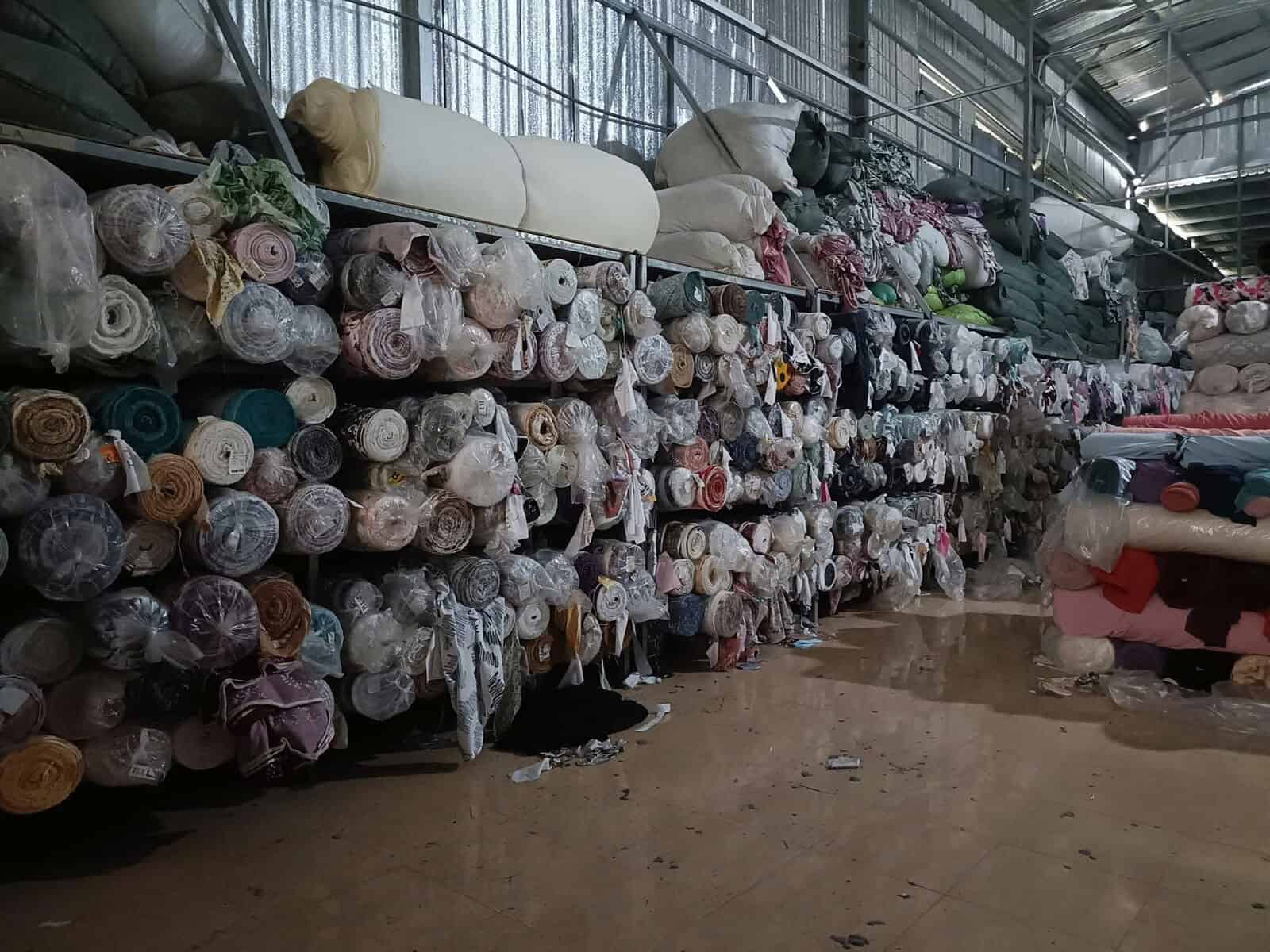
Gia Bao is a surplus fabric buyer in Binh Duong (part of Ho Chi Minh City since 1 July 2025 after the provincial merger), serving both small workshops in residential areas and export garment companies inside the industrial parks. This area works quite differently from the inner city: lots tend to be larger and more uniform, and access to warehouses has to be booked for a specific time.
What makes Binh Duong's garment industry different
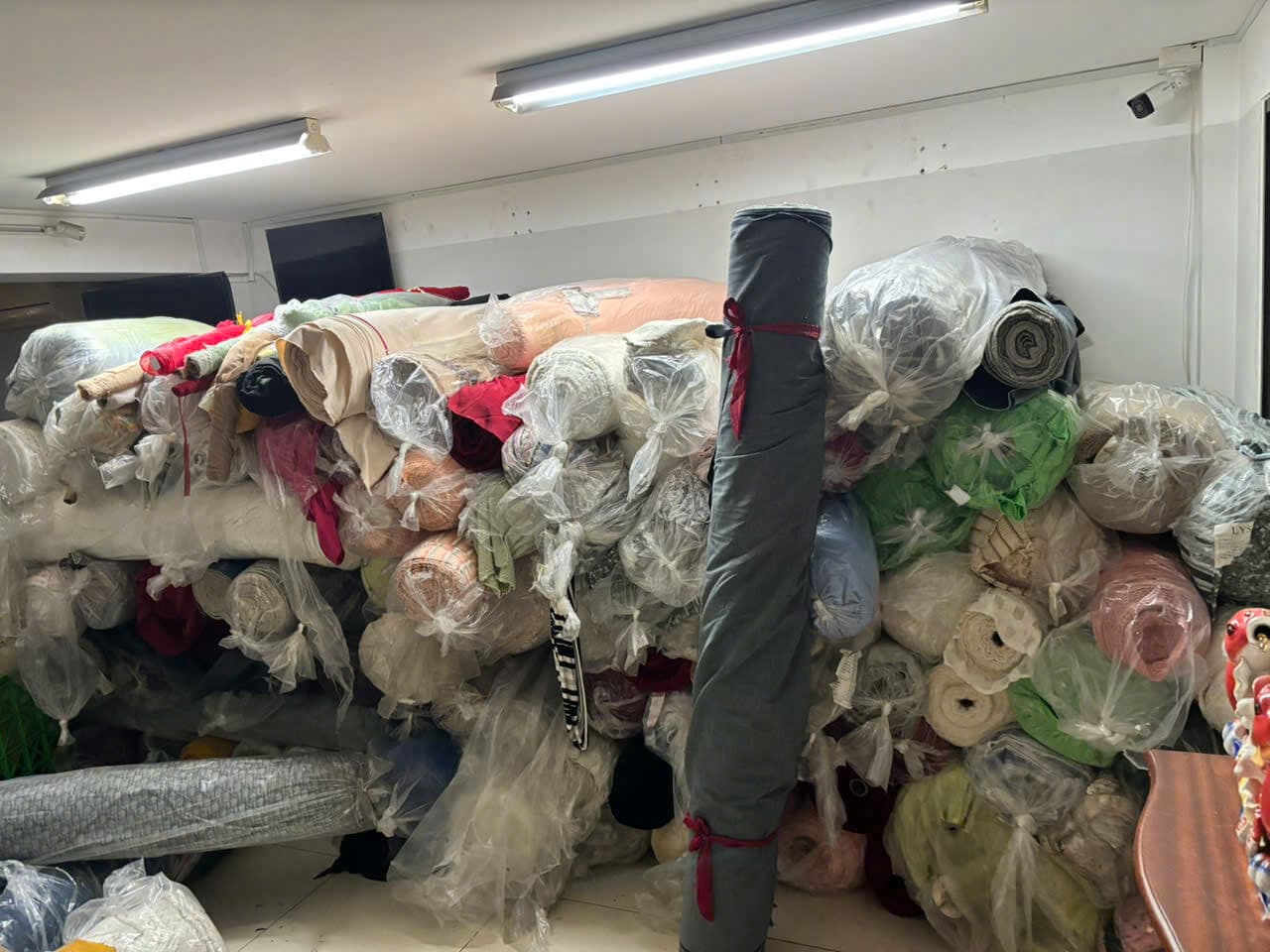
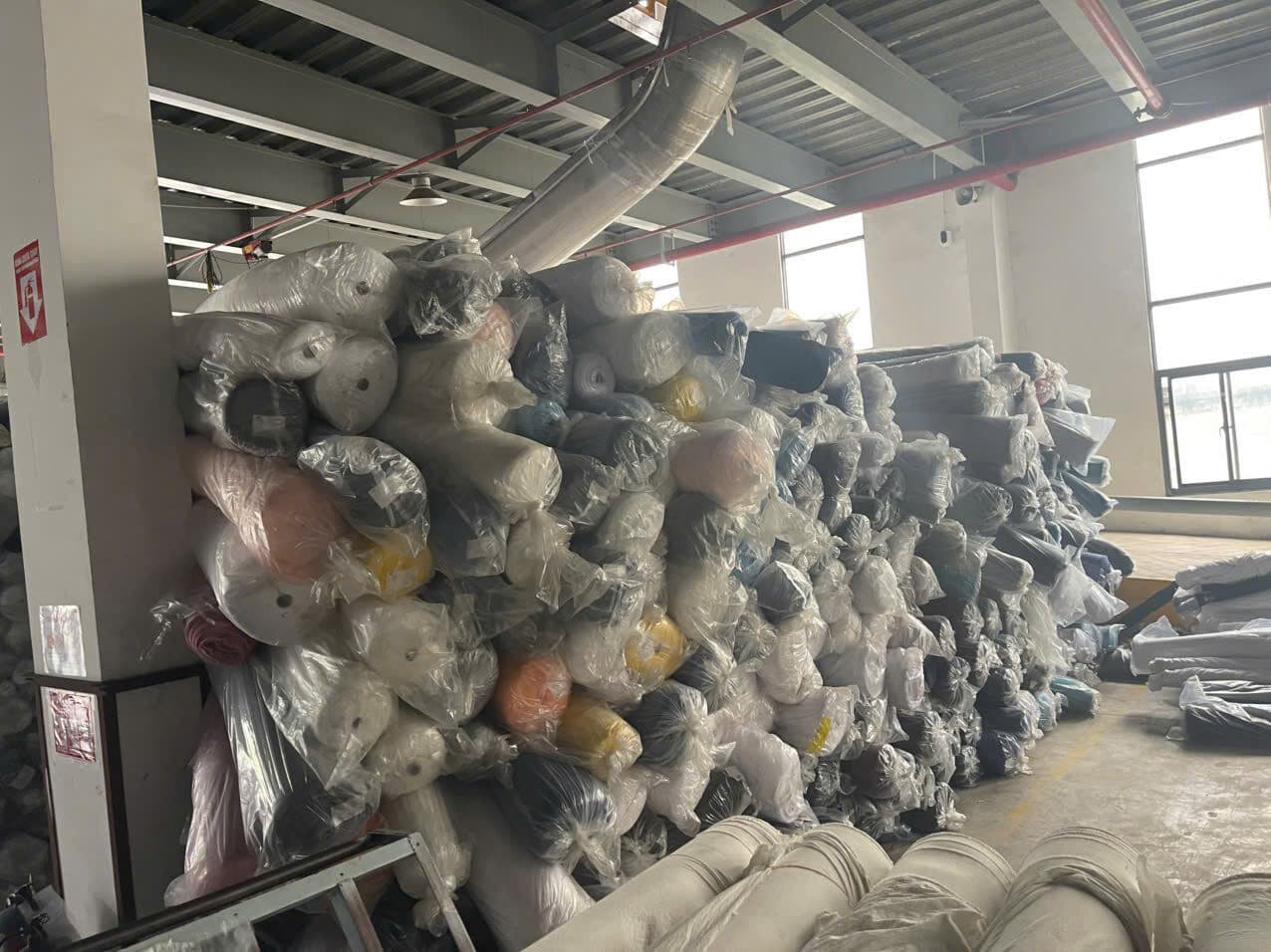
The former Binh Duong province is one of the largest hubs for textile, garment, footwear and packaging factories in southern Vietnam. Many companies produce for overseas buyers: fabric is imported to a set consumption rate, and when an order ends or is cut back, the surplus stays in the warehouse pallet by pallet, rack by rack. Around them are thousands of contract workshops in Thuan An and Di An that take subcontracted work from the big factories.
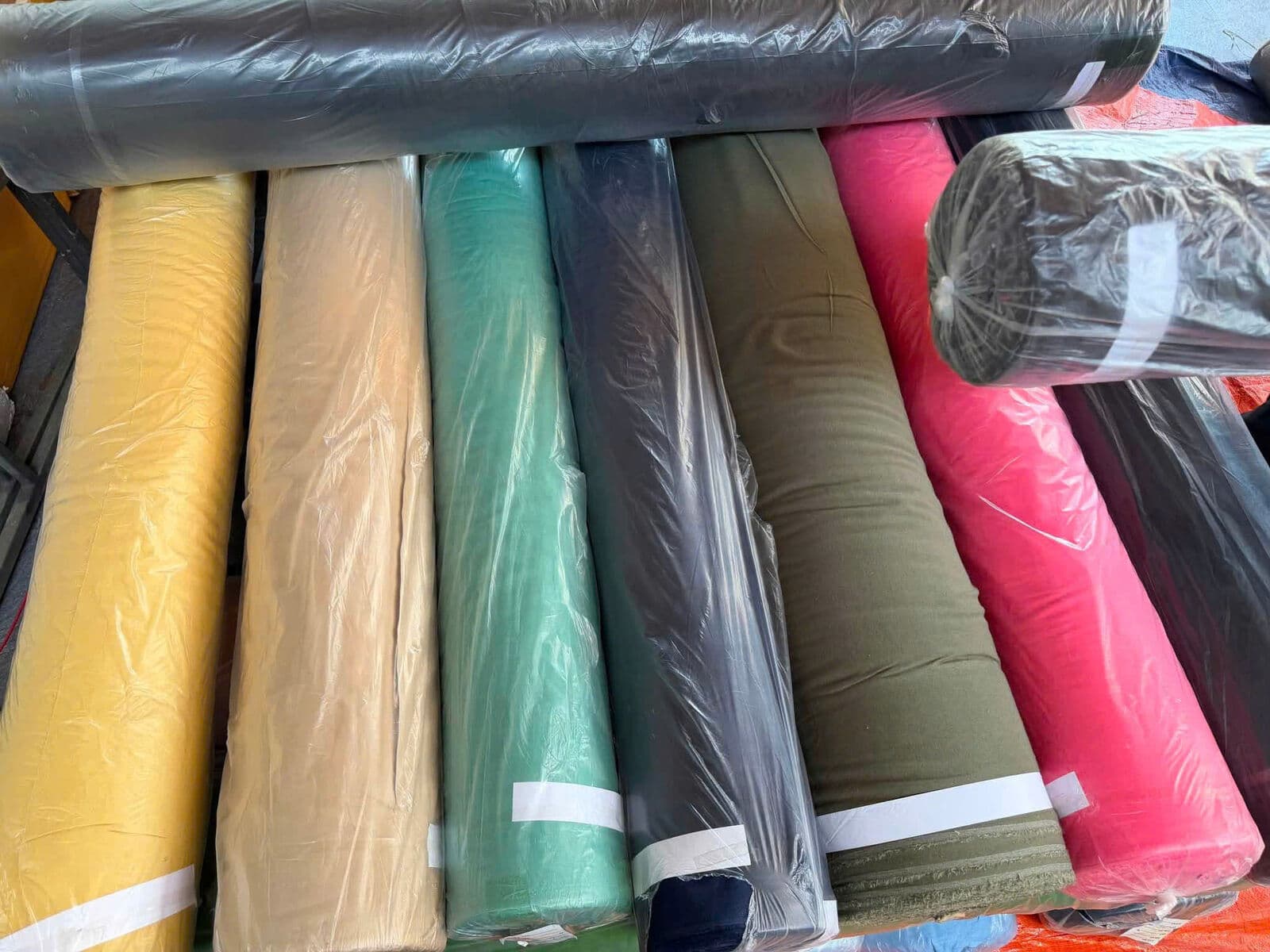
Because the work is export-driven, surplus here is usually the same article and colour, still in full rolls and with spec labels attached. That is good news for the seller: uniform goods are easy to value and usually fetch a better price than mixed lots.
Where we buy surplus fabric in Binh Duong
- Thuan An, Di An: right on the old Ho Chi Minh City border, packed with contract garment workshops, print shops and the Song Than industrial park. From our base it takes about one to one and a half hours depending on traffic.
- Thu Dau Mot: many small and medium garment companies, fabric shops and uniform makers.
- Tan Uyen, Ben Cat: large factories, the My Phuoc industrial parks and big warehouses, often with several tonnes of stock to clear in one go.
- VSIP: foreign-invested companies that usually have their own disposal procedures and need clear documents and scheduling.
National Highway 13 and the My Phuoc – Tan Van road get congested at shift change, so we usually arrive in the morning or early afternoon to keep trucks moving in and out smoothly.
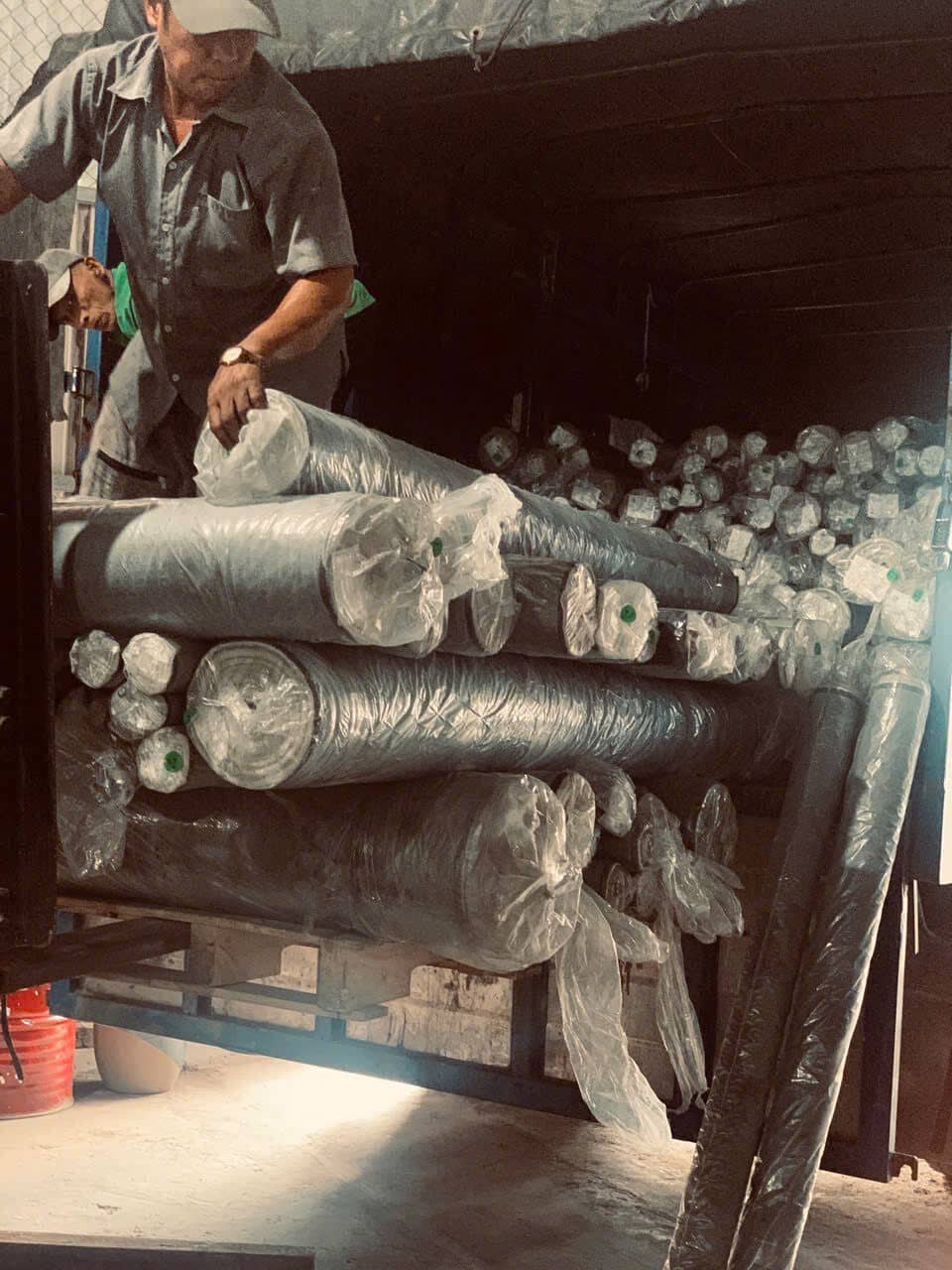
Types of surplus fabric common at Binh Duong factories
Stock here bears the mark of industrial production. The most common are:
- Khaki twill, denim and jeans fabric from trouser, uniform and workwear factories.
- Nylon and polyester taffeta ("parachute fabric"), polyester and pocket lining from jacket, backpack and bag makers.
- Cotton jersey and pique knit from export T-shirt factories, usually still in full rolls of one colour.
- Trims left after an order: thread, zips, buttons, webbing, labels and carton tags.
For lots of nylon and polyester fabric, see buying nylon, polyester and taffeta fabric. We buy surplus trims in the same trip — details on the garment trims buying page.
How we work with factory warehouses
Working with companies inside industrial parks involves a few more formalities than a family workshop. We come prepared:
- Survey first: we take your stock list (fabric code, number of rolls, metres or kilos) and photos, then quote by product group.
- Vehicle and staff registration: we send number plates and the list of people entering the warehouse in advance, as security requires.
- Weighing witnessed by your warehouse staff: we draw up a quantity record and both sides sign it.
- Payment: bank transfer according to the record before the truck leaves, or in whatever way your company requires.
Lots of many tonnes are split into several runs over one day or over consecutive days, depending on how fast your warehouse can release the goods.
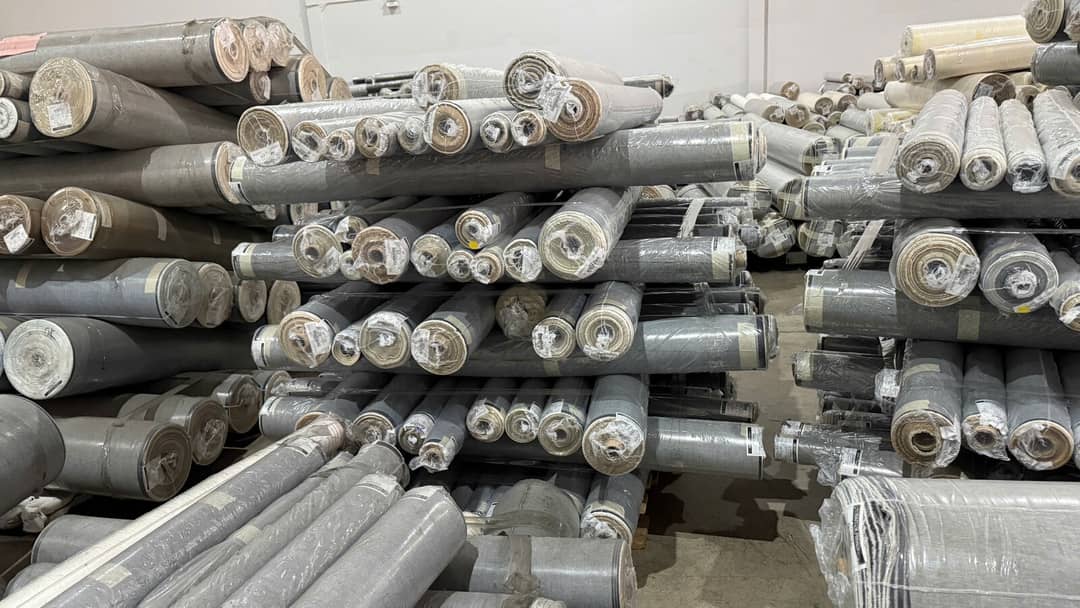
How to get a good price for surplus fabric in Binh Duong
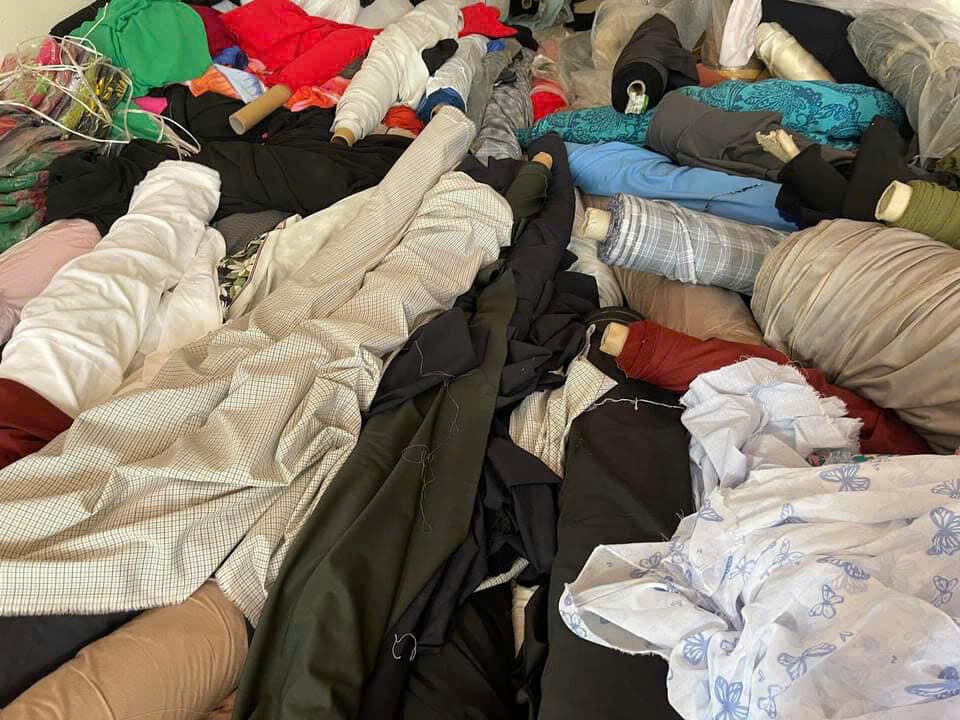
Factory surplus is often worth more than owners expect, as long as it has been stored properly. A few things to do before calling us: keep the plastic wrap and label on every roll; separate the stock by article code; note the metres or kilos if your warehouse keeps records; and store the goods somewhere dry, away from damp walls. If you also have off-shade or weaving-fault fabric, keep it apart, because it is valued differently — see buying defective fabric.
Send your stock list or photos on Zalo to 0904 623 046 and Gia Bao will quote for your surplus fabric in Binh Duong as soon as possible and book a time to visit. You are welcome to message in English or Chinese — we will reply.