24 September 20260 views
When it is time to sell surplus fabric, many factory owners ask an acquaintance for a referral, or find a phone number online and sell to whoever turns up first. That is quick, but it is very easy to sell too cheaply. Your surplus fabric is an asset you paid for, and a single afternoon of preparation can make a clear difference to the price. Below is what Gia Bao has learned from inspecting goods at a great many garment factories, fabric shops and company warehouses, written from the seller's point of view so you can stay in control when dealing with any buyer.
Step 1: Take stock before you call a buyer
A seller who knows their goods well is hard to lowball. Before calling anyone, spend a few hours walking through your warehouse and note down:
- Which fabrics you have: knit, khaki twill, cotton, nylon taffeta, silk… and roughly how many rolls or kilos of each.
- Whether the fabric is still on full rolls or partly cut, and which rolls still have labels and plastic wrap.
- The main colors in each group, and which groups are basic colors and which are fashion colors.
- Which rolls have stains, damp, color bleeding or weaving defects.
- Any garment accessories left over besides fabric: thread, buttons, zippers, waistband elastic, labels and tags.
This list does not need to look nice; handwritten on paper is fine. It lets you answer the buyer's questions confidently and, more importantly, gives you a basis for comparing several quotes. If you have accessories, ask whether the buyer takes them too, since selling everything in one go is usually simpler than selling items one by one. Gia Bao also offers garment accessories buying alongside fabric.
Step 2: Take the right photos for an accurate quote
Photos are the first thing a buyer uses to estimate a price. Blurry, dark photos, or photos of just one corner, force them to quote a wide range to cover the risk, and that range usually leans low. A good set of photos includes:
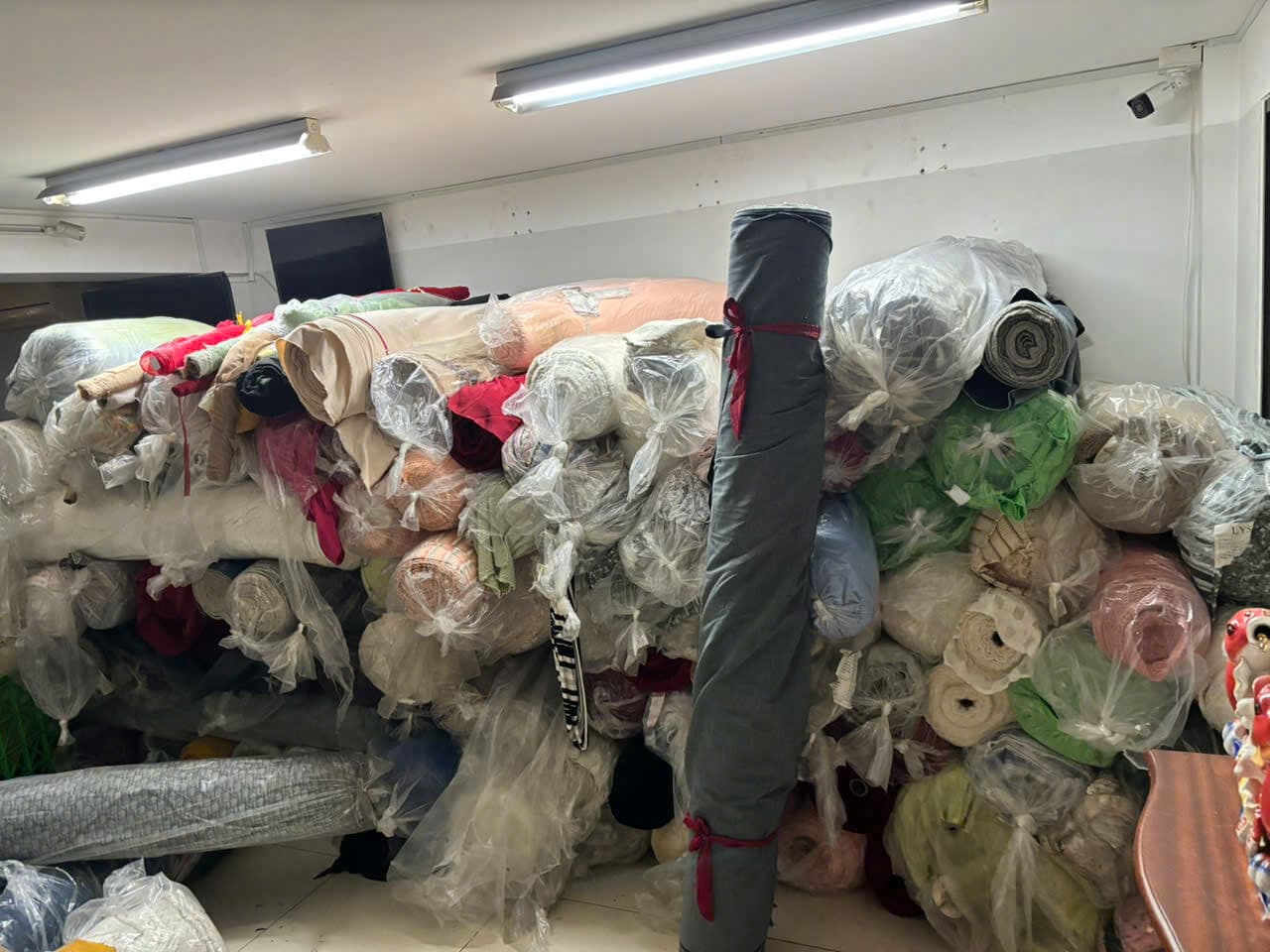
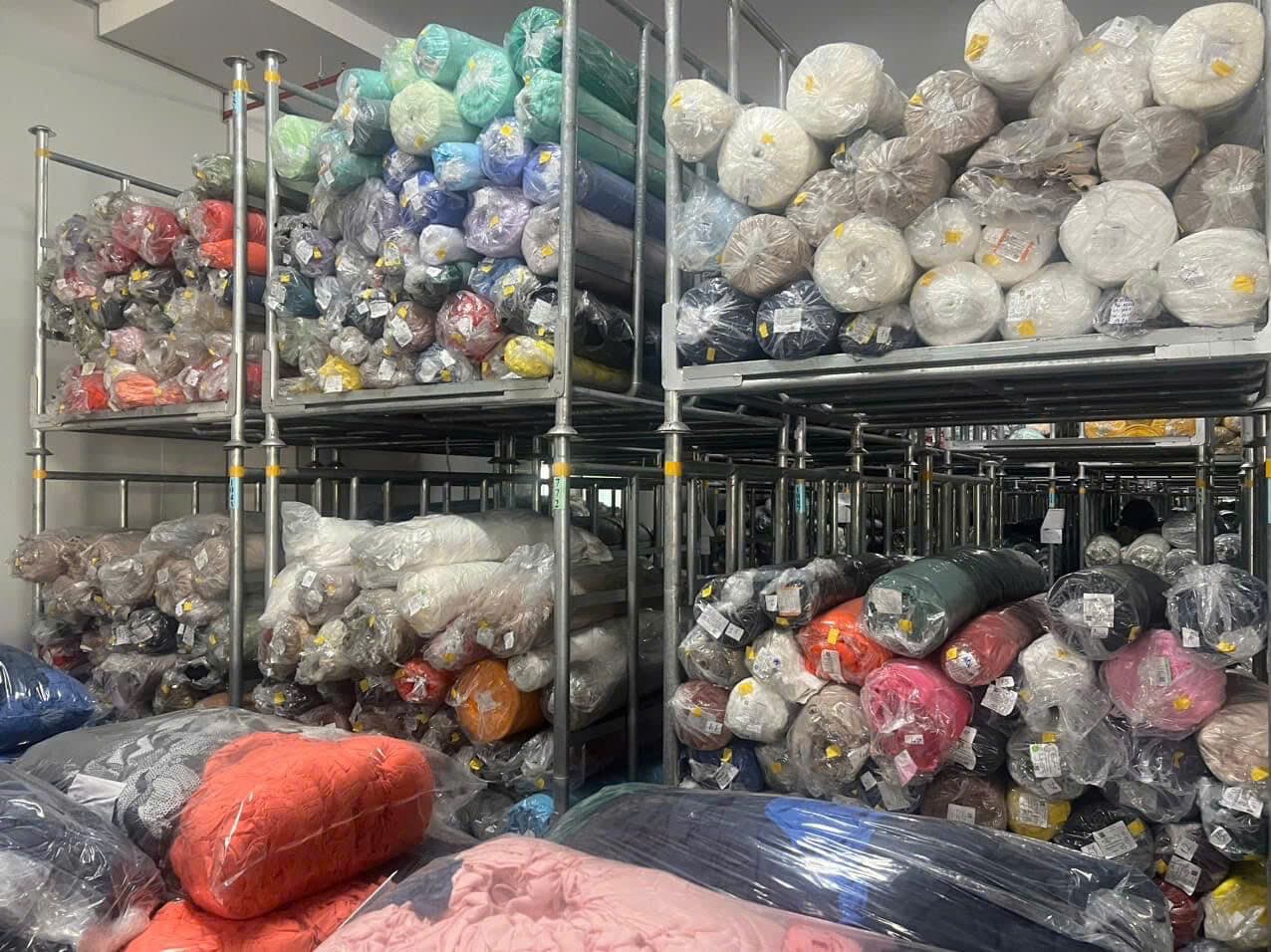
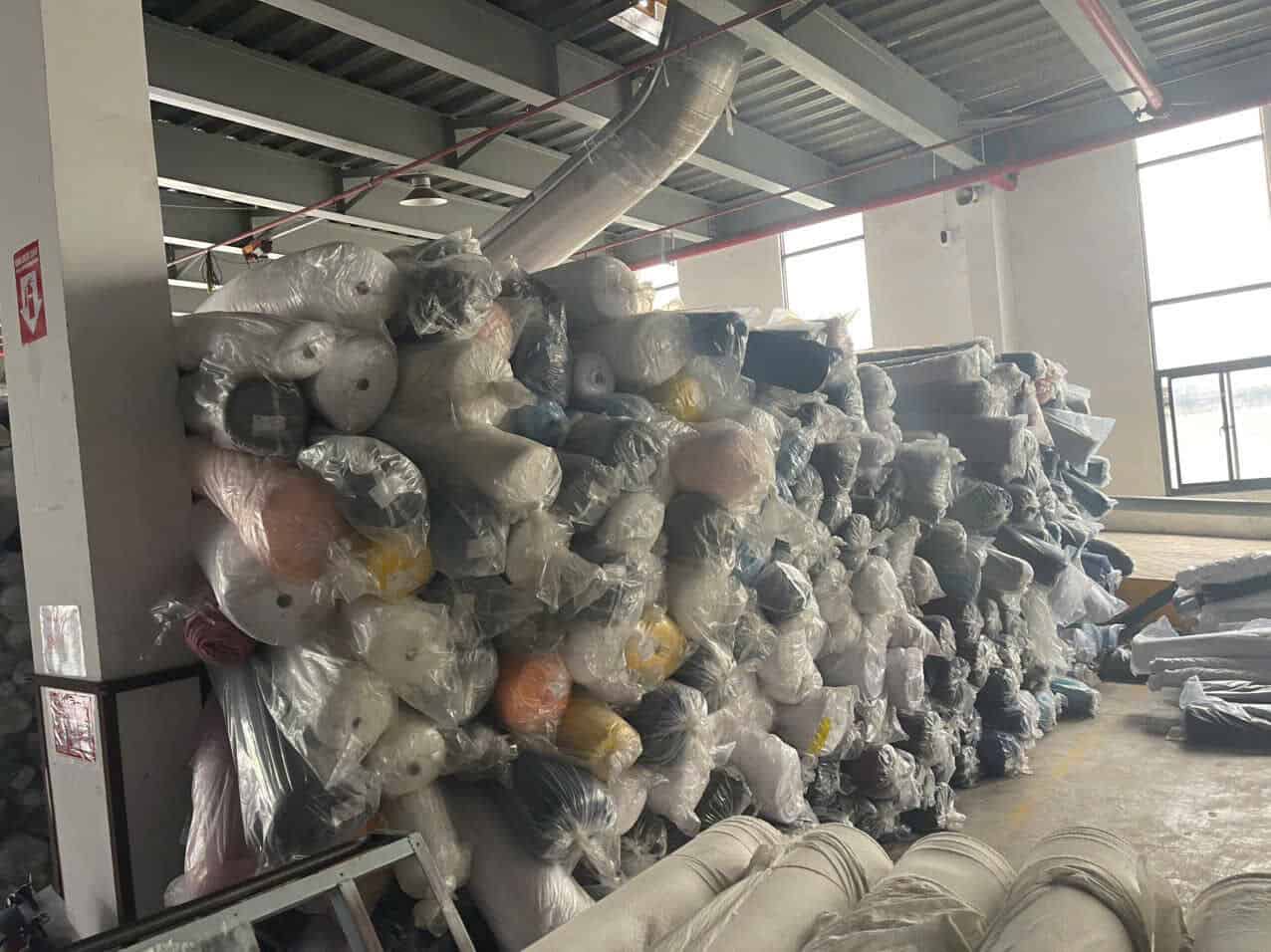
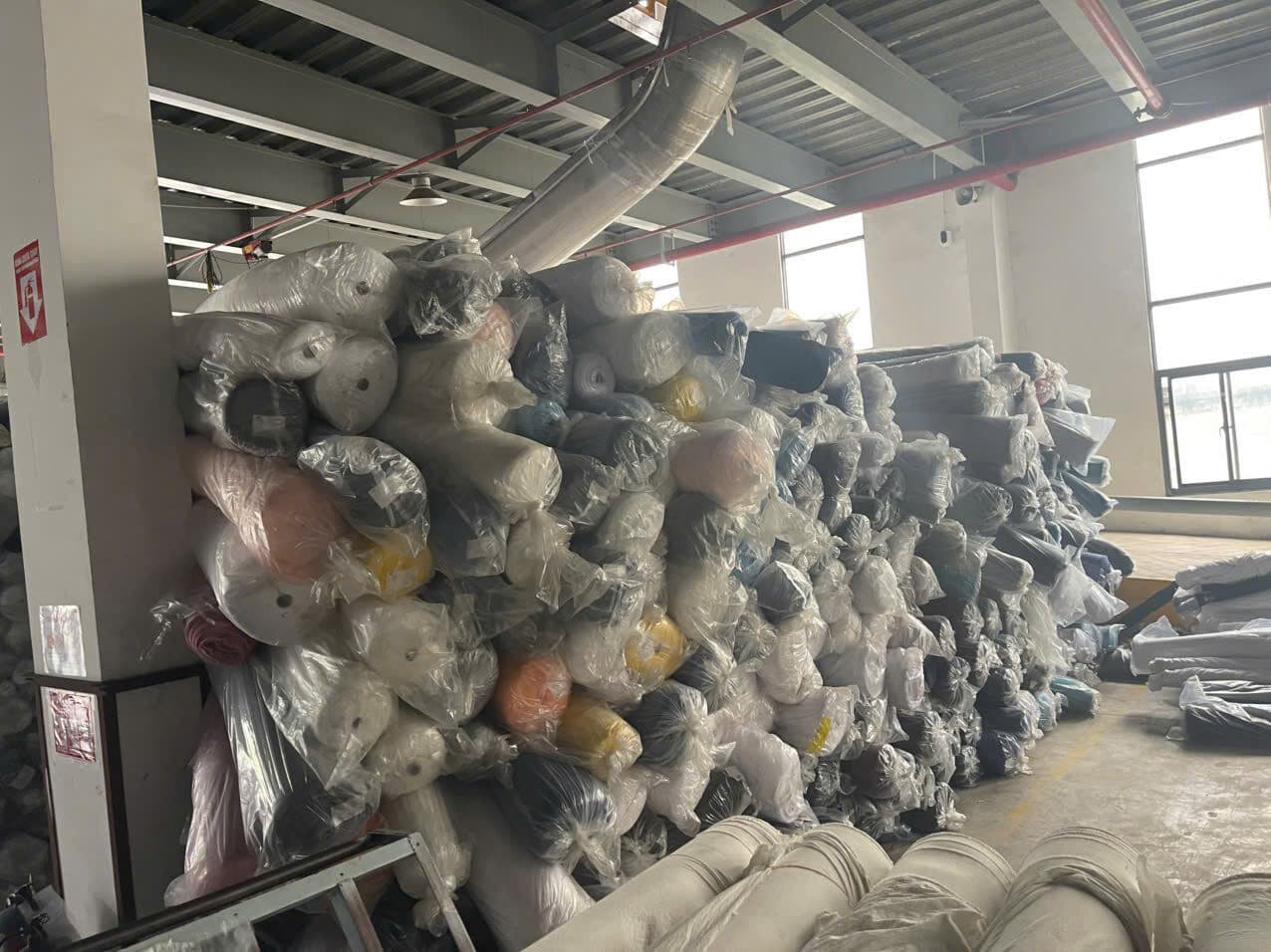
- An overview of the warehouse that shows the volume of goods.
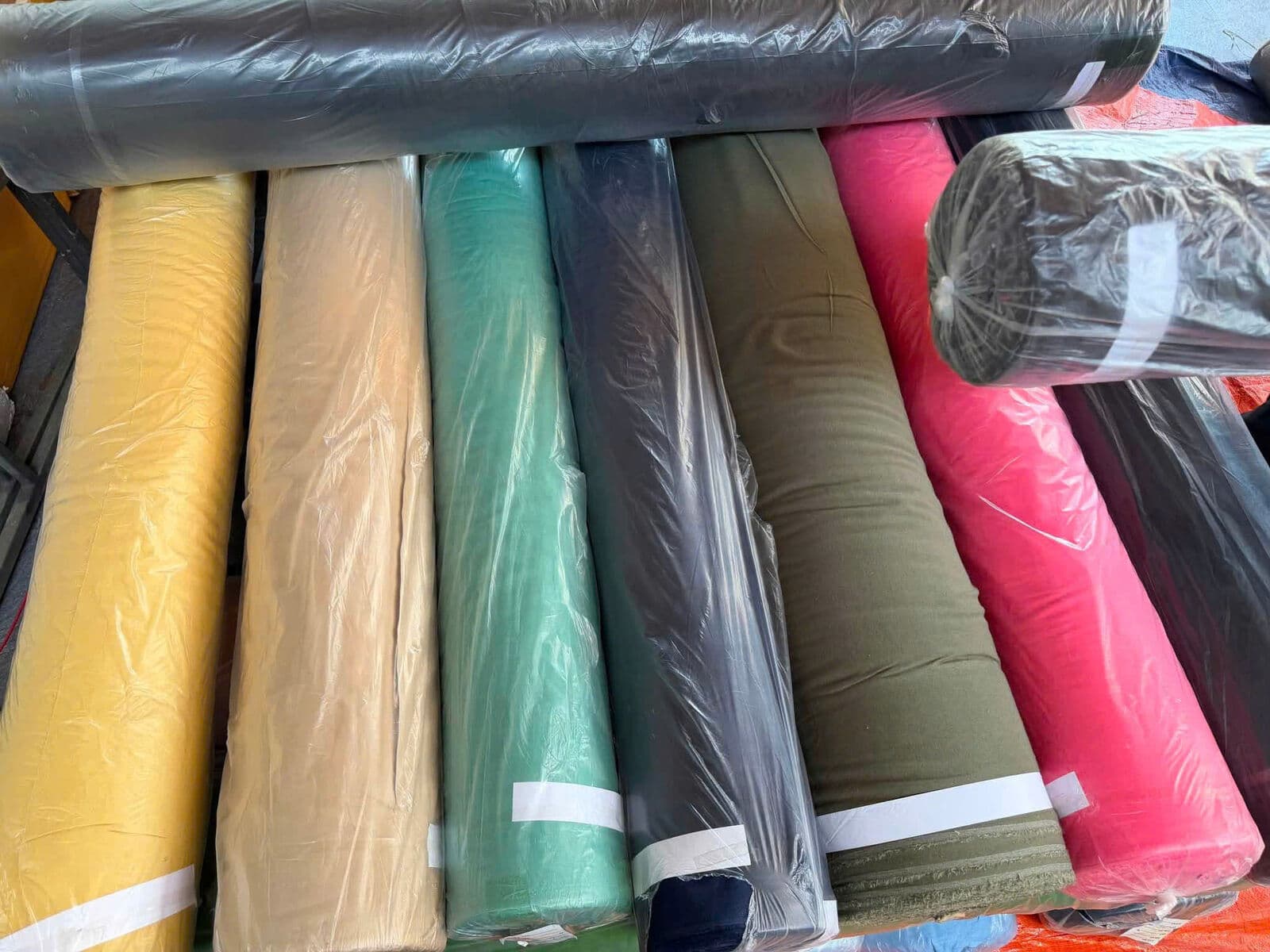
- Close-ups of each fabric group, near enough to show the surface and the true color.
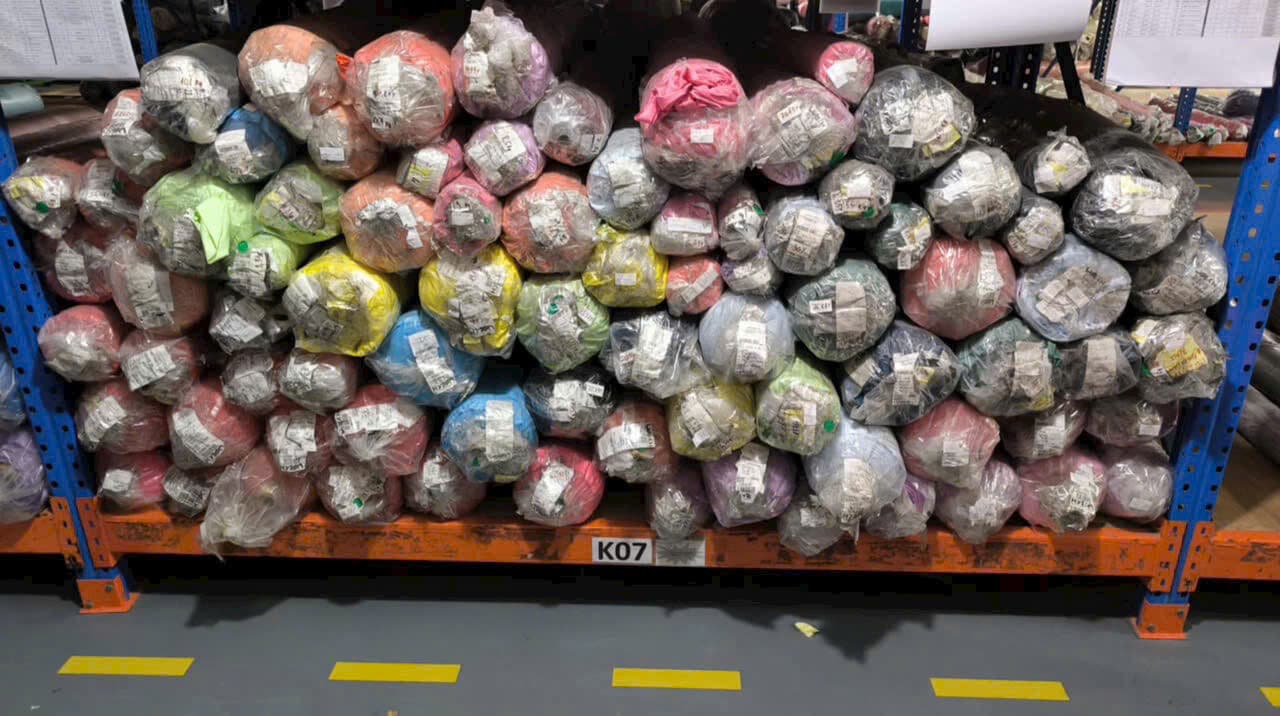
- Photos of the specification labels on the rolls, if there are any.
- Honest photos of any defects, stains or damp patches.
- Photos of the warehouse entrance, the stairs or the truck access.
Shoot in daylight, near a door or with plenty of lights on, because fabric colors are easily misread under yellow lighting. Photographing the defects may sound like a disadvantage, but in practice it works the other way: a buyer who sees you are being transparent will quote more accurately and have fewer reasons to cut the price once they arrive.
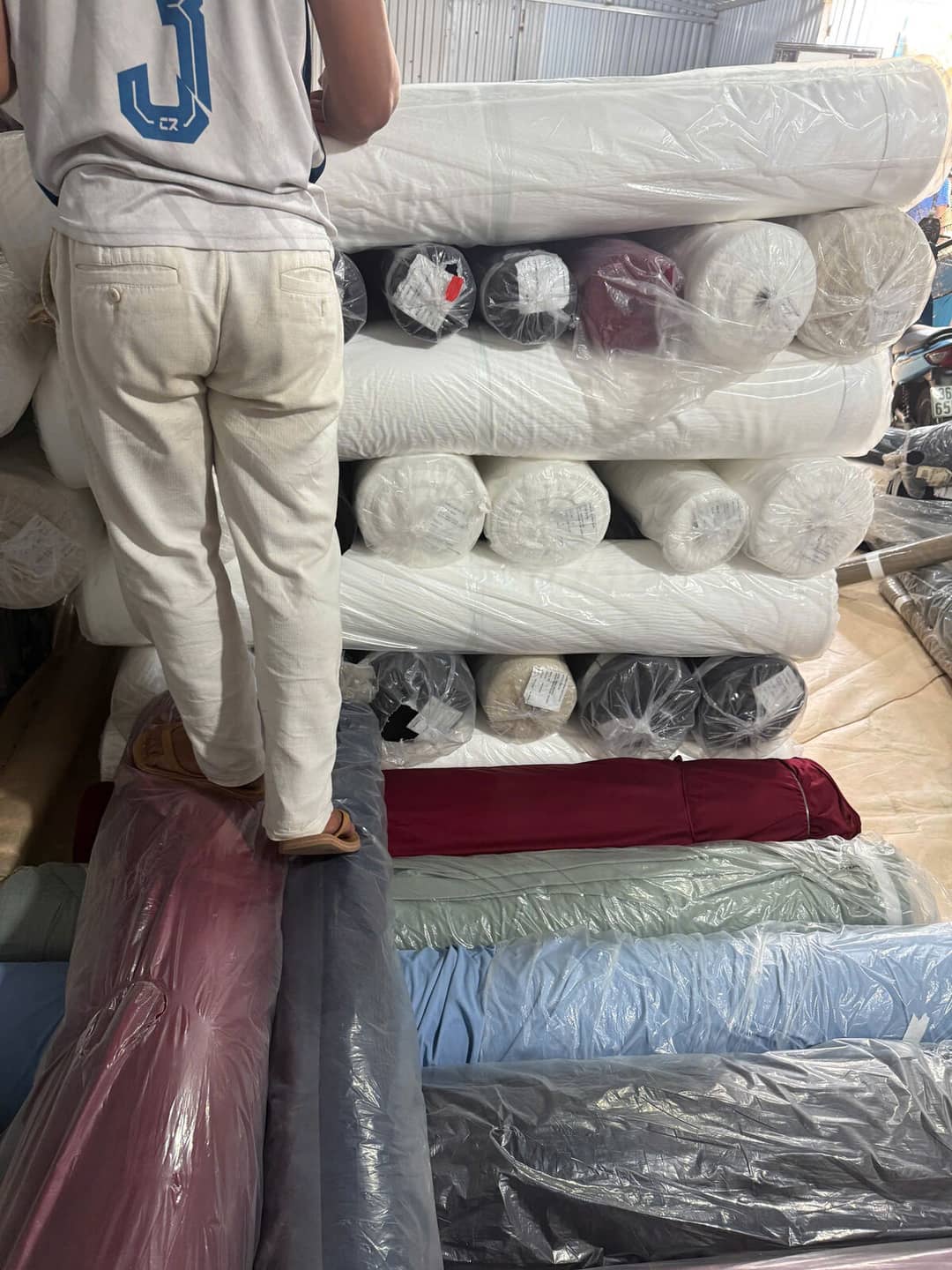
Getting a good price for leftover fabric rolls: combine or separate?
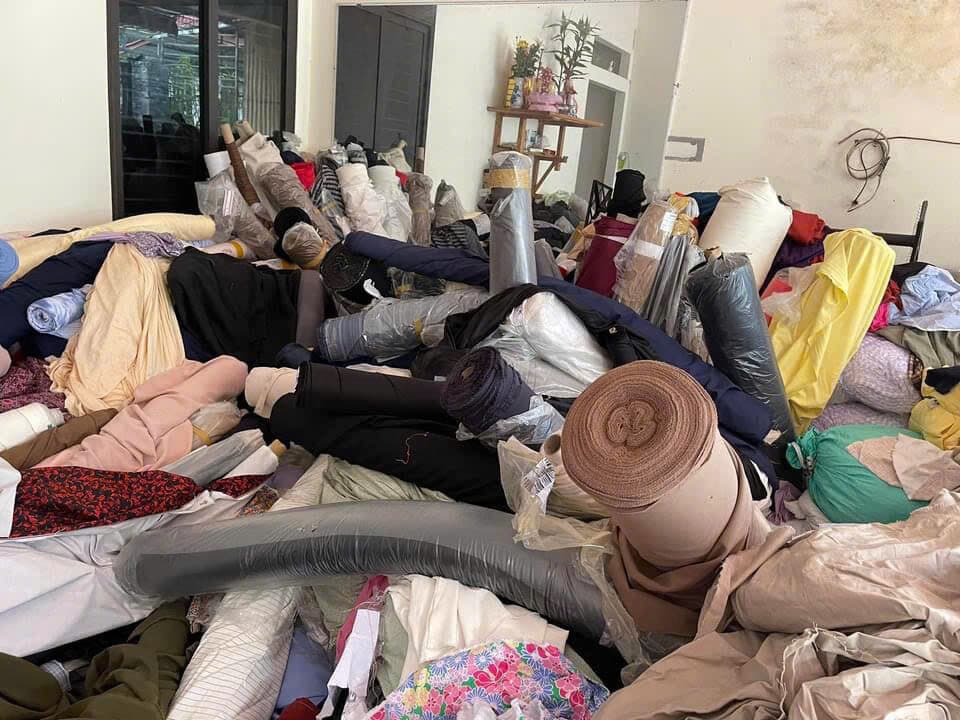
Many factories have a habit of saving: every order leaves a few spare rolls that end up in a corner. After two or three years, that corner becomes a small warehouse full of everything. To get a good price for your leftover fabric rolls, follow one rule: separate by quality, group by type.
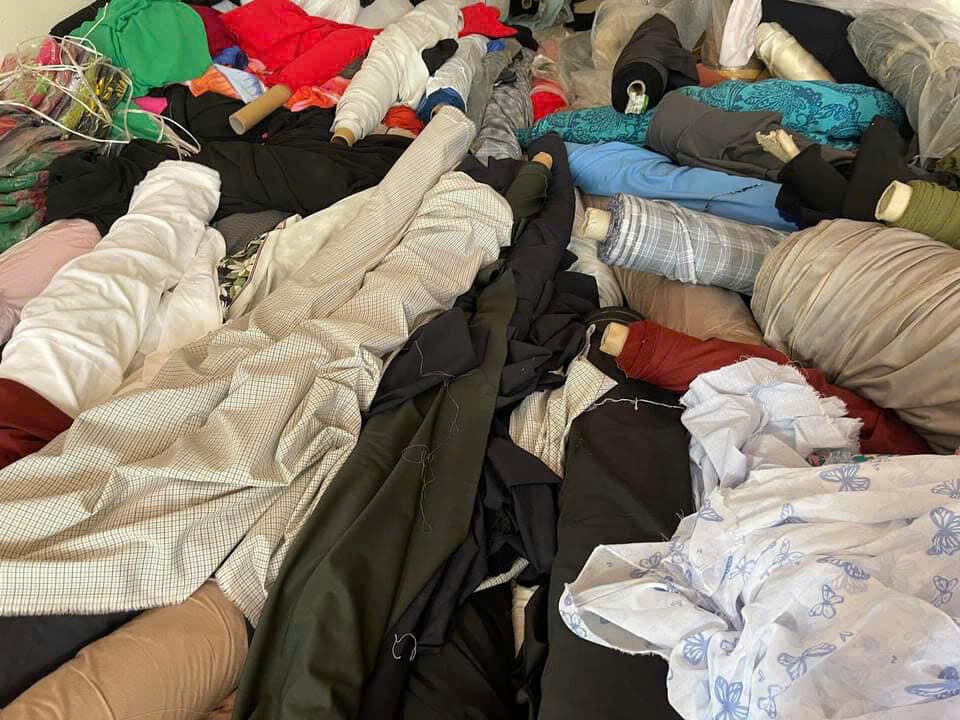
Separating by quality means keeping full rolls, partly cut rolls, short remnants and scraps in separate areas. If they are mixed, the buyer will price the whole lot at the lowest grade, because they have no time to examine every roll. Grouping by type means knit with knit and khaki with khaki, so the buyer can see that each group has a meaningful volume. Ten rolls of one fabric are more attractive than ten rolls of ten different fabrics.
On the other hand, do not split things too finely and sell to many different people. Buyers are usually willing to pay more for the good part of a lot when they also take the hard-to-sell part. If you sell the good fabric first, you will be left with a pile of poor stock that very few people want.
Why sell to a direct buyer rather than a middleman
The surplus fabric market has many layers of people in the middle: scouts who look for goods and call their contacts, brokers who take a percentage, small shops that collect stock and sell it to large depots. Each layer takes a cut, and in the end that cut comes out of the price paid to you.
Working with a direct buyer that has its own warehouse, trucks and loading crew means you:
- Get a price closer to the real value of your lot, because fewer people are taking a margin.
- Talk to the person who decides the price, instead of waiting while someone "checks with the boss".
- Have the goods weighed and get paid in the same visit, rather than waiting for a broker to find a buyer.
- Know exactly who is responsible for loading, transport and cleaning up after collection.
A simple way to check: ask where their warehouse is, whether they do their own loading, and whether the person who comes to inspect can confirm the price on the spot. You can browse Gia Bao's real warehouse photos to get a sense of how we work.
Common lowball tactics and how to avoid them
A high quote on the phone, a lower one on arrival
This is the most common tactic. The buyer offers a very attractive price to get an appointment, then lists every fault once on site and brings the price down. By then the owner has already spent time clearing the warehouse and does not want to call someone else, so they accept. How to avoid it: send a full set of photos as in step 2, ask the buyer to state exactly what their price takes into account, and always get at least two quotes to compare.
Non-transparent weighing and excessive tare deductions
Weighing out of the owner's sight, or deducting more for tubes and packaging than they actually weigh. How to avoid it: agree on the tare deduction before weighing, weigh on the spot in front of you, write down every reading on paper and have both sides check it.
Promising to pay later
Taking the goods first, promising a bank transfer in a few days, then dragging it out. With surplus stock, this risk is not worth taking. A rule worth keeping: when the goods go on the truck, the money comes in, either in cash or as a confirmed transfer.
Taking only the best goods
Some buyers pick out the best rolls at a bargain price and leave the hard-to-sell part behind. If your goal is to clear the warehouse, say clearly from the start that you want to sell the whole lot and ask for a quote for all of it.
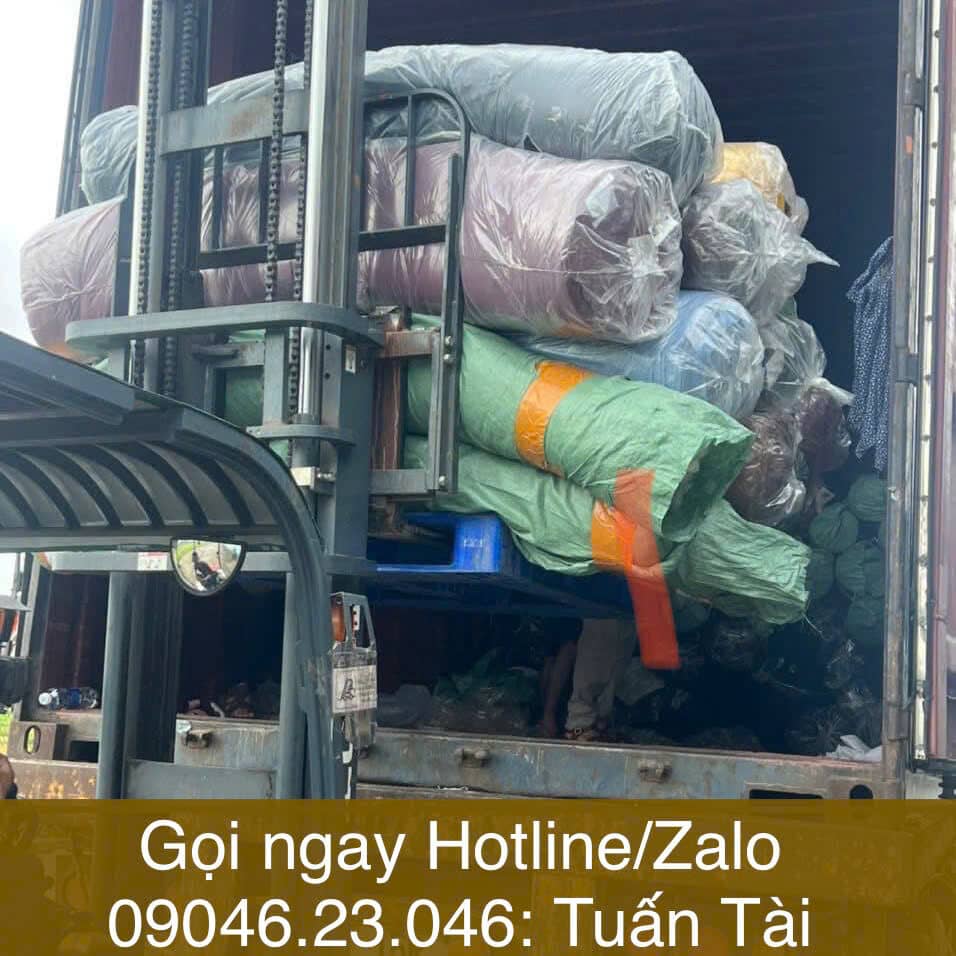
Collection day: a checklist
Once the price is agreed, collection day usually goes quickly. To make sure nothing is missed, prepare the following:
- Clear a path for the truck and the loaders, and let industrial park security know in advance if your warehouse is in an industrial park.
- Have someone with authority present to confirm the weights and receive payment.
- Set aside any rolls you want to keep, so they are not loaded by mistake.
- Agree on who cleans up waste, tubes and packaging after collection.
- If you are a company that needs documents to account for liquidated goods, ask the buyer about sales paperwork beforehand.
For large factories that need to clear an entire warehouse, see our fabric stock clearance page, where we describe how we handle a lot with many different types of goods in one go.
Sell now or wait?
There is no universal answer, but there is an easy rule of thumb: if you have no orders in the next six months that will use that fabric, sell it. Fabric that sits for a long time takes up space, picks up damp and fades, and fashion colors go out of style very quickly. The money you get back can be put to work on new orders, and the freed-up space makes your warehouse tidier and safer in terms of fire risk.
Need to sell surplus fabric? Call Gia Bao
Gia Bao buys fabric rolls, leftover rolls, remnants, scraps, defective fabric and accessories directly in Ho Chi Minh City, Binh Duong (now part of Ho Chi Minh City), Dong Nai, Long An and the surrounding provinces. Call our hotline 0904 623 046 (Mr. Tuan Tai) or send photos of your warehouse via Zalo to the same number for a same-day quote. You can message us on Zalo in English and we will reply. Or leave your details on our contact page and we will call you back.