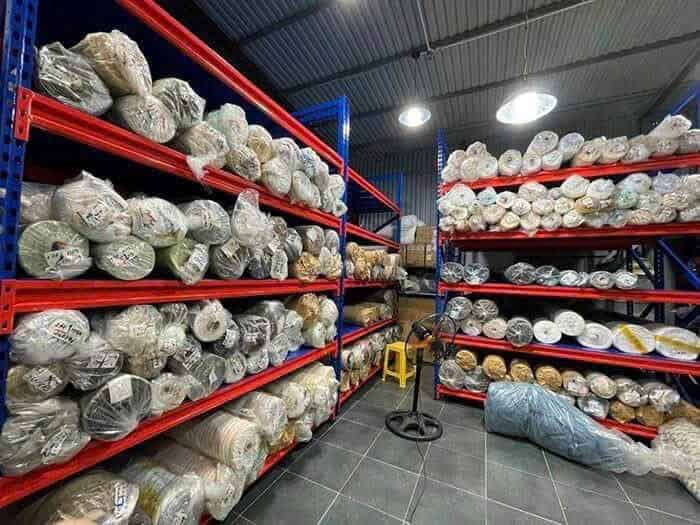
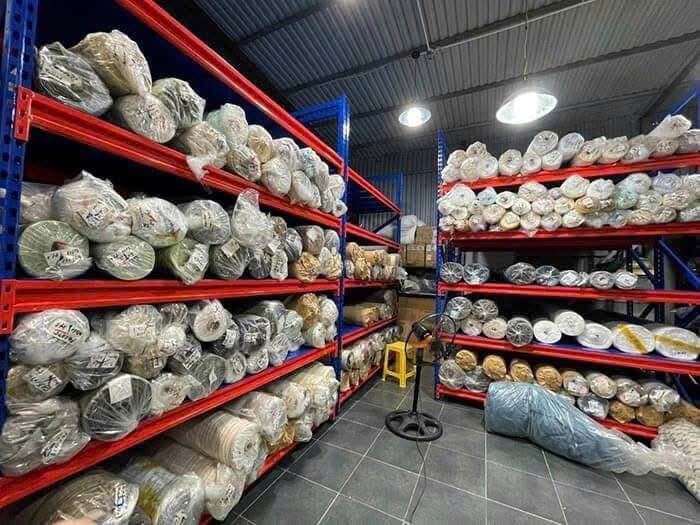
Gia Bao is a surplus fabric buyer in Dong Thap – An Giang, covering Cao Lanh, Sa Dec and Hong Ngu through to Long Xuyen, Chau Doc, Tan Chau and the Rach Gia area. Since 1 July 2025 Dong Thap has absorbed Tien Giang, and Kien Giang has been merged into An Giang. On this page we keep the old names, because that is what people in the trade still use, and because each area holds a very different kind of stock.
What surplus fabric in Dong Thap – An Giang usually looks like
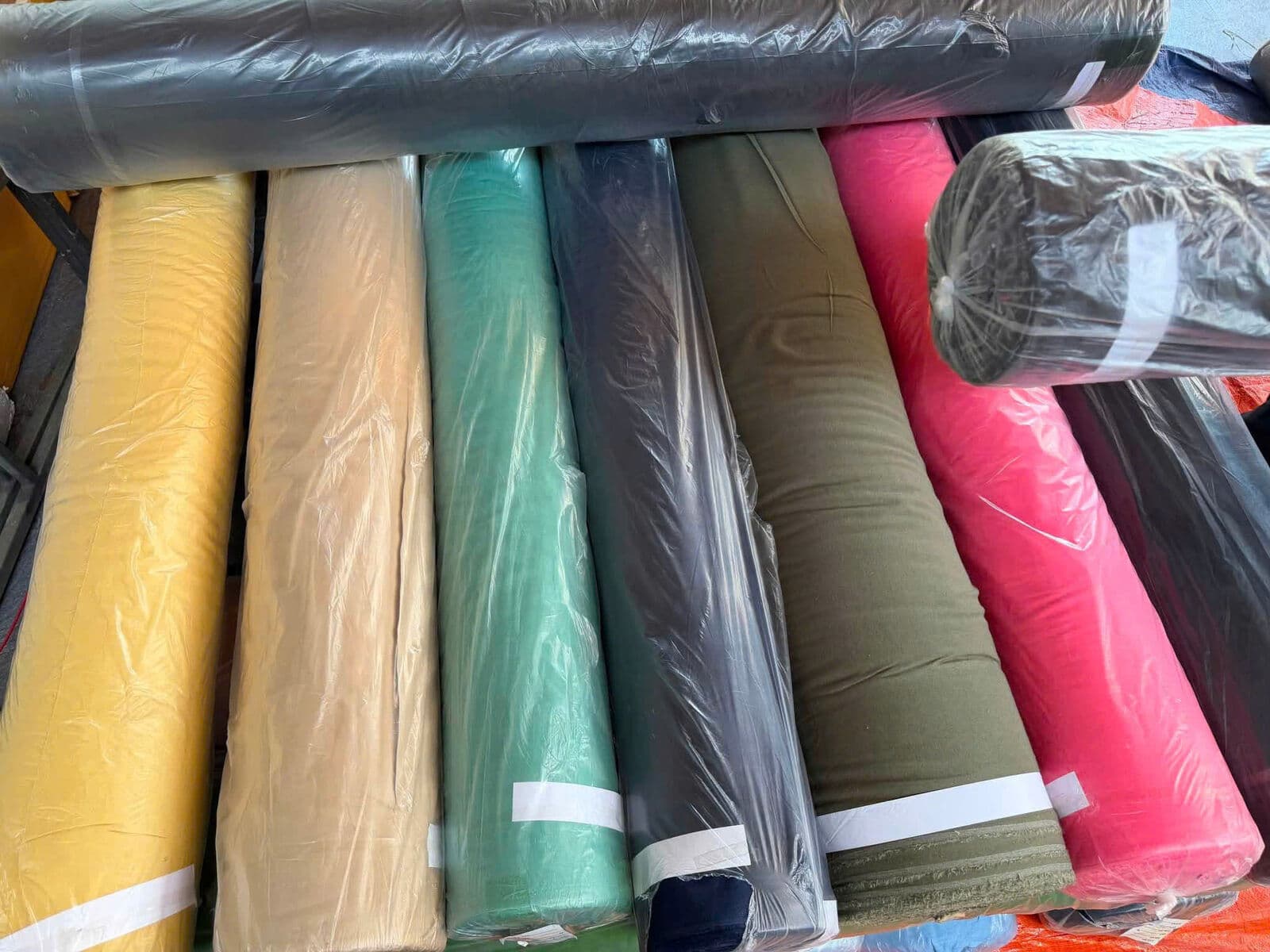
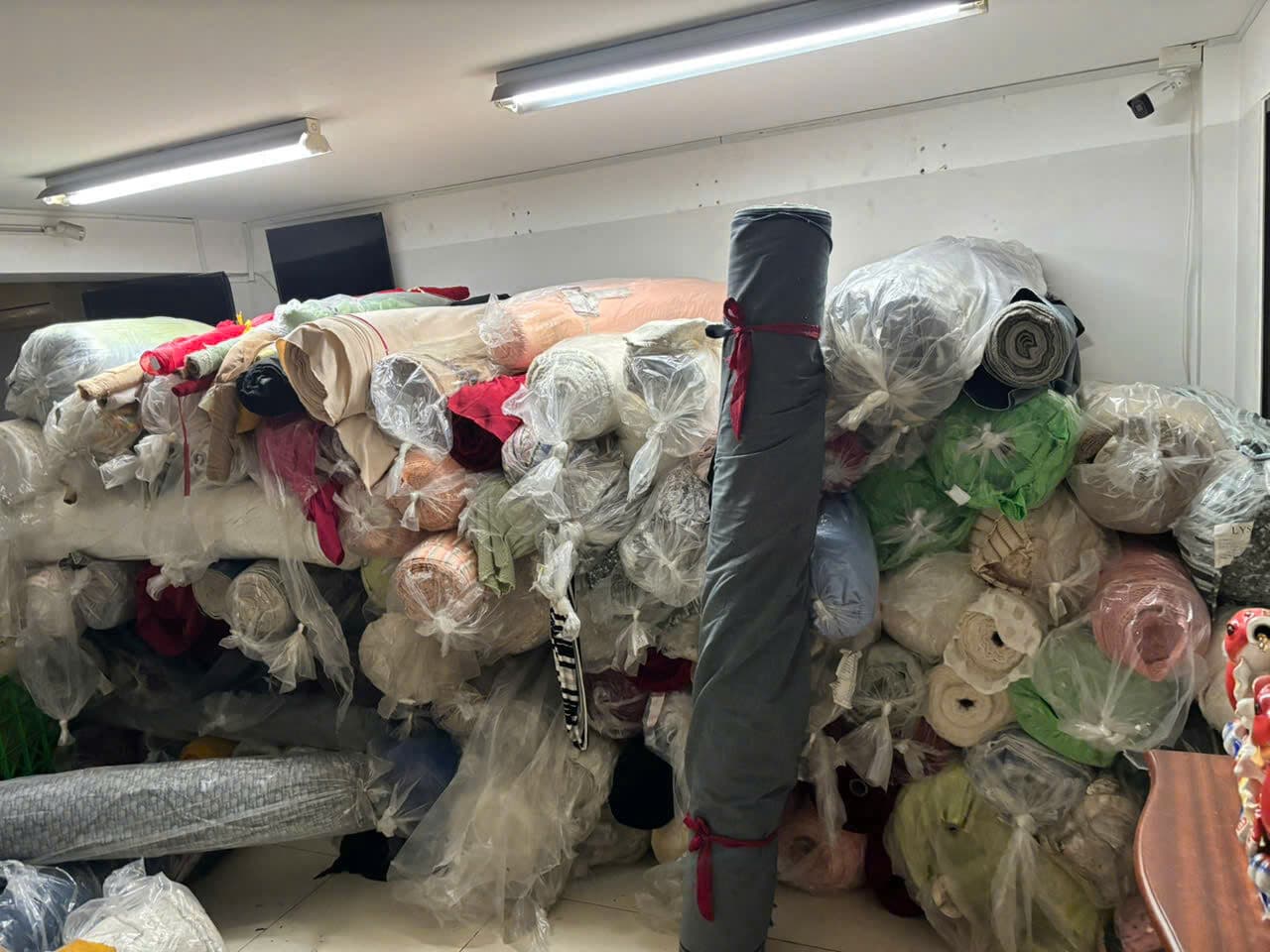
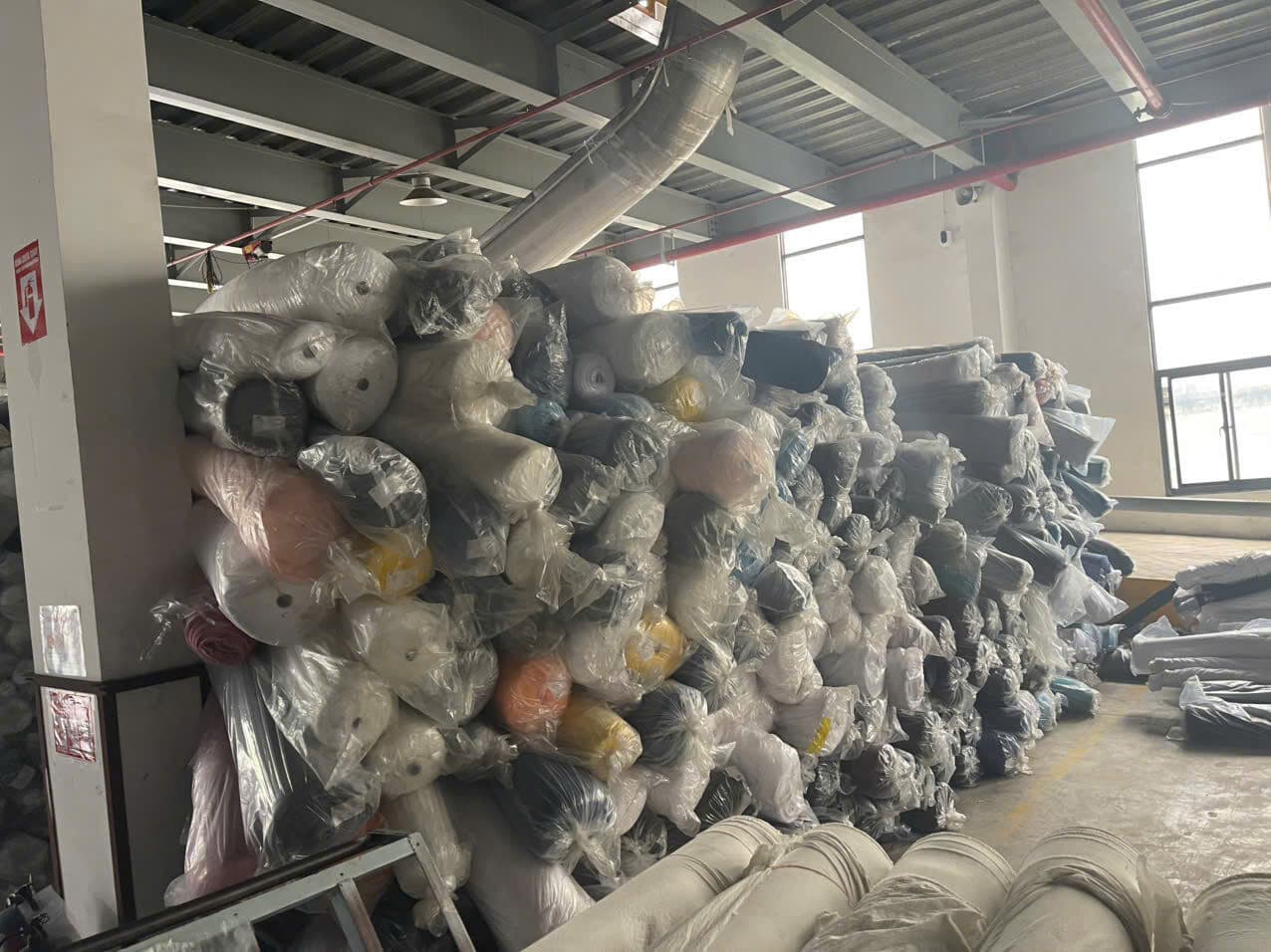
The upper reaches of the Tien and Hau rivers do not have the large export garment factories you find in Binh Duong or Long An. Most of the stock here sits in the trading network: fabric shops in district markets, wholesalers supplying tailors, family-scale contract workshops, school-uniform makers and producers of market clothing. So a fabric clearance lot in the Mekong Delta usually contains many different designs, a few rolls of each, rather than dozens of rolls in one colour.
The types we see most often in these two provinces:
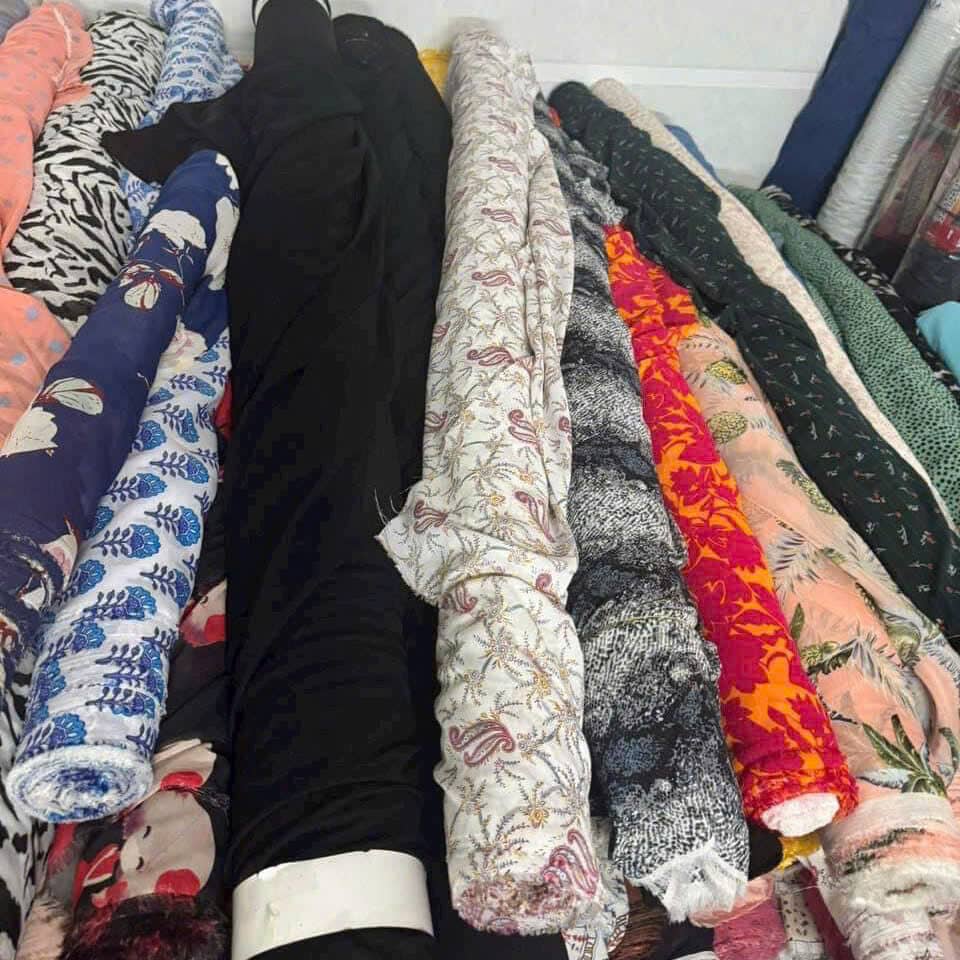
- Fabric for loungewear and pyjamas: linen-look, tole, printed rayon, cotton jersey. These sell year-round in Mekong markets, so almost every shop has a few dozen rolls of out-of-fashion prints.
- Kate and khaki for uniforms: white, blue and navy, left over after the back-to-school season.
- Silk, satin and voile: held by long-established fabric shops, especially around Tan Chau and Chau Doc.
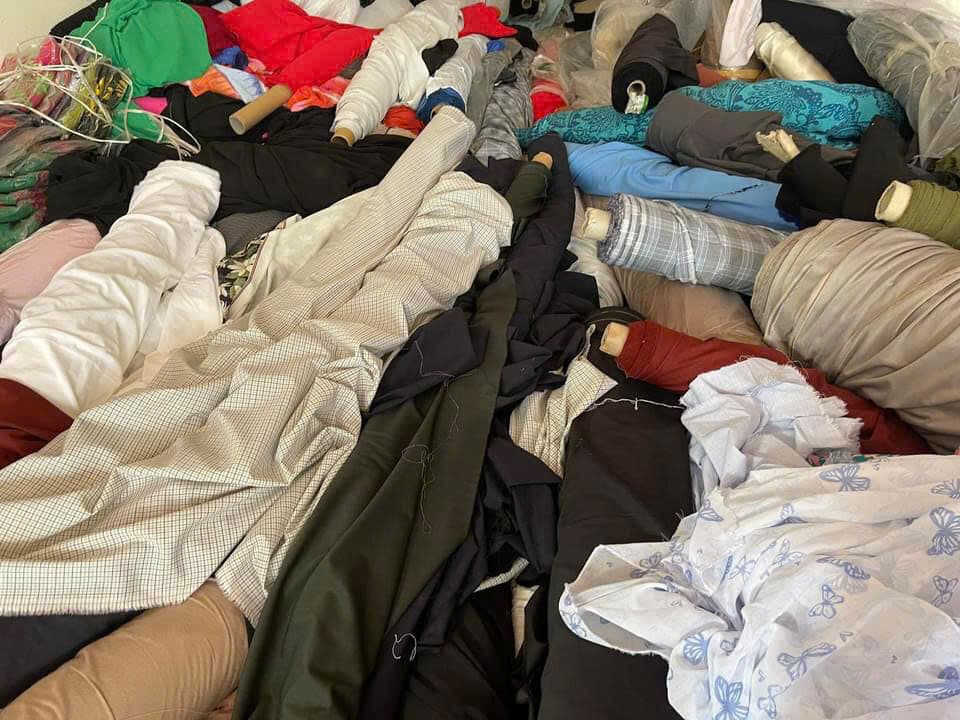
- Remnants and scraps from contract workshops in Sa Dec and Long Xuyen.
Tan Chau and silk: when Gia Bao buys, and when we don't
An Giang is famous for Tan Chau silk, especially lanh My A dyed with mac nua fruit, and for the brocade weaving of Cham communities along the Hau River. To be honest with you: handmade goods that still sell and carry a craft-village name are worth keeping for retail or for tourists, where they fetch far more than a clearance price.
Gia Bao is the right buyer for stock that has sat in the warehouse too long: industrial silk, satin and shiny charmeuse a shop bought in and could not sell, silk with uneven dye or stained edges, or roll ends too short for a full garment. We price these per roll or per kilo depending on length and condition. Grading details are on our rayon and silk buying page.
Where we buy surplus fabric in Dong Thap – An Giang
Dong Thap (former province)
- Cao Lanh: a big market with many fabric shops and uniform makers.
- Sa Dec: contract workshops and wholesale fabric shops serving the surrounding districts.
- Hong Ngu, Tan Hong: on the Cambodian border, with cross-border traders who sometimes hold large lots.
An Giang and former Kien Giang
- Long Xuyen: the trading centre, with industrial parks and medium-sized workshops.
- Chau Doc, Tinh Bien, An Phu: border markets with many fabric and clothing shops serving buyers from both sides.
- Tan Chau, Phu Tan: silk and brocade country, mostly long-established fabric shops.
- Rach Gia, Phu Quoc: fabric shops and uniform workshops serving restaurants and hotels.
The route from Ho Chi Minh City and how we schedule it
Every pick-up in these provinces starts from our base at 69C Do Duc Duc, Ho Chi Minh City, along the expressway through Trung Luong and My Thuan, then across to Cao Lanh and Sa Dec, or down to Can Tho and up National Highway 91 to Long Xuyen and Chau Doc. It is a long drive, so we do not promise same-day visits. The usual process:
- You send us on Zalo an overview photo of the lot, a few close-ups of the fabric, and a rough count of rolls or kilos.
- Gia Bao quotes by fabric group. We agree the price first.
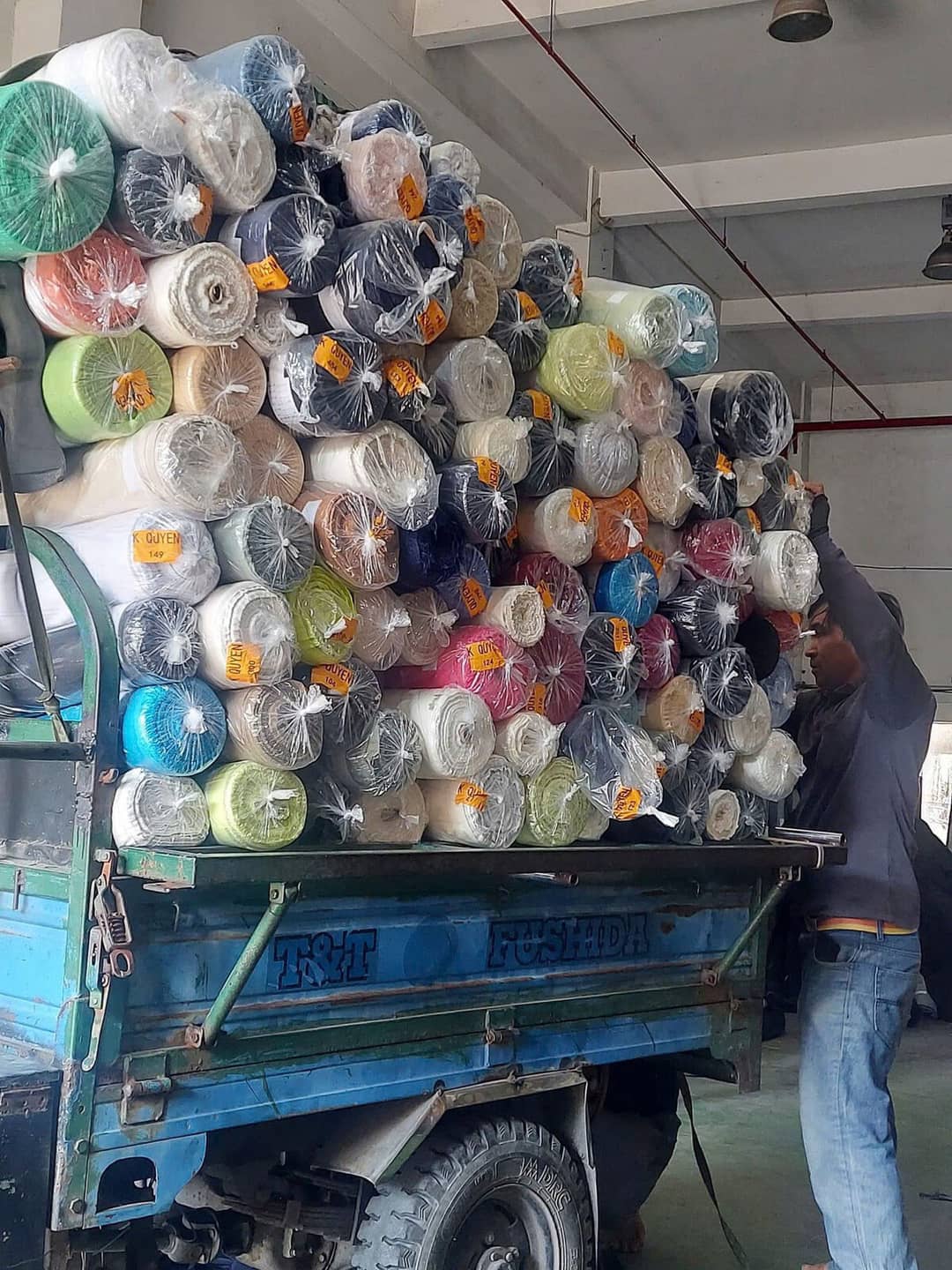
- We set a date and send a truck sized for the load. The price is for collection at your premises; Gia Bao pays for the truck and the loaders.
- On arrival we check the goods against the photos, weigh or count the rolls, and pay immediately.
For a small lot, a few bags of scraps or a dozen rolls, the cost of a dedicated truck to Chau Doc would eat the whole value of the goods. In that case we add it to a nearby run, for example a pick-up in Can Tho – Soc Trang or Tien Giang – Vinh Long, and tell you the expected date in advance. If the lot is too small and no run passes your way, we say so plainly so you can find a closer buyer instead of waiting.
How we price clearance fabric
The price depends on fibre, width, colour, roll length and condition (damp, mould, fading). Full rolls in basic colours with labels intact usually fetch more than odd designs; scraps are priced by the kilo. You can see indicative price ranges by fabric type on our fabric buying price list; the final price is always set per lot after we see the photos.
A tip for Mekong fabric shops: stock kept for a long time in a house near the river picks up damp easily. Before taking photos, set aside any rolls that smell or show mould spots, so the rest is priced on its real quality instead of being dragged down with them. For the step-by-step version, see our buying process page.
Selling surplus fabric near the border: what to keep in mind
Around Hong Ngu, Chau Doc and Tinh Bien, quite a few fabric lots once came in through informal border trade. Gia Bao only buys goods with a clear origin: stock belonging to the shop or workshop, with a written purchase receipt that both sides keep. For large lots we may ask about invoices or import papers; having them ready makes the deal faster.
Still have rolls of fabric or bags of scraps taking up space? Call or message us on Zalo at 0904 623 046 (Mr Tuan Tai) with a few photos, and Gia Bao will quote for your surplus fabric in Dong Thap – An Giang and arrange a suitable truck.