Since 1 July 2025, Tien Giang has been merged into Dong Thap province, while the new Vinh Long province also takes in Ben Tre and Tra Vinh. Sellers still search by the old names, so this page uses them too. Gia Bao is buying surplus fabric in Tien Giang – Vinh Long, focusing on the former Tien Giang (My Tho, Chau Thanh, Cai Lay, Cai Be, Tan Phuoc, Go Cong) and the former Vinh Long (Vinh Long city, Long Ho, Binh Minh). Ben Tre and Tra Vinh have their own page: buying surplus fabric in Tra Vinh – Ben Tre.
What kind of surplus fabric Tien Giang and Vinh Long usually have
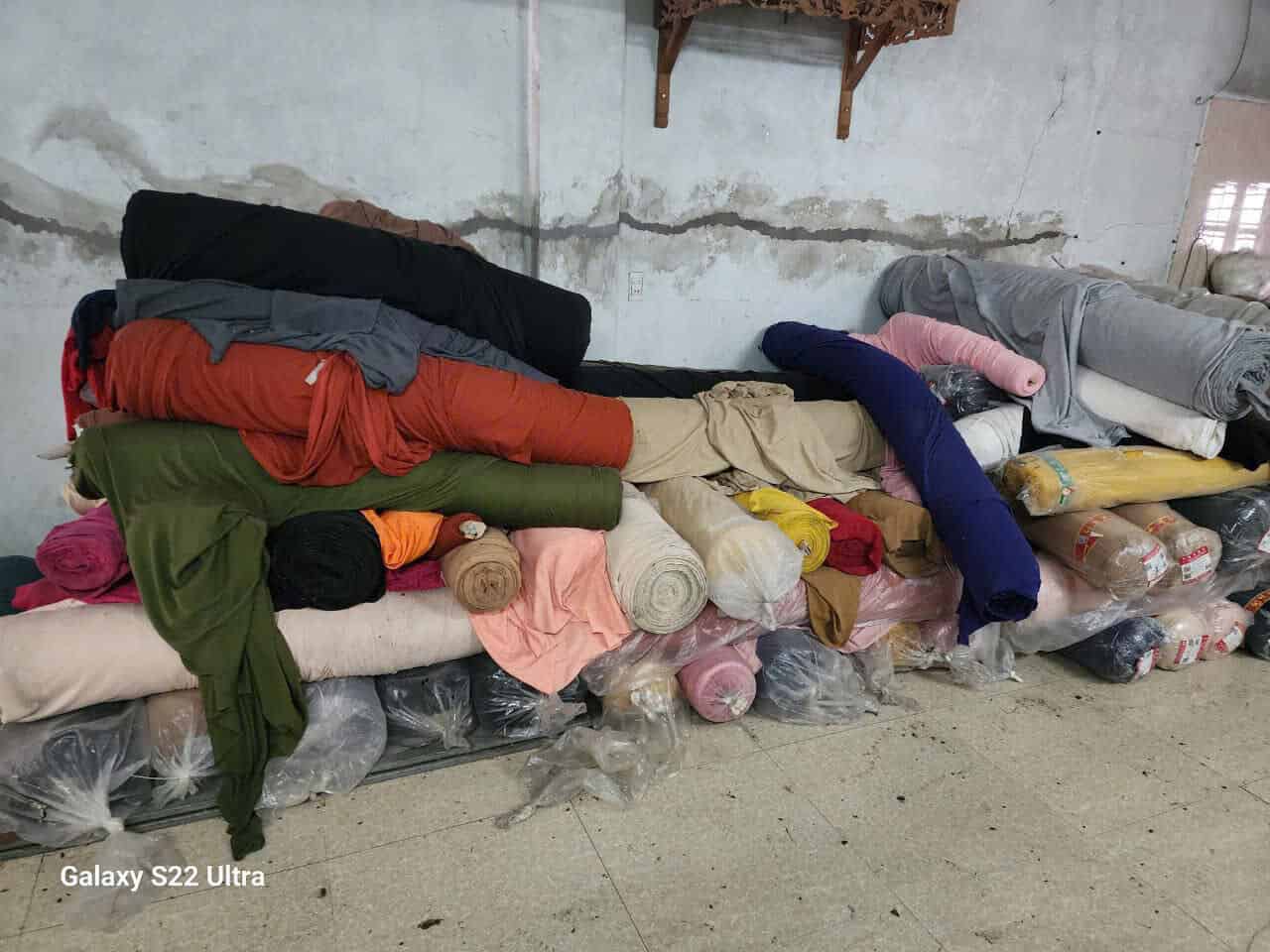
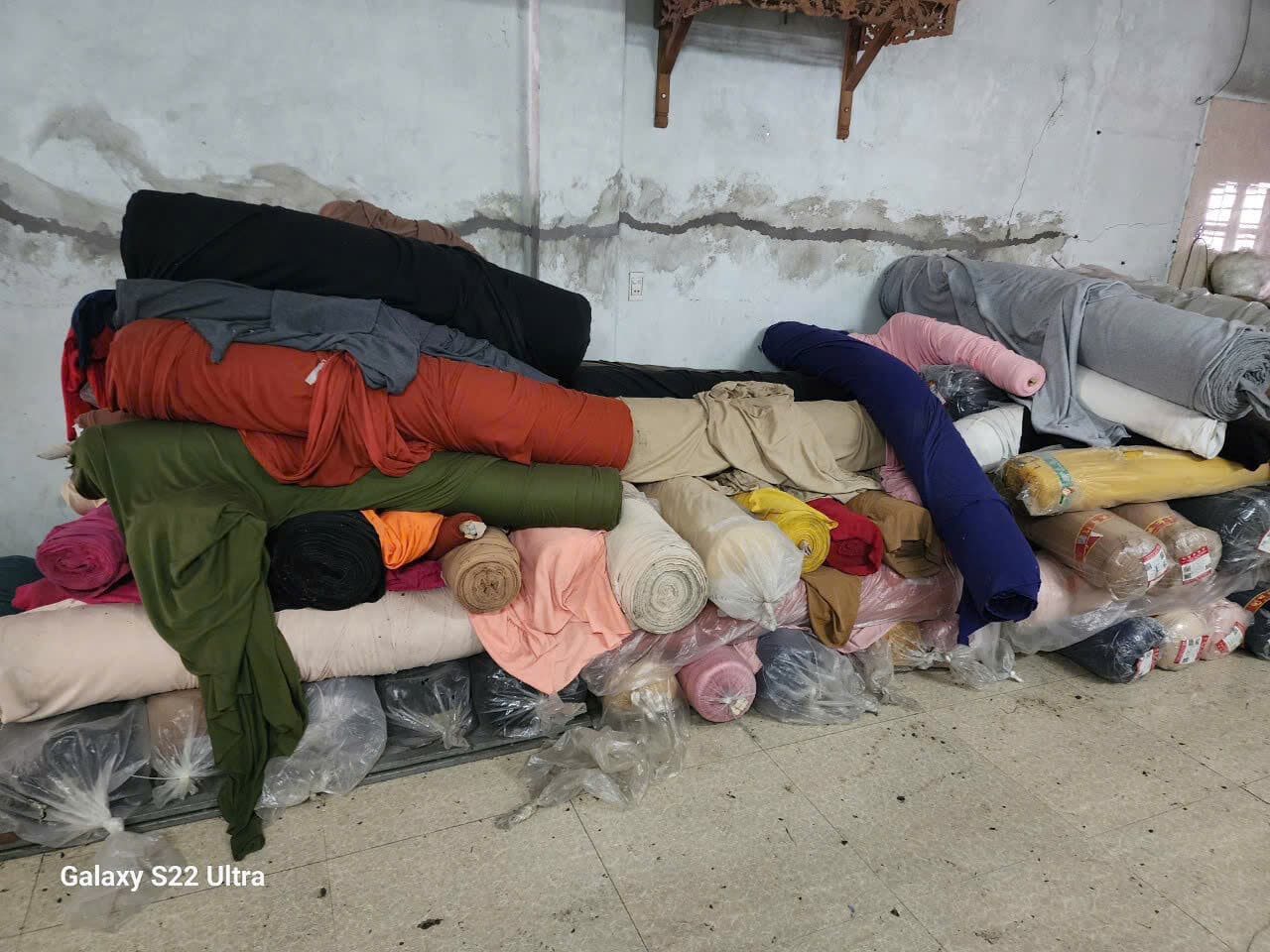
These two provinces have no large weaving villages like the north. Surplus fabric here mostly comes from three sources, and each leaves a different kind of stock:
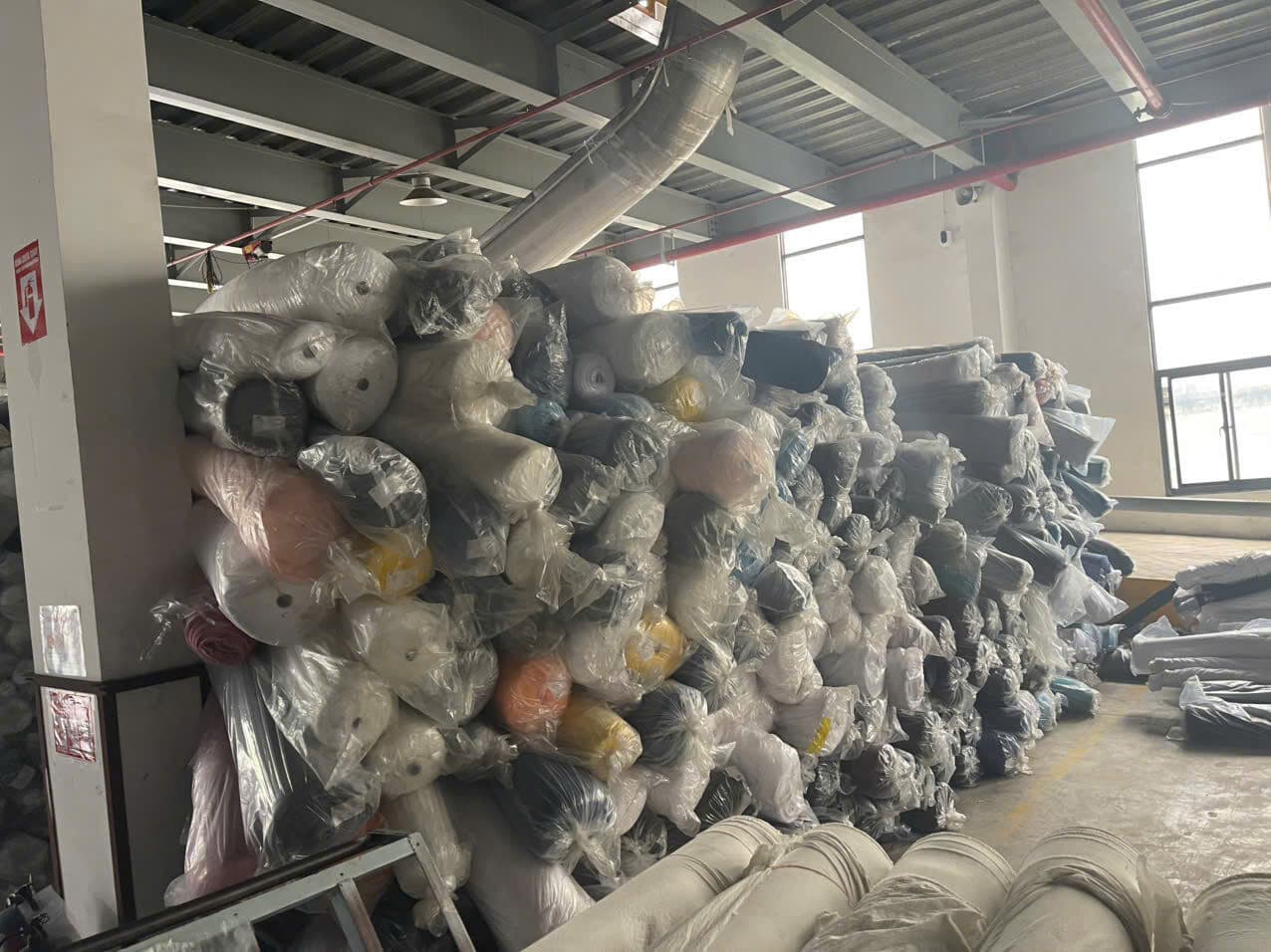
- Garment factories in industrial parks: industrial parks along Highway 1 and the expressway, such as Tan Huong (Chau Thanh) and Long Giang (Tan Phuoc) in Tien Giang and Hoa Phu (Long Ho) in Vinh Long, host garment and footwear factories. Typical leftovers are end-of-order rolls from export orders, lining fabric and boxed trims.
- Contract workshops in the districts: many small and medium workshops have opened in Cai Lay, Cai Be, Go Cong and Long Ho to be close to workers. They receive pre-cut pieces or fabric from Ho Chi Minh City, so their stock is mainly offcuts, scraps and a few odd rolls.
- Fabric shops and tailors at the markets: My Tho and Vinh Long city have rows of fabric shops and tailors making school uniforms and loungewear. When they change designs or stop a line, they need to clear surplus fabric by the roll or by the bolt.
The route and how Gia Bao plans each truck run
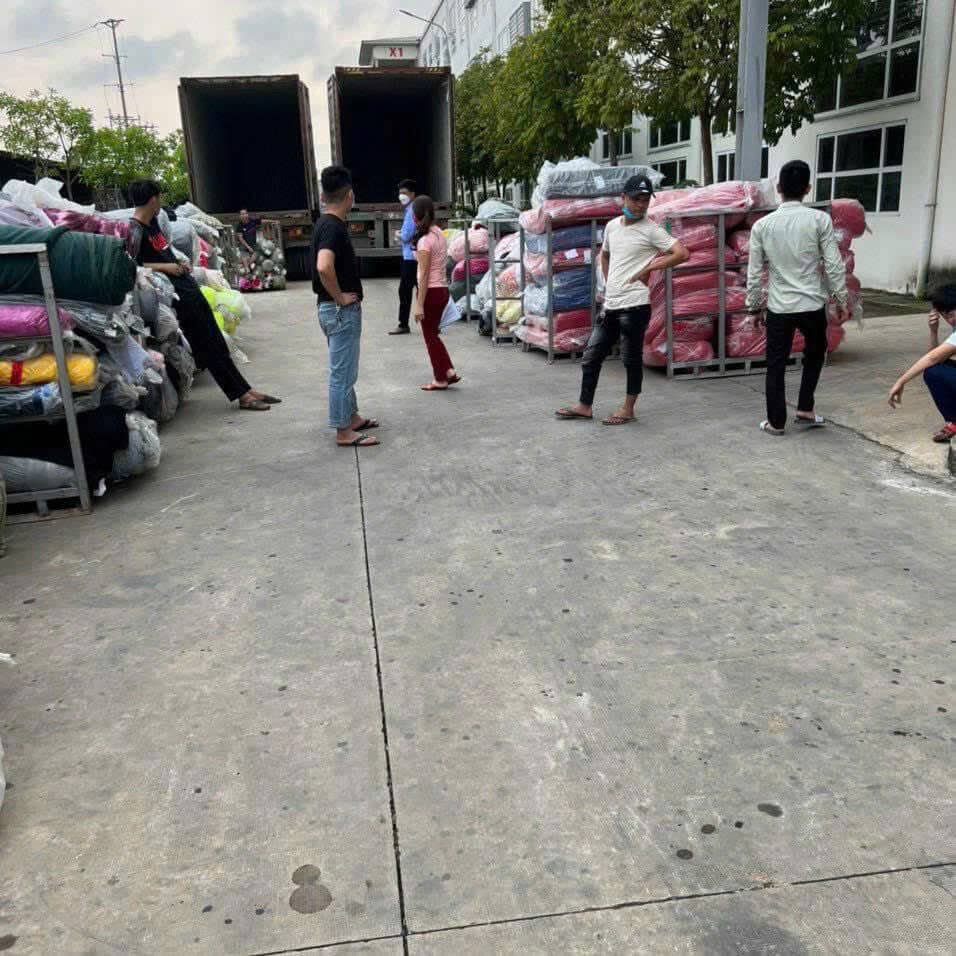
Trucks leave from 69C Do Duc Duc (Ho Chi Minh City), take the Ho Chi Minh City – Trung Luong expressway and continue onto Trung Luong – My Thuan. My Tho, Chau Thanh and Tan Phuoc are the closest stretch; Cai Lay and Cai Be sit mid-route; across My Thuan bridge lie Vinh Long city and Long Ho, and further along Highway 1 is Binh Minh. Go Cong is off in its own direction, so we book a specific day for it.
Because these provinces are relatively close, we don't insist on a full large truck. A few bags of offcuts or a few dozen odd rolls can still go if they are combined with other stops on the same Mekong Delta route that week. That said, Gia Bao doesn't promise to arrive the same day you call: we look at the photos, agree the price, then schedule the next truck on this route. If you have a large lot and need the warehouse cleared urgently, tell us early and we'll send a dedicated truck.
Workshops in Vinh Long or Binh Minh that have leftovers after every order can book a monthly pick-up. Each visit we just weigh and pay at the price agreed for each type, so you don't have to ask for a new quote every time.
Buying surplus fabric by the roll, by the kilo or as a whole lot
How we price depends on the type of goods, and it helps to know in advance:
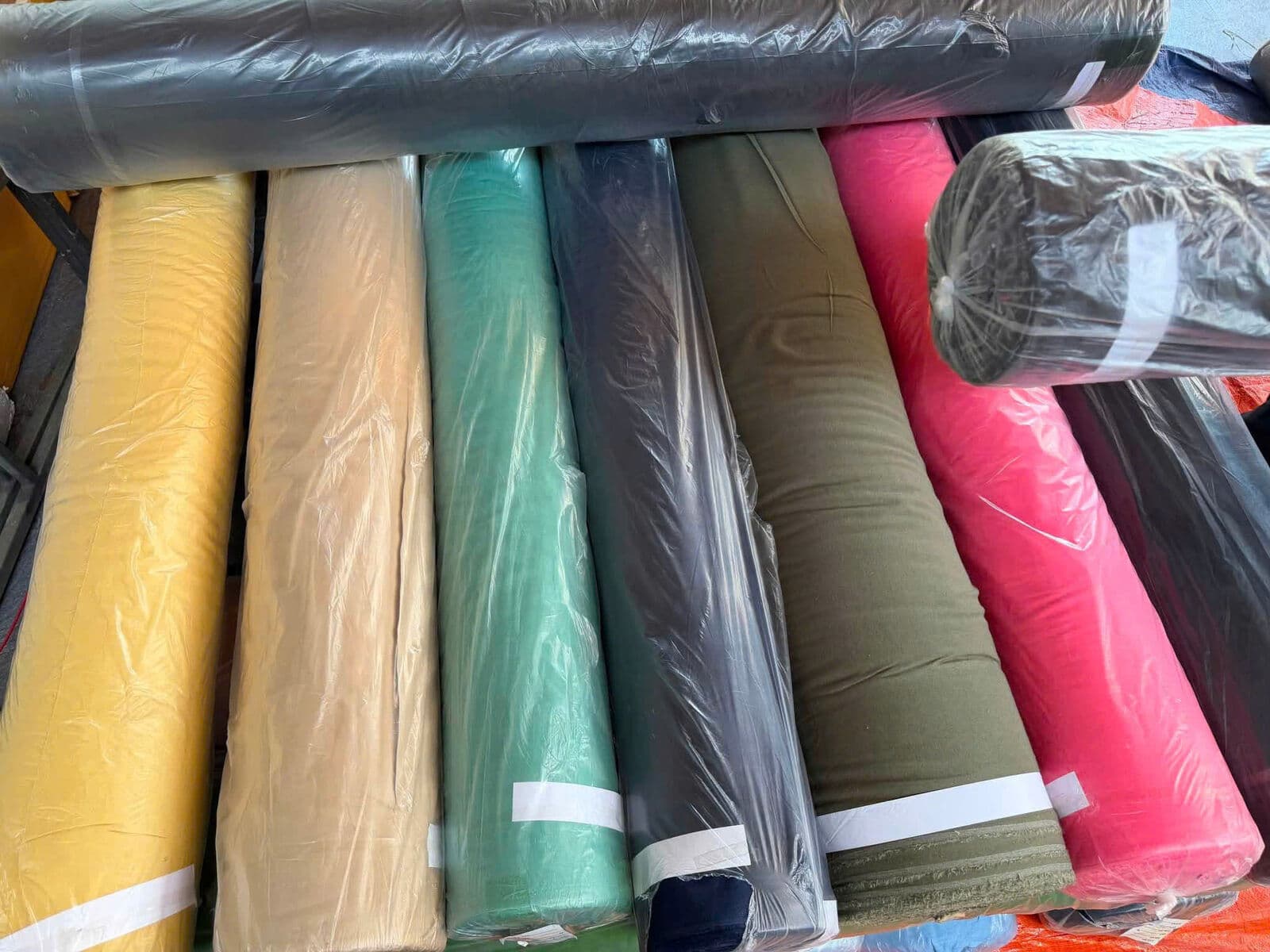
- Full rolls: priced by the kilo or by the metre depending on the fabric; rolls still wrapped and labelled get a better price than partly cut ones. Keep the labels on and avoid unwrapping every roll to check, as the fabric picks up dust and damp.
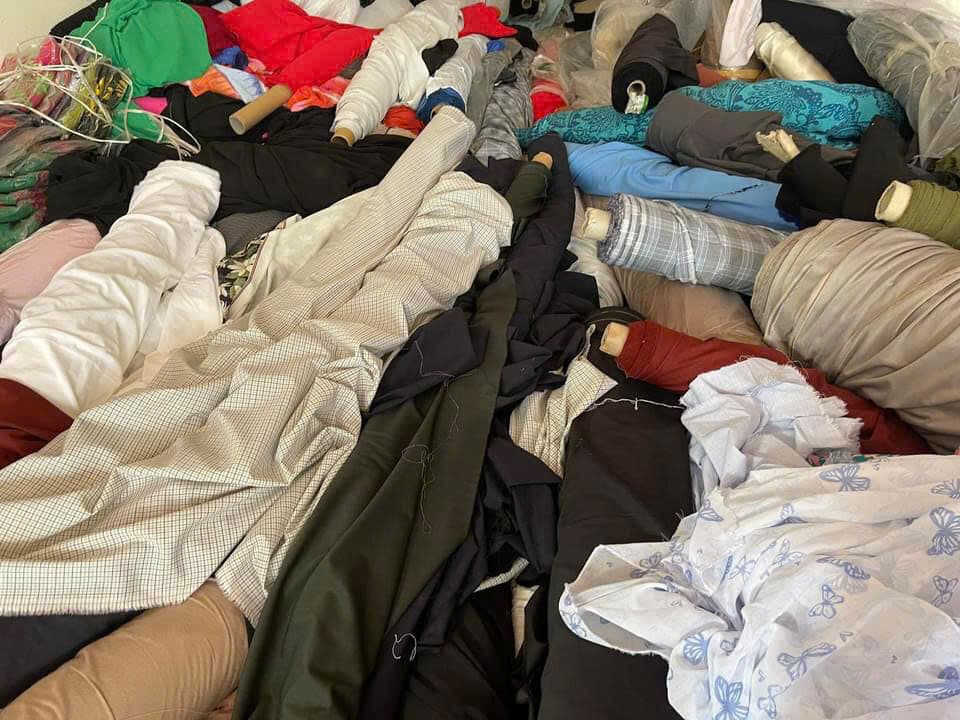
- Offcuts and scraps: priced by the kilo, depending on material and piece length. Separating knit fabric from woven fabric (cotton poplin, khaki) is a simple way to get a higher price. Details on the fabric scraps page.
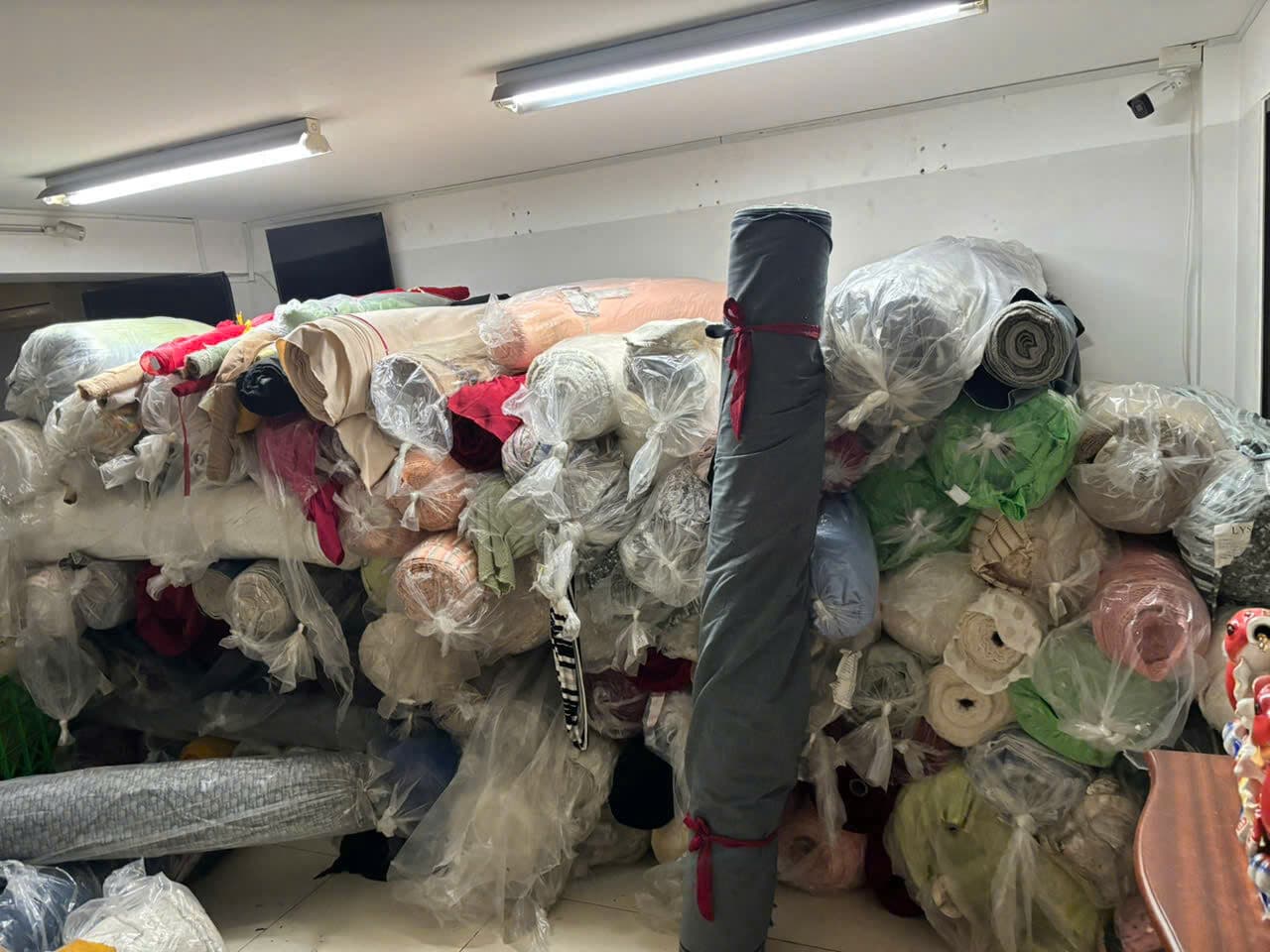
- Whole clearance lots: when a workshop closes or relocates, we look at the fabric, trims and scraps and quote each group separately rather than one flat price for the whole warehouse.
Reference price ranges for each fabric type are on our fabric buying price list; the final price still depends on the actual condition of each lot.
A river climate and keeping fabric dry
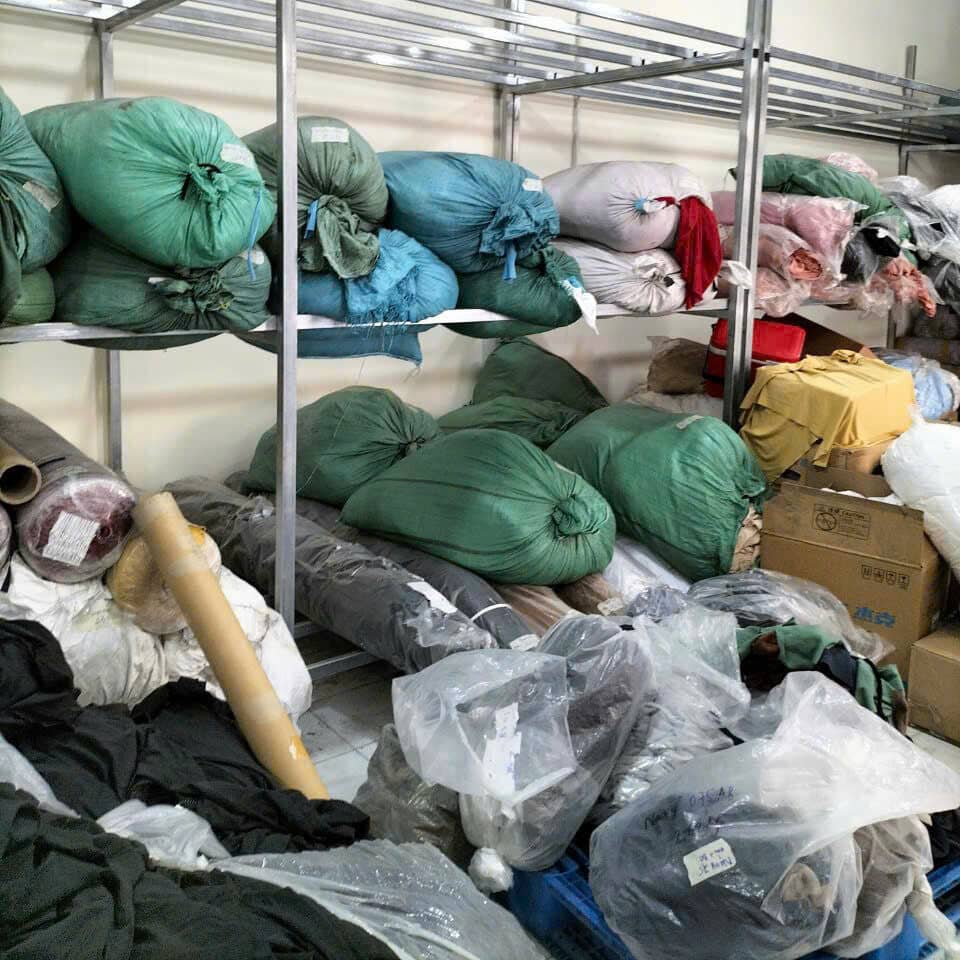
What Gia Bao most often reminds sellers in Tien Giang and Vinh Long about is damp. The rainy season and the flood season push humidity up inside warehouses, especially workshops near rivers or with low floors. Cotton and poplin left too long turn yellow, knits pick up a smell, and fabric lying on the floor can grow patches of mould. Mouldy goods drop clearly in price, and some end up priced like scraps.
A few simple steps protect the value of your lot: put fabric on pallets or boards off the floor, keep it away from walls, leave the plastic wrapping on, and if the warehouse already shows signs of damp, sell sooner rather than wait a few more months. When you send photos, include the surface of rolls from the outside and from the middle of the pile so our quote matches reality.
What to send when you want to sell surplus fabric
- An overview photo of the warehouse and a few close-ups of the fabric surface, roll ends and labels if any.
- A rough quantity: how many rolls, how many bags, or roughly how many kilos.
- The workshop address and how far a truck can get in, small or large truck.
- When you need the warehouse cleared, so we can schedule the right run.
If your workshop is further out towards Dong Thap or An Giang, see buying surplus fabric in Dong Thap – An Giang; for Can Tho and Soc Trang, see buying surplus fabric in Can Tho – Soc Trang. Every step from quote to payment is set out on our buying process page.
Working clearly with contract workshops
In contract workshops, leftover fabric sometimes still belongs to the client in Ho Chi Minh City. Before selling, please check with the client whether they want it back, to avoid trouble later. Gia Bao only buys goods with a clear origin, weighs in front of both sides, writes a receipt and pays on loading, in cash or by bank transfer.
If you are in Tien Giang or Vinh Long and need to sell clearance fabric, call or message us on Zalo at 0904 623 046 (Mr Tuan Tai), send a few photos and we'll quote and book a day for the truck.