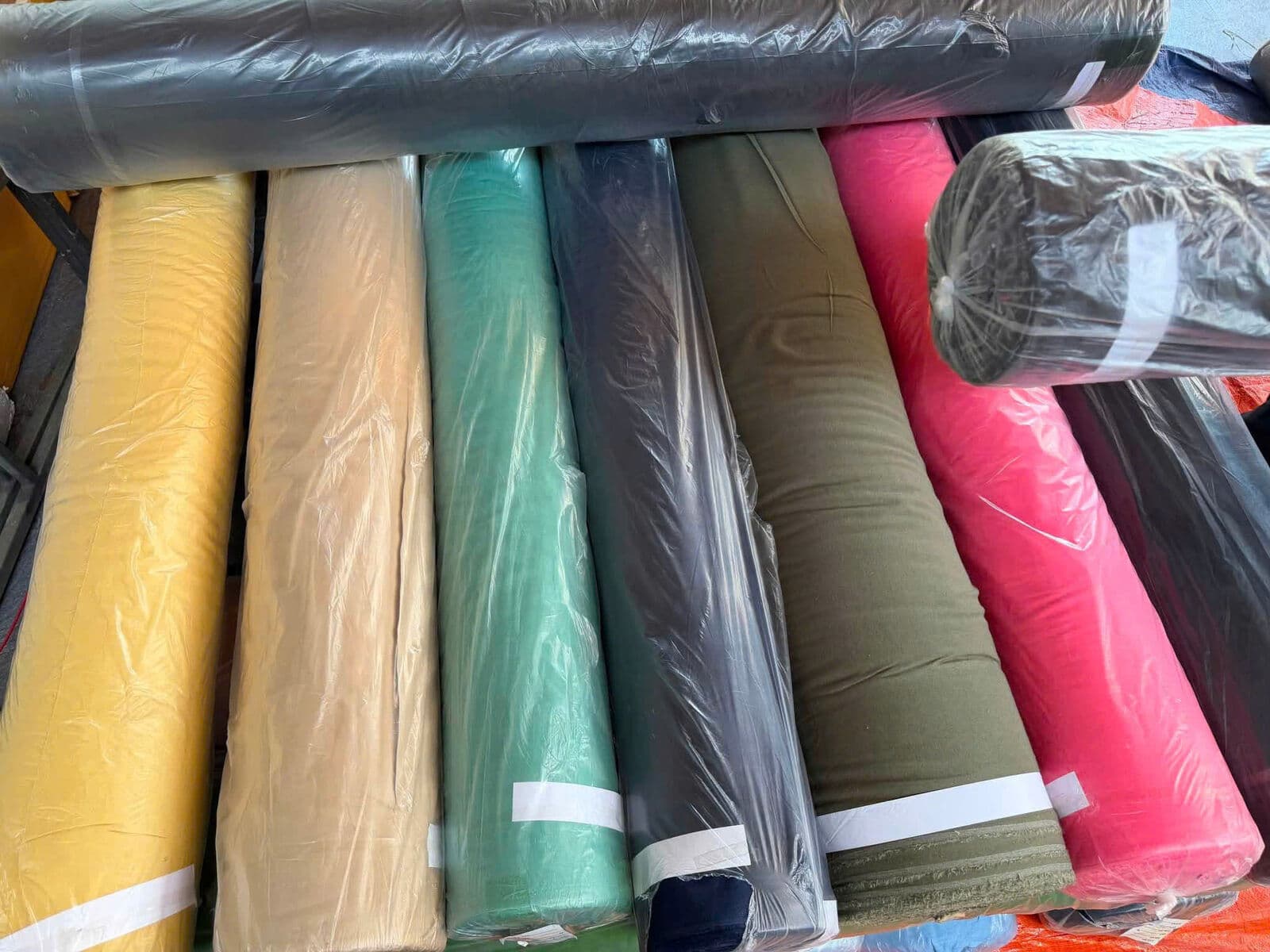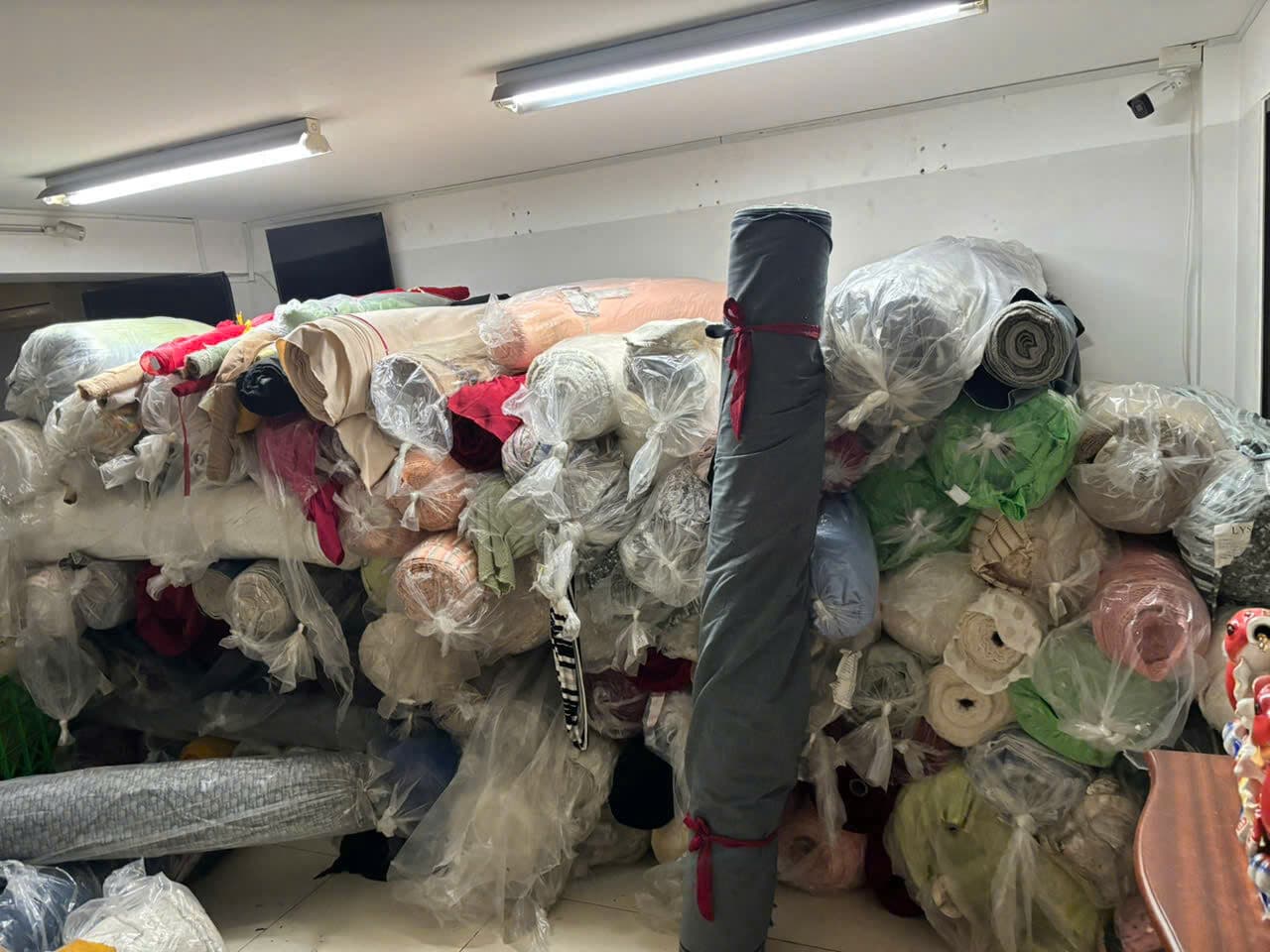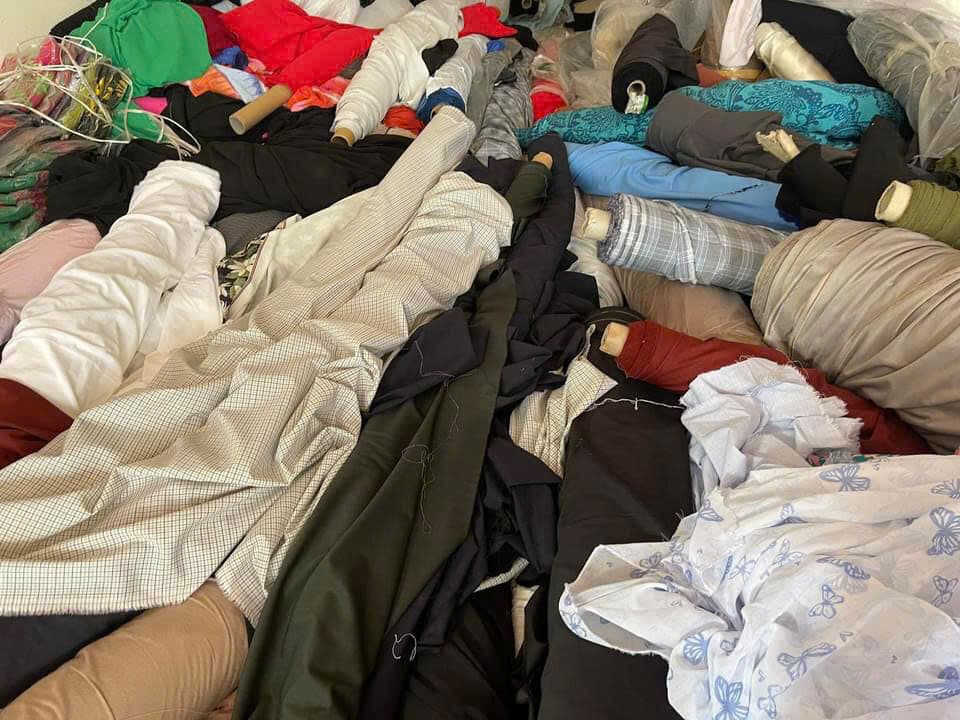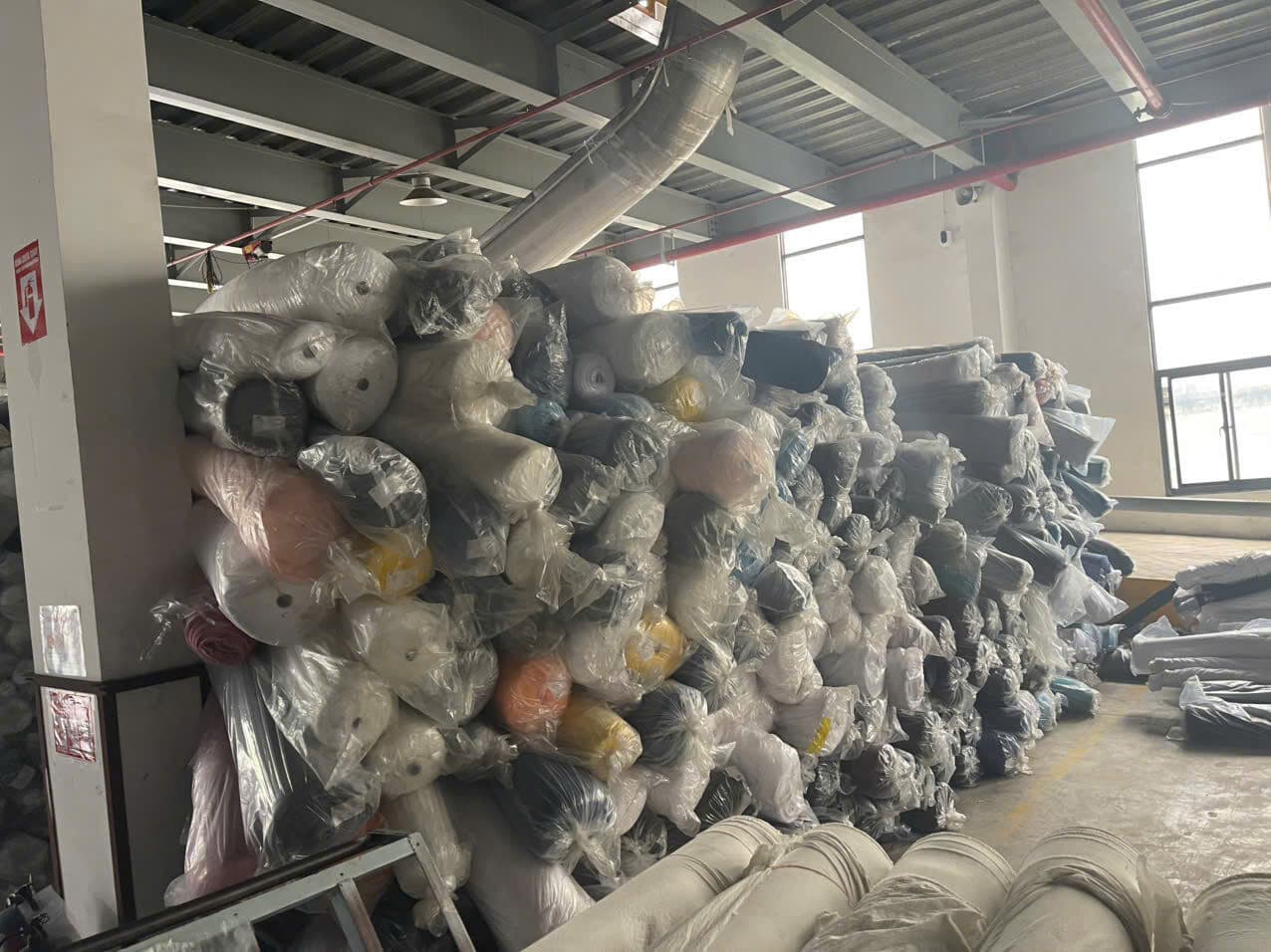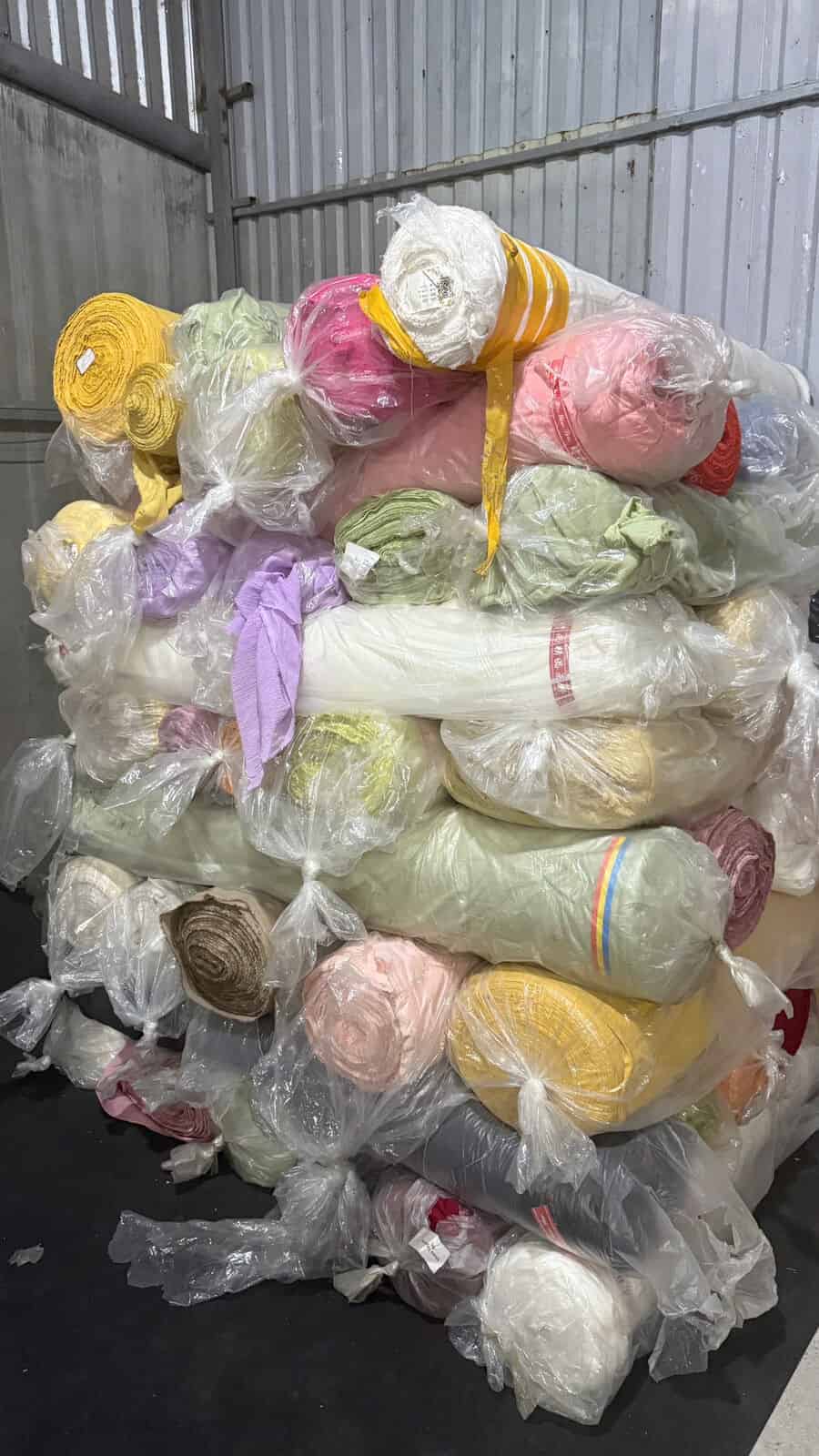
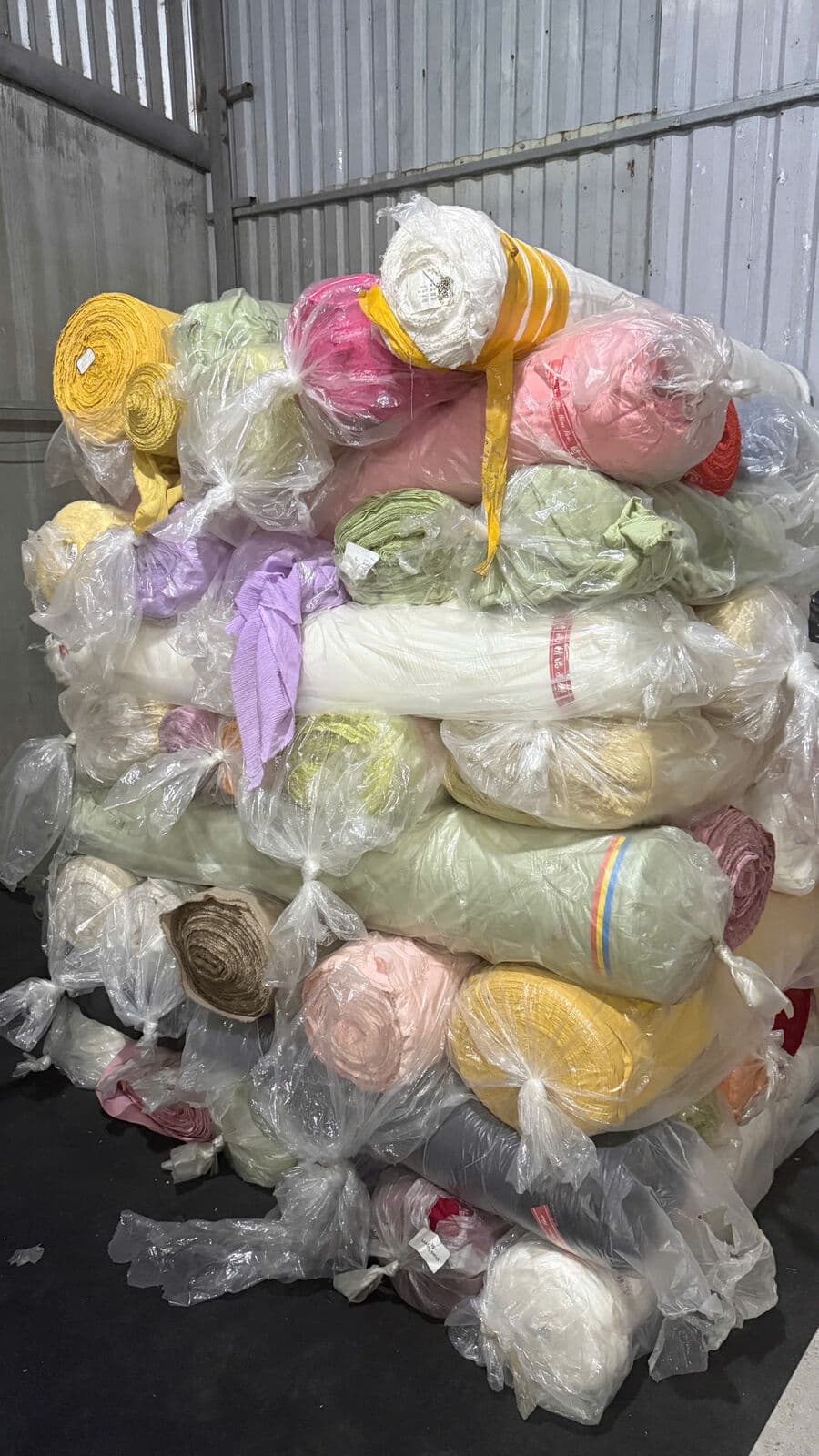
Everyone in northern Vietnam's textile trade knows Nam Dinh as a "weaving town", while Thai Binh is where garment workshops have sprung up in almost every district. Gia Bao is a surplus fabric buyer in Thai Binh – Nam Dinh for weaving mills, subcontract workshops, fabric shops and craft households alike. On names: since 1 July 2025 Thai Binh has been part of Hung Yen province and Nam Dinh part of Ninh Binh province; on this page we keep the old names because that is what people still say and search for.
Nam Dinh: more than a century of weaving
Nam Dinh's textile mill dates back to the late 19th century, and around it grew a whole ecosystem: small and medium weaving shops, dye houses, garment workshops, yarn dealers and fabric shops. Industrial parks such as Hoa Xa and Bao Minh have brought in more garment factories, and in the countryside, especially the southern districts, many workshops sew on contract for companies in Hanoi and Hai Phong.
That is why surplus fabric in Nam Dinh is more varied than in many regions. The most common kinds are:
- Cotton and cotton-blend wovens: kate, poplin, shirting, lining, in full rolls or odd end-of-lot rolls.
- Greige fabric, undyed or dyed off-shade, left after an order changed its requirements.
- Towelling and terry fabric from towel weavers.
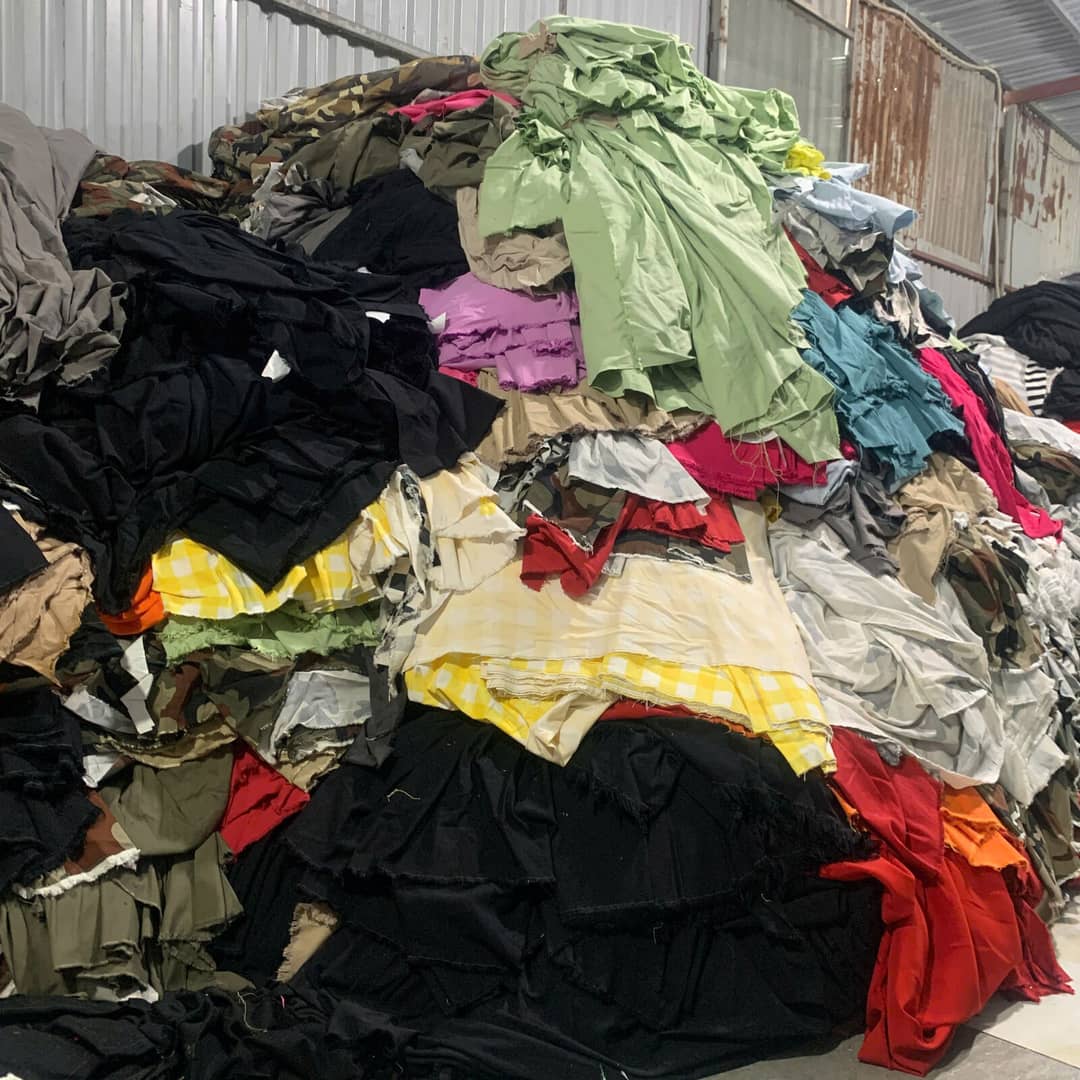
- Leftovers and remnants from subcontract workshops after each order.
Central Nam Dinh has Rong market, home to many wholesale and retail fabric shops. Shops here often hold out-of-season designs, odd rolls of a few dozen metres and old samples. Each shop does not hold much, but a few shops together make a full truck; shop owners who know each other in the market can sell together in one go.
Thai Binh: village workshops, towel weaving, embroidery
Unlike Nam Dinh, Thai Binh is known not for big mills but for a network of garment workshops set right among homes. Alongside industrial parks such as Phuc Khanh, Nguyen Duc Canh and Tien Hai, a great many workshops with a few dozen machines sit inside the communes, taking work from large companies and returning finished goods. These workshops mostly hold end-of-order fabric, remnants and bags of scraps.
Thai Binh also has long-standing craft villages: Phuong La weaving village in Hung Ha, known for towels and woven cloth, and Minh Lang embroidery village in Vu Thu, known for hand embroidery. Craft households often hold base fabric, greige towels and embroidery thread when the market slows. Gia Bao buys such lots if the volume is large enough; small lots are best pooled with other households in the same village.
One thing particular to village workshops: fabric is usually sent down by the client against a consumption allowance, and what is left after cutting stays at the workshop until the client decides. Sometimes the client only says months later that they will not take it back, by which time the fabric fills a corner of the workshop and some lots have got damp against the wall. Ask your client clearly as soon as the order ends, then call Gia Bao early: the fresher, drier and more intact the rolls, the better the price. Workshops on the Hung Yen side of the border can also see our page on surplus fabric in Hung Yen – Hai Duong.
Craft-village silk and natural fibres
Nam Dinh is home to Co Chat silk village in Truc Ninh, known for silk reeling and weaving. Surplus mulberry silk and natural-fibre fabric is worth far more than ordinary fabric, so do not lump it in with other goods when sending photos. Photograph it separately and note whether it is pure silk, a silk blend or imitation silk so we can price it correctly. More on this group is on our rayon and silk buying page.
Routes from Hanoi and shared trips
Gia Bao works with northern sellers through our address at 186 Tây Trà, P. Hoàng Mai, Hanoi. Hoang Mai sits right at the start of the Phap Van – Cau Gie expressway, so reaching Nam Dinh is easy: south on the expressway, then turn off to Nam Dinh city. For Thai Binh we can go via Hung Yen on National Highway 39, or from Nam Dinh across Tan De bridge on National Highway 10.
The two provinces are separated only by a river, so we often share trips: one truck collects in Nam Dinh and then crosses to Thai Binh, or the other way round. If you only have a small lot, send photos anyway so we can note it and let you know when a truck passes your area. If a lot is too small and no shared trip is coming, we will say so plainly rather than keep you waiting.
The steps are always the same: you send photos and videos on Zalo, Gia Bao quotes a price at your warehouse, both sides agree, and only then do we book a day for the truck. On arrival we check, weigh or count the rolls, pay straight away and load.
Preparing stock for a better clearance price
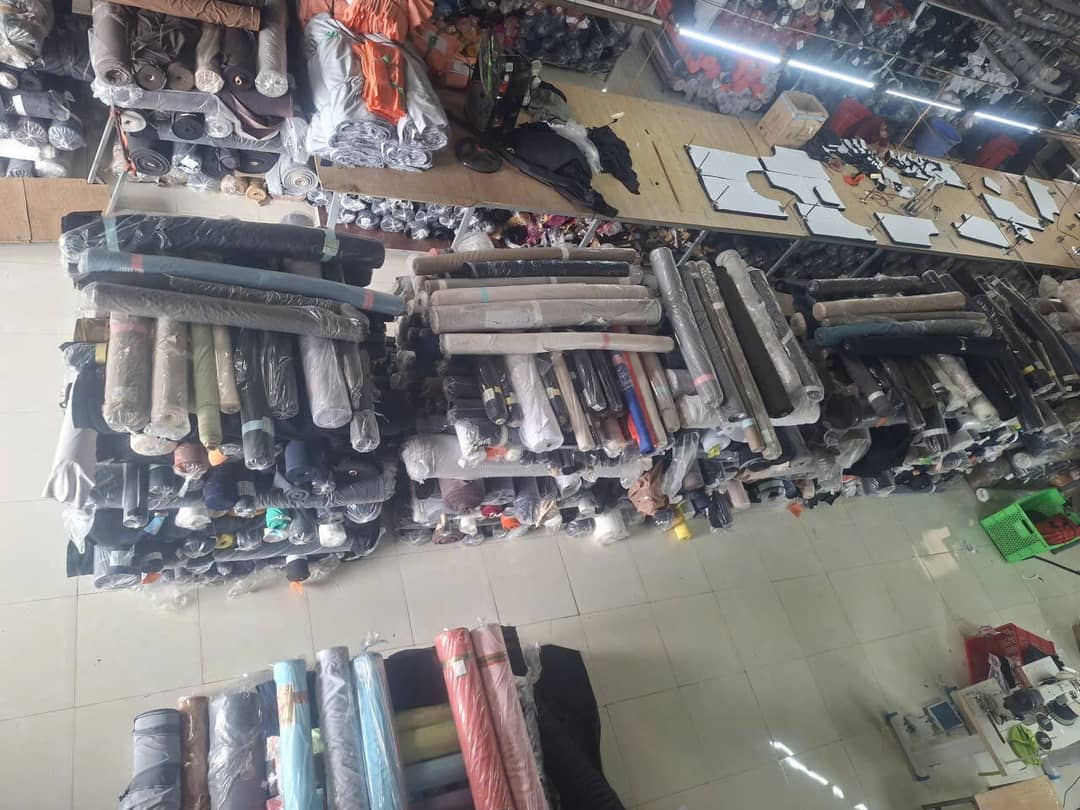
Mill stock and workshop stock need slightly different preparation:
- Weaving mills: separate greige from dyed fabric and note the fibre (cotton, blend, polyester) and width. For cotton, see our cotton and kate buying page.
- Subcontract workshops: keep leftover rolls, long remnants and bagged scraps apart. How to sort scraps is explained on our fabric scrap buying page.
- Fabric shops: group by type (shirting, trouser fabric, curtain fabric) with one clear photo of the fabric face per group.
Indicative prices by fabric type are in our reference price list; the actual price is agreed per lot after seeing the goods. Warehouses in Ninh Binh, the former Ha Nam or Thanh Hoa can see our page on surplus fabric in Ninh Binh – Thanh Hoa.
Contact us to sell surplus fabric in Thai Binh – Nam Dinh
If you have surplus fabric, clearance stock, leftovers or craft-village goods to sell in Thai Binh or Nam Dinh, call or message us on Zalo at 0904 623 046 (Mr Tuấn Tài). Send photos and your address, and Gia Bao will quote and book a truck from Hanoi. Messages in English or Chinese are fine — we will reply.