22 October 20261 views
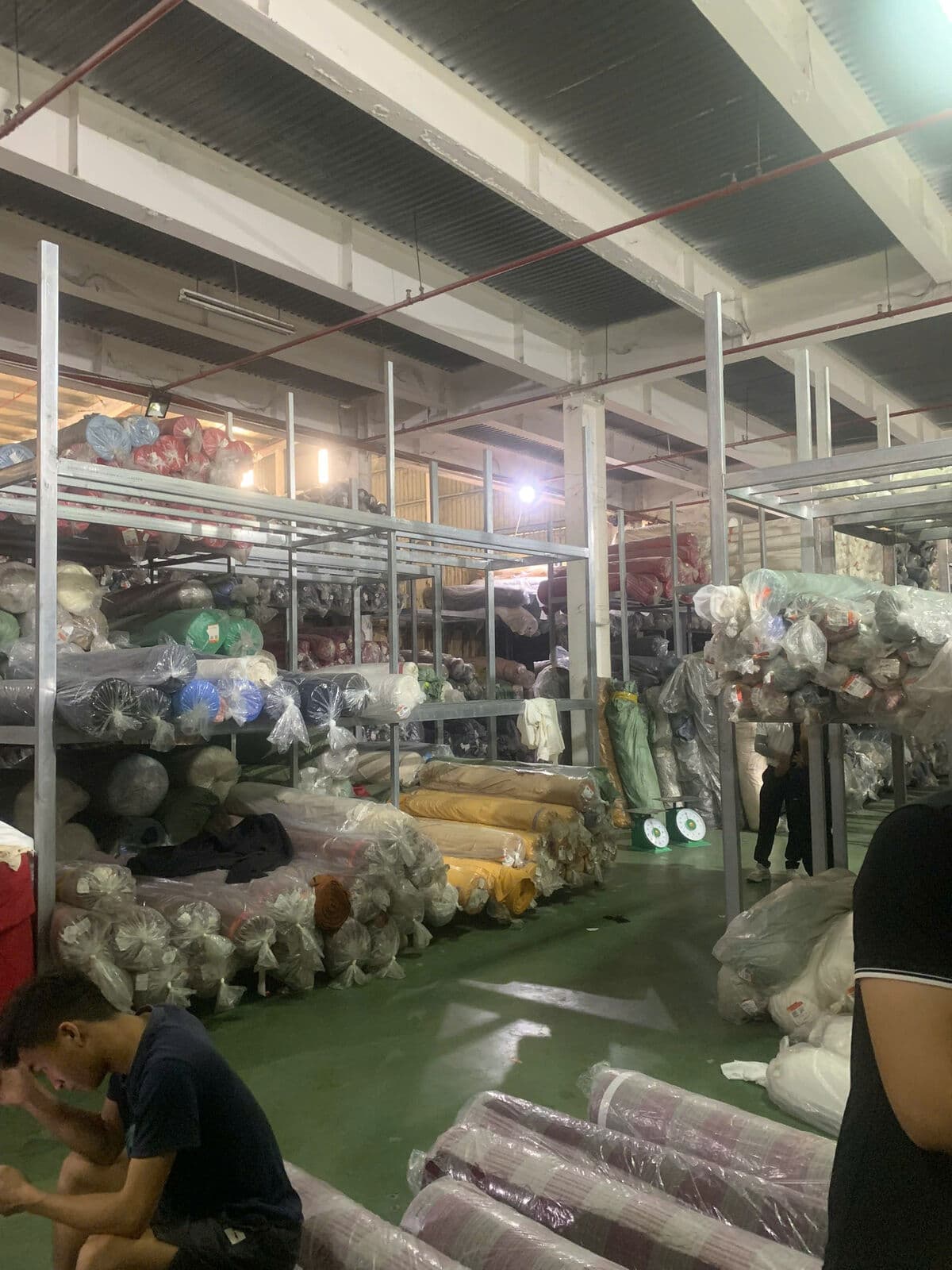
Finding a company that buys surplus and liquidation fabric is not hard: a quick online search turns up plenty of websites and phone numbers, all promising high prices and fast payment. The hard part is choosing one that deals honestly, pays what it quoted, weighs accurately and pays in full. A lot of surplus fabric can represent a large share of a factory's capital, and selling to the wrong buyer can be a costly mistake. This article suggests how to check a buyer, which questions to ask and what to put in writing, so you can judge any buyer yourself, Gia Bao included.
Why choose your surplus fabric buyer carefully?
Many people work in the liquidation fabric trade: companies with their own warehouses, household businesses that specialize in buying, and middlemen with nothing but a phone number. Not every middleman is bad, but the more layers a deal passes through, the less reaches the seller, and when there is a dispute it is hard to know who is responsible.
Besides price, there are risks few people think about: a buyer who takes the goods and promises to transfer the money later, a truck that turns up late and costs the factory a full working day, careless loading that damages racks, or a buyer who picks only the best goods and leaves the hard-to-sell part behind. Choosing the right buyer from the start helps you avoid most of these problems.
Check a buyer before booking a visit
Before inviting anyone to look at your warehouse, spend fifteen minutes checking a few basics:
- Registered name and tax code. A genuine company or household business has a registered name and tax code that can be looked up on the tax authority's portal. For example, Gia Bao is a registered household business with tax code 056084000172; you can look it up yourself to confirm.
- A real address. Ask for the warehouse or office address and check it on a map. Be careful with a buyer who will not give an address and only says they "go everywhere".
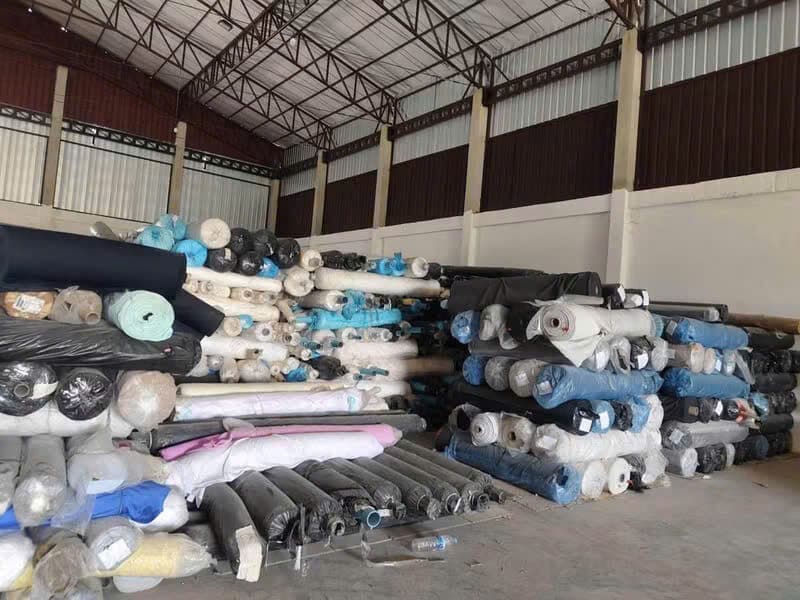
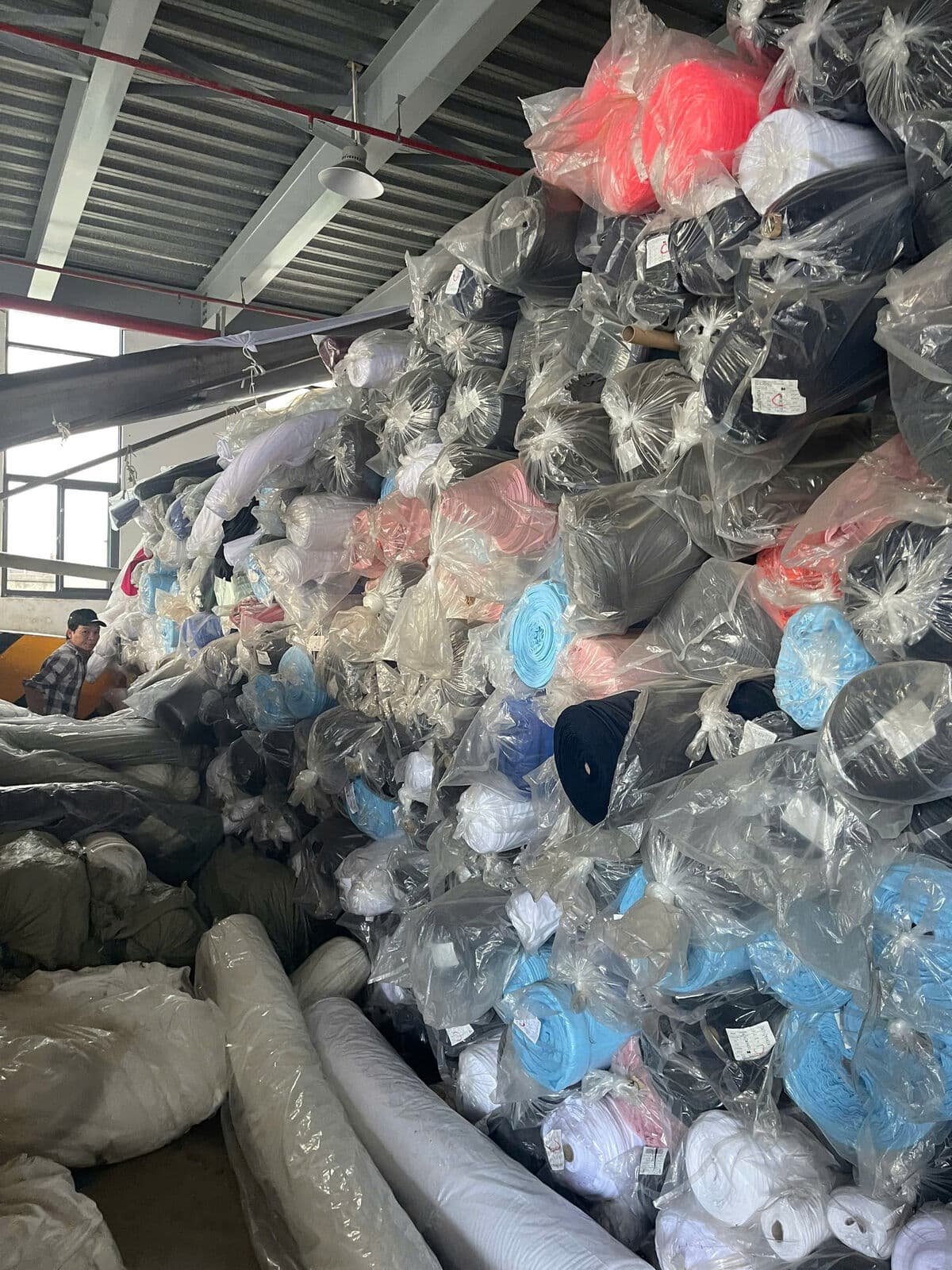
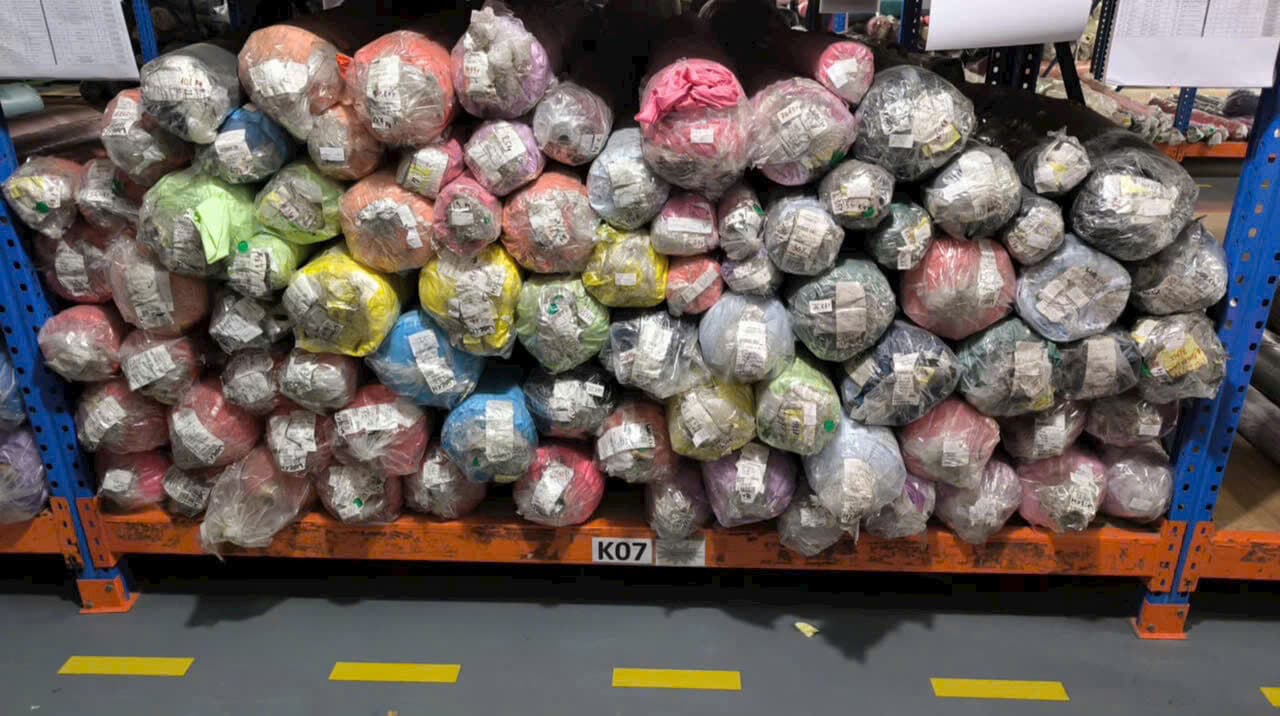
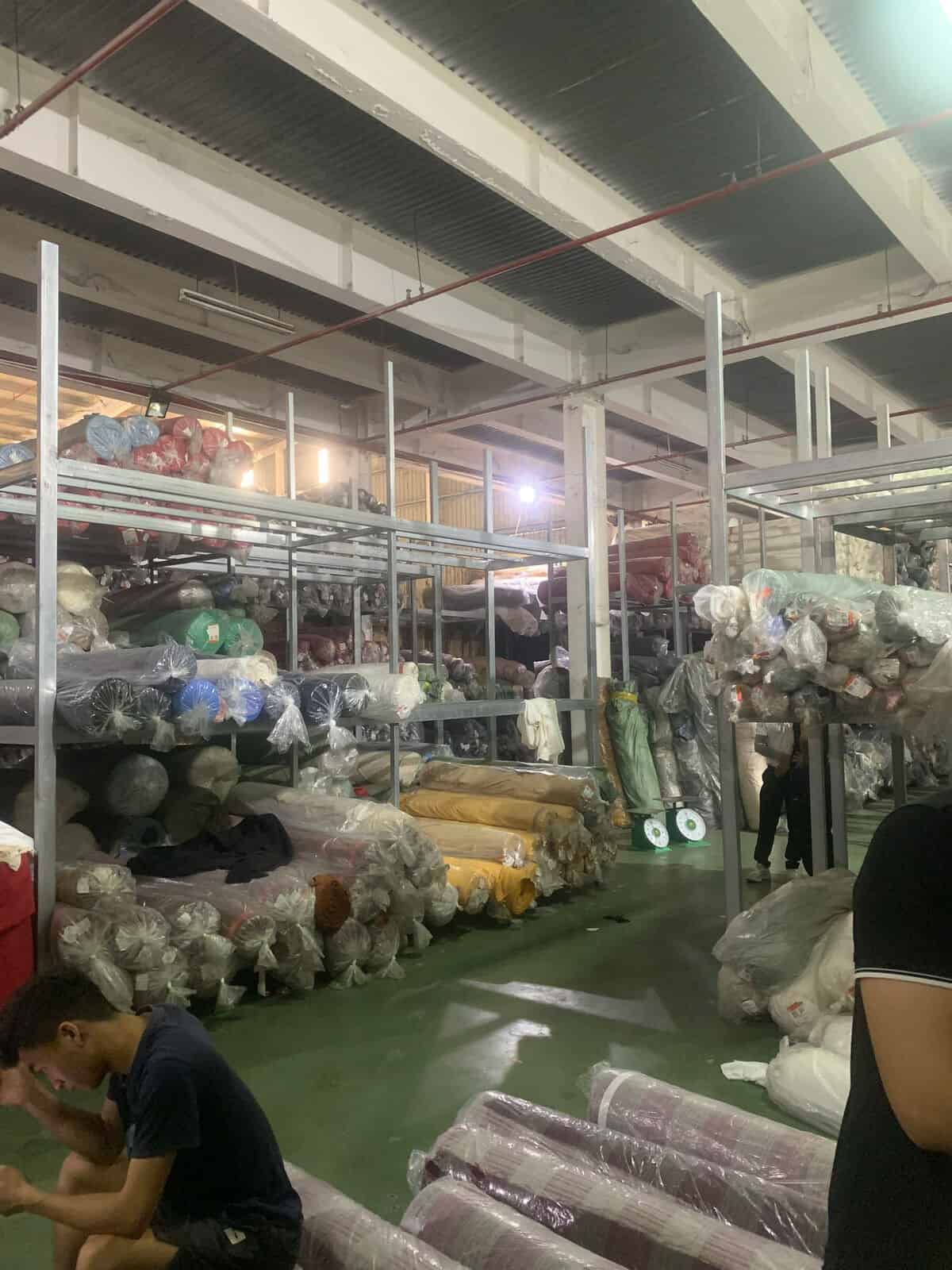
- Real photos. Photos of their warehouse, trucks and loading work taken by themselves, not pictures copied from the internet. Gia Bao posts its own photos on our real photos page.
- One fixed contact person. One phone number and one person in charge from quote to loading day is easier to work with and easier to hold accountable.
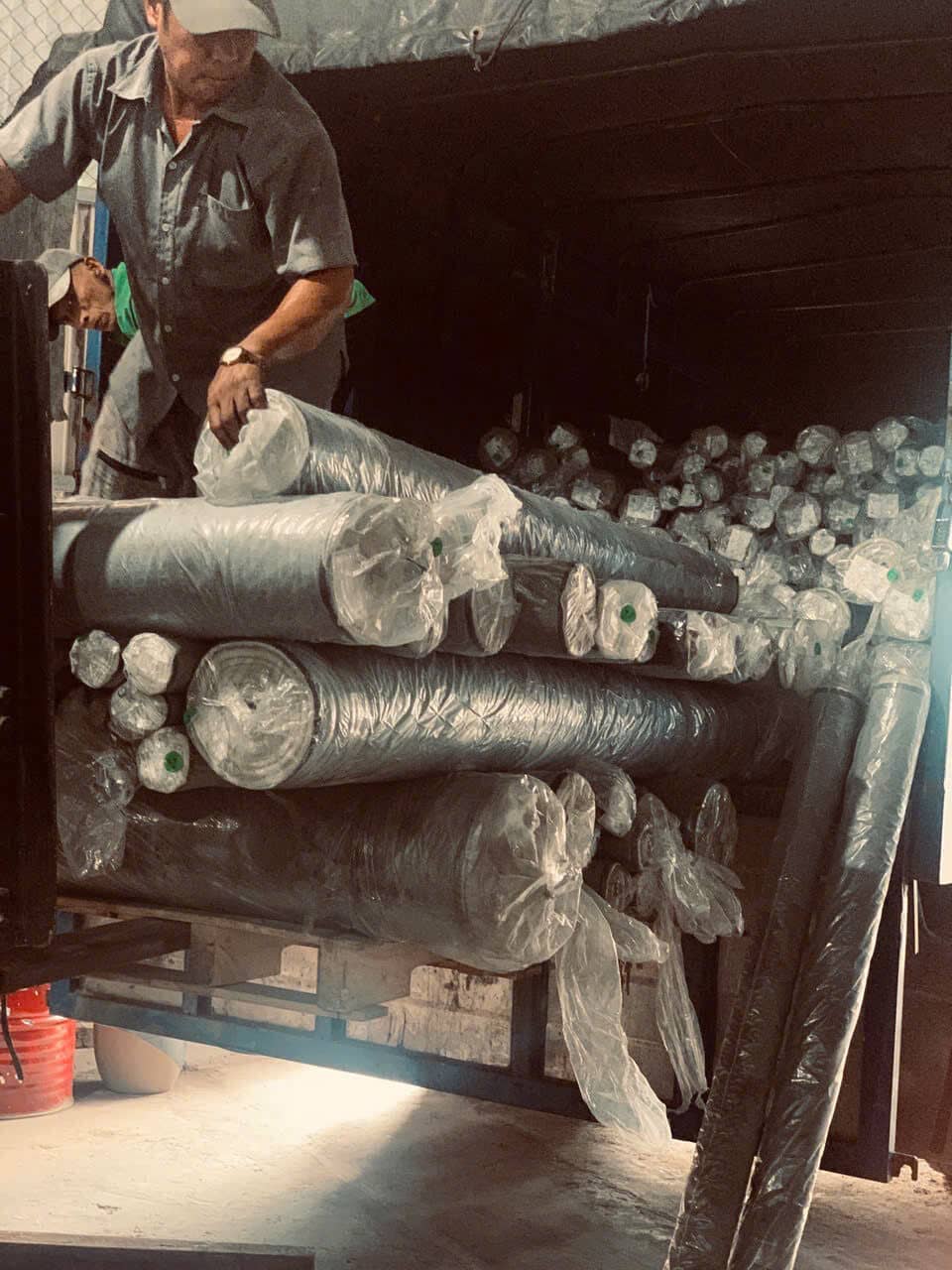
Questions to ask when calling a liquidation fabric buyer
The first phone call is the best moment to judge a buyer. Ask directly, and notice whether the answers are clear or evasive.
About pricing
- Do you price by the kilo, by the meter, by the roll, or buy the whole lot? Do you deduct tubes and packaging, and by how much?
- Is a quote from photos preliminary or final? When you come to see the goods, under what circumstances could it change?
- Do you also take the remnants, scraps and defective fabric that come with the lot, or only full rolls?
About logistics and payment
- Who arranges the truck and the loaders? Is that cost already included in the price?
- When do you pay: before the truck leaves or after the goods reach your warehouse?
- Will you sign a receipt or a sales contract?
A genuine buyer can answer all of these on the phone. If every answer is "we'll sort it out when we get there", it is worth asking a few other buyers for comparison. Before you call, have a look at our reference fabric buying price list by fabric type to get a sense of the general level, so you can spot a quote that is unusually high or low straight away. The final price still depends on each lot, but having a reference point makes you much harder to steer.
Warning signs of lowballing or rigged scales
A few signals suggest you should slow down before agreeing:
- An unusually high price over the phone compared with the general market, without any questions about fabric type, quantity or condition. A quote given without knowing the goods is usually just a way to get invited over.
- Listing faults on arrival and cutting the price several times, especially after you have cleared the warehouse and let workers go, when it is hard to call anyone else.
- Using their own scale without letting you see the reading, or announcing the tare deduction only after weighing.
- Pressure to close immediately, saying "this price is only good for today".
- Promising to pay later, paying part up front and the rest "next week".
The simplest protection: agree how tare is deducted before weighing, weigh in front of you, and record every weighing in a notebook that both sides can see. If your warehouse has its own scale, ask to cross-check a few bags. To understand for yourself which factors set the price of fabric, so you are not led along, read our article on how surplus fabric buying prices are calculated.
Receipts, contracts and payment
For a small lot, a handwritten receipt signed by both sides is enough. For a large lot, or when the seller is a company that needs documentation, a sales contract is advisable. Whatever the form, the paperwork should state:
- The name, address, phone number and tax code (if any) of both parties.
- A description of the goods: fabric type, number of rolls or bags, condition (new, defective, damp, etc.).
- The pricing basis: unit price per kilo or per meter, or a whole-lot price; how tare is deducted.
- The total net weight, the total amount and the payment method.
- Who pays for transport and loading; the loading date.
On payment, the safe rule is money in before the goods leave the warehouse: cash counted on the spot, or a bank transfer that has actually arrived in your account. Do not accept a "transfer sent" screenshot before you see the money. At Gia Bao, we weigh, agree the amount and pay right at the warehouse, and only then load the truck. The detailed steps are on our buying process page.
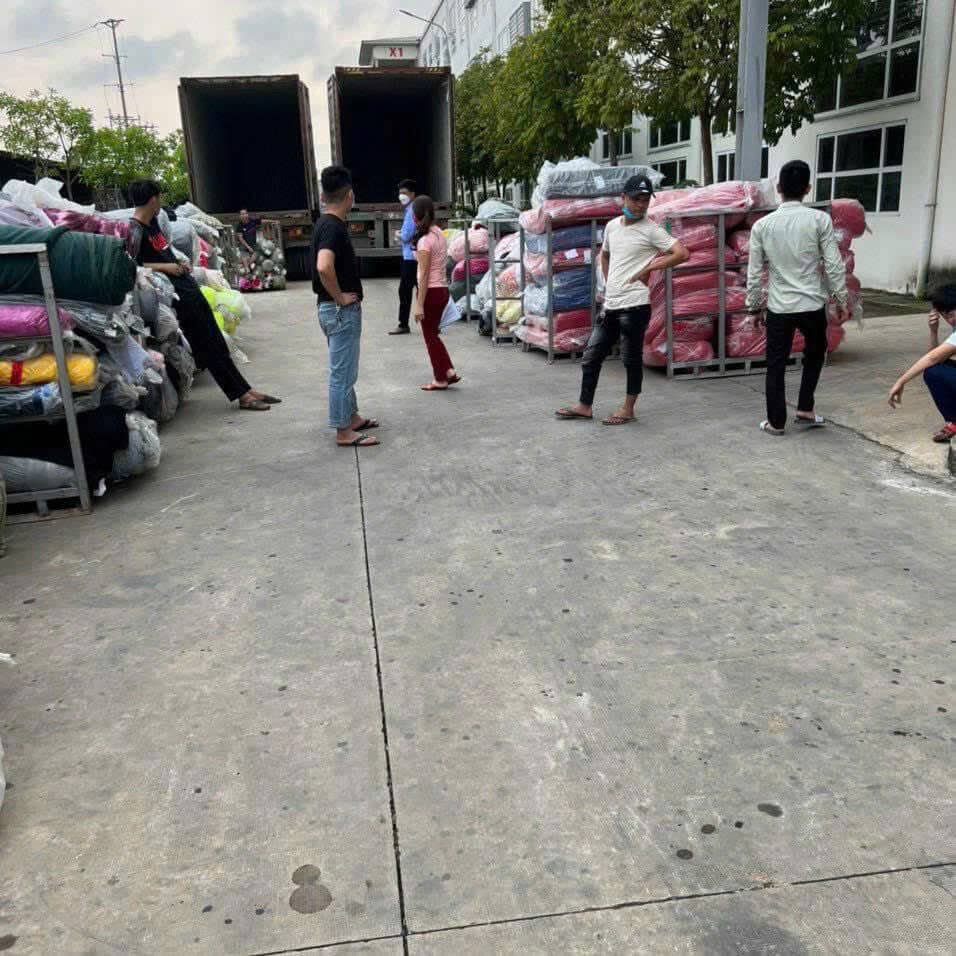
Can a surplus fabric buying company far away still handle your lot?
Many warehouse owners in the provinces hesitate to call buyers based in Ho Chi Minh City or Hanoi because they seem too far away. In practice, medium and large lots work fine with a clear process: you send photos and videos via Zalo, the buyer gives a preliminary quote, both sides agree the price and pricing basis in advance, and only then is a truck sent. For a very small lot far away, the truck cost may not make sense; a serious buyer will say so plainly or suggest combining it with another trip, instead of promising one thing and cutting the price on arrival to cover transport.
Gia Bao's head office is at 69C Do Duc Duc, Phu Tho Hoa Ward, Ho Chi Minh City; the north is served through our address at 186 Tay Tra, Hoang Mai Ward, Hanoi, and central Vietnam through 252 Truong Son, Ba Na Commune, Da Nang. If you are in the south, see our page on buying surplus fabric in Ho Chi Minh City; if you need to clear a whole warehouse with many kinds of goods, see our surplus fabric liquidation page.
Contact us for a comparison quote
Our advice is always to ask at least two or three buyers and compare both the price and the way they work. If you would like one more quote to compare, send photos of your warehouse, close-ups of the fabric and the roll labels via Zalo to 0904 623 046 (Mr. Tuan Tai); you can message us on Zalo in English. Gia Bao gives a preliminary quote, explains the pricing clearly, weighs in front of you and pays at your warehouse.