21 October 20262 views
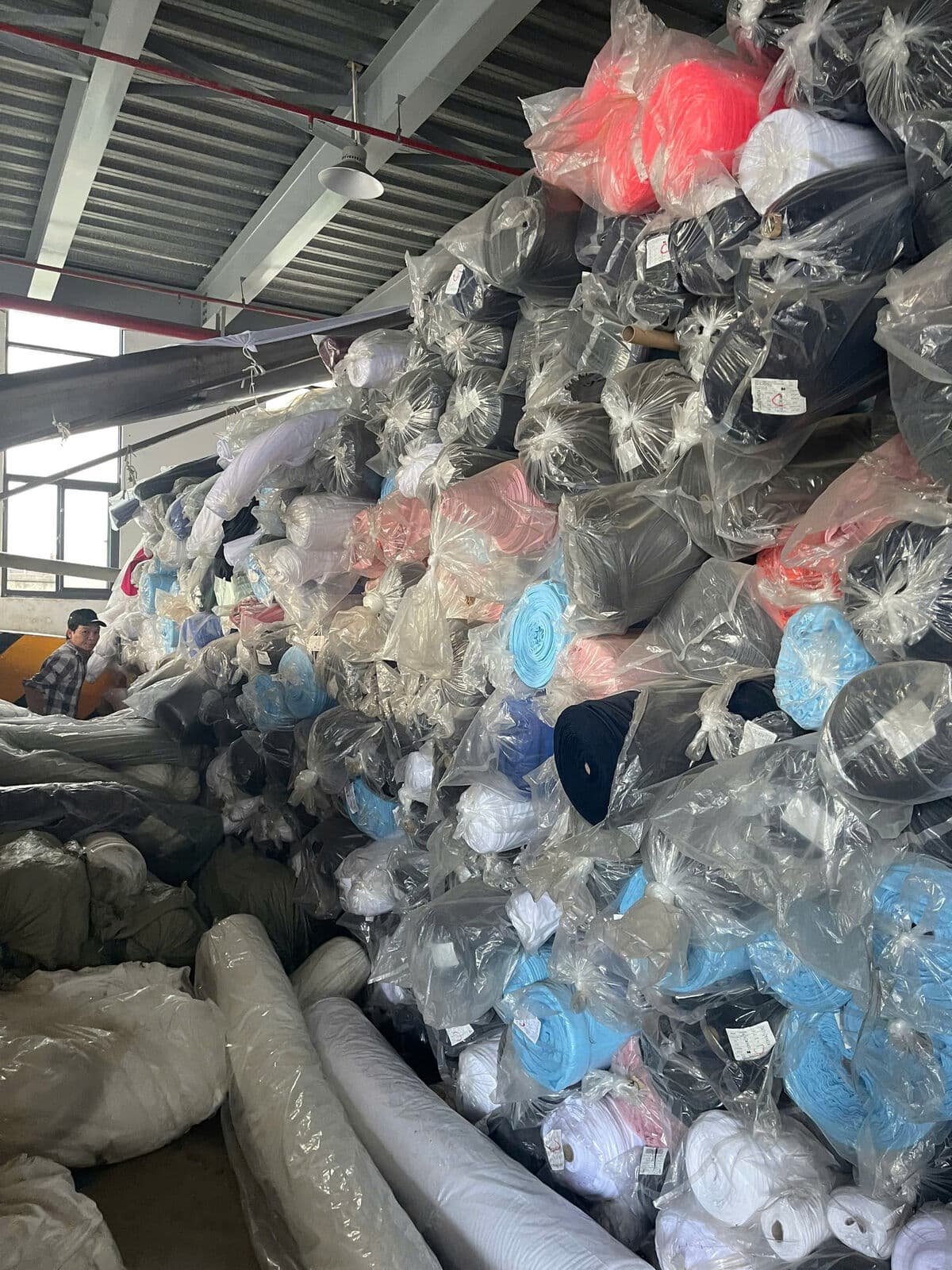
Selling old deadstock fabric is something we are asked about all the time, and almost every time the question comes with the same worry: "This fabric has been sitting for years, surely nobody wants it?" The reality is quite different. A lot of fabric that has been in storage for years can still be sold, sometimes at a fair price, as long as the fibers are still sound and you know how to describe its condition. This article goes step by step: how old stock differs from damaged stock, which types keep their value, how to check it yourself right in the warehouse, and what to do before inviting someone to look at the goods.
What counts as "old deadstock fabric"?
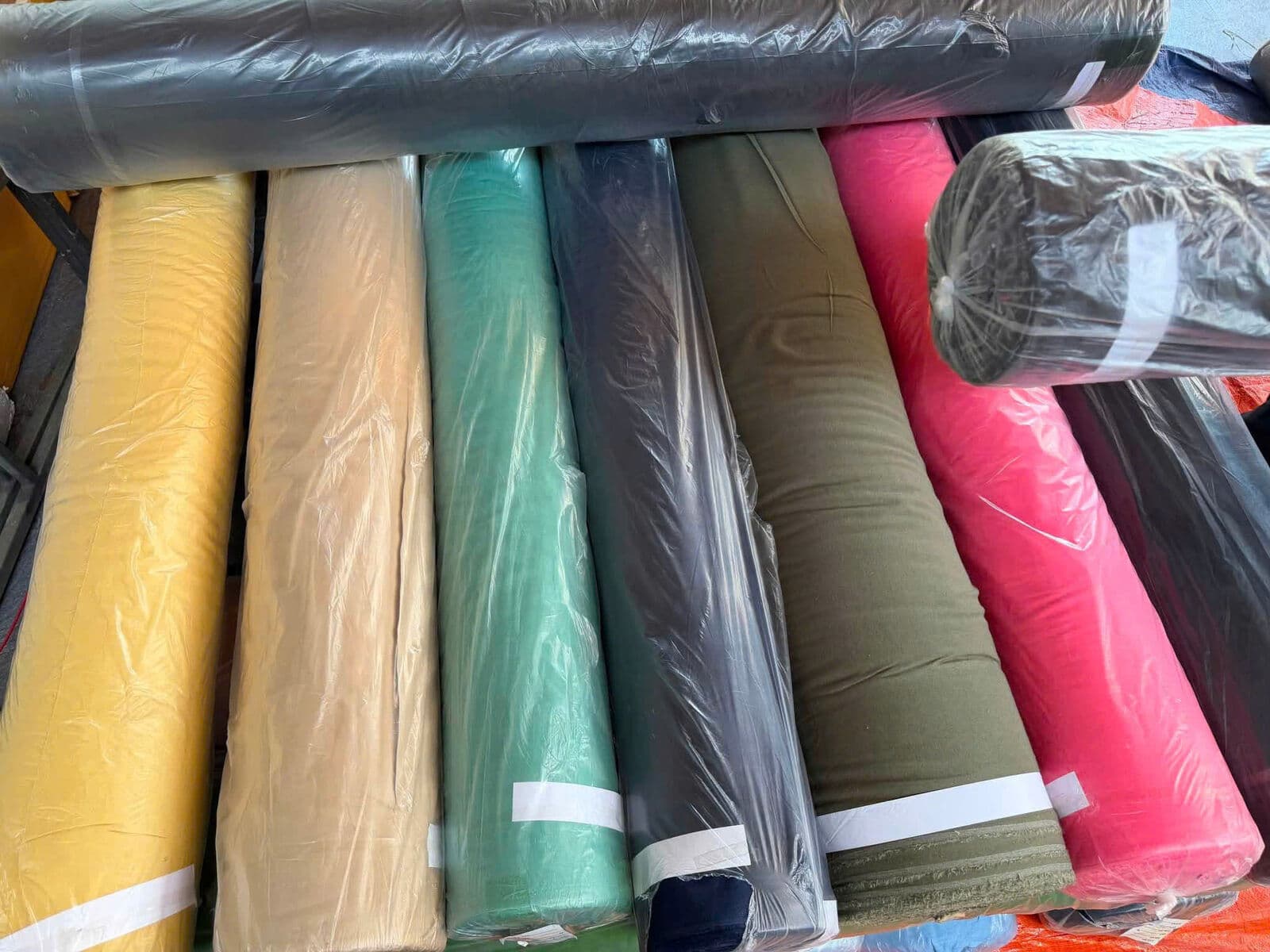
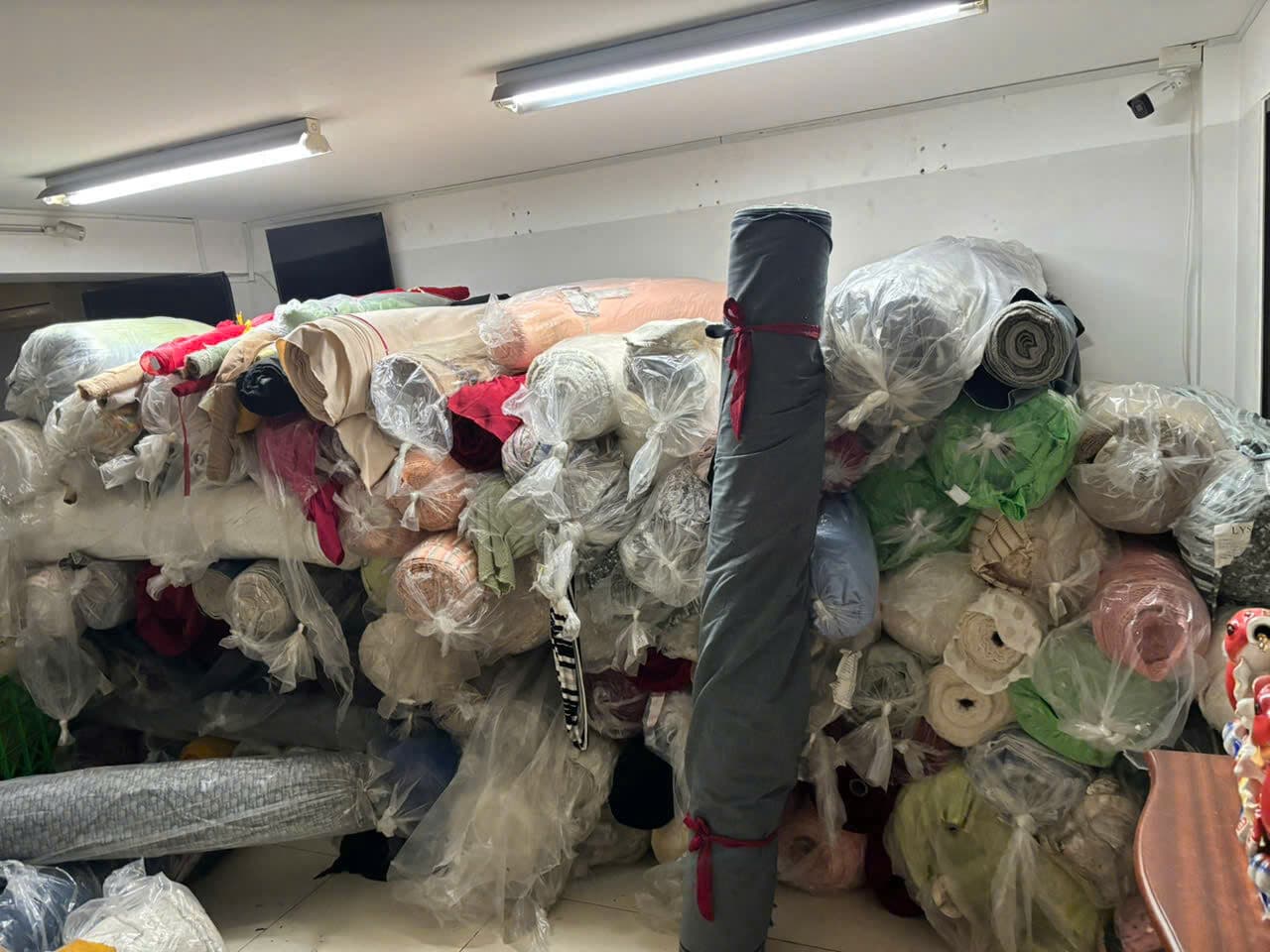
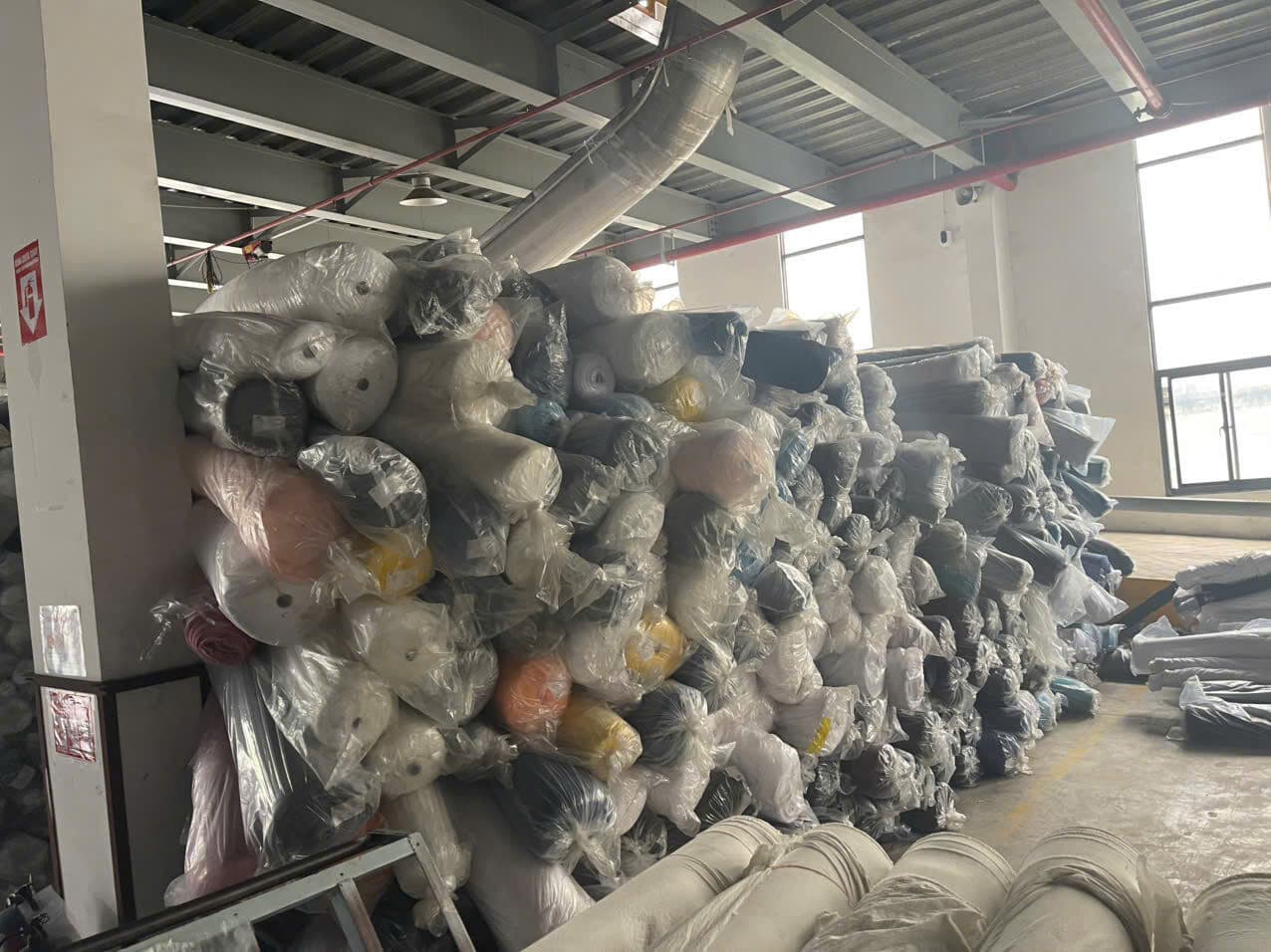
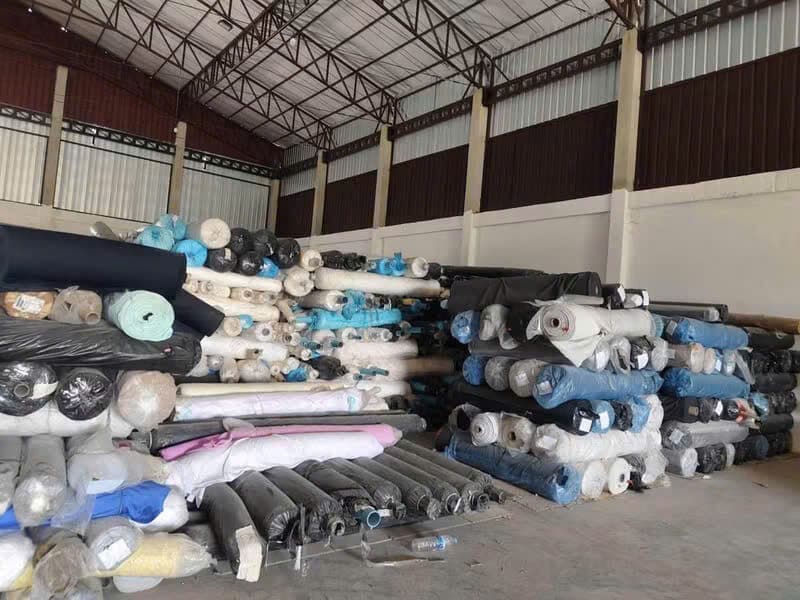
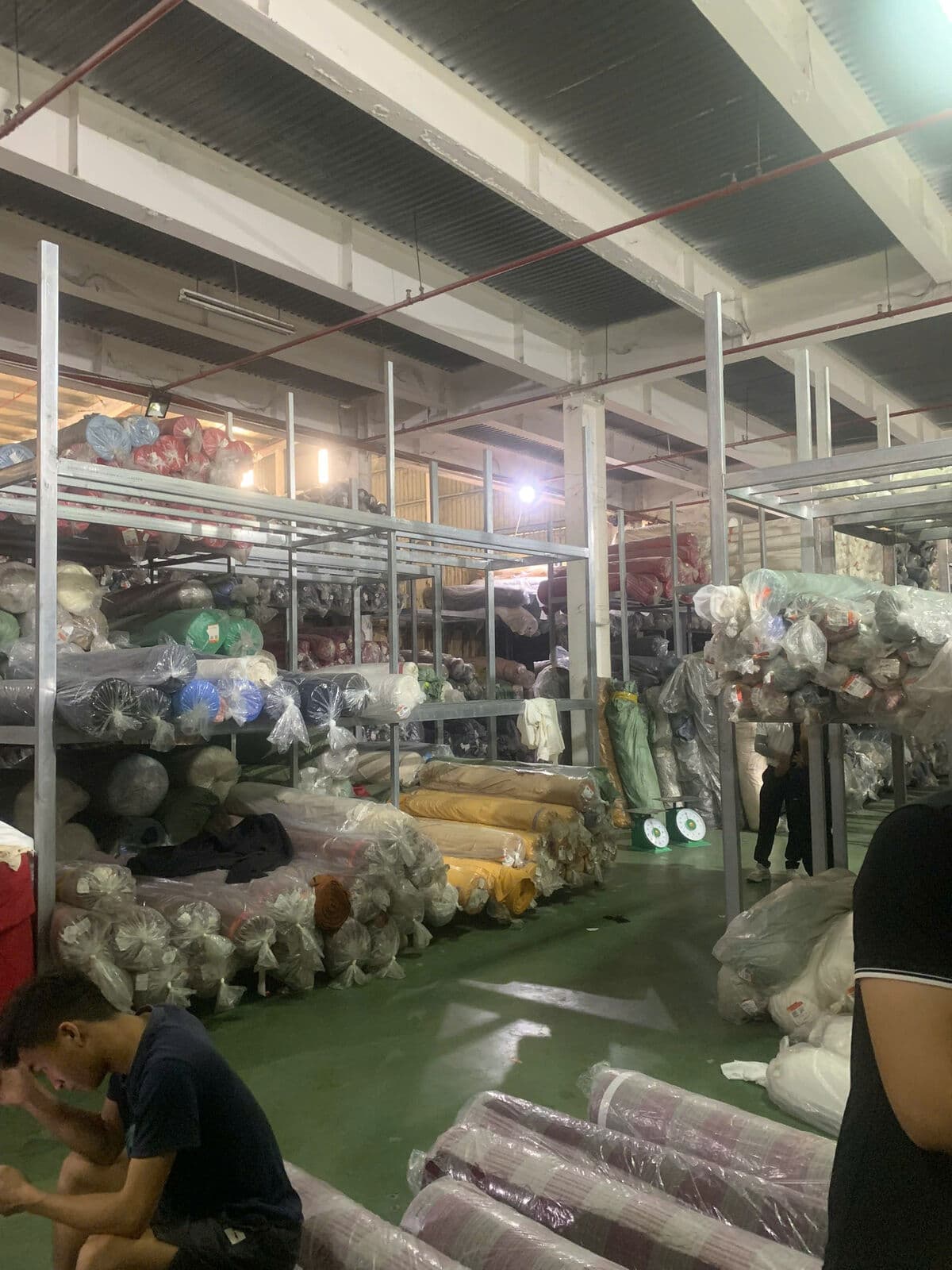
In the trade, "old" does not mean used. Old deadstock fabric is new, uncut fabric that has simply been in the warehouse for a long time: sometimes surplus from an export order a few years ago, sometimes fabric bought in to run a style that never sold, and sometimes the stock of a factory that has closed, kept by the family without knowing what to do with it.
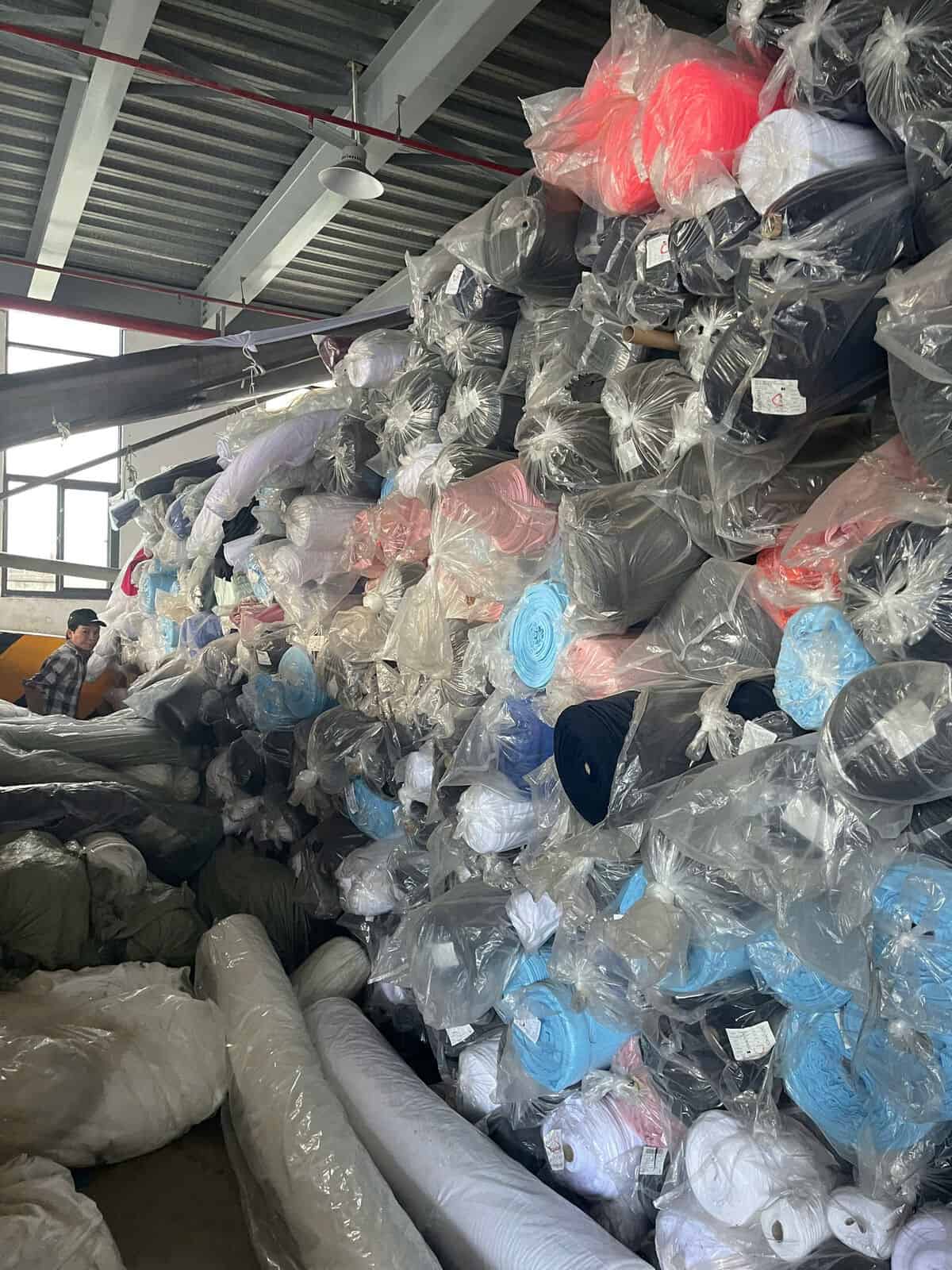
What this group has in common is that it usually looks worse than new goods: the outer plastic has yellowed, roll labels have faded or gone missing, paper tubes are dented, and the outer layer of some rolls has faded in the light. But most of a roll's value lies in the layers inside. If the core is still dry and the fibers are still strong, you lose a few outer wraps and the rest is perfectly usable fabric.
Can old fabric still be sold? Which types keep their value
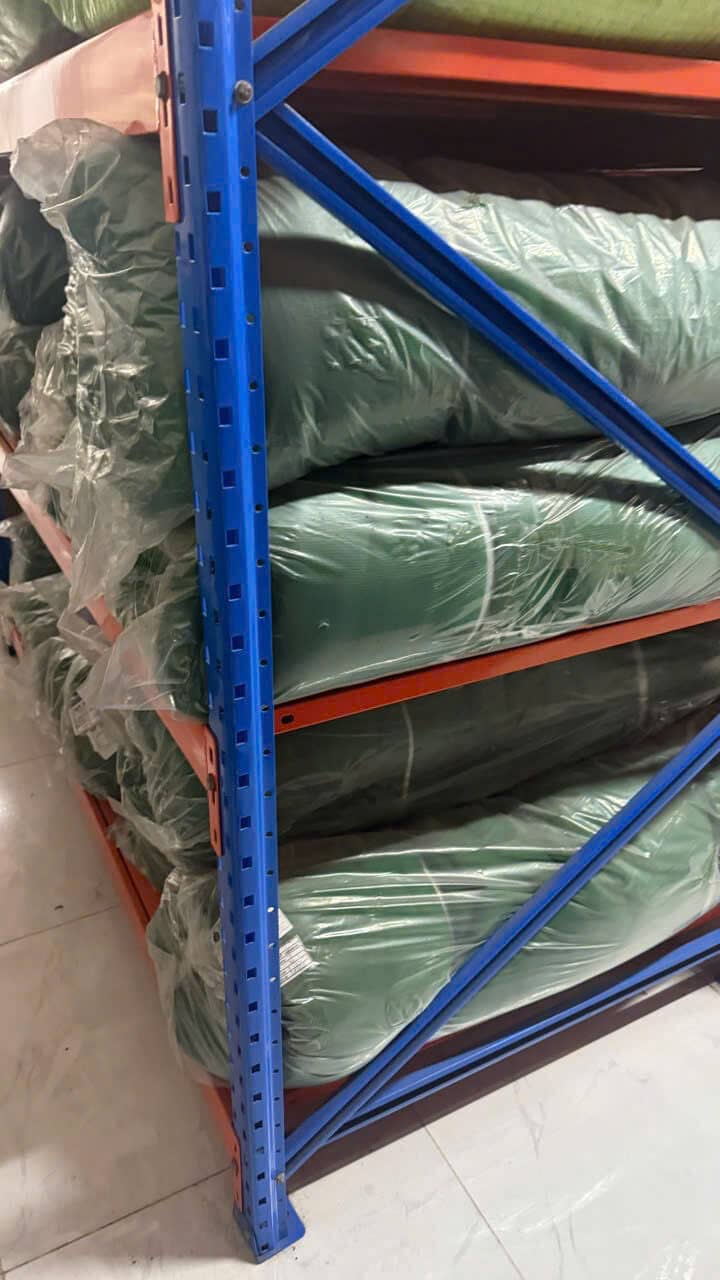
The short answer: most of it can, but prices vary widely depending on fiber type and condition. From Gia Bao's experience visiting old warehouses, it falls into three groups.
Types that hold their value fairly well
Synthetics such as polyester, nylon taffeta, taffeta and poly knit stand up to time well. Synthetic fibers do not rot from damp the way natural fibers do and are rarely eaten by insects, so after three or four years in a dry warehouse they are almost as good as new. Heavy khaki and denim are also durable; the main concern is fading along the roll edges. If these still have labels and full rolls, the next buyer can send them straight back to a garment factory.
Types that depend heavily on storage
Cotton, poplin, linen and other natural fibers absorb moisture readily. Kept in a ventilated warehouse on pallets, they can still look good after many years; kept on the floor or against a damp wall, they may yellow, show mildew spots or, in worse cases, rot. For this group, a careful check of the core decides almost the whole price.
Types that lose value easily
Rayon, silk, thin chiffon, coated fabrics (PU or adhesive coatings) and fashion prints are the hardest group. Rayon and silk weaken when damp, coatings can peel or stick together after a few years, and out-of-fashion prints are hard to sell to fashion factories. Even so, this group still has outlets as defective fabric, remnants or material for low-cost goods.
How to check old deadstock fabric before you sell
You do not need any special tools. Just pick a few rolls at random from different spots in the warehouse (on the floor, in the middle of a stack, near a window) and check these four things.
Yellowing and fading
Remove the plastic, look at the outermost layer, then unroll a few more wraps. If the yellowing is only on one or two outer wraps or along the selvage, and the inside is clean, the lot is fine; the buyer will simply deduct for the loss. If the stains go deep through many layers, note it down so you can report the condition accurately.
Damp and mildew
Smell the fabric: a musty odor is a clearer sign than anything you can see. Feel the core for unusual coldness or heaviness. Tiny black or green specks are mildew. Damp rolls should be separated straight away; do not leave them with dry rolls, because mildew spreads very quickly.
Rotten and brittle fibers
This is the most important step. Take an edge of the fabric and pull gently with both hands, along both the length and the width. Sound fabric stays strong with no tearing sound. Rotten fabric tears as easily as paper, and brittle fabric cracks apart at the folds.
Insects and rats
Look for small holes going through several layers, fine powder inside the core, or rat droppings around the pallet legs. A gnawed roll is usually damaged only in one section and the rest is still usable, so do not write off the whole roll.
What to do before selling so you are not underpaid
Many warehouse owners think they should wash, air or cut off the damaged parts to make the fabric "look nice" before selling. In practice this usually costs more than it gains. A few rules worth keeping:
- Do not wash or iron. Washed fabric shrinks, loses its finish and its rolled shape, and buyers then price it as processed goods.
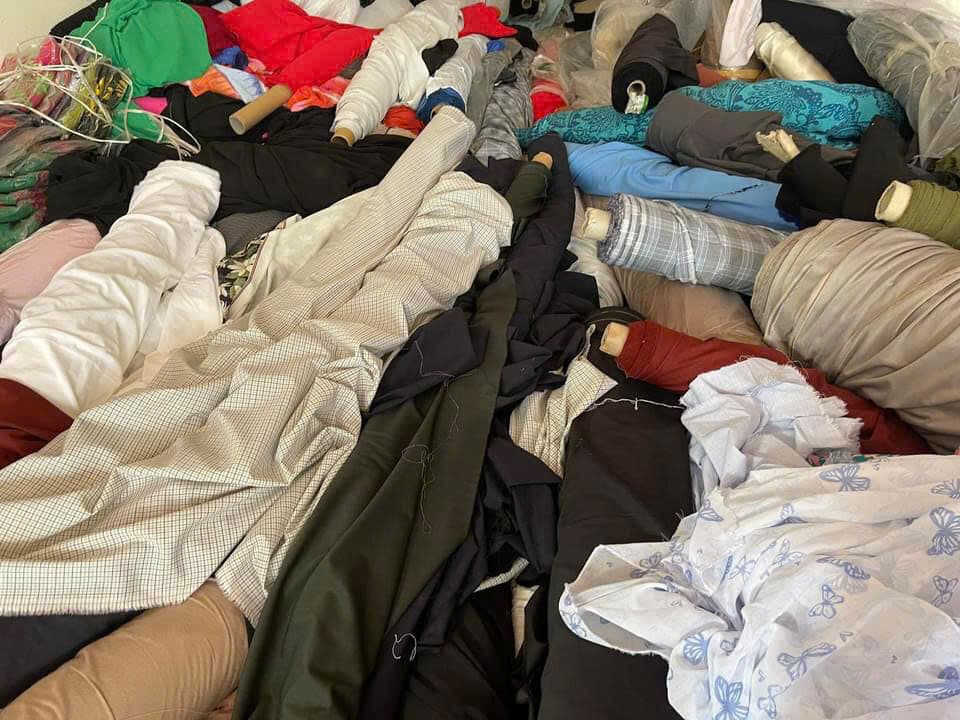
- Do not take fabric off the tube. On the tube the length can be estimated; unwound into a pile, it gets classed as remnants.
- Separate damp and rotten rolls. If they are mixed in, the buyer will quote on the worst part to be safe.
- Air slightly damp fabric in the shade, not in strong sun, which fades colors and makes fibers brittle.
- Gather any old labels and purchase invoices. Information on composition, width and length reassures the buyer and makes the quote more accurate.
To keep the remaining fabric from deteriorating further while you wait to sell, see our article on storing surplus fabric to keep its value. If you are not sure what an old roll is made of because the label is gone, our guide to identifying common fabric types explains the burn test and touch test.
How is old deadstock fabric priced?
When buying old surplus fabric, a buyer looks at two things: how much of the fabric is still usable, and who that part will be resold to. A lot of polyester with sound fibers can be priced close to ordinary surplus stock. A lot of cotton with yellowed outer layers has the loss deducted. A heavily rotted lot is priced as scraps or defective fabric for recycling.
That is why it is hard to give one figure for "old fabric" in advance. You can see price ranges by fabric type on our reference fabric buying price list, bearing in mind that old fabric usually sits in the lower part of those ranges, depending on how well it has kept. The final price is always set per lot after seeing the actual goods. Fabric that is completely spoiled still has an outlet through defective fabric buying, so do not throw it away before asking for a price.
Common situations with old fabric stock
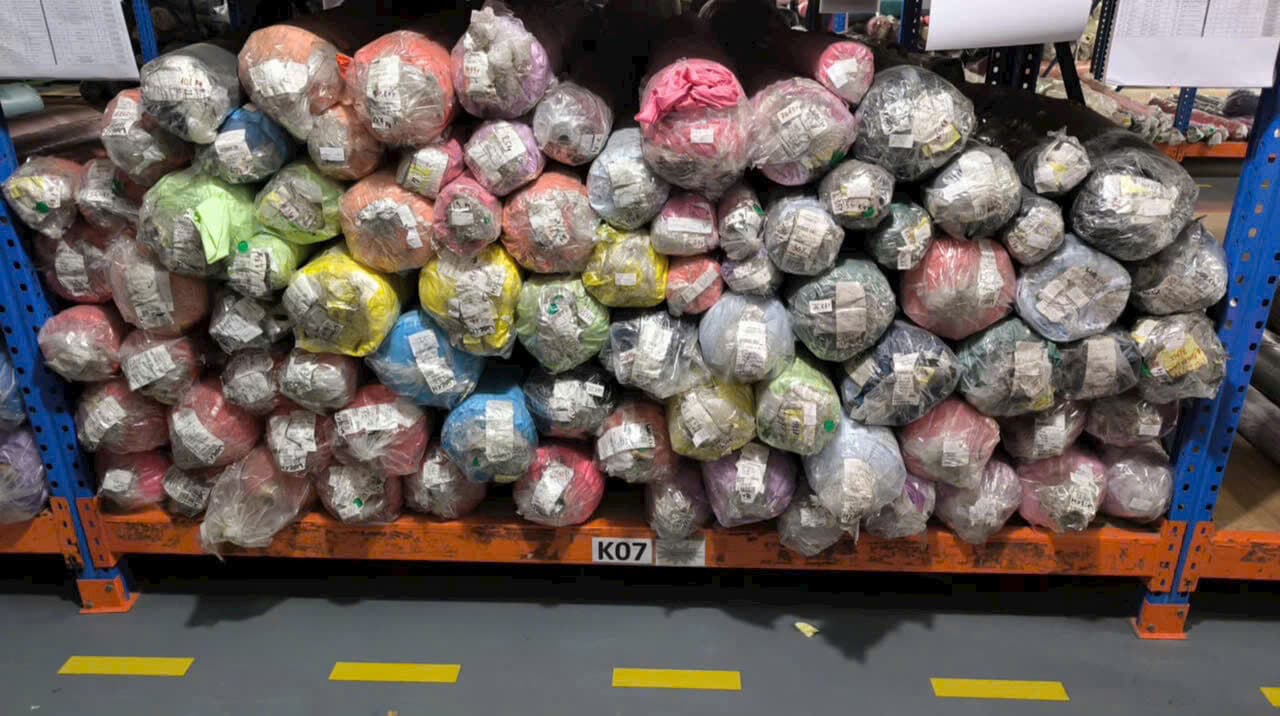
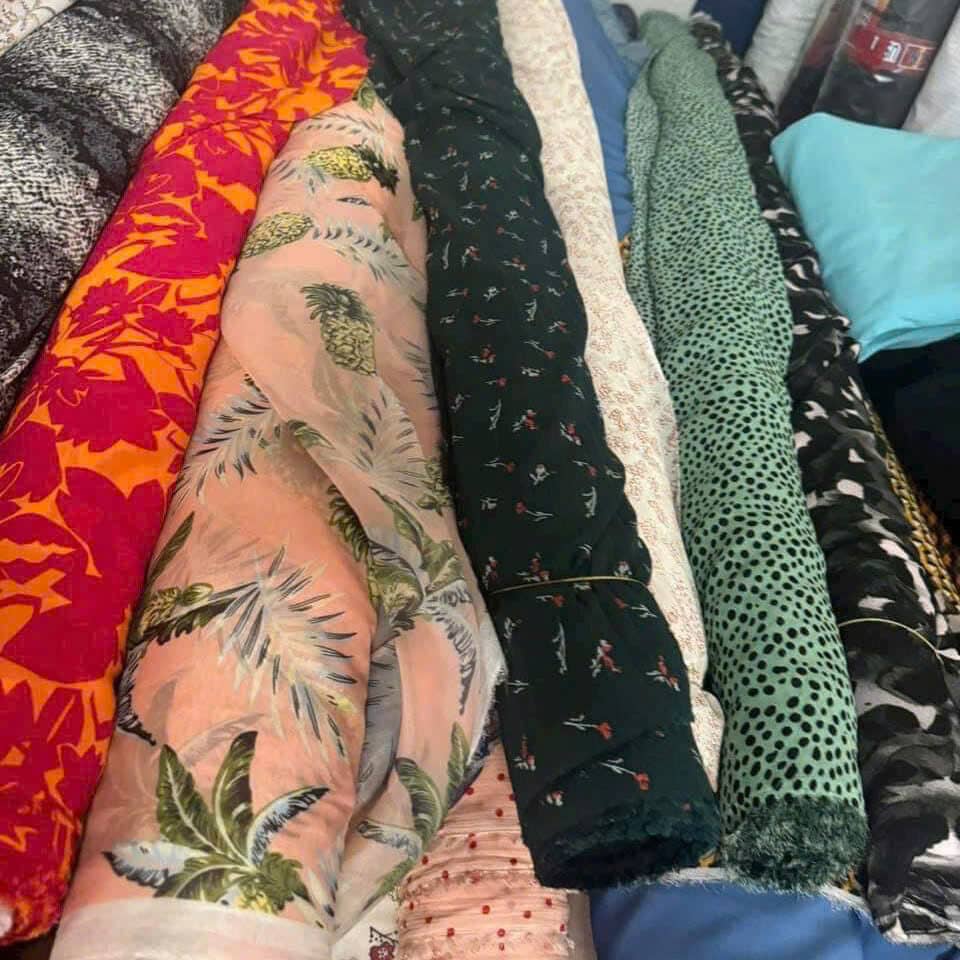
Fabric bought in for samples and left aside. Small quantities of each color, but many colors. Small buyers and tailor shops want this kind of fabric, so grouping it by fabric type and listing all the colors makes it easier to sell.
Warehouses in distant provinces. Take photos and a video of the core of a few rolls and send them via Zalo. Gia Bao gives a preliminary quote and agrees the price before sending a truck. For the northern provinces we work through our Hanoi address; see our page on buying surplus fabric in Hanoi – Bac Ninh. The southern region is served from our head office in Ho Chi Minh City.
Send photos of your old fabric for a quote from Gia Bao
Do not let an old fabric warehouse sit through another rainy season. Every year that passes adds to the risk of damp and rot in the core. Just take an overview photo of the warehouse, close-ups of the fabric face, a photo of the inner layers after unrolling a few wraps, and any roll labels, then send them via Zalo to 0904 623 046 (Mr. Tuan Tai); you can message us on Zalo in English. We review the photos, give a preliminary quote, come to your warehouse to check the goods, weigh on site and arrange the truck ourselves.